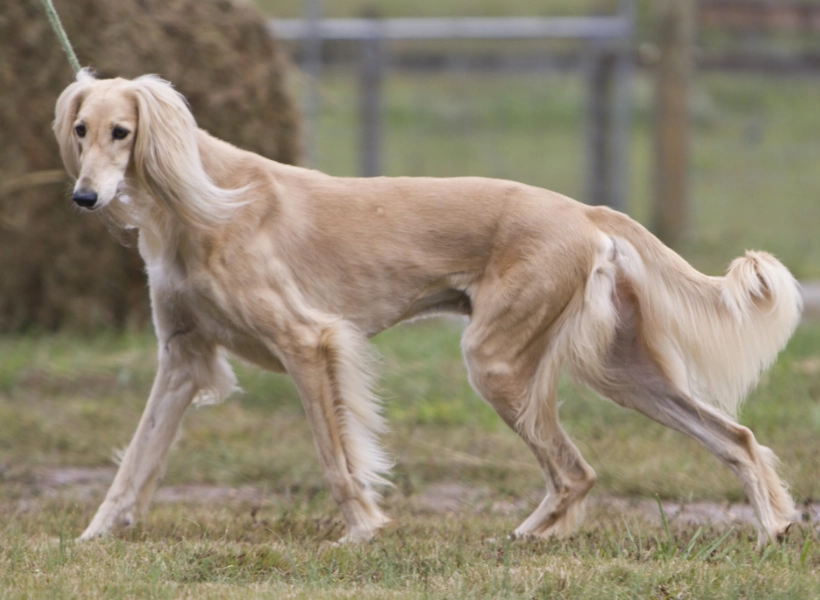
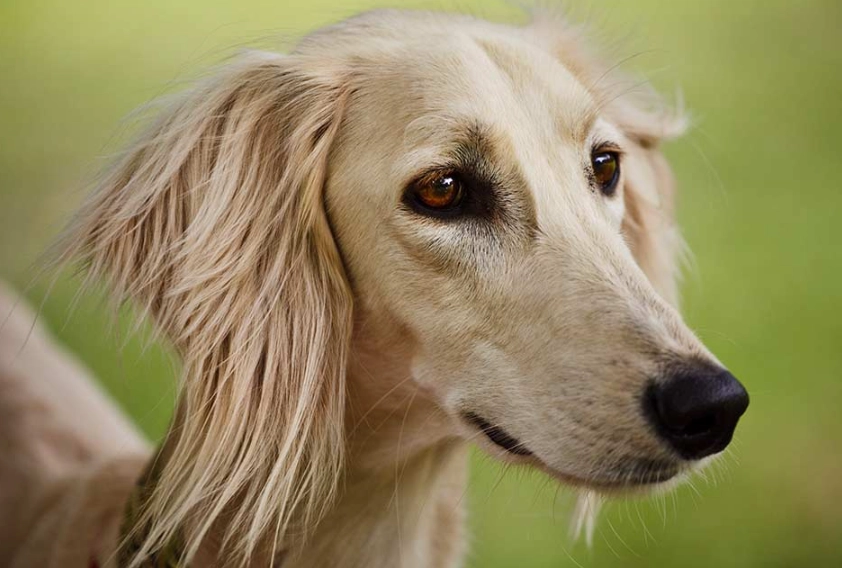
Let's talk about the Saluki. You've probably seen pictures—a dog that looks like it stepped off an ancient Egyptian fresco, all long legs, a silky coat, and this quiet, almost regal dignity. Maybe you saw one at a dog show, moving with a floating grace that seems to defy physics. Or perhaps you're just curious about sighthounds and keep coming back to this particular breed's name. I remember the first time I met a Saluki in person. It wasn't at a show; it was at a friend's house in the countryside. This beautiful, fawn-colored dog was curled on a sofa, looking utterly serene and aloof. Then a rabbit darted across the far end of the field. In an instant, the dog transformed. It was like watching a spring uncoil—a silent, focused explosion of speed that was over almost before it began. The rabbit got away (thankfully), and the Saluki trotted back, calm as you please, as if nothing had happened. That contrast, that deep-seated predatory instinct housed in such a gentle, reserved package, is the essence of this breed. So, what is it really like to live with one? This isn't just a list of breed stats. We're going to dig into everything—where they came from, what they're like to live with day-to-day, the good, the bad, and the downright challenging. If you're wondering if a Saluki could be your next companion, you're in the right place. We'll cover the history that shaped them, the specific care they need (it's more than just a daily walk), their health, and how they stack up against other similar dogs. By the end, you'll have a pretty clear picture. To understand the Saluki, you really have to start with their past. This isn't a breed developed in the last few hundred years for a specific job like herding or retrieving. We're talking about one of the oldest, if not the oldest, distinct dog breeds in the world. Their history is woven into human civilization itself. Archaeological evidence places Saluki-type dogs in the Middle East dating back at least 5,000 years. We're talking Sumerian carvings, Egyptian tombs—the pharaohs were buried with their beloved Salukis, mummified beside them for the afterlife. That tells you something about their status. They weren't just tools; they were cherished companions and hunting partners of nobility and royalty across the ancient Islamic world. In fact, the name "Saluki" is thought to come from the ancient Arabian city of Saluk or possibly from the region of Seleukia. They were, and often still are, referred to as the "Royal Dog of Egypt" or the "Persian Greyhound." Key Point: Unlike many Western breeds, traditional Saluki breeders in their native lands sometimes classify them by coat type (feathered or smooth) and even by the region they come from, which can subtly influence appearance. This deep history means the Saluki's instincts are not just strong; they're primal. Their job was clear: hunt by sight across the harsh, open deserts and plains. They worked in partnership with falcons and hunters on horseback, using their incredible eyesight and explosive speed to run down gazelle, hare, and other swift game. This history of independent work over vast distances is critical to understanding their modern psychology. They weren't bred to take orders from a farmer a few feet away; they were bred to make split-second decisions at a full sprint, a quarter-mile from their human partner. This aristocratic heritage has been preserved to a remarkable degree. When you look at a modern Saluki, you are looking at a living piece of history. The American Kennel Club officially recognized the breed in 1929, but its essence remains unchanged. The American Kennel Club's Saluki breed standard still emphasizes the qualities needed for that ancient desert hunt: a combination of grace, symmetry, great speed, and endurance. Okay, let's describe what you're actually looking at. Calling a Saluki "skinny" is a massive understatement. It's like calling a Ferrari "a car." Their appearance is all about functional elegance for speed. They are a study in long, clean lines. A deep chest to house a powerful heart and lungs. A long, level back. A lean, tucked-up waist. Legs that are long and muscular, with the hindquarters possessing a driving power that's just incredible. Their feet are long and flexible, often described as "hare-footed," which acts like a natural shock absorber at high speeds. The head is long and narrow, with large, dark, oval eyes that have a faraway, gentle, and dignified expression. Their ears are long, mobile, and covered with silky hair. The tail is long, set low, and carried naturally in a curve, with long feathering on the underside. Now, the coat. There are two varieties recognized by most kennel clubs: Colors? Salukis come in a stunning array. Just about every color and combination you can imagine is accepted: white, cream, fawn, golden, red, grizzle, tricolor (white, black, and tan), and various shades of these, often with markings. No single color is preferred over another. This is where many people get surprised. That regal, aloof exterior isn't just for show. The Saluki temperament is unique and not for everyone. Let's start with the good stuff. At home, a Saluki is often the ultimate couch potato. They are quiet, clean, gentle, and famously cat-like in their fastidiousness and love of comfort. They will find the softest pillow or sunniest spot in the house and claim it. They are not typically barkers. They form deep, affectionate bonds with their family but are often reserved—sometimes aloof—with strangers. They're not the dog that will enthusiastically greet every guest at the door. They might give a polite sniff and then retreat to their spot. They are sensitive souls. Harsh words or training methods will shut them down completely. They respond best to patience, positive reinforcement, and respect. Their intelligence is not the "eager-to-please" kind; it's the independent, problem-solving kind. They will think about whether your command is worth following. And then there's the prey drive. This is the single biggest thing to understand. That ancient hunting instinct is powerful. A moving squirrel, cat, rabbit, or even a small dog can trigger a chase response that is instantaneous and all-consuming. When a Saluki locks onto prey and starts running, they enter a state often called "going deaf." They cannot hear you calling them. The world narrows to the chase. This is not disobedience; it's hardwired instinct. Because of this, a securely fenced area is not just a recommendation; it's an absolute necessity for safety. We'll talk more about that in the care section. Heads Up: Their sensitivity and independence can be mistaken for stubbornness. If you want a dog that lives to follow your every command, look elsewhere. A Saluki partnership is built on mutual respect, not blind obedience. With other dogs, they generally do well, especially with other sighthounds who share their play style (short, intense bursts). With smaller pets? It's a huge risk. Many Saluki owners successfully have cats if the Saluki is raised with them from puppyhood, but the instinct is always there, and management is forever necessary. I know of a Saluki who lived peacefully with a house cat for years but would still chase any other cat it saw outside. You can't train the instinct out; you can only manage it. Owning a Saluki isn't overly complicated, but it does require specific adjustments to your lifestyle. Think of it as catering to an athletic, sensitive aristocrat. Salukis have efficient metabolisms. They don't need massive amounts of food, but they need high-quality food. Look for a diet with a good amount of quality protein and fat to support their lean muscle mass. Because of their deep chests, they are at risk for bloat (Gastric Dilatation-Volvulus), a life-threatening condition. Consulting your vet and checking resources like the World Small Animal Veterinary Association's Global Nutrition Guidelines is a great start for any dog owner. This is crucial. A leashed walk around the block is not enough. They are athletes. They need opportunities to run. Not just jog, but full-out, heart-pounding sprints. A well-exercised Saluki is a calm, content house dog. An under-exercised Saluki can become anxious, destructive, or try to create their own fun (which usually involves escaping to chase something). Surprisingly low-maintenance! They have no "doggy" odor and are very clean. Start early and be patient. Socialization is key to helping them become confident, well-adjusted adults. Expose them gently to different people, places, sounds, and other dogs. Focus on three essential commands from day one: Use positive reinforcement only—treats, praise, play. They will not respond to force. Generally, Salukis are a healthy, hardy breed with a lifespan of 12 to 14 years, sometimes longer. Their ancient, less-inbred gene pool helps. However, like all breeds, they have some predispositions to be aware of. Responsible breeders test for these. A great resource for understanding breed health is the Orthopedic Foundation for Animals (OFA), where you can often find health testing statistics for specific breeds. A good breeder will be transparent about these tests. This is a common question. Both are sighthounds, both are fast, both are lean. But they have distinct differences in origin, build, and temperament. Greyhounds, especially retired racers, are often touted as "45 mph couch potatoes" and can be a slightly easier introduction to the sighthound world for some families due to their often more gregarious nature. But if you're drawn to the ancient, serene, and more independent spirit, the Saluki is your dog. They can be, but with caveats. They are gentle and usually good with respectful children. However, they are not rowdy, playful dogs like a Labrador. They can be easily overwhelmed by loud, chaotic environments or rough handling. They are best suited for families with older, calmer children who understand how to interact with a sensitive dog. Yes, surprisingly well—if their exercise needs are met. An apartment-dwelling Saluki needs dedicated, daily access to a secure run area and long walks/jogs. Their calm indoor demeanor makes them good apartment companions, but the outdoor exercise requirement is amplified, not diminished. No. Let's be honest. They are intelligent but independent. They are not motivated by a desire to please in the same way a Border Collie is. Training requires creativity, high-value rewards (often food), patience, and short, positive sessions. Obedience champions they are not, but they can learn house rules and essential commands beautifully. Puppies from reputable breeders often have high price tags ($2000-$3500+). This reflects the cost of responsible breeding: comprehensive health testing on the parents, pre- and post-natal care for the dam, puppy socialization, and the fact that litter sizes are often small. It also reflects the breeder's investment in preserving a rare, ancient breed responsibly. The initial cost is just the start; be prepared for all the other costs of dog ownership. Avoid pet stores and websites that have multiple litters available immediately. A good breeder: Final Thought: The Saluki is not a pet for everyone. They are a commitment to a specific lifestyle—one that includes secure fencing, dedicated running time, and an appreciation for a quiet, independent soul. But for the right person or family, they offer a connection to history, unparalleled grace, and a uniquely deep, quiet companionship that is utterly rewarding. If you can provide what they need, you'll gain a loyal, elegant friend like no other. Still have questions? The best thing to do is talk to actual owners and breeders. Attend a dog show with sighthounds or a lure coursing event. See the dogs in action. There's no substitute for meeting the breed in person and seeing if that ancient, silent gaze connects with you.Quick Guide
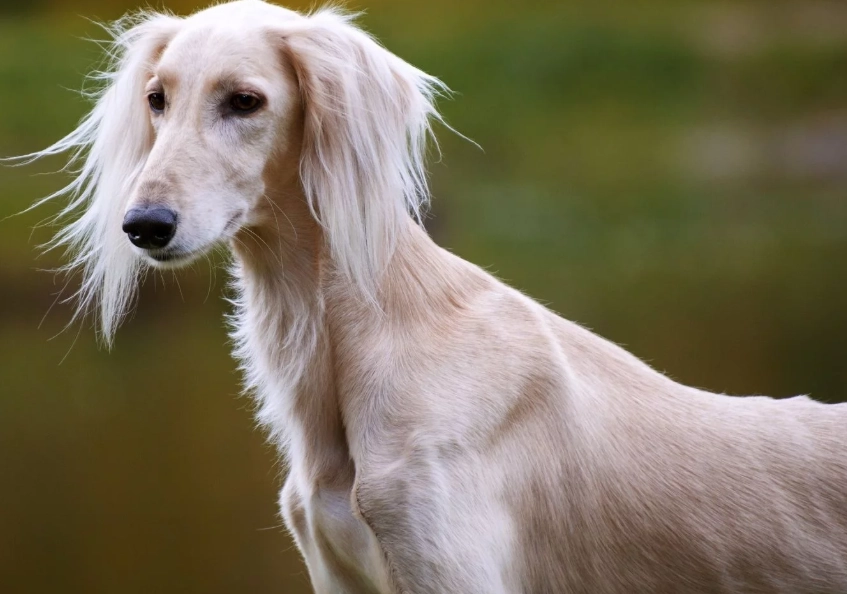
A Journey Through Time: The Ancient History of the Saluki
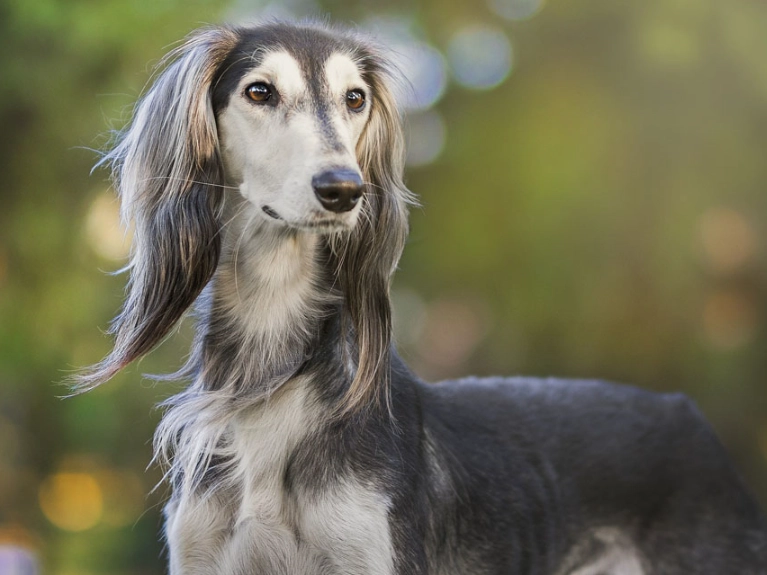
Elegance in Motion: The Striking Appearance of a Saluki
The Saluki Temperament: Independent Thinker, Gentle Companion
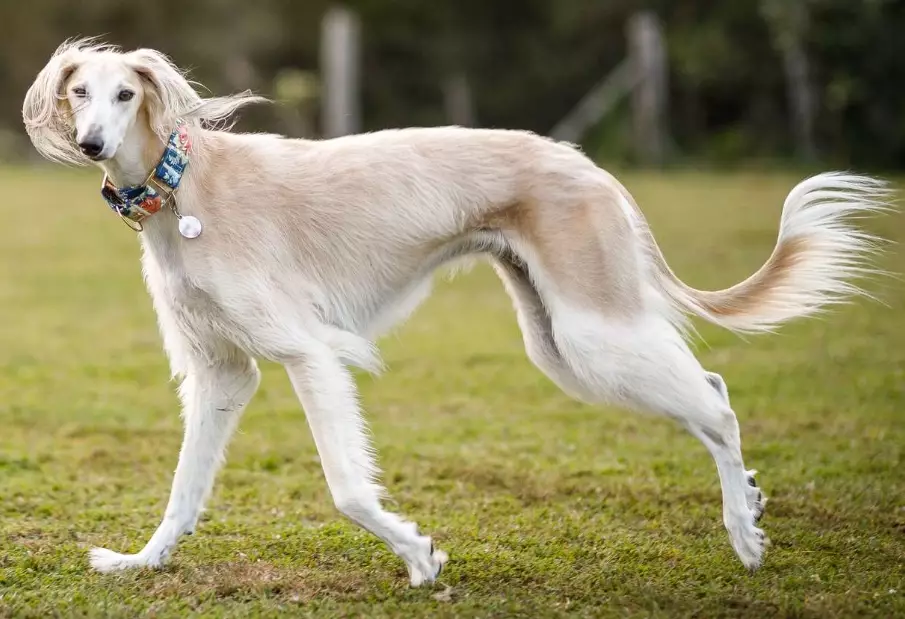
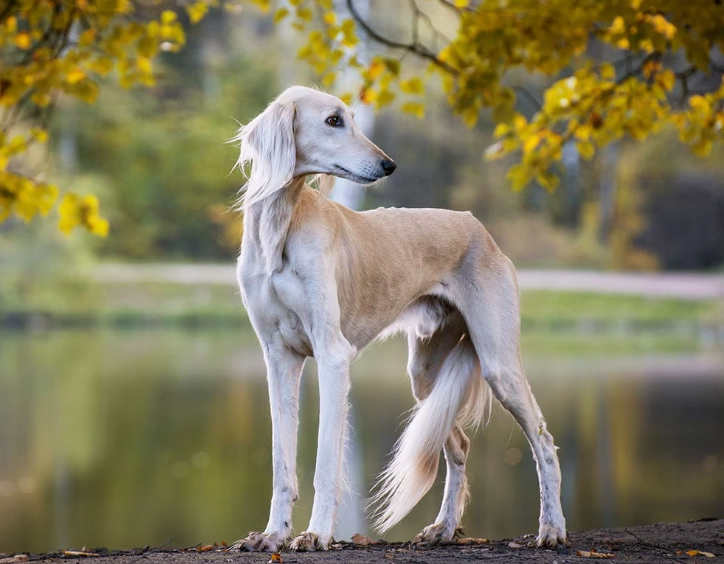
Caring for Your Saluki: A Practical Guide
Diet and Nutrition
Exercise: More Than Just a Walk
Grooming Needs
Training and Socialization
Saluki Health and Lifespan
Health Condition
Description
What You Can Do
Cardiac Issues
Some lines may be prone to certain heart conditions like cardiomyopathy.
Ask breeders for cardiac screening results (ECHO/Doppler) from the parents.
Hypothyroidism
An underactive thyroid gland, which can affect metabolism.
Simple blood test can diagnose it; easily managed with daily medication.
Cancer
Like many large breeds, they can be susceptible to various cancers, including hemangiosarcoma.
Regular vet check-ups; be vigilant for lumps, lethargy, or loss of appetite.
Bloat (GDV)
Life-threatening stomach twisting. Deep-chested dogs are high-risk.
Feed multiple small meals, no exercise around meals, know the emergency signs.
Anesthesia Sensitivity
Sighthounds have low body fat and process drugs differently.
Always inform your vet you have a sighthound. They should use sighthound-specific protocols.
Saluki vs. Greyhound: What's the Difference?
Aspect
Saluki
Greyhound
Origin
Ancient Middle East (desert hunter)
More recent, Europe (coursing/racing)
Build
More endurance-focused; lighter bone, more "racy"
More sprint-focused; powerful, muscular build
Coat
Feathered or smooth, silky texture
Always short, smooth, and dense
Temperament at Home
Reserved, aloof, quiet, "cat-like"
Often more outgoing, goofy, and openly affectionate
Prey Drive
Extremely high; independent chaser
High, but may be slightly more tractable for some
Common Source
Reputable breeders
Reputable breeders & adoption from racing retirees
Frequently Asked Questions About Salukis
Are Salukis good family dogs?
Can a Saluki live in an apartment?
Are Salukis easy to train?
Why are Salukis so expensive?
How do I find a reputable Saluki breeder?
I have a soft spot for the smooth variety. They have this incredible, almost seal-like sheen to their coat that highlights every muscle when they move. But you can't go wrong with either—they're both breathtaking.
I've lived with both. My Greyhound was a clown, always leaning on people for affection. My Saluki shows love by quietly sitting near me, offering a gentle nudge. Both wonderful, but the "feel" is different.
Comment