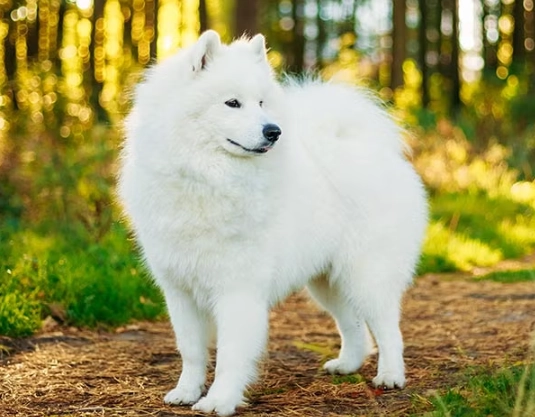
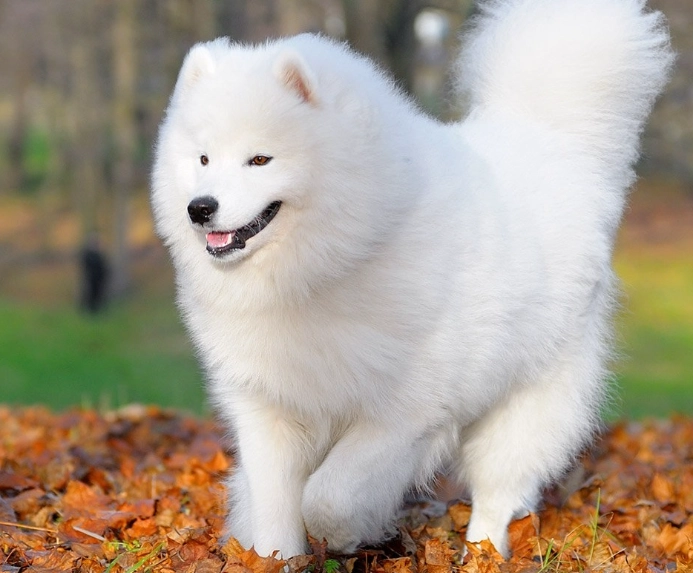
So you've fallen for the Samoyed smile. I get it. That fluffy white coat, those dark, smiling eyes, and that perpetually happy expression are basically kryptonite for dog lovers. Before I got my own Samoyed, Koda, I was exactly where you might be now—scrolling through endless adorable pictures, dreaming of that living cloud following me around. Let me tell you, the reality is both more wonderful and more... hairy... than the Instagram posts let on. This isn't just another generic breed overview. This is the guide I wish I had before bringing home my first Samoyed puppy. We're going to dig into the good, the bad, the incredibly fluffy, and answer the one question that matters most: Is a Samoyed the right dog for you and your life? The Samoyed breed hails from the brutally cold stretches of Siberia. They weren't just pets for the Samoyedic people; they were indispensable working partners. They herded reindeer, pulled sleds, and—this is the cute part—slept alongside their human families to provide warmth. That history is baked into their DNA. It explains their incredible endurance, their thick double coat (meant for -60°C temperatures), and their deeply social, pack-oriented nature. They were bred to work with people, not just for them. That "Sammy smile" you see isn't just an optical illusion. The upturned corners of their mouth help prevent icicles from forming by drool in the Arctic cold. Pretty clever, right? Every bit of them is designed for function, even if today we mostly appreciate the form. If you want a dog that's aloof or independent, look elsewhere. A Samoyed is like a furry, white shadow. They thrive on being part of the action. Left alone for too long, they can become anxious or, more commonly, creatively destructive. That intelligence needs an outlet. They're famously friendly, often to a fault. Don't expect a guard dog. Your Samoyed is more likely to greet a burglar with a wagging tail and show them where the treats are. This makes them fantastic family dogs and terrible watchdogs. They usually get along great with kids, other dogs, and even cats if raised with them, though their high prey drive can sometimes kick in with smaller, fast-moving animals. But here's a trait that doesn't get enough airtime: they are stubborn. Eager to please? Not like a Golden Retriever. They're smart and willful. Training requires patience, consistency, and a good sense of humor. Positive reinforcement is the only way to go. Yelling or harsh methods will just shut them down. They want to work with you, but on terms that sometimes need negotiation. Let's be brutally honest. No dog is perfect, and glossing over the challenges does a disservice to both you and the dog. Here’s a real breakdown. Okay, you've weighed the pros and cons and you're still in. Getting a Samoyed puppy is a 10-15 year commitment, so start right. This is the single most important step. Avoid pet stores and websites that have puppies available immediately. A good breeder's priority is the health and temperament of their dogs, not profit. The Samoyed Club of America is the official parent club in the US and maintains a breeder referral list. This is your best starting point. Samoyed puppies are fluffy land sharks. They will chew everything. Be prepared. Let's demystify Samoyed grooming. It's not optional; it's essential for their health and comfort. The Weekly Brush-Out: This is your new weekend ritual. Use a slicker brush to go through the entire coat, followed by a metal comb to check for any hidden mats, especially behind the ears, in the armpits, and around the ruff. A matted coat is painful and can lead to skin infections. The Bi-Annual Coat Blow: When the seasons change (usually spring and fall), your Samoyed will shed its entire undercoat. During this 3-4 week period, daily brushing is a must. Tools like an undercoat rake are lifesavers. You will pull out handfuls of soft, downy fur. It's satisfying, in a weird way. Bathing: Bathe only when necessary (every few months, or when they get dirty). Over-bathing strips their coat of essential oils. Use a high-velocity dryer after the bath to blow out loose hair and ensure the coat dries completely to the skin. A damp undercoat is a recipe for mats and hot spots. Samoyeds can have sensitive stomachs. A high-quality diet formulated for active, medium-to-large breeds is key. Look for real meat as the first ingredient. Whether you choose kibble, raw, or home-cooked, consult with your vet. Be mindful of portion control—they can easily become overweight, which puts stress on their joints. For reliable, science-backed information on canine nutrition, the World Small Animal Veterinary Association (WSAVA) provides guidelines that can help you ask your vet the right questions. A tired Samoyed is a good Samoyed. This cannot be overstated. While generally healthy, being aware of potential issues helps with early detection. Always maintain regular vet check-ups. Start training the day your Samoyed puppy comes home. Socialization (positive exposure to new people, places, sounds, and other animals) is critical before 16 weeks of age. Focus on these key commands: Recall (come), loose-leash walking, and a solid "leave it." Their stubbornness means you need to make training fun and rewarding. Use their favorite treats, keep sessions short, and end on a positive note. That famous Samoyed stubbornness often shows up during adolescence (around 8-18 months). They might "forget" commands they knew perfectly. Stay consistent, patient, and don't take it personally. It's a phase. Living with a Samoyed is a commitment to an active, involved, and slightly furrier lifestyle. They are not low-maintenance dogs. They demand your time, your energy, and a significant chunk of your vacuum cleaner's lifespan. But in return, you get a dog of unparalleled joy, loyalty, and character. The bond you form with a Samoyed, a breed bred for centuries to work alongside humans, is something special. That smile isn't just for show—it reflects a genuinely happy, social spirit. If you can meet their needs for exercise, grooming, and companionship, a Samoyed will fill your life with laughter, adventure, and more love (and hair) than you ever thought possible. Just go in with your eyes wide open, your brush ready, and your sense of humor intact. Do your homework, find that ethical breeder or consider a wonderful rescue from the Samoyed Rescue network. The right dog is out there. Maybe it's a smiling, fluffy Samoyed waiting to become the heart of your home.In This Guide
Introduction to the Samoyed: More Than a Pretty Face
The Samoyed Temperament: More Than Just a Pretty Face
Samoyed Pros and Cons: The Unvarnished Truth
The Good (The Really, Really Good) The Challenging (The "What Was I Thinking?" Moments) Unmatched Companionship: Their loyalty and affection are profound. You will never feel alone. Epic Shedding: They "blow" their undercoat 1-2 times a year. It's not shedding; it's a seasonal blizzard of white fur that gets everywhere. And I mean everywhere. Family-Friendly: Gentle, playful, and patient with children. They are true family dogs. High Energy & Exercise Needs: A bored Samoyed is a destructive Samoyed. They need significant daily exercise—think long walks, hikes, or runs, not just a quick potty break. Generally Healthy: Compared to many purebreds, they are a robust breed with a good lifespan (12-14 years). Vocality: They don't just bark. They "talk," howl, and make a range of dramatic noises. This is not a quiet apartment dog. Stunning Appearance: Let's not pretend it doesn't matter. Their beauty is a major draw and a constant joy. Grooming Commitment: Weekly brushing is mandatory to prevent mats. It's a bonding experience, but it's time-consuming. Intelligent & Playful: They can learn quickly and love games, puzzles, and activities. Stubborn Streak: Training requires creativity and persistence. They can be manipulative! 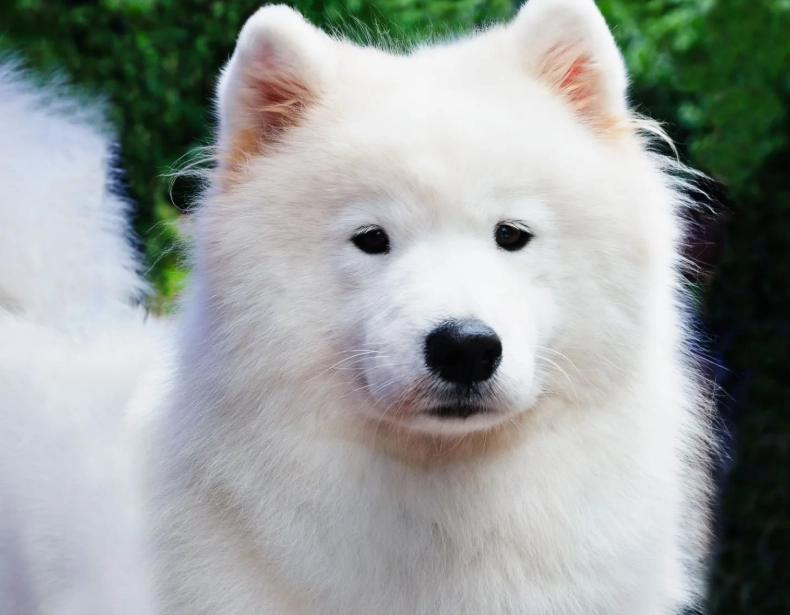
Bringing Home a Samoyed Puppy: Your Pre-Puppy Checklist
Finding a Reputable Samoyed Breeder
Puppy-Proofing and Essential Supplies
Caring for Your Samoyed: The Daily Grind (That's Actually Fun)
Grooming Your Samoyed: It's a Lifestyle
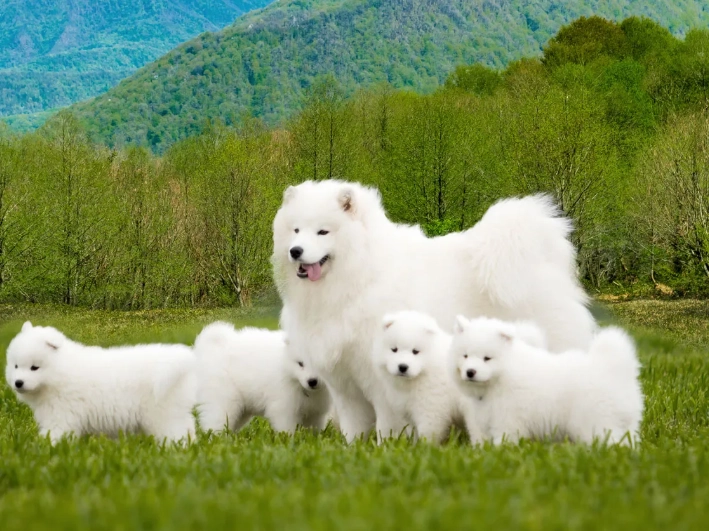
Feeding and Nutrition
Exercise and Mental Stimulation
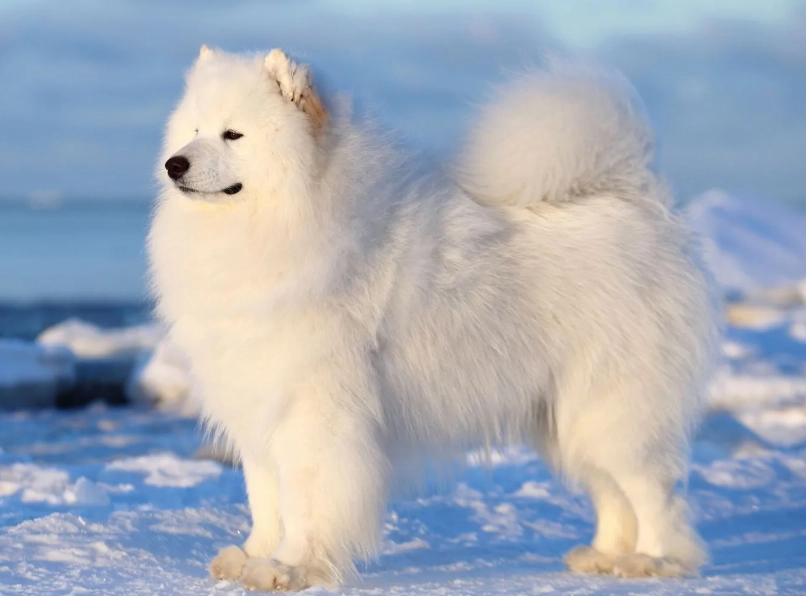
Common Samoyed Health Issues to Watch For
Training Your Samoyed: Patience is a Virtue
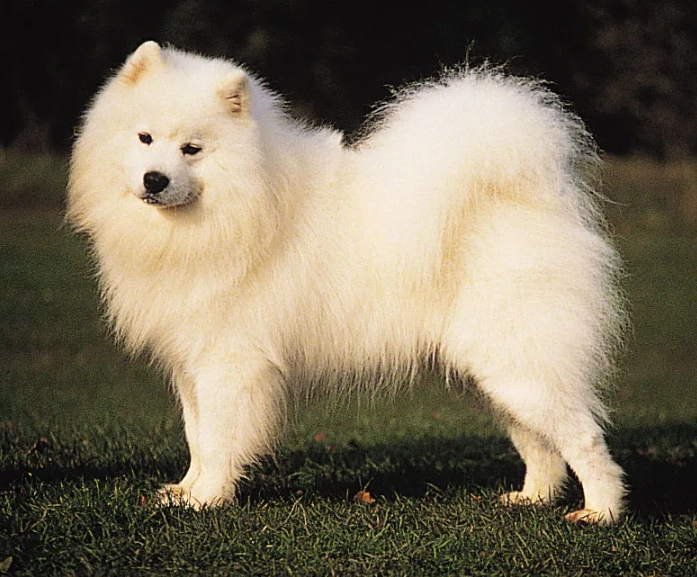
Samoyed Frequently Asked Questions (FAQs)
Final Thoughts: Is the Samoyed Right for You?
I remember the first time Koda blew his coat. I thought a polar bear had exploded in my living room. No amount of reading prepared me for the sheer volume. It was hilarious and horrifying. We'll talk about how to manage that, I promise.
Think of them as the clever, charismatic friend who's always up for an adventure but might debate the route you take.
If your ideal weekend involves lounging on the couch for 48 hours straight and you find the idea of daily brushing tedious, a Samoyed will make you miserable. They demand an active, engaged lifestyle.
Must-Have Shopping List:
My first bath with Koda was a disaster. I didn't have the right dryer, and he was damp for days. We ended up with a small mat near his tail that took ages to comb out. Lesson learned: the right tools make all the difference.
Training a Samoyed isn't about domination. It's about becoming a trusted leader of their pack.
Are Samoyeds good apartment dogs?
It's possible, but not ideal. They are adaptable if their exercise needs are met without fail. However, their size, energy, and tendency to vocalize (bark, howl, talk) can make apartment living challenging for you and your neighbors. A house with a securely fenced yard is the better scenario.
How bad is Samoyed shedding, really?
It's as bad as you've heard, but manageable with routine. For about 50 weeks of the year, it's moderate—you'll find white fur on your clothes and furniture. For 2-4 weeks during a coat blow, it's extreme. Daily brushing during this time is the only way to keep the fur-pocalypse contained. Invest in a good robot vacuum.
Do Samoyeds smell?
Generally, no! Their coat has a unique texture that tends to repel dirt and odor. A clean, well-brushed Samoyed often just smells... clean. If they start to smell, it's usually a sign they need a bath, have a skin issue, or have problems with their ears or teeth.
Can Samoyeds be left alone?
Not for long periods. They are companion dogs and suffer from separation anxiety if left alone for 8+ hours daily. If you work full-time outside the home, you'll need a dog walker, daycare, or another pet for company. A lonely, bored Samoyed will express their discontent through destructive chewing.
Are Samoyeds easy to train for first-time owners?
They can be a challenge for a first-timer. Their intelligence and independence require a confident, patient owner who is committed to consistent, positive training methods. If you're a novice, be prepared to enroll in puppy classes and possibly seek help from a professional trainer who understands spitz-type breeds.
Comment