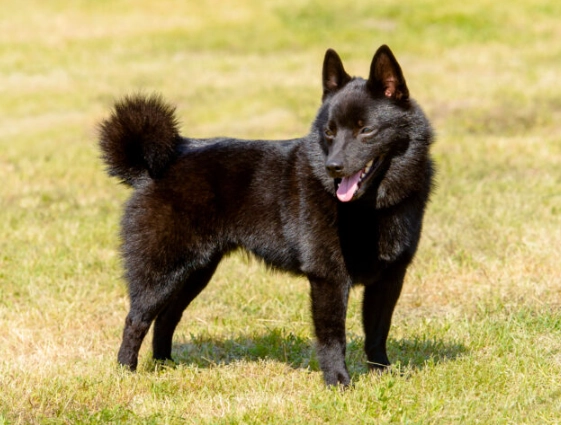
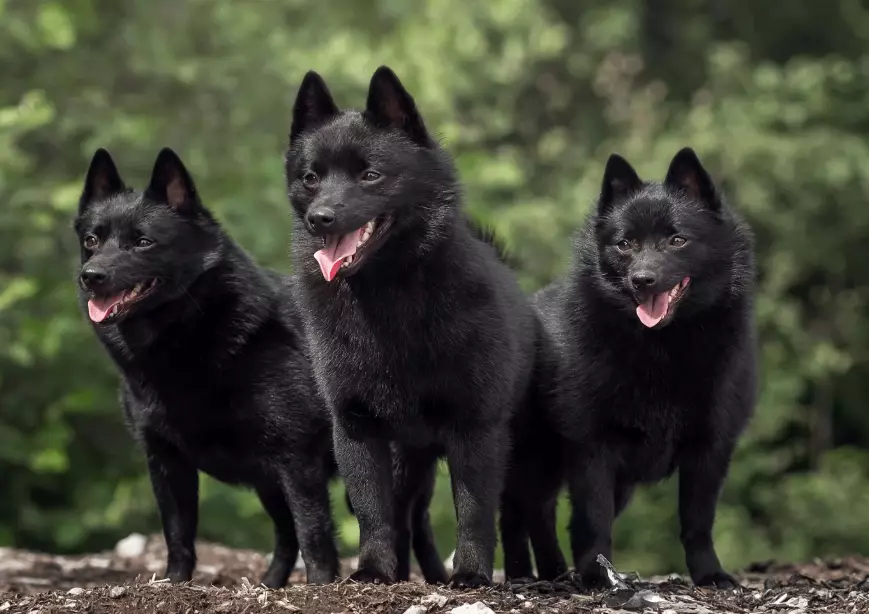
Let's talk about the Schipperke. You might have seen one – a small, black, fox-like dog with a mischievous glint in its eye and a tail that's... well, often missing. Or maybe you just stumbled upon the name and wondered how on earth you pronounce it (it's "SKIP-er-kee," by the way). I remember the first time I met one at a dog show. It wasn't barking incessantly like some of the other small breeds; it was just standing there, utterly alert and observing everything with an unnerving intelligence. I was hooked. This isn't just another fluffy companion dog. The Schipperke is a breed with a serious work ethic packed into a compact, almost tailless frame. Originally bred as a watchdog and ratter on Belgian canal barges (that's where the "little captain" nickname comes from), they've traded waterways for suburbs, but they haven't lost an ounce of their spirit. If you're considering adding one to your family, you need to know what you're signing up for. This isn't a couch potato. This is a tiny, black tornado of curiosity and energy. To understand the Schipperke, you have to go back to 16th century Belgium. They're believed to have descended from a larger Belgian sheepdog, the Leauvenaar. Barge captains and tradesmen needed a versatile dog: one that could guard the boat, keep rats and mice under control, and be a loyal companion during long journeys. The Schipperke was their answer. They were the ultimate utility dog of the canals. Their small size was perfect for tight spaces on deck, their dense black coat protected them from the damp and cold, and that famous tailless (or very short-tailed) rear? Legend has it a bargee, angry that his dog's tail kept knocking things over, simply chopped it off. The look caught on. More likely, it was a natural genetic trait that was selectively bred for, both for practicality and the distinctive look. The breed club in Belgium, the Schipperke Club of Belgium, has maintained the breed standard for over a century, fiercely protecting its working origins. They became a fashion statement in Brussels in the 1690s, and eventually made their way to England and America. The American Kennel Club recognized the Schipperke in 1904. But despite their long history, they've never become wildly popular, which in my opinion, is a good thing. It's kept them from being overbred and has preserved a lot of their original character. Okay, let's get the visual. Imagine a small, sturdy dog, weighing between 10 to 16 pounds. They have a distinctive silhouette: a fairly flat skull, a foxy face with a pointed muzzle, and small, triangular ears that stand straight up. The eyes are dark, oval, and oh-so-expressive. But the most talked-about feature is the rear end. Most Schipperkes are born either tailless or with a very short stub. Some are born with a longer tail, which is often docked in countries where it's still permitted to match the breed standard. This unique feature gives them a perky, rounded backend that's completely covered in a longer ruff of hair, creating their characteristic "skirt" or "cape." It's a key part of their look. The coat is a double coat. A soft, dense undercoat keeps them warm, and a harsh, straight outer coat lies flat against the body. And yes, it's almost always solid black. You might very rarely see a cream or blonde Schipperke, but these are not accepted in the show ring under the AKC standard. That jet-black coat sheds. A lot. Twice a year, during "blow-out" seasons, you'll be vacuuming up what looks like enough hair to make another small dog. Weekly brushing is non-negotiable. This is where things get interesting. If you want a lapdog that just wants to cuddle all day, look elsewhere. The Schipperke temperament is a fascinating mix of contradictions. They are intensely loyal and form a deep, almost possessive bond with their family. They'll follow you from room to room, not necessarily for affection, but to supervise. They have to be in the middle of everything. This loyalty translates into a strong protective instinct. They are excellent watchdogs. I mean, really excellent. A stranger at the door will be announced with a surprisingly loud, sharp bark. This can tip over into nuisance barking if not managed from puppyhood. They're also incredibly curious and energetic. A bored Schipperke is a destructive Schipperke. They will find their own entertainment, and you probably won't like their choice of hobby (think: redecorating your couch cushions, excavating the backyard, or conducting a thorough inventory of your trash can). With other pets, it's a mixed bag. Raised with them from puppyhood, they can do fine with other dogs and even cats. But their high prey drive means small, fast-moving animals (squirrels, rabbits, guinea pigs) are always going to be a trigger. They can be bossy with other dogs, especially larger ones, completely unaware of their own small stature. So, what's it actually like to have one of these little characters running your life? A quick pee break in the yard isn't enough. A Schipperke needs real mental and physical stimulation. Aim for at least 45-60 minutes of activity per day. This should be a mix: I made the mistake of thinking my first Schip, Max, would be happy with just walks. He started inventing his own sports, like "see how many socks I can steal and hide in one afternoon." Lesson learned. Start training and socializing the day you bring your Schipperke puppy home. Expose them to different people, places, sounds, and other friendly dogs. This helps curb their natural wariness of strangers. Focus on the essentials first: Easy? No. They're smart, which is different. They learn commands quickly, but they also quickly learn what they can get away with. They have an independent streak. Training a Schipperke is less about issuing orders and more about convincing them that what you want is also what they want. It's a partnership, not a dictatorship (though they'll often try for the latter). That beautiful black coat needs work. Weekly brushing with a slicker brush and an undercoat rake (especially during shedding season) will keep loose hair under control and prevent mats. They don't need frequent baths – maybe every 2-3 months or when dirty. Over-bathing strips their natural oils. Don't forget the basics: trim nails regularly, check and clean ears weekly, and brush teeth often. Generally, they are a healthy, long-lived breed (often 13-15 years or more). But like all purebreds, they have some predispositions. Being aware is key to early detection. The single most important thing you can do is get your Schipperke from a breeder who does health testing. The Orthopedic Foundation for Animals (OFA) and the Canine Health Information Center (CHIC) are great resources. A good breeder will openly share these results. If they brush off your questions about health clearances, walk away. Let's cut to the chase. A Schipperke is NOT for everyone. They're a niche breed for a reason. Ask yourself these questions: A Schipperke might be perfect for you if: You want a small but athletic companion for hikes, you're interested in dog sports, you value a sharp watchdog, and you enjoy a dog with a big, quirky personality. You're looking for a best friend, not just a pet. You should probably reconsider if: You want a low-energy cuddle bug, you're gone for 9+ hours a day, you have very young children (their small size makes them fragile, and they don't always appreciate clumsy handling), or you need a dog that will always obey instantly. If you've read this far and are still excited, great! Now, do it right. This is non-negotiable. Avoid pet stores and online marketplaces like Craigslist. These are almost always puppy mills or backyard breeders. A good breeder's goal is to better the breed, not just make money. They will: Start with the national parent club. In the U.S., that's the Schipperke Club of America. They have a breeder referral list and a code of ethics members must follow. This is a wonderful option. Adult dogs in rescue often come with known personalities and may already have some training. The Schipperke Club of America also has a rescue network. There are also independent breed-specific rescues. You're giving a second chance to a great dog. Living with a Schipperke is never dull. They'll make you laugh with their antics, impress you with their cleverness, and frustrate you with their stubbornness. They'll be your shadow, your alarm system, and your most opinionated friend. That intense, fox-like gaze seems to look right into you. They're not the easiest dog, but for the right person, they are among the most rewarding. They demand engagement, respect, and a sense of adventure. If you can provide that, you'll gain a loyal, spirited companion unlike any other. Just be prepared to find black hair on your dark suits forever, and to have your life quietly, firmly, and wonderfully taken over by a little black dog with a huge presence. Maybe that's the real secret of the Schipperke. They don't just live in your home; they captain it.In This Guide
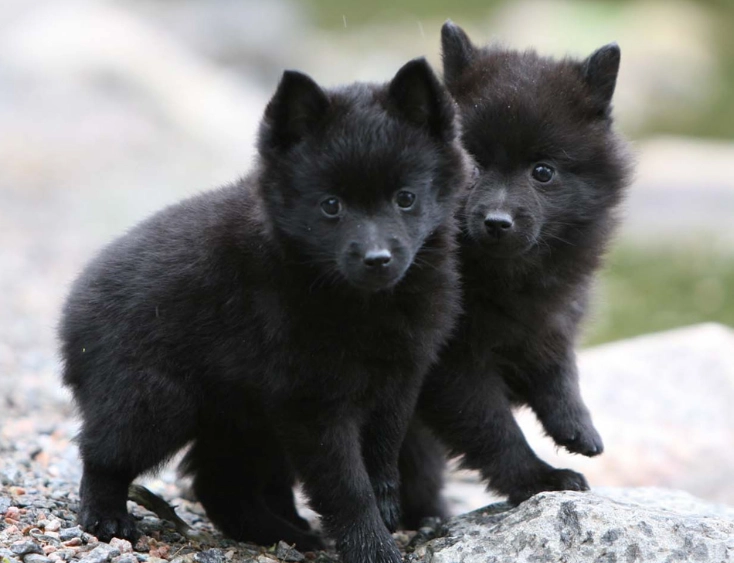
Where Did This Little Black Dog Come From? A Quick History
What Does a Schipperke Look Like? Beyond the "Black Fox"
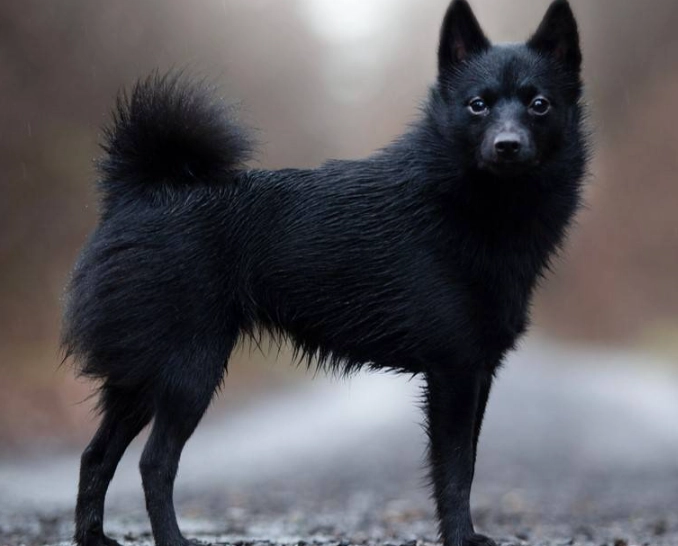
The Tail Tale
The Schipperke Personality: Don't Let the Size Fool You
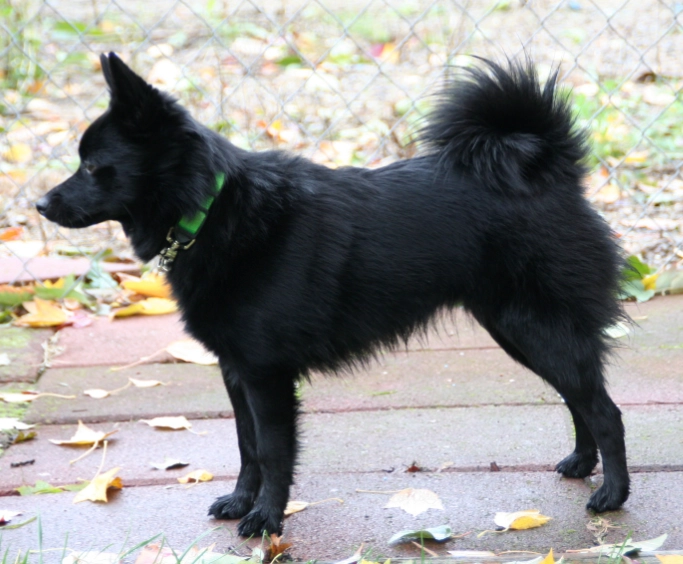
Living with a Schipperke: The Day-to-Day Reality
Exercise Needs: More Than a Walk Around the Block
Training: Be the Captain of Your Own Ship
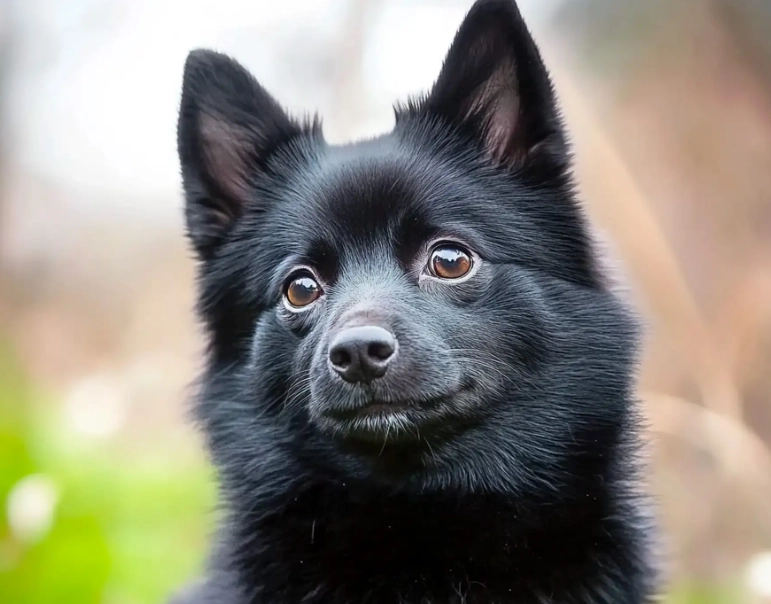
Are Schipperkes easy to train?
Grooming: It's Not Just About Looks
Common Schipperke Health Issues: What to Watch For
Health Condition What It Is What You Can Do Mucopolysaccharidosis Type IIIB (MPS IIIB) A rare but serious inherited metabolic disorder. Symptoms (neurological decline) usually appear between 2-4 years. Reputable breeders test their breeding stock for this genetic mutation. Always ask for proof of clear parentage. Hypothyroidism Underactive thyroid gland, leading to weight gain, lethargy, and skin issues. Manageable with daily medication. Diagnosis is via a simple blood test at your vet. Patellar Luxation The kneecap slips out of place. Common in many small breeds. You might see them skip or hold up a leg for a few steps. Keep your Schip at a healthy weight. Severe cases may require surgery. Legg-Calvé-Perthes Disease Degeneration of the hip joint ball, causing pain and limping. Usually appears in young dogs (4-12 months). Requires veterinary diagnosis and often surgery. Eye Problems Progressive Retinal Atrophy (PRA), cataracts. Annual vet check-ups should include an eye exam. Breeders should have dogs' eyes certified by organizations like the OFA. Is a Schipperke the Right Dog for You? The Honest Checklist
Finding a Schipperke Puppy or Rescue
Finding a Reputable Breeder
Considering Schipperke Rescue
Final Thoughts: The Unforgettable Schip
So, what's the big deal? Owning a Schipperke is a unique experience. They're fiercely loyal, incredibly smart, and have personalities ten times their size. But get it wrong, and you could end up with a noisy, stubborn little dictator on your hands. This guide is here to walk you through everything – the good, the bad, and the downright hairy – about life with a Schip.
Here's the catch: That same intelligence and independence that made them great problem-solvers on barges can make them stubborn and manipulative. They test boundaries. They remember if you let them get away with something once. Training requires patience, consistency, and a good sense of humor. They get bored with repetitive drills. Positive reinforcement with high-value treats works wonders; harsh corrections will just make them shut down or become sneaky.
It's worth the wait to find the right source.
Comment