Let's be honest, the first time you see a Scottish Deerhound, you might do a double-take. Is it a dog? A small, shaggy horse? Some kind of noble, windswept spirit from the Scottish moors? Probably all of the above. I remember visiting a friend who had one, and I spent the first ten minutes just trying to process its size. It wasn't just tall; it was elongated, like a greyhound that got stretched in a very gentle, aristocratic way. It spent most of the visit draped elegantly over a couch that was clearly too small, looking at me with these deep, wise eyes that seemed to know a few centuries' worth of secrets. That's the thing about the Scottish Deerhound. They have this aura. They're not your average backyard buddy. Owning one feels less like having a pet and more like being the custodian of a living piece of history. But is that history compatible with modern life? Can a dog bred to chase down massive red deer really be happy in a suburban home? That's what we're going to dig into. This isn't just a breed profile you've skimmed a dozen times. We're going to talk about the reality—the breathtaking beauty, the heart-wrenching downsides, the daily grind, and the unparalleled joy of sharing your life with a canine legend. To understand the Scottish Deerhound, you have to go back. Way back. We're talking ancient times. References to rough-coated, giant hounds used for deer coursing in Scotland pop up in records and lore for centuries. They were the exclusive property of Scottish chieftains and nobility—literally, for a time, no one ranked lower than an earl was permitted to own one. Can you imagine? Your dog's status was a legal symbol of your social rank. They weren't just hunting partners; they were symbols of power, prestige, and protection. The job was brutal: to pursue, outrun, and bring down the formidable red deer, often in the rugged, unforgiving terrain of the Scottish Highlands. This required a specific toolkit: incredible speed (they're one of the fastest dog breeds, second arguably only to the Greyhound), massive strength, keen sight, and a wiry, protective coat. But perhaps most crucially, it required a specific temperament. The hunt was a partnership with the hunter on horseback. The dog needed to be independent enough to work at a distance, yet biddable enough to be called off. This created a fascinating paradox in the breed's soul that persists today. By the 19th century, as organized deer hunts declined, the breed nearly vanished. It was the passion of a few dedicated enthusiasts, like Archibald and Duncan McNeill, that saved the Scottish Deerhound from extinction. They selectively bred the remaining dogs, emphasizing not just hunting ability but the noble character and appearance we associate with them now. This brush with oblivion is part of why they remain relatively rare today. You're not just getting a dog; you're helping preserve a genetic and historical treasure. The American Kennel Club (AKC) breed standard and the The Kennel Club (UK) breed pages are great places to see the formal blueprint of this living artifact. Everyone calls them "gentle giants." It's cliché, but with the Scottish Deerhound, it's a cliché for a reason. However, that label can be a bit misleading if you don't unpack it. The gentle part is overwhelmingly accurate. Inside the home, they are famously calm, quiet, and profoundly sensitive. They are not barkers. They are not guard dogs—a stranger at the door is more likely to be greeted with a polite sniff than a warning growl. They form deep, almost reverent bonds with their family. They are known for being wonderful with considerate children, often displaying a patient, tolerant nature. Their sensitivity means they do not respond well to harshness or loud conflict; a sharp word can crush them where another breed might shrug it off. The giant part is non-negotiable. We're talking about a dog where males typically stand at least 32 inches at the shoulder and can weigh 85-110 pounds. Females are smaller but still impressively large. They are built for efficient, explosive speed: a deep chest, a arched loin, long legs, and a body that's longer than it is tall. Now, here's the nuance the "gentle giant" tag misses: the hunter. This is not a plodding, lazy mastiff-type giant. The Scottish Deerhound is a sighthound, wired for the chase. When that instinct kicks in outdoors, the gentle, couch-draping philosopher vanishes, replaced by a focused, lightning-fast athlete. This is the core duality of the breed. Managing this instinct—through secure fencing and leash discipline—is the single biggest practical challenge of ownership. So, what does this all translate to in day-to-day life? This is where romanticism meets reality. Loving the idea of a Scottish Deerhound is easy. Being prepared for the responsibility is harder. That rough, wiry coat is weather-resistant and doesn't have a strong "doggy" odor. It's also deceptively high-maintenance. It's not about daily long sessions, but about consistent, correct technique. A secure fence is non-optional. I cannot stress this enough. A standard 4 or 5-foot wooden fence is often not enough for a determined Deerhound who has spotted prey. They are incredible jumpers and climbers. A minimum 6-foot solid fence (no see-through chain link they can climb) is the baseline recommendation. Many owners opt for even taller fencing or dedicated, fully enclosed runs. Letting a Scottish Deerhound off-leash in an unsecured area is an almost guaranteed way to lose them, potentially with tragic consequences. Their recall is famously selective when the chase is on. Their exercise needs are often overstated in terms of duration but understated in terms of intensity. They need mental stimulation and the chance to stretch their legs safely. A long leash walk for sniffing and a weekly trip to a secure field or fenced dog park for a full-speed run can be a good rhythm. This is the most difficult part of writing about Scottish Deerhounds. For all their grace, they are not a robust breed in terms of longevity or health. Being a giant breed comes with inherent challenges, and being a rare breed can concentrate certain genetic issues. Here are the major health concerns any reputable breeder will be testing for: Finding a breeder who does all of this health testing—and shows you the certificates—is the most important step you can take. It doesn't guarantee a healthy dog, but it stacks the odds in your favor. Expect to be on a waitlist and to pay a significant price that reflects this responsible breeding (often several thousand dollars). This upfront cost is nothing compared to the emotional and financial cost of a poorly-bred, sick dog. Let's move beyond breed traits to your life. Ask yourself these questions honestly. If you're nodding yes to all of that, then you might just be the right kind of peculiar person for this peculiar and magnificent breed. Let's tackle some of the specific things people type into Google. So, there you have it. The Scottish Deerhound in all its complex, shaggy, heartbreaking, and magnificent glory. They are not for everyone. In fact, they are probably not for most people. But for the right person—someone with space, patience, a secure yard, a sturdy couch, and a heart big enough to love deeply knowing the pain will come sooner—they are quite simply unlike any other dog on earth. They are a whisper from the past, a gentle shadow in your home, and a fleeting, breathtaking gift.Your Deerhound Companion Guide
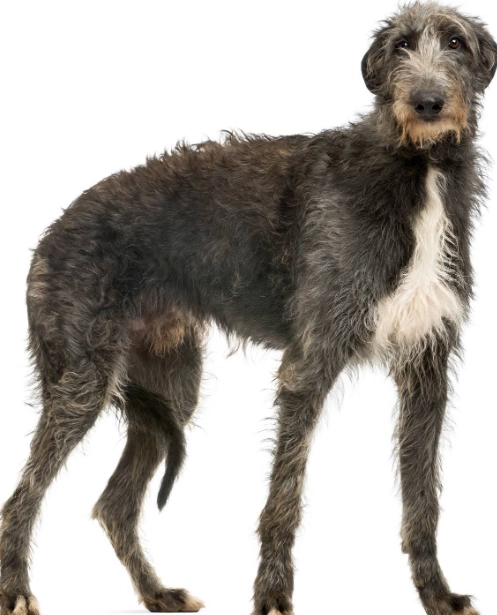
From Highland Hunter to Heartside Companion
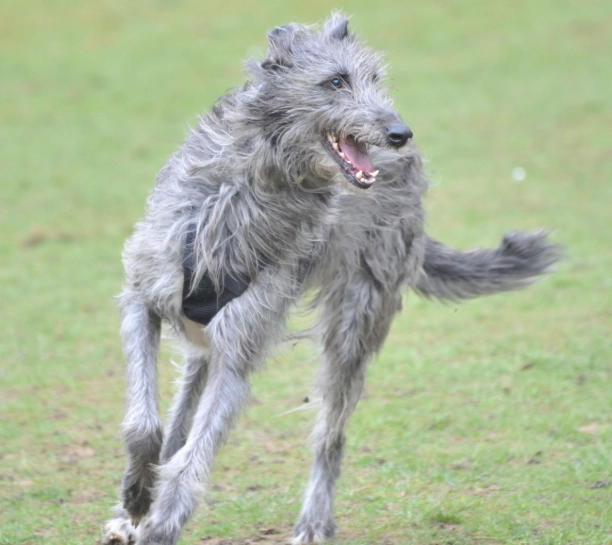
Breaking Down the "Gentle Giant" Myth (It's Mostly True)
Personality in Practice: What It's Really Like to Live With One
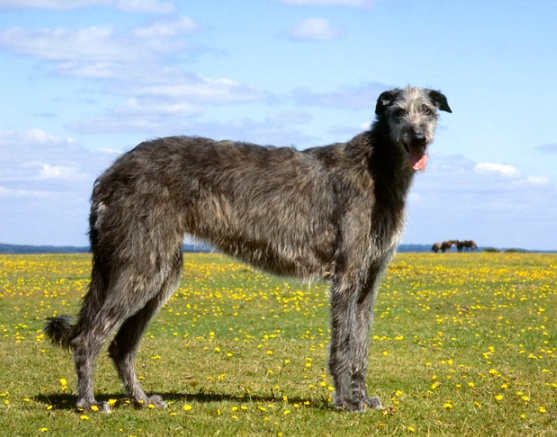
The Nitty-Gritty: Care, Health, and the Real Costs
Grooming: It's Not Just Brushing
Exercise & Space: It's About Quality, Not Just Quantity
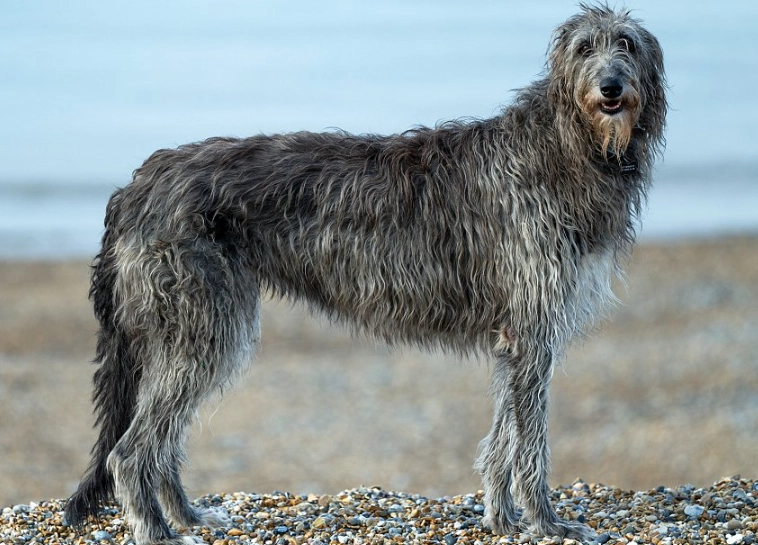
Health Considerations: The Heartbreaking Truth
Health Condition
Description
What Responsible Breeders Do
Cardiac Issues (DCM)
Dilated Cardiomyopathy is a leading cause of death. The heart muscle becomes enlarged and weak.
Perform regular cardiac screenings (echiocardiograms) on breeding stock. The Orthopedic Foundation for Animals (OFA) maintains a cardiac database.
Bone Cancer (Osteosarcoma)
Tragically common in large and giant breeds. It is aggressive and has a poor prognosis.
There is no direct screening test, but breeders track lineage history and support research into causes and genetics.
Bloat (GDV)
Life-threatening stomach torsion. A deep-chested breed emergency.
Educate owners on prevention: feeding multiple small meals, avoiding exercise around meals, and knowing the emergency signs.
Liver Shunt
A congenital blood vessel abnormality affecting the liver.
Screen breeding stock via bile acid tests.
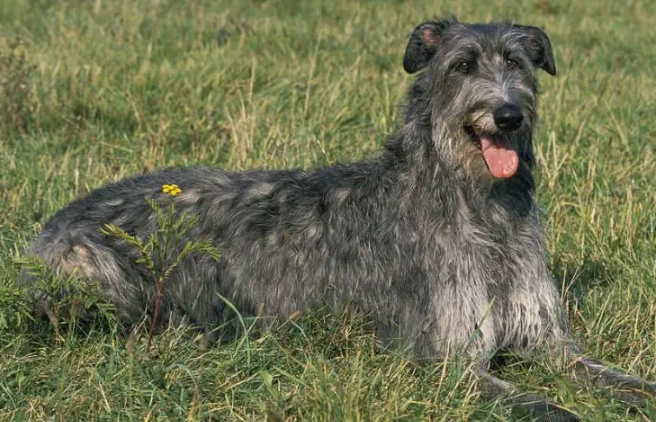
Is a Scottish Deerhound Right For You? The Honest Checklist
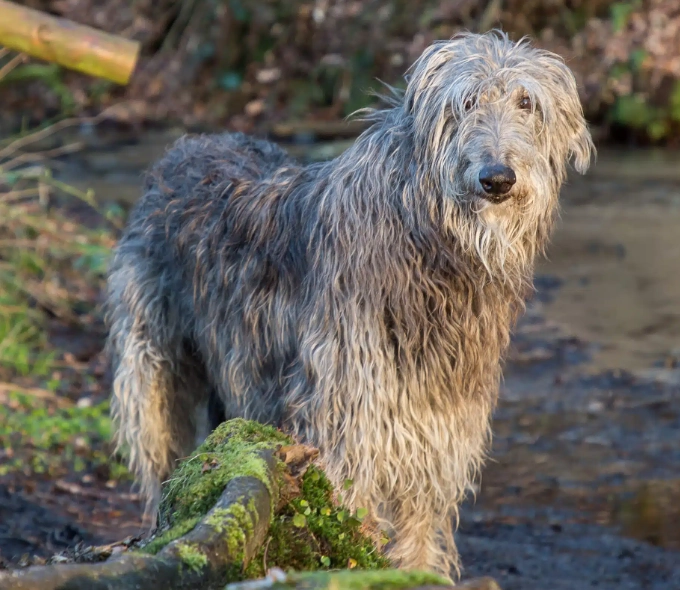
Scottish Deerhound FAQ: Your Top Questions, Answered
A Name With History: They've been called the "Royal Dog of Scotland," the "Scottish Greyhound," and historically, just the "Rough Hound." The name "Deerhound" solidified as their primary quarry and purpose became synonymous with the breed.
My friend's Deerhound, the one I mentioned, was the calmest soul indoors. But once, a squirrel darted across the far end of their large, fenced yard. The transformation was instantaneous and breathtaking. One second he was ambling, the next he was a blur of silent, focused motion. The fence stopped him, but the intensity of that focus was a powerful reminder of what lies beneath the shaggy exterior.
Prospective Owner Reality Check: The average lifespan of a Scottish Deerhound is heartbreakingly short, typically only 8 to 10 years. Some pass even earlier. You must go into ownership with your eyes open to this profound emotional cost.
Are Scottish Deerhounds good apartment dogs?
Surprisingly, maybe, but with massive caveats. Their indoor energy is low. However, you must have immediate, easy access to safe outdoor space for potty breaks and walks. Getting a giant dog in and out of an elevator, through hallways, and managing their space in a small apartment is a logistical challenge. A ground-floor home with a patio leading to a secure yard is a far, far better setup.
How fast can a Scottish Deerhound run?
Extremely fast. While exact top speeds are hard to pin down, they are capable of reaching speeds comparable to Greyhounds—well over 35 miles per hour. Their acceleration from a standstill to top speed, especially on rough ground, was their hunting specialty.
What's the difference between a Scottish Deerhound and an Irish Wolfhound?
They're cousins, often confused. The Irish Wolfhound is generally taller and heavier, with a rougher coat and a slightly more varied history (wolves, elk). The Scottish Deerhound is more refined and racy in build, built for speed and agility over pure power. Temperamentally, they share the "gentle giant" nature, but Wolfhounds can be a tad more outgoing and clownish, while Deerhounds are often described as more reserved and sensitive.
Are they easy to train?
No, not in the traditional "obedience champion" sense. They are intelligent but independent. They respond brilliantly to positive, reward-based methods (especially food!). Harsh corrections will shut them down completely. Focus on essential life skills (house training, leash manners, a reliable recall in controlled environments) and managing their prey drive. Think "mutual respect" rather than "strict obedience."
Where can I find a Scottish Deerhound?
First choice: A reputable breeder. Start with the national breed club. In the US, that's the Scottish Deerhound Club of America (SDCA). Their breeder referral list is the best place to start. Meet breeders, ask endless questions about health testing, and expect to be interviewed just as thoroughly.
Second choice: Breed-specific rescue. The SDCA also has a rescue network. Deerhounds in rescue are rare, but they do appear, often as adults whose owners underestimated their needs. Adopting a rescue can be incredibly rewarding but may come with unknown health or behavioral baggage.
Avoid pet stores, online marketplaces, or any breeder who doesn't prioritize health testing above all else.
Comment