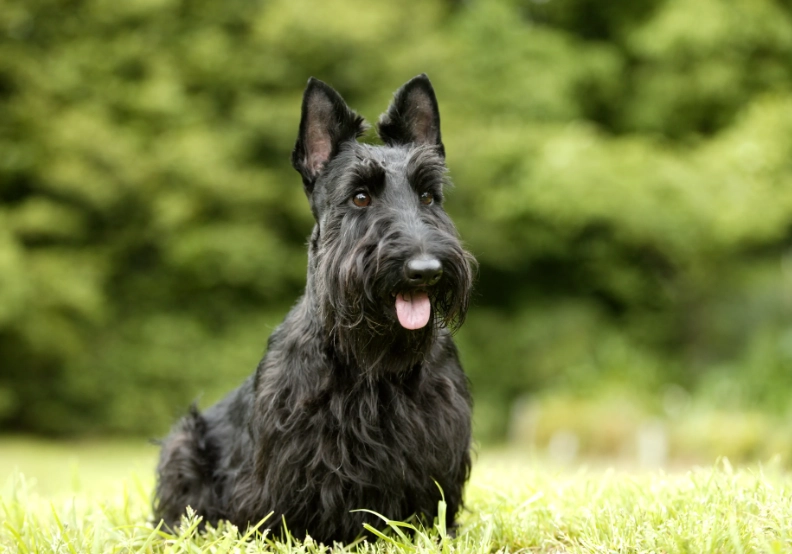
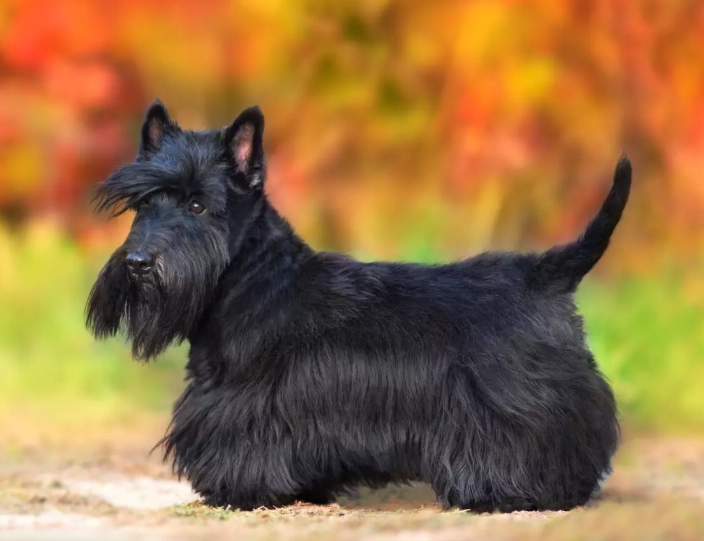
So you're thinking about getting a Scottish Terrier? Let's be real, that picture of a dignified little dog with a beard and pointy ears is pretty iconic. I remember my neighbor had one named Angus when I was a kid. That dog had an attitude bigger than he was, fiercely loyal to his family and deeply suspicious of the mailman. He was a character. Scottish Terriers, or "Scotties" as everyone calls them, are so much more than just a cute face or a mascot for a certain brand of whiskey. They're a whole package of personality, stubbornness, and loyalty wrapped in a wiry, low-to-the-ground coat. This isn't just another fluffy dog breed overview. If you're seriously considering sharing your home with a Scottish Terrier, you need to know what you're signing up for. They're not golden retrievers. They're independent, can be willful, and have specific needs. But for the right person, they are an utterly devoted and endlessly entertaining companion. This guide is going to dig deep (they love to dig, by the way) into everything Scottie. From their history chasing vermin in the Scottish Highlands to the nitty-gritty of stripping their coat, their common health headaches, and how to train a dog that sometimes seems to think it's smarter than you are. Bottom line up front: A Scottish Terrier is not a low-maintenance, easy-going first dog. They are a bold, confident terrier with a mind of their own. They require an owner who appreciates their independence and is patient enough to work with it, not against it. Forget the stoic statue image. Living with a Scottie is a daily adventure. The official breed standard from the American Kennel Club (AKC) describes them as "alert, quick moving, and powerful for size." That's a polite way of saying they're little powerhouses with a strong sense of self. Let's break down that famous Scottie temperament. They are incredibly loyal to their immediate family. My neighbor's Angus would follow his owner around the garden like a shadow. But that loyalty often comes with a side of aloofness or wariness around strangers. They're not typically the dog that greets every guest with a wagging tail and a lick. They prefer to assess the situation from a distance first. This isn't aggression, it's a dignified reserve that's baked into their terrier genes. They're also brave to a fault. Bred to go into burrows after foxes and badgers, they have no concept of their own small size. This can be a problem if they decide to pick a fight with a much larger dog at the park. Supervision is key. And then there's the independence. Oh, the independence. A Scottish Terrier will often listen to you because they've decided your command aligns with what they wanted to do anyway. Training requires creativity, high-value treats, and a sense of humor. They get bored with repetition easily. Is a Scottish Terrier the right dog for you? Look, every breed has trade-offs. Here’s a brutally honest table to help you decide. See what I mean? It's a mix. If the cons list sounds like deal-breakers, a Scottie might not be for you. But if the pros light you up, read on. Owning a dog is a daily commitment, and Scottish Terriers have some specific requirements you need to weave into your routine. This is probably the biggest commitment with a Scottie. They have a double coat: a soft, dense undercoat and a hard, wiry outer coat. If you just let it grow, it gets long, soft, and can mat easily. To keep it looking and feeling right, you have two main options: Whichever you choose, you'll also need to: Pro Tip: Start grooming your Scottish Terrier puppy the day you bring them home. Get them used to being brushed, having their paws handled, and the sound of clippers. Make it a positive experience with treats and praise, and you'll save yourself a lifetime of struggle. Scotties are prone to obesity. Those short legs carry weight poorly, and extra pounds put stress on their joints and back. You must measure their food and limit treats. A high-quality, age-appropriate dog food is essential. Many Scottie owners and breeders recommend foods with good, identifiable protein sources and without excessive fillers. Some Scotties can have sensitive skin or allergies, so you might need to try a few brands to see what works best for your dog. Always consult your vet for personalized advice. How much should you feed? Follow the guidelines on the bag, but use your eyes and hands. You should be able to feel their ribs without a thick layer of fat. If you see a waist from above, you're on track. A tired Scottie is a good Scottie. They have moderate energy, but it's a terrier energy. A simple walk around the block won't always cut it. They need mental stimulation to go with the physical. This is where many first-time Scottie owners hit a wall. You can't use force or harsh methods with these dogs. They will shut down or become stubbornly resistant. Positive reinforcement is the only way. Start early. Puppy socialization classes are absolutely critical for a Scottish Terrier. They need to be exposed to all sorts of people, dogs, sounds, and surfaces during their key developmental window (roughly 8-16 weeks). This helps curb their natural wariness and builds confidence. A well-socialized Scottie is a much more pleasant companion. Keep it short and fun. Five-minute training sessions several times a day are better than one long, boring session. Use their favorite treats (cheese, chicken, hot dog bits) as currency. Focus on the essentials first: Name recognition, sit, down, come, and loose-leash walking. "Come" is a particularly important one for safety, given their chasing instincts. Practice in a secure, fenced area with high rewards. Scottish Terriers are generally robust little dogs with a lifespan of 12-15 years. However, like all purebreds, they have some predispositions to certain health conditions. Being aware of them means you can watch for early signs and work with your vet on prevention. Here are the main health concerns associated with the breed: The single most important thing you can do? Find a reputable breeder who does health testing on their breeding dogs. The Scottish Terrier Club of America's breeder referral is a good place to start. A good breeder will be happy to show you health clearances for hips, eyes, and vWD, and will be invested in the lifelong health of their puppies. If you've read this far and are still excited, the puppy search begins. Please, do not buy a Scottish Terrier puppy from a pet store or a website that ships puppies with no questions asked. These are almost always puppy mills. You'll likely get a sick, poorly socialized dog with a host of genetic problems. A responsible breeder will: Expect to be on a waiting list. Good breeders don't have litters constantly; they plan them carefully. Consider Adoption: Don't overlook breed-specific rescues! Organizations like Colonial Scottish Terrier Rescue or others listed on the STCA website specialize in rehoming Scotties of all ages. An adult dog can be a wonderful choice—their personality is already developed, and you can skip the intense puppy phase. Bringing a Scottish Terrier into your life is a commitment to a unique and strong-willed companion. They demand more than just food and a walk—they demand understanding, patience, and a good sense of humor. But in return, they offer a loyalty and a distinctive character that is truly unmatched. If you're the right match for a Scottie, you'll have a funny, brave, and endlessly devoted little friend by your side for many years to come. Do your homework, find a great breeder or rescue, and get ready for life with a dog that has more personality per square inch than just about any other breed out there. Good luck!Quick Guide
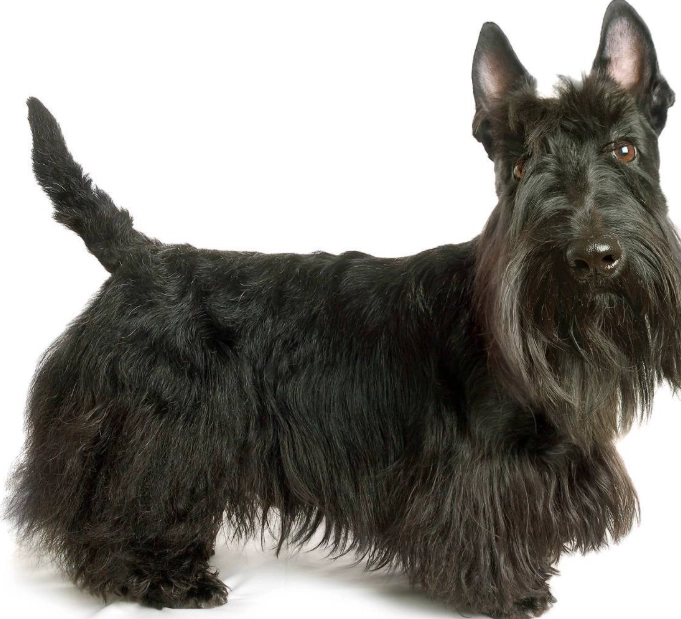
What's a Scottish Terrier Really Like? Personality and Temperament
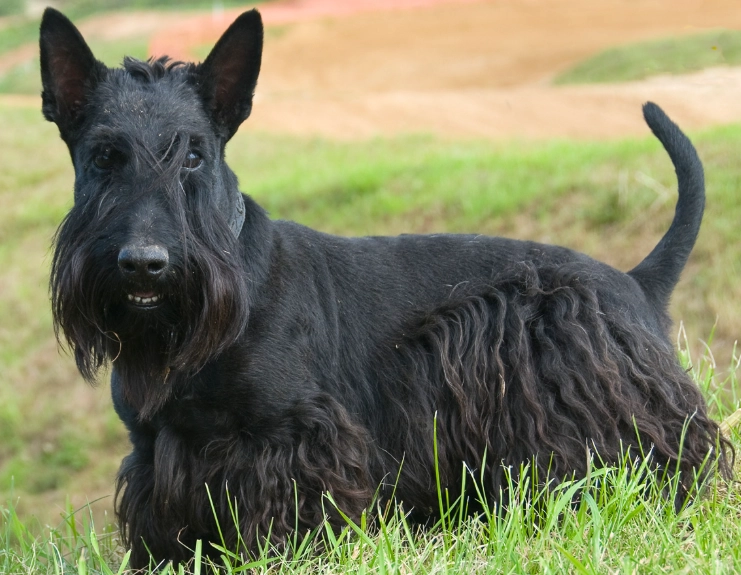
The Good, The Bad, and The Hairy: Pros and Cons
Pros (The Awesome Stuff)
Cons (The Challenging Stuff)
Extremely loyal & devoted to their inner circle.
Can be stubborn and independent-minded, making training a test of patience.
Low shedding coat. When properly maintained, they don't leave hair all over your furniture like some breeds.
High grooming needs. That coat requires regular brushing, clipping, or hand-stripping to stay healthy.
Good watchdogs. They are alert and will bark to alert you of anything unusual.
Can be "barky." That watchdog tendency needs to be managed so it doesn't become nuisance barking.
Adaptable to different living spaces. Their size makes them suitable for apartments if exercised properly.
Moderate exercise needs. They need daily walks and mental play, but are not hyperactive.
Full of character and dignity. They have a unique, almost human-like presence.
Can be reserved or aloof with strangers and may not get along with other pets (especially small animals).
Caring for Your Scottish Terrier: Daily Life
That Famous Coat: Grooming is Non-Negotiable
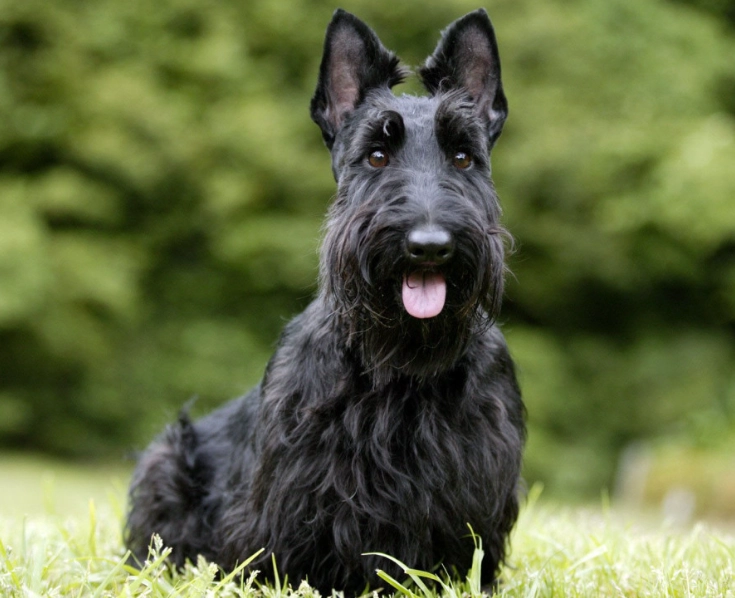
Feeding Your Little Powerhouse
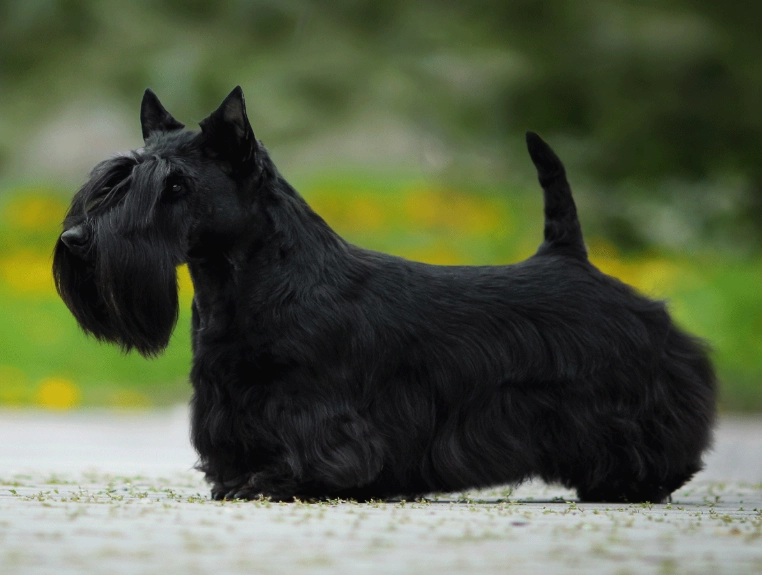
Exercise: More Than Just a Walk
Training and Socializing Your Independent Thinker
Scottish Terrier Health: What You Need to Watch For
Scottish Terrier Puppies: Finding Your New Best Friend
Your Scottish Terrier Questions Answered
A friend who owns a Scottie once told me, "You don't own a Scottish Terrier. You negotiate a partnership with one." I think that sums it up perfectly.
I've seen people get frustrated because their Scottie "knows" a command but chooses to ignore it. That's the terrier in them. It's not defiance in a malicious way; it's more like, "I hear you, but I'm currently investigating this fascinating smell." Patience and persistence win the race.
Are Scottish Terriers good family dogs with young children?
They can be, with supervision and proper training for both dog and child. Scotties are not inherently "nanny" dogs. They have low tolerance for being poked, prodded, or tail-pulled. They do best with respectful, older children or in families where very young children are always supervised during interactions. Teach kids to let the dog come to them and to pet gently.
Do Scottish Terriers shed a lot?
This is a common misconception. Their wiry coat is low-shedding. However, the loose, dead hair can get trapped in the dense undercoat, which is why weekly brushing is so important to pull it out. You won't find tumbleweeds of Scottie hair, but you will need to clean your brush regularly.
Are they easy to train?
I have to be honest here: no, they are not considered one of the "easiest" breeds to train. They are intelligent but independent. They respond best to positive, motivational methods (treats, praise, play). Obedience may never be their strongest suit, but they excel at activities that use their brains, like earthdog trials (simulated hunting in tunnels) or barn hunt.
Can a Scottish Terrier live in an apartment?
Yes, absolutely. Their size is perfect for smaller spaces. The key is meeting their exercise and mental stimulation needs. A bored Scottie in an apartment might resort to barking or destructive chewing. Daily walks, play sessions, and puzzle toys are a must.
Do they get along with other pets?
This is very individual. They were bred to hunt small animals, so cats, rabbits, or pet rodents may be seen as prey. Early socialization can help, but a strong prey drive is innate. With other dogs, they can be fine, especially if raised together, but some Scotties prefer to be the only dog. They can be same-sex aggressive. Introducing any new pet must be done slowly and carefully.
Comment