Let's be honest, you probably haven't met many Sealyham Terriers in your life. I know I hadn't until a friend of mine got one a few years back. I remember thinking, "What on earth is that?" It looked like a little, sturdy, white mop with the most expressive dark eyes and a beard that would make a wizard jealous. That first encounter sparked a curiosity that led me down a rabbit hole, talking to breeders, owners, and digging through historical records. What I found was a breed with a personality ten times its size and a history that's almost as forgotten as the breed itself is today. That's the thing about the Sealyham Terrier. They're a bit of a hidden gem in the dog world. Once the darling of Hollywood stars and British royalty, their numbers have dwindled to the point where The Kennel Club in the UK has listed them as a Vulnerable Native Breed. It's a shame, really, because they have so much to offer the right person. But they're not for everyone, and that's a crucial point we need to get straight from the start. The story begins in the mid-19th century at Sealyham House, Pembrokeshire, Wales. Captain John Edwardes wanted a specific type of working terrier. He needed a dog that was brave enough to bolt otter and badger from their dens, small and agile enough to follow them underground, but also tough and tenacious. The exact recipe is lost to time, but it's widely believed he crossed now-extinct white English terriers with breeds like the Dandie Dinmont Terrier, the West Highland White Terrier, the Fox Terrier, and possibly the Corgi (which would explain the legs). He wasn't breeding for looks; he was breeding for performance. The white coat was practical—it made the dog highly visible against the dark Welsh earth and easier to distinguish from quarry during a hunt. The powerful jaw, strong neck, and flexible body were all tools for the job. The Sealyham's popularity soared in the early 20th century. They became a status symbol. Film stars like Elizabeth Taylor and Cary Grant owned them. Alfred Hitchcock featured them. Even Prince Charles has been a known admirer. The breed club was formed in 1908, and the American Kennel Club recognized them in 1911. But as hunting with terriers declined, so did the Sealyham's numbers. Their need for regular grooming and their strong, sometimes stubborn, personality meant they were passed over for easier, more consistently predictable breeds. That's the historical irony. A dog bred for relentless work in the mud now requires meticulous grooming to keep that iconic white coat clean. So, what's it actually like to live with one? If you're imagining a placid, decorative lapdog, think again. The Sealyham Terrier temperament is a fascinating cocktail of traits. First, the good stuff. They are incredibly loyal and form deep bonds with their families. They're often described as "big dogs in small bodies," carrying themselves with a dignified, self-assured air. They're usually less yappy than some other small terriers, but they will absolutely alert you to a visitor or an unusual noise. Many owners describe them as clowns at heart—they have a great sense of humor and can be wonderfully playful. A huge plus for many is that they are considered a low-shedding breed. That white hair mostly stays put if you brush it regularly. They're also a good size for various living situations. While they appreciate a garden to patrol, they can adapt to apartment life if their exercise and mental needs are met. Now, the reality check. That terrier heritage comes with a strong independent streak. Sealyhams were bred to make decisions underground, away from their handler. This translates to a dog that can be willful and stubborn. Recall training is an ongoing project, not a one-time lesson. If they catch a scent, their instinct to pursue can override your calls. They have a high prey drive. Small furry creatures—squirrels, rats, rabbits, even cats that aren't part of the family—are fair game. A secure garden is non-negotiable. Dog-to-dog aggression can be an issue, particularly with dogs of the same sex. Early, consistent, and positive socialization is absolutely critical, but even then, some may never be dog-park dogs. And then there's the barking. It's not constant, but it's a sharp, loud terrier bark. They are watchful and will voice their opinion. Here’s a quick snapshot of what you’re signing up for: This is the biggest commitment with this breed. That beautiful, crisp white double coat doesn't maintain itself. If you let it go, it becomes a matted, dirty mess, and the skin underneath can develop problems. The coat consists of a soft undercoat and a longer, wiry topcoat. To keep it healthy and looking correct, it needs to be either hand-stripped or clipped. Hand-stripping is the process of pulling out the dead topcoat by hand or with a special tool. It's time-consuming and a skilled task, but it encourages new, healthy wiry hair to grow in and preserves the coat's color and texture. Most owners take their Sealyham to a professional groomer every 6-8 weeks for this. If you clip the coat instead, it will become softer and may discolor to a more yellowish or greyish tinge over time. It's easier, but doesn't give the same classic look. Between professional grooms, you are on brush duty. At a minimum, you need to brush thoroughly 2-3 times a week to prevent mats, especially behind the ears, under the legs, and around the beard (which, by the way, acts like a food and water magnet). You'll also need to check and clean their eyes regularly, as tear staining can be an issue on white fur. The beard needs washing frequently. And those feet? Hair grows between the pads and needs trimming. Honestly, the grooming is a deal-breaker for many. It's expensive and requires diligence. But a well-groomed Sealyham Terrier is a truly stunning sight. The Sealyham Terrier is generally a robust, healthy breed with a typical lifespan of 12 to 14 years. However, like all purebred dogs, they have some predispositions that responsible breeders screen for. The key takeaway? Never buy a Sealyham Terrier puppy from a breeder who cannot show you health clearances for the parents for eyes (CERF/OFA) and DNA tests for DM at a minimum. The Sealyham Terrier Club is an excellent resource for health information and breeder referrals. Because they are rare, finding a Sealyham Terrier requires patience. Rushing this process is the fastest way to end up with an unhealthy puppy from a bad source. Expect to be put on a waiting list. A responsible breeder's primary goal is the betterment of the breed, not making money. They will ask you as many questions as you ask them. They will welcome you to visit their home, meet the mother dog, and see the conditions. They will have all the health clearances. They will have a contract that includes a clause requiring you to return the dog to them if you can't keep it at any point in its life. The price for a well-bred Sealyham Terrier puppy can range from $1,800 to $3,500 or more, depending on location and lineage. It's less common, but Sealyhams do sometimes end up in rescue, often through no fault of their own (owner illness, lifestyle changes). Breed-specific rescues like those affiliated with the Sealyham Terrier Club of America are the best places to look. Adopting an adult dog can be a wonderful way to skip the puppy stage and give a dog a second chance. This isn't a breed you get on a whim. Choosing a Sealyham Terrier is a conscious decision to take on a project—a charming, infuriating, loyal, and hilarious project. You need to be prepared for the grooming bills, the stubborn training sessions, and the vigilant management around other animals. But if you want a dog with heaps of personality, a dignified yet clownish demeanor, and a unique look that turns heads, and you have the time, patience, and budget to meet their needs, then you might just find your perfect match. They are a breed for the connoisseur, for someone who appreciates a dog with history and heart, quirks and all. Do your homework. Talk to multiple breeders. Meet the dogs if you can. The world of the Sealyham Terrier is a small one, but for those who belong in it, it's incredibly rewarding. Just remember to stock up on good shampoo for that beard.In This Guide
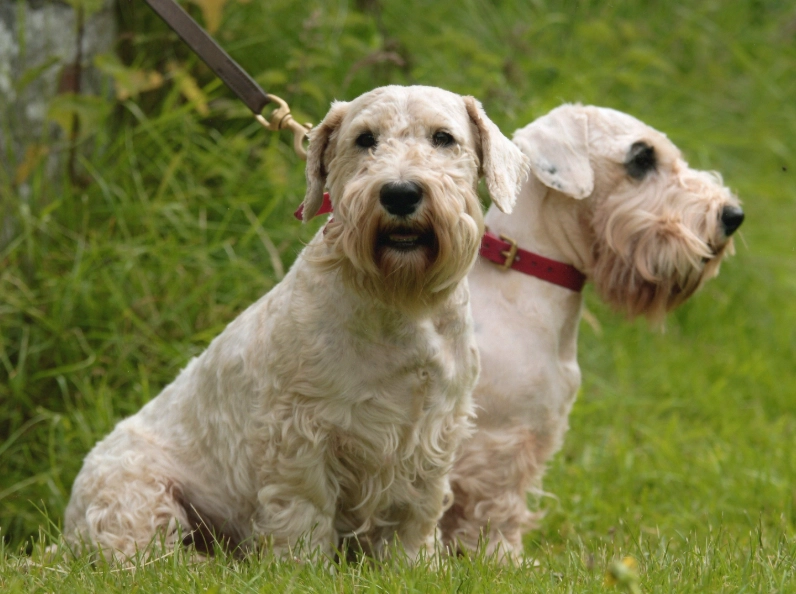
Where Did This Little White Dog Come From? A Dash of History
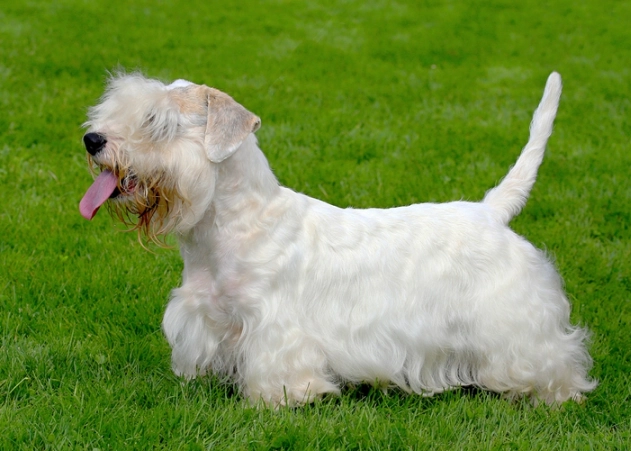
Living with a Sealyham Terrier: The Good, The Stubborn, and The Adorable
The Wonderful Bits (The Pros)
The Challenging Bits (The Cons)
Trait
Description & What It Means For You
Energy Level
Moderate. They need a good daily walk and play sessions, but are happy to chill at home. Not a hyperactive breed.
Trainability
Intelligent but independent. Learns quickly but obeys selectively. Motivational training (treats, play) works best.
Family Friendliness
Good with respectful children they are raised with. Their sturdy build can handle careful play, but they won't tolerate being manhandled.
Grooming Needs
High. That white coat requires weekly brushing and professional hand-stripping/clipping every 6-8 weeks.
Prey Drive
Very High. Not trustworthy with small pets. Secure fencing is essential.
Barking Tendency
Moderate to High. They are alert watchdogs.
The Non-Negotiable: Sealyham Terrier Grooming
Health and Lifespan: What to Watch For
Finding a Sealyham Terrier: Breeder, Rescue, and Cost
Going the Breeder Route
Considering Rescue
Sealyham Terrier FAQ: Your Questions Answered
Final Thoughts: Is the Sealyham Terrier Right For You?
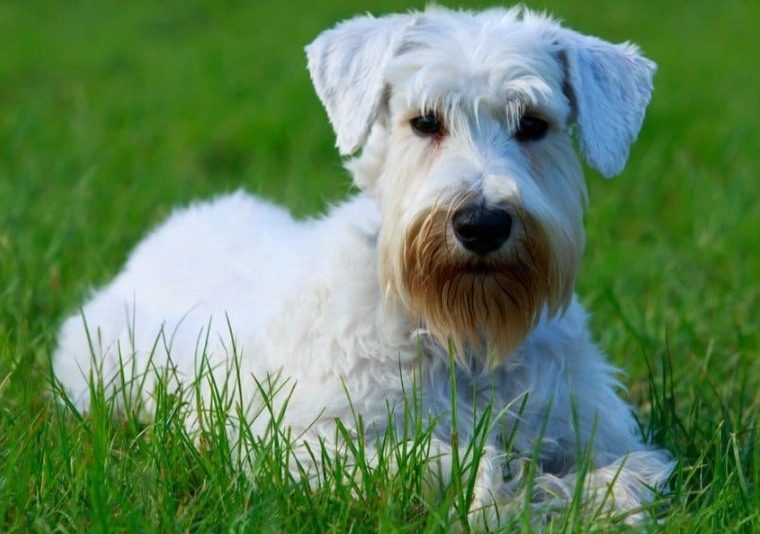
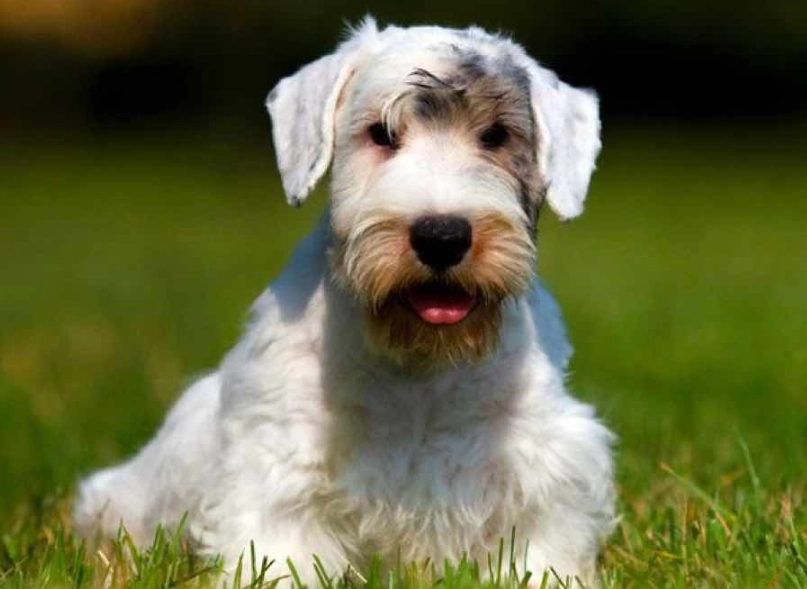
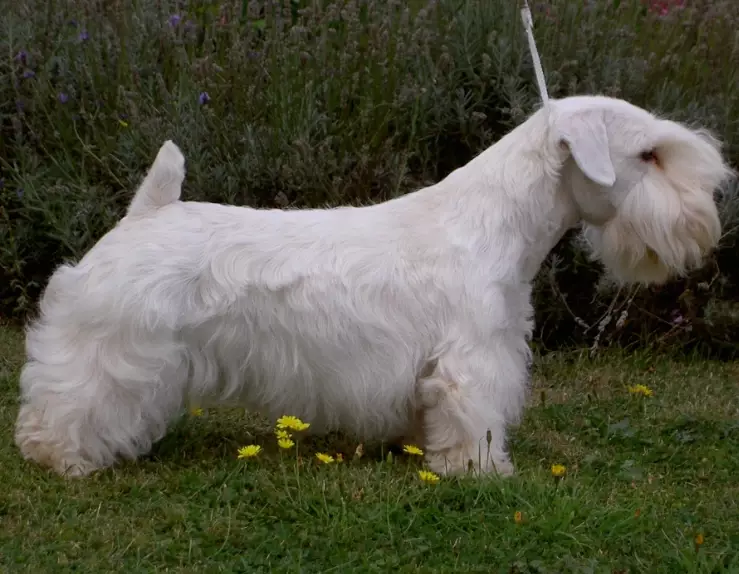
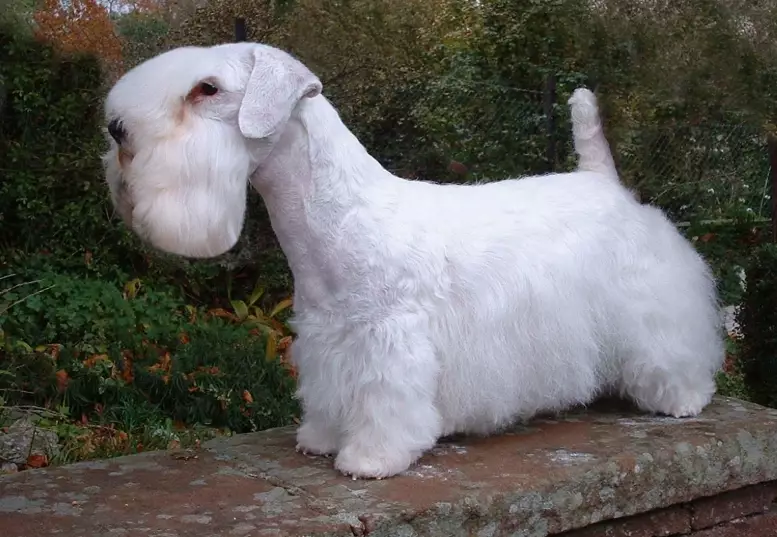
The Core of the Sealyham: Bred in Wales to fearlessly go to ground after otter, badger, and fox, the modern Sealyham Terrier is primarily a companion. Don't let the cute, low-to-the-ground appearance fool you. This is a true terrier through and through—spirited, confident, and packed with character. They are small, sturdy, and exclusively white (or white with lemon, tan, or badger pied markings on the head and ears).
A Word on Stubbornness: If you get frustrated easily by a dog that sometimes looks at you, considers your command, and then deliberately does something else, a Sealyham Terrier might test your patience. They respond best to positive reinforcement, patience, and a good sense of humor. Heavy-handed training will backfire spectacularly.
Are Sealyham Terriers good for first-time dog owners?
Generally, no. Their combination of stubbornness, high grooming needs, and potential for dog aggression makes them a challenging first dog. A first-time owner would have a much easier time with a more biddable breed.
Are they good with cats?
It depends. If a Sealyham is raised from puppyhood with a resident cat, they can learn to coexist peacefully. However, their prey drive is high, and an unfamiliar cat running will almost certainly trigger a chase. Introducing an adult Sealyham to a cat is risky.
How much exercise does a Sealyham Terrier need?
They are not marathon runners. A good 30-45 minute walk each day, combined with some playtime in the garden or a secure area, is usually sufficient. They are more about mental stimulation than physical exhaustion.
Why are Sealyham Terriers so rare?
A perfect storm of factors: decline in their original work, high grooming demands, a strong-willed personality that isn't for everyone, and smaller litter sizes (often 3-6 puppies). They simply fell out of fashion as easier-to-care-for breeds became popular.
Can you show me what a "correct" Sealyham looks like?
The best reference is the official breed standard. You can find the detailed standard on the American Kennel Club's Sealyham Terrier page. It describes the ideal size, proportions, head shape, coat, and movement.
Comment