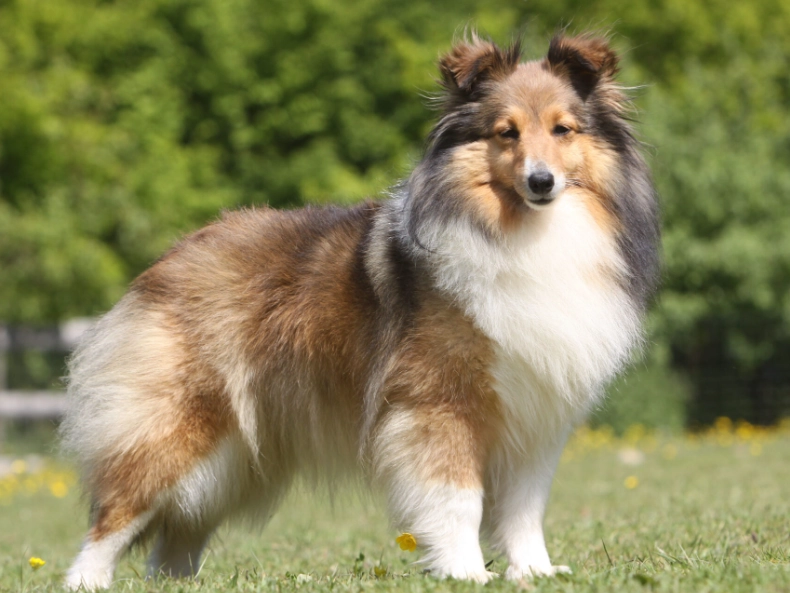
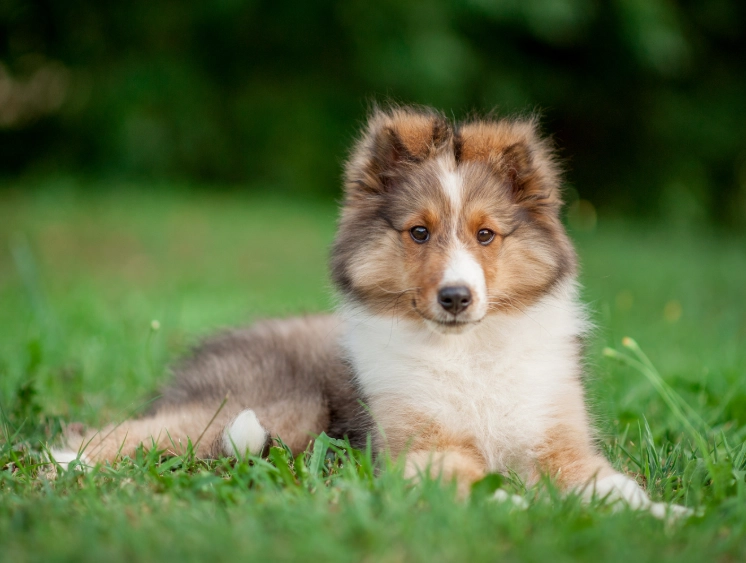
So you're thinking about getting a Shetland Sheepdog. Maybe you saw one prancing gracefully in a park, its lush coat flowing, eyes bright and intelligent. Or perhaps a friend won't stop gushing about how clever and loyal their Sheltie is. I get it. They're stunning dogs. But let's be real for a second – behind that beautiful, almost ethereal appearance is a complex, sensitive, and incredibly active herding dog. Is the Shetland Sheepdog the right fit for your life, or are you just in love with the idea of a miniature Lassie? I've been around Shelties for years, first through a close friend who bred them (responsibly, I must add), and later by helping train a few. They can be absolutely wonderful companions, but they also come with a set of challenges that many first-time owners aren't prepared for. The barking, for one, is legendary. And the shedding? Let's just say you'll never wear black again without a lint roller handy. This guide isn't just a fluffy overview. We're going to dig deep into what makes a Shetland Sheepdog tick. We'll cover the good, the bad, and the downright hairy. By the end, you'll know exactly what you're signing up for – from picking a puppy to caring for a senior dog. Let's get past the Instagram photos and into the real world of owning a Sheltie. Often mistaken for a miniature Rough Collie, the Shetland Sheepdog is a distinct breed in its own right. They hail from the rugged Shetland Islands of Scotland, where they were developed to herd small, agile sheep and ponies in harsh conditions. Their small size was an advantage, requiring less food – a practical concern on the windswept islands. Despite the obvious resemblance, they are not simply a "mini Collie"; their temperament and structure have unique qualities shaped by their specific working history. The American Kennel Club (AKC) recognizes them in the Herding Group, and they've been a beloved fixture there for over a century. You can explore their official breed standard on the AKC's Shetland Sheepdog page, which details the ideal characteristics. You can't talk about Shelties without talking about that coat. It's a double coat, with a dense, soft undercoat and a longer, harsher outer coat that repels water. It forms a magnificent mane around the neck and chest, and feathering on the legs. The colors are beautiful: sable (from golden through mahogany), black, and blue merle, all typically with white and/or tan markings. But here's the practical bit nobody shows you in the brochures. That gorgeous coat is a commitment. We're talking serious brushing sessions at least twice a week, and daily during the heavy shedding seasons (spring and fall). You'll find tufts of fur in places you didn't know existed. If you're not prepared for this level of grooming, a Shetland Sheepdog might break you. Their expression is a key breed feature. They have almond-shaped eyes, dark (except in some blue merles, which may have blue or wall eyes), that should look alert, gentle, and intelligent. The ears are small and tipped forward. The overall picture is one of alertness and grace. If you want a smart dog, you've found one. The Shetland Sheepdog is frighteningly intelligent. They learn commands quickly, sometimes seeming to read your mind. This is fantastic for training but also means they get bored easily. A bored Sheltie is a destructive Sheltie. They'll find their own entertainment, which usually involves chewing something you love or developing obsessive habits like chasing shadows or lights. My friend's Sheltie, Finn, learned how to open the backyard gate by watching her do it twice. Not by pawing at it, but by carefully nudging the latch up with his nose and pushing with his shoulder. Problem-solving intelligence is standard for this breed. Their herding heritage is strong. This manifests in a few ways. They are often reserved with strangers – not aggressive, but watchful and cautious. They might bark a warning when someone comes to the door. Actually, they will almost certainly bark. Barking is their default setting for excitement, alertness, anxiety, or boredom. It's a high-pitched, persistent bark. This is arguably the biggest challenge for Sheltie owners and their neighbors. They are also prone to "herding" children, other pets, or even your ankles by nipping. This isn't aggression; it's ingrained instinct. It needs to be gently but firmly redirected from day one. Shelties are famously velcro dogs. They form intense bonds with their family and want to be involved in everything you do. Don't expect a dog that's happy to lounge alone in another room. They will follow you from the kitchen to the bathroom to the home office. This makes them wonderfully loyal but can also lead to separation anxiety if not managed properly from puppyhood. This is a common search, and the answer is nuanced. Yes, Shelties can be excellent family dogs – for the right family. They are gentle, loving, and playful with children they are raised with. However, their sensitivity means they do not thrive in chaotic, loud, or unpredictable households. A toddler's sudden screams or clumsy handling can stress them out. They do best with older, calmer children or in adult-only homes where their need for a peaceful environment is respected. Their herding instinct also means they may nip at running children, so supervision is non-negotiable. Training a Sheltie is generally a joy because they are so eager to learn. But their sensitivity is the double-edged sword. They are incredibly attuned to your tone of voice. Harsh corrections or yelling will not only hurt their feelings but can shut them down completely, making them fearful and hesitant. Positive reinforcement is the only way to go. Treats, praise, and play are your best tools. Keep training sessions short, fun, and varied to keep their brilliant minds engaged. They excel in obedience, agility, rally, and herding trials. Giving them a "job," even if it's just advanced trick training or a daily puzzle toy, is crucial for their mental well-being. Think of training as a conversation with a very smart, slightly anxious partner. Clarity and kindness win every time. Generally, they are a hardy breed with a good lifespan. But like all purebred dogs, they are predisposed to certain genetic conditions. A responsible breeder will test their breeding stock for these issues. Always, always ask to see health clearances. The MDR1 gene is a big one. I knew a Sheltie who had a routine surgery and had a terrible reaction to the anesthesia because the vet wasn't aware of his MDR1 status. It was a scary ordeal that could have been avoided. You can learn more about this critical issue from resources like the Washington State University Veterinary Clinical Pharmacology Lab, which is a leading authority on the topic. Don't let the small size fool you. A Shetland Sheepdog is an energetic herding dog. A 20-minute walk is just a warm-up. They need at least 45-60 minutes of dedicated activity daily. This should be a mix of physical exercise (brisk walks, runs, fetch, agility) and mental stimulation (training, puzzle toys, nose work). A tired Sheltie is a good Sheltie. An under-exercised Sheltie will be a vocal, anxious, and potentially destructive companion. Let's break down the grooming routine, because it's a major part of ownership. Many owners opt for a professional groomer every 6-8 weeks for a tidy-up, especially in the summer. A "puppy cut" is sometimes chosen for practicality, but it changes the coat texture and doesn't eliminate brushing needs. Feed a high-quality commercial or carefully formulated homemade diet appropriate for their life stage (puppy, adult, senior). Shelties can be prone to obesity if overfed and underexercised. Measure their food, limit treats, and keep them lean. A lean dog is a healthier, longer-lived dog. Watch for food sensitivities, which can manifest as itchy skin or digestive upset. This is a major decision with ethical and practical implications. A good breeder's goal is to improve the breed, not just sell puppies. They will: Avoid pet stores and online brokers. These almost always source from puppy mills. The AKC Breeder of Merit program is a good starting point for finding dedicated breeders, but still do your own deep diligence. Many wonderful Shelties end up in rescue through no fault of their own – a divorce, a move, an owner unprepared for their needs. Adopting an adult dog can be fantastic because what you see is what you get. Their personality is established, and they are often past the destructive puppy phase. Rescue organizations carefully evaluate their dogs and match them with suitable homes. It's a rewarding way to give a dog a second chance. A simple search for "Shetland Sheepdog rescue [your state]" will point you in the right direction. Whichever path you choose, do it with your eyes wide open and your heart prepared for a long-term commitment. Owning a Sheltie is not a casual hobby. It's a lifestyle choice. You are choosing to live with a supremely intelligent, deeply sensitive, and energetically demanding shadow who will shed profusely and announce every passing leaf. If that sounds like a fair trade for unwavering loyalty, breathtaking beauty, and a uniquely communicative companionship, then you might just be the perfect person for a Shetland Sheepdog. But if you're looking for a low-maintenance, independent, or quiet couch potato, please look elsewhere. There are many wonderful breeds out there. Getting the right dog for your life is the kindest thing you can do for both of you. Do your homework. Meet multiple Shelties and their owners. Talk to breeders and rescuers. Be brutally honest about your own lifestyle and patience level. If, after all that, you still feel that pull towards this enchanting, challenging breed, then welcome. You're in for one of the most rewarding relationships of your life.Quick Navigation
What Exactly Is a Shetland Sheepdog?
The Sheltie Look: More Than Just a Pretty Coat
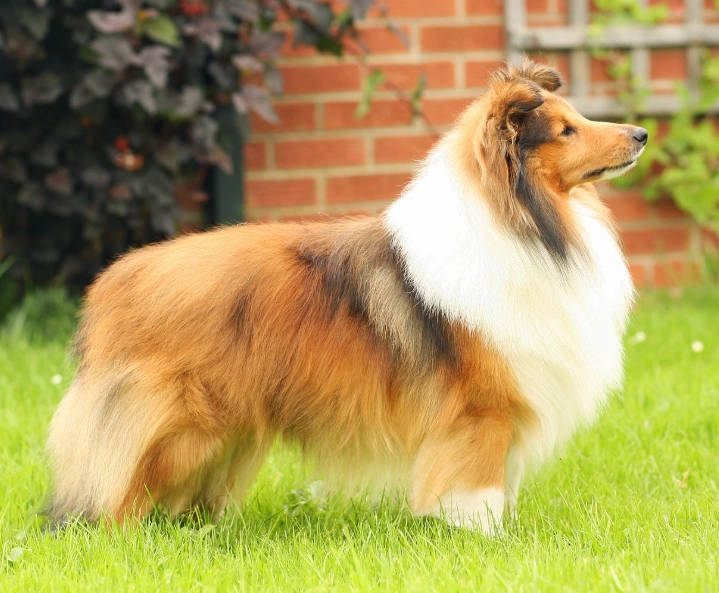
Feature Description Note for Owners Size 13-16 inches at the shoulder. Ideal weight: 15-25 lbs. Small enough for apartments, but energy level is not "apartment-sized." Coat Type Long, double coat. Straight, harsh outer hair; soft, dense undercoat. Invest in a good slicker brush, undercoat rake, and a powerful vacuum. Color Variations Sable, Black, Blue Merle. All with white & tan markings. Blue Merle is stunning but comes with specific genetic considerations. Life Expectancy 12-14 years on average. A long-term commitment with potential for senior health issues. The Shetland Sheepdog Temperament: Brain and Sensitivity
The Shadow Dog Phenomenon
Are Shelties Good Family Dogs?
Training Your Shetland Sheepdog: Patience is Key

Top Training Priorities for a Sheltie Puppy
Shetland Sheepdog Health: What You Need to Watch For
Health Condition Description Prevention/Screening Collie Eye Anomaly (CEA) A genetic disorder affecting the eye's development. Can range from mild (no vision loss) to severe (blindness). DNA test available. Reputable breeders test parents. Puppies should be examined by a veterinary ophthalmologist. Multidrug Resistance (MDR1) A genetic mutation that causes severe sensitivity to common drugs (e.g., Ivermectin, some anesthesia). Can be fatal. CRITICAL. A simple cheek-swab DNA test exists. All Shelties should be tested. Provide the result to your vet. Hip Dysplasia Malformation of the hip joint, leading to arthritis and pain. Breeders should have Orthopedic Foundation for Animals (OFA) or PennHIP evaluations. Maintain a healthy weight. Dermatomyositis A hereditary inflammatory disease affecting skin and muscles, usually appearing in puppyhood. No direct test for carriers. Breeders should avoid breeding affected dogs or those from affected lines. Thyroid Issues (Hypothyroidism) Common in mid-life. Can cause weight gain, lethargy, skin problems. Managed with daily medication. Regular vet bloodwork can catch it early. Daily Life with a Sheltie: The Nitty-Gritty
Exercise Needs: More Than a Walk Around the Block
Grooming: The Reality of That Coat
Nutrition: Fueling a Busy Brain and Body
Finding Your Shetland Sheepdog: Breeder vs. Rescue
Choosing a Reputable Breeder
Considering Sheltie Rescue
Common Shetland Sheepdog Questions (Answered Honestly)
Final Thoughts: Is the Shetland Sheepdog For You?
Do Shelties bark a lot?
Yes. It's in their DNA as alert herders. You can and must train them to have an "off switch" with a solid "quiet" command, but expecting a completely silent Sheltie is unrealistic. If you need absolute quiet or have thin walls, consider a less vocal breed.
Can Shelties live in apartments?
Yes, but with major caveats. Their size is apartment-friendly, but their energy and voice are not. It is only possible if you are absolutely committed to providing sufficient daily exercise and mental stimulation outside the apartment and diligently work on bark control. A house with a yard is generally easier, but the yard is not a substitute for active engagement.
Are Shelties easy to train?
They are fast learners, which is different from easy. Their sensitivity means training must be consistent, patient, and positive. They can be stubborn if they see no point in what you're asking. But with the right approach, you can achieve amazing things.
Do Shelties get along with other pets?
Usually, yes, especially if raised together. Their herding instinct may cause them to chase cats or smaller pets, so introductions must be controlled. They generally enjoy the company of other dogs.
Why is my Sheltie so shy or fearful?
Timidity can be a genetic tendency in some lines, exacerbated by a lack of early socialization. This is why choosing a breeder who focuses on stable temperaments and committing to thorough puppy socialization is so critical. A fearful Shetland Sheepdog is a stressed dog, and it's a tough cycle to break.
Comment