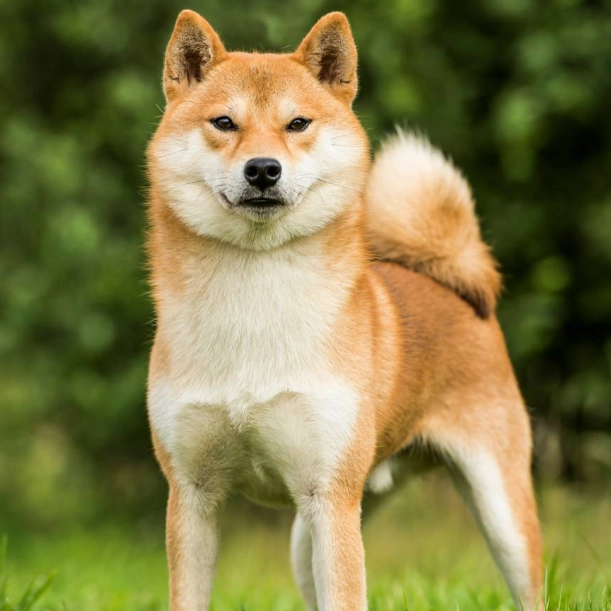
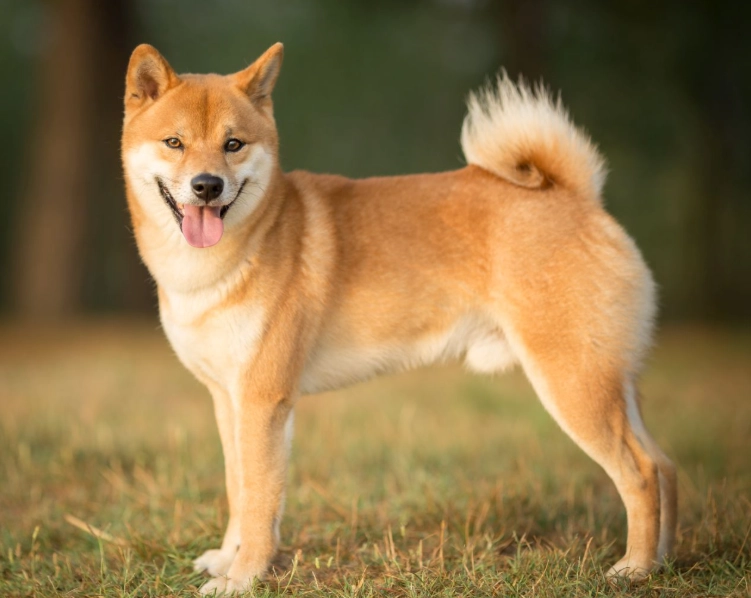
Okay, let's be real. For a lot of people, their first introduction to the Shiba Inu was through that grinning, smug-looking dog from the "Doge" meme. You know the one. "Wow. Such doge. Very meme." It's everywhere. But behind that iconic internet face is a real, living, breathing dog with a history that goes back centuries, and a personality that's, well, let's just say it's not for everyone. I've talked to so many people who saw the meme, thought "how cute," and dove headfirst into getting a Shiba without doing the homework. Big mistake. Huge. This isn't your average golden retriever. Owning a Shiba Inu is more like having a fiercely independent, incredibly clever, and sometimes stubborn roommate who happens to have fur and a tail. It's a unique experience, and if you're up for the challenge, unbelievably rewarding. But you need to know what you're signing up for. So, whether you're just curious about this fascinating breed or seriously considering bringing one into your home, this guide is for you. We're going to dig deep—past the memes, past the social media hype—and look at what it's really like to live with a Shiba Inu. Bottom Line Up Front: The Shiba Inu is a small-to-medium, ancient Japanese breed known for its fox-like appearance, cat-like cleanliness, and a will of iron. They are loyal to their family but famously aloof with strangers, and their intelligence often translates to selective hearing. They are not typically recommended for first-time dog owners. To understand the Shiba Inu of today, you have to go back. Way back. We're talking 300 BC or earlier. The Shiba is one of Japan's six native spitz breeds (alongside the bigger Akita), and its name gives clues to its origins. "Shiba" could refer to the brushwood in the mountains where they hunted, or it might mean "small," distinguishing it from the larger Akita. Their job was to flush out small game like birds and rabbits in the rugged, mountainous terrain of Japan. This history is crucial—it explains everything about their personality. Think about it. A dog bred to hunt independently in the hills, making quick decisions far from its human companion. That's not a dog bred for blind obedience. That's a dog bred for problem-solving, self-reliance, and a strong prey drive. The breed nearly vanished during World War II due to bombing raids and a post-war distemper outbreak. The few surviving dogs were bred together, and careful preservation efforts, documented by organizations like the American Kennel Club (AKC) and the Fédération Cynologique Internationale (FCI), are the reason we have Shibas today. All modern Shibas descend from just three bloodlines. It's a remarkable survival story. You can't miss them. They have a distinctive look that makes them instantly recognizable. A Shiba Inu is a compact, well-muscled dog with a plush double coat that comes in a few specific colors. The most common is the vibrant red sesame, but you'll also see black and tan, and cream (though cream is a disqualification in some show rings, which is a whole other debate). Their face is what gets everyone—alert, dark, almond-shaped eyes, small triangular ears that stand straight up, and a curious, intelligent expression. Their tail is a big, fluffy curl that rests over their back. They just look... poised. This is where things get interesting. Describing a Shiba's temperament is a mix of contradictions. A Word of Caution: That strong prey drive from their hunting days hasn't gone away. A squirrel, rabbit, or even a small cat darting across the yard can trigger an instant, single-minded chase. This is why a securely fenced yard is non-negotiable for a Shiba Inu. They are also renowned escape artists, capable of climbing and digging with surprising skill. Let me tell you, that independence isn't just a cute trait. It means training requires patience, consistency, and really good treats. They ask "why should I?" with every command. You have to make it worth their while. It's less about being the alpha and more about being a trusted partner who provides good things. People often confuse Shibas with other spitz-type dogs. Here’s a breakdown to clear things up. So, what's it actually like to share your home with one of these charismatic little foxes? They're not marathon runners, but they are brisk and energetic. A solid 30-60 minutes of activity a day is a must. This could be a long walk, a vigorous play session in the yard, or hiking. But here's the key—mental exercise is just as important. A bored Shiba Inu is a destructive Shiba Inu. Puzzle toys, scent games (tap into that hunting nose!), and short, positive training sessions are perfect. They love to learn, but on their terms. That beautiful double coat comes with a price: shedding. They "blow" their undercoat typically twice a year (spring and fall), and during those 3-4 week periods, it's a fur-pocalypse. You will find tufts of soft undercoat everywhere. Daily brushing with an undercoat rake is essential during this time. Outside of shedding season, weekly brushing is fine. They are generally clean dogs with little "doggy" odor if brushed regularly. I can't stress this enough. Start early and be patient. Socialization is critical—expose your Shiba puppy to all sorts of people, places, sounds, and other animals in a positive way. This helps curb their natural wariness. Obedience training should be fun, reward-based, and consistent. Forget harsh methods; they will just shut down or rebel. Focus on the essentials: recall (come) is a lifelong challenge due to prey drive, so practice in safe, enclosed areas. Leash manners are important because they can be strong pullers. Crate training is highly recommended for housebreaking and giving them a safe den. The goal isn't a robot dog. It's a well-mannered companion who understands the household rules. A high-quality dog food appropriate for their age and activity level is key. Shibas can be prone to allergies, so some owners find grain-free or limited-ingredient diets helpful, though you should always consult your vet. Be mindful of portion control—they are food-motivated but can easily gain weight if overfed. Use their kibble for training treats! Generally a hardy breed, but like all purebreds, they have some predispositions. A responsible breeder will test their breeding stock for these conditions. The Canine Health Information Center (CHIC) database is a great resource for checking a breeder's health testing commitments. Finding a good vet who understands primitive breeds is a great step. Regular check-ups, keeping up with vaccinations and parasite prevention, and good dental care (yes, you need to brush their teeth) will go a long way. Look, the Shiba Inu is an incredible, beautiful, and captivating breed. Their loyalty, once earned, is profound. Their cleanliness and compact size are big pluses. Watching their clever, quirky personalities unfold is a daily joy. But. They are not a beginner's dog. They are not a "cuddle-on-the-couch-all-day" dog (though some do have their moments). They are not an off-leash hiking companion you can trust 100%. They require an owner who understands canine psychology, who has the patience for negotiation, and who can appreciate a partner with a mind of its own. If you want an obedient shadow that lives to please you, look elsewhere. If you want a fascinating, beautiful, and complex little creature who will keep you on your toes, make you laugh with their antics, and love you in their own unique, undemonstrative way, then the Shiba Inu might just be your perfect match. Do your research, meet some in person (talk to breeders and owners at shows or through clubs), and be brutally honest with yourself about your lifestyle. Bringing a Shiba into your life is a commitment to understanding a piece of living history. It's not always easy, but for the right person, it's absolutely worth it.Quick Navigation
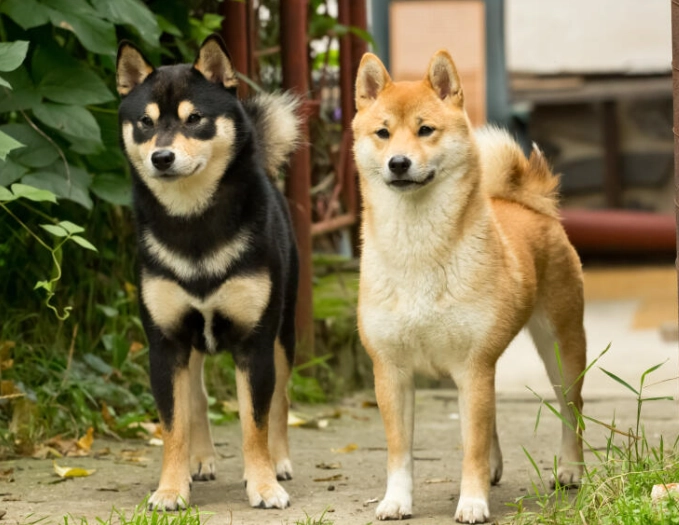
Where Did the Shiba Inu Come From? A Trip to Ancient Japan
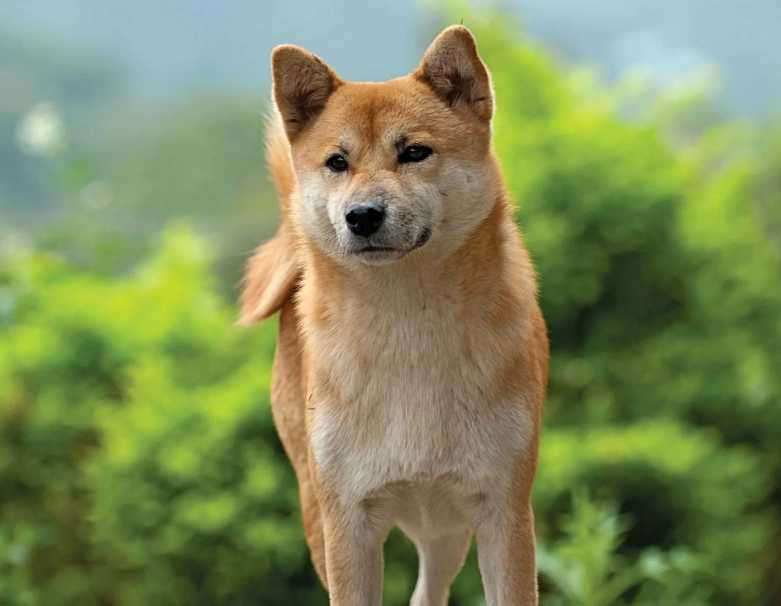 That ancient, independent spirit is still very much alive in your modern living room.
What Does a Shiba Inu Look and Act Like? The Good, The Cat-Like, and The Screamy
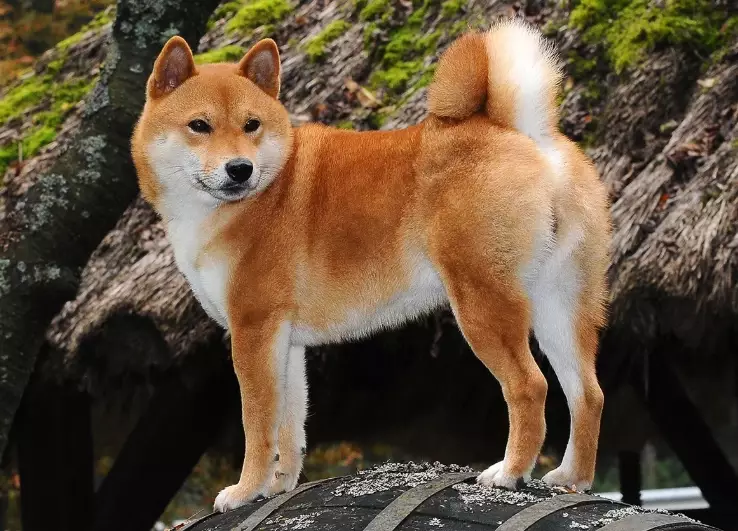
The Fox-Like Look
The Infamous Shiba Inu Personality
Shiba Inu vs. Other Similar Breeds: A Quick Comparison
Breed
Size
Key Temperament Difference
Best For
Shiba Inu
~17-23 lbs, 13.5-16.5 inches tall
Highly independent, aloof, cat-like, dramatic.
Experienced owners who appreciate a "thinker" and don't need constant cuddles.
Akita
70-130 lbs, 24-28 inches tall
Same independence but larger, more powerful, with stronger guarding instincts. Requires even more socialization and experienced handling.
Very experienced owners seeking a loyal guardian.
Basenji
~22-24 lbs, 16-17 inches tall
Another ancient, independent breed. Doesn't bark (but makes yodeling sounds). Similar aloofness but arguably even more primitive in behavior.
Experienced owners comfortable with a highly instinct-driven dog.
Finnish Spitz
~20-33 lbs, 15.5-20 inches tall
Bred for barking to hunt birds. More vocal, generally more eager to please and sociable than a Shiba.
Active owners who don't mind vocalizations and want a more trainable spitz.
Living with a Shiba Inu: The Day-to-Day Reality
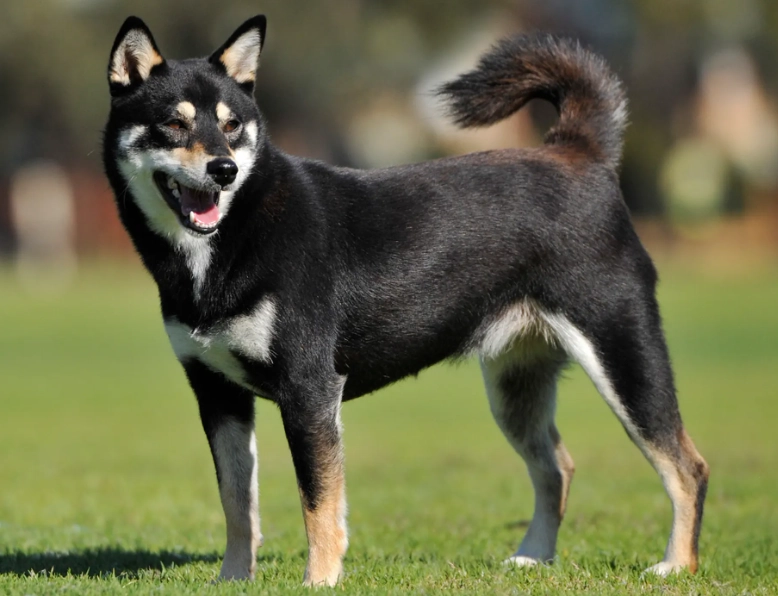
Exercise & Mental Stimulation
Grooming & The Great Shed
Training Your Shiba Inu
Diet & Nutrition
Common Shiba Inu Health Issues to Know About
Answering Your Biggest Shiba Inu Questions (FAQ)
Is a Shiba Inu the Right Dog for You? A Final Reality Check
Are Shiba Inus good apartment dogs?
They can be surprisingly good! Their moderate size and relatively calm indoor demeanor (once exercised) suit apartment life. The bigger challenges are their vocalizations (the scream, barks, "talking") which neighbors might hear, and ensuring they get enough daily activity without a backyard. A tired Shiba is a quiet(er) Shiba.
Are Shiba Inus good with kids and other pets?
This is a cautious "it depends." With children, they do best with respectful, older kids who understand not to hug tightly or invade the dog's space. They have little patience for poking, prodding, or tail-pulling. With other pets, early socialization is vital. They can live peacefully with other dogs, especially if raised together, but same-sex aggression can occur. Their high prey drive makes cohabitation with cats, rabbits, or small rodents risky unless raised together from puppyhood and even then, supervision is wise.
How much does a Shiba Inu puppy cost?
From a reputable, health-testing breeder, expect to pay between $1,500 to $3,500 USD. The lower end of online ads or pet stores is a major red flag and often supports puppy mills. Adoption is a wonderful option—check Shiba Inu-specific rescues. The initial cost is just the start; factor in food, vet care, grooming, insurance, etc.
Why is my Shiba Inu so stubborn?
It's not stubbornness in the way we think of it. It's intelligence and independence. They were bred to think for themselves. If a command doesn't seem beneficial or interesting to them in that moment, they will choose to ignore it. Making training a fun game with high-value rewards is the key to unlocking their cooperation.
Do Shiba Inus bark a lot?
Not typically. They aren't nuisance barkers. They may bark to alert you of something, but they are more known for their other vocalizations: the scream, little grumbles, "arooos," and what owners call "Shiba talk"—a range of unique noises to communicate.
Comment