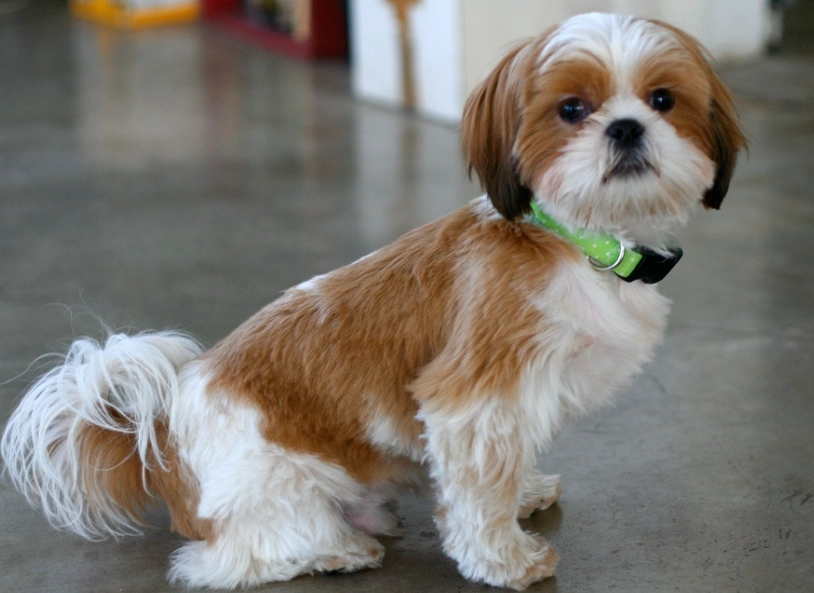
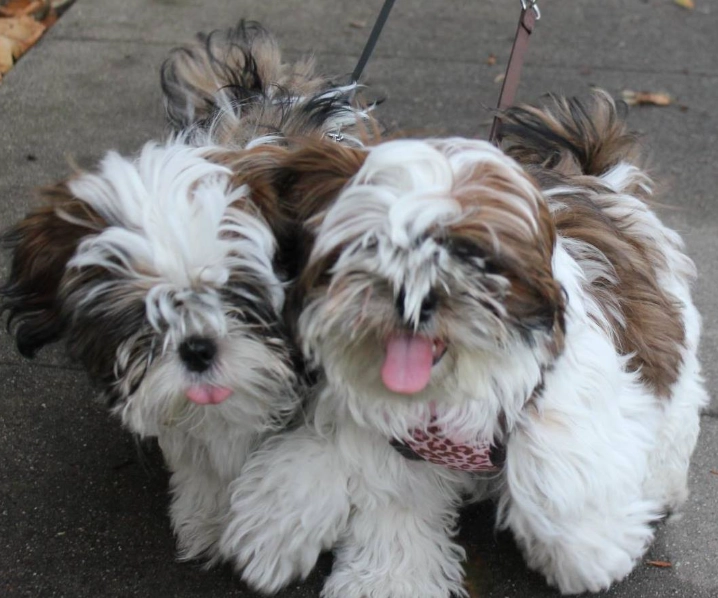
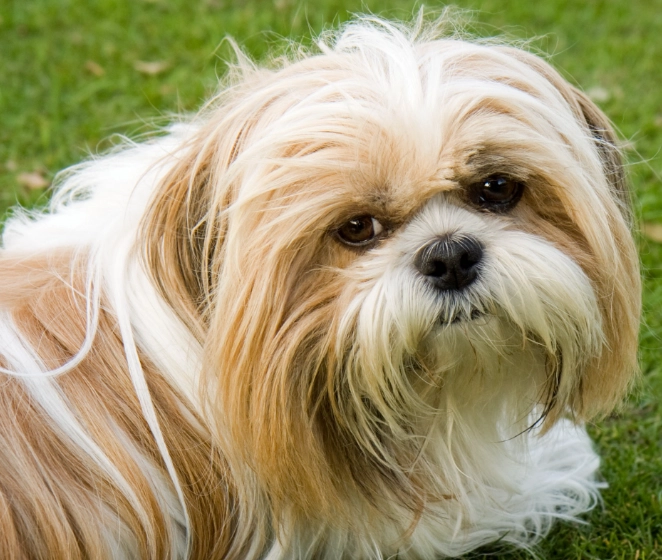
Let's be honest, the first thing that grabs you about a Shih Tzu is that face. Those big, dark eyes peeking out from a waterfall of hair, that confident little strut. They look like living, breathing teddy bears. I remember visiting a friend who had one named Mochi. He didn't bark or jump; he just trotted over, sat on my foot, and looked up as if to say, "You're here for me, right?" That was it. I was smitten. But here's the thing a lot of websites and social media posts don't tell you upfront. Behind that adorable, almost aristocratic appearance is a real dog with real needs. A dog that can be stubborn, that requires a commitment to grooming, and that has a personality far bigger than its small frame suggests. If you're just looking for a low-maintenance accessory, stop reading now. This isn't the dog for you. But if you're looking for a devoted, charming, and endlessly entertaining companion for your daily life, you might have just found your match. This guide isn't going to just repeat the same old breed standard facts. We're going to dig into what it's actually like to live with a Shih Tzu. The good, the bad, the hairy, and the hilarious. We'll cover everything from decoding their quirky temperament to managing that luxurious coat without losing your mind. I'll share tips I've learned from talking to breeders, owners, and groomers, and yes, I'll point out the frustrating parts too. Because making the right choice means seeing the whole picture. The Core of the Shih Tzu: Don't let the fancy looks fool you. Bred solely for companionship, the Shih Tzu's entire purpose is to be your friend. They are not hunting dogs, herding dogs, or guard dogs (though they might loudly disagree with that last one). This singular focus shapes everything about them, from their need to be near you to their sometimes-indifferent attitude toward rigorous training. It's a key piece of their puzzle. People throw around words like "affectionate" and "friendly" a lot. With the Shih Tzu, it's more nuanced than that. Imagine a dog with the confidence of a lion (their name literally means "Lion Dog" in Mandarin) packed into a 10-pound body. They carry themselves with a surprising dignity. They're often great with families. Their sturdy build means they can handle gentle play with respectful kids better than some other tiny breeds. But they're not invincible playthings—supervision is always key. With other pets, they typically do well, especially if socialized early. That classic Shih Tzu charm often extends to strangers too, making them poor watchdogs but wonderful greeters. Now, about that stubborn streak. It's real. You might call it "independent thinking." They were bred to be companions to royalty, not to take orders. This means housebreaking can be a test of patience. Recall? If they catch a more interesting scent, they might just give you a look that says, "I'll be there in a minute." Positive reinforcement with high-value treats is your best friend here. Yelling or getting frustrated will just make them shut down. Their energy level is a beautiful middle ground. They have bursts of playful "zoomies"—those frantic, joyful sprints around the living room—followed by long, deep naps on the comfiest cushion they can claim. A couple of short walks and some indoor play will usually satisfy their exercise needs perfectly. This adaptable energy is what makes the Shih Tzu such a fantastic apartment dog. A Word on "Hypoallergenic": This is a big one. Many people are drawn to Shih Tzus because they're marketed as hypoallergenic. Let's clear this up: No dog is 100% hypoallergenic. Allergies are caused by a protein in dog dander (dead skin cells), saliva, and urine. While Shih Tzus have hair that grows like human hair and sheds very minimally, they still produce dander. They can be a better fit for some allergy sufferers because the loose hair and dander get caught in their long coat instead of flying into the air—but only if that coat is cleaned and brushed regularly. If you have allergies, spend time with a few Shih Tzu before committing. This is the most important section for any potential owner. That gorgeous coat doesn't maintain itself. Your lifestyle will largely determine your grooming approach. You have two main paths: The Full Coat (Show Cut): This is the flowing, floor-length look. It's stunning but high-maintenance. We're talking daily brushing with a high-quality pin brush and metal comb to prevent mats, which can form incredibly fast and pull painfully on the skin. Baths every 1-3 weeks. The hair around their eyes must be kept clean and tied up to prevent eye irritation. Food and water bowls need to be the right kind to keep the face hair clean. It's a labor of love, and honestly, not practical for most active families or pet owners. The Puppy Cut (or Teddy Bear Cut): This is the lifesaver. The entire body is clipped to a short, even length (usually 1-2 inches). It preserves the adorable, fluffy look while reducing daily brushing to a quick 5-10 minute session a few times a week. It's cooler in summer, cleaner, and mats are far less likely. This is the cut I recommend for 95% of pet owners. It lets you enjoy your dog without being a slave to the brush. Beyond the coat, grooming encompasses other crucial tasks: Here’s a breakdown of a basic weekly grooming routine for a Shih Tzu in a puppy cut: Finding a good groomer you trust is worth its weight in gold. A well-bred Shih Tzu is generally a robust little dog with a lifespan of 10-16 years. However, like all purebreds, they have predispositions to certain health conditions. Responsible breeders screen their breeding stock for these issues. When looking for a puppy, always ask for health clearances for the parents (like from the Orthopedic Foundation for Animals - OFA). Here are the main health considerations: Proactive Care Tip: Get pet insurance early, while your Shih Tzu is young and healthy, before any conditions are pre-existing. A single surgery for a knee issue or a dental cleaning with extractions can cost thousands. Insurance provides peace of mind. Training a Shih Tzu is less about strict obedience and more about gentle guidance and mutual respect. They are sensitive souls who do not respond well to harshness. Start early with socialization. Expose your puppy (after their vaccinations) to all sorts of people, places, sounds, and other calm, vaccinated dogs. This builds a confident, well-adjusted adult dog. A poorly socialized Shih Tzu can become timid or develop "small dog syndrome"—acting out with barking or nipping out of fear. Housetraining is often the biggest challenge. Consistency is your only weapon. Take them out first thing in the morning, after meals, after naps, and before bed. Praise lavishly for success. Crate training can be a huge help, as dogs naturally avoid soiling their sleeping area. But expect accidents—it can take longer with this breed. For basic commands like sit, stay, and come, use tiny, high-value treats (boiled chicken, cheese bits). Keep sessions short (5 minutes) and fun. End on a positive note. If they get bored or stubborn, just try again later. Forcing it helps no one. The most important "command" you can teach is to tolerate and even enjoy grooming. Handle their paws, look in their ears, and run a brush over them from day one, pairing it with treats. This pays off for a lifetime. Because of their small size and lower activity level, it's easy to overfeed a Shih Tzu. Obesity exacerbates breathing problems, joint issues, and strains their heart. Choose a high-quality commercial dog food formulated for small breeds. Small breed kibble is sized right for their tiny mouths. The nutritional balance is also tailored to their faster metabolisms. You can consult your vet for specific brand recommendations. How much to feed? Follow the guidelines on the bag, but use them as a starting point. Adjust based on your individual dog's metabolism, activity level, and body condition. You should be able to feel (but not see) their ribs. A defined waist when viewed from above is a good sign. Avoid table scraps. Many human foods are toxic to dogs (chocolate, grapes, onions, xylitol). Even "safe" foods add unnecessary calories and can encourage begging. Stick to their regular meals and use their own kibble or healthy dog treats for training. This is a major decision with ethical and practical implications. Choosing a Responsible Breeder: This is the route for a puppy whose health and temperament have been prioritized. A good breeder: Expect to be on a waitlist and pay a premium. It's worth it for the foundation of a healthy life. Adopting from a Rescue or Shelter: This is a wonderful option. Many Shih Tzus end up in rescue through no fault of their own—an owner passed away, had a lifestyle change, or didn't understand the grooming commitment. Breed-specific rescues are fantastic because they understand the breed's needs. An adult dog's personality is already known, and they often come already housetrained and with some basic manners. You are literally saving a life. Whichever path you choose, do your homework. Avoid pet stores and online marketplaces that source from puppy mills. The initial savings are never worth the potential heartache and vet bills. Let's wrap this up with some straight talk. You should seriously consider a Shih Tzu if: You should probably think twice if: At the end of the day, sharing your life with a Shih Tzu is about embracing a unique blend of regal charm and clownish affection. It's about accepting that you will have hair ties and brushes in every room, and that you will never go to the bathroom alone again. It's about looking into those big, liquid eyes and knowing you have a friend for life. If you're ready for the commitment, the回报 is immeasurable. They truly are little lions with hearts of gold. Got more questions? Your next best step is to connect with the American Shih Tzu Club for breeder referrals or to find a reputable rescue. And remember, if you ever suspect your dog has ingested something toxic, contact the ASPCA Animal Poison Control Center or your emergency vet immediately.Your Quick Guide

What's a Shih Tzu Really Like? Unpacking the Personality

The Grooming Elephant in the Room: It's a Commitment
The Two Main Styles: Long and Luxurious vs. Short and Practical
Task
Frequency
Tools Needed
Why It's Important
Brushing/Combing
Every 2-3 days
Slicker brush, metal comb
Prevents mats, distributes skin oils, checks for skin issues.
Eye Wiping
Daily
Soft cloth, warm water or eye wipe
Removes debris, prevents tear stains and irritation.
Face & Beard Wipe
After meals
Damp cloth
Keeps hair clean from food and water, prevents odor.
Ear Check
Weekly
Ear cleaning solution, cotton balls
Prevents wax buildup and painful ear infections.
Full Bath
Every 3-4 weeks
Dog shampoo, conditioner, towels
Cleans skin and coat, reduces dander and odor.
Keeping Your Shih Tzu Healthy: What to Watch For
Training Your Shih Tzu: Patience and Positivity Win
Shih Tzu Nutrition: Feeding for Health

Quick Shih Tzu Q&A
Finding Your Shih Tzu: Breeder vs. Rescue
Is the Shih Tzu Right for You? The Final Checklist
Q: Are Shih Tzus good with children?
A: Generally, yes. They are sturdy and often affectionate with kids. However, interactions must always be supervised. Teach children to be gentle and respectful, and never leave a young child and dog alone together. Every dog is an individual.
Q: Do Shih Tzus bark a lot?
A: They can be alert barkers, letting you know when someone's at the door. However, they are not typically considered nuisance barkers like some other small breeds. Proper training can manage excessive barking.
Q: Can Shih Tzus be left alone?
A: They are companion dogs and thrive on human interaction. Leaving an adult Shih Tzu alone for a standard 8-hour workday is possible if they are properly exercised and have toys, but it's not ideal. Puppies need far more frequent breaks. They are prone to separation anxiety if not acclimated slowly.
Q: Are they easy to train?
A: "Easy" isn't the word I'd use. They are intelligent but independent. They respond excellently to positive, reward-based methods but can be willful. Patience and consistency are key. Housetraining is often the hardest part.
Comment