Let's be honest, you probably first saw a Siberian Husky in a movie, or maybe your neighbor has one that howls at ambulances. Those piercing blue eyes, that wolf-like coat, the dramatic posture – they're showstoppers. I get it. I was smitten too, years before I ever shared my home with one. But here's the thing nobody tells you upfront: living with a Siberian Husky is less like owning a pet and more like adopting a furry, opinionated, escape-artist roommate with the energy of a marathon runner and the stubbornness of a mule. A beautiful, loving, hilarious mule, but a mule nonetheless. This isn't just another breed overview filled with fluffy adjectives. This is the guide I wish I had before I brought my first Husky, Koda, home. We'll cut through the Instagram filter and talk about the real deal: the endless fur tumbleweeds, the 5 AM "let's run!" nudges, the genius-level problem solving they use exclusively to get into the trash. But also the incredible loyalty, the goofy personality, and the unique bond you form with a dog bred for centuries to work alongside humans. To understand the dog on your couch, you have to understand where it came from. The Siberian Husky wasn't developed in a fancy kennel for looks. They were essential survival partners for the Chukchi people in the brutally cold Siberian Arctic. Their job? Pull light loads over vast distances at a steady pace without exhausting themselves. This history is everything when it comes to their modern personality. Think about the traits you'd need for that job: This working-dog DNA is still the operating system of every modern Siberian Husky. You can't train it out; you can only learn to work with it. The American Kennel Club's official breed standard captures this perfectly, describing them as friendly, gentle, alert, and outgoing, but also noting their characteristic independence. Alright, let's get into the nitty-gritty of what makes these dogs tick. Forget generic labels like "loyal" or "smart." Let's get specific. A tired Husky is a good Husky. This is the golden rule. But "tired" for a Siberian Husky doesn't mean a walk around the block. It means sustained, rigorous activity. We're talking running, hiking, bikejoring, skijoring, or long sessions of intense play. A 30-minute walk is just an appetizer to them. My friend learned this the hard way. She got a Husky puppy thinking her active lifestyle (a daily jog) was enough. The dog, bored and full of energy, redesigned her sofa. Twice. Under-exercising a Husky is the root cause of probably 80% of behavioral issues: digging, chewing, escaping, incessant howling. It's not them being "bad"; it's them being a high-performance athlete stuck in a studio apartment. This is the trait that frustrates new owners the most. Huskies are brilliant, but they are not biddable like a Golden Retriever. They will ask, "What's in it for me?" before obeying a command. Recall (coming when called) is notoriously challenging, especially if something more interesting (a squirrel, a leaf, a interesting smell) is present. They were bred to make decisions, not just follow orders blindly. Training requires patience, consistency, and really, really good treats. Yelling and punishment are useless and will just make them shut down or avoid you. Forget barking. Siberian Huskies have a whole repertoire. They talk, moan, woo-woo, howl, and make sounds that seem like they're arguing with you. It's hilarious and endearing... until it's 6 AM and they're having a full-blown conversation with a passing garbage truck. They are not a quiet breed. If you have thin walls or grumpy neighbors, this is a major consideration. This is a huge plus for many families. Siberian Huskies are typically very friendly with people and other dogs. That ancient pack instinct makes them social creatures. The flip side? They are terrible guard dogs. A burglar is more likely to be greeted with a wagging tail and a demand for belly rubs than a fearsome bark. They also can suffer from separation anxiety if left alone for too long, as being isolated from their "pack" (you) goes against their nature. Okay, you're still reading. You're brave. Let's talk about the actual work involved in caring for one of these magnificent creatures. This isn't optional. An adult Siberian Husky needs at least 1-2 hours of vigorous exercise every single day. Rain, shine, snow, or your long day at work. This can be broken into sessions. Yes, they shed. A lot. But it's manageable with a routine. They "blow" their undercoat typically twice a year (spring and fall), and during this 3-4 week period, you will question your life choices as tufts of fur float through the air like snow. Daily brushing with an undercoat rake is essential during this time. Outside of shedding season, a weekly brush is usually sufficient. Baths are only needed a few times a year, as their coat is self-cleaning to a degree. Over-bathing can strip essential oils. Active dogs need high-quality fuel. Look for a dog food formulated for active or working breeds, with a good protein source as the first ingredient. Portion control is key, as some Huskies can gain weight if they're not getting enough exercise to match their intake. Always have fresh water available. Generally a robust breed, but like all purebreds, they have some predispositions. Reputable breeders screen for these. Regular vet check-ups are, of course, essential. Pet insurance for a Siberian Husky isn't a bad idea given their propensity for adventurous mishaps. Let's do a quick, no-BS compatibility test. A Siberian Husky might be for you if: Think twice about a Siberian Husky if: Forget dominance theory. With a Husky, you need to be a motivator and a partner. Let's clear up some widespread misinformation. Myth 1: They are part-wolf. Nope. The Siberian Husky is a purebred dog, distinct from wolves for thousands of years. Their looks are a result of convergent evolution for a cold climate, not recent wolf ancestry. Myth 2: They can't live in warm climates. This one is tricky. Their double coat actually insulates against heat as well as cold. However, they are absolutely more comfortable in cooler weather. If you live somewhere hot, you must provide constant access to shade, plenty of water, and air conditioning, and only exercise during the coolest parts of the day. It's a significant added responsibility. Myth 3: They always run away. They have a high wanderlust potential, yes. But a securely fenced yard, proper exercise, and training can mitigate this. A bored, under-exercised Husky will look for adventure. A content one is more likely to stay put. Living with a Siberian Husky is a rollercoaster. There are days of breathtaking beauty, watching them run through a snowy field, and days of utter frustration when they've figured out how to open the pantry. They are not an easy breed. They demand time, energy, patience, and a sense of humor. But if you can meet their needs, the reward is incredible. You get a loyal, charismatic, endlessly entertaining companion who will push you to be more active and engage with the world. You get a living piece of history with a wild beauty and a gentle heart. Do your research. Talk to breeders (ask about health testing!), visit rescues, and spend time with the breed if you can. Be brutally honest with yourself about your lifestyle. Bringing a Siberian Husky into your life should be a deliberate, well-informed decision, not an impulse driven by a pair of blue eyes. If you're ready for the challenge, you might just find your perfect, furry, chaotic best friend.What’s Inside This Guide
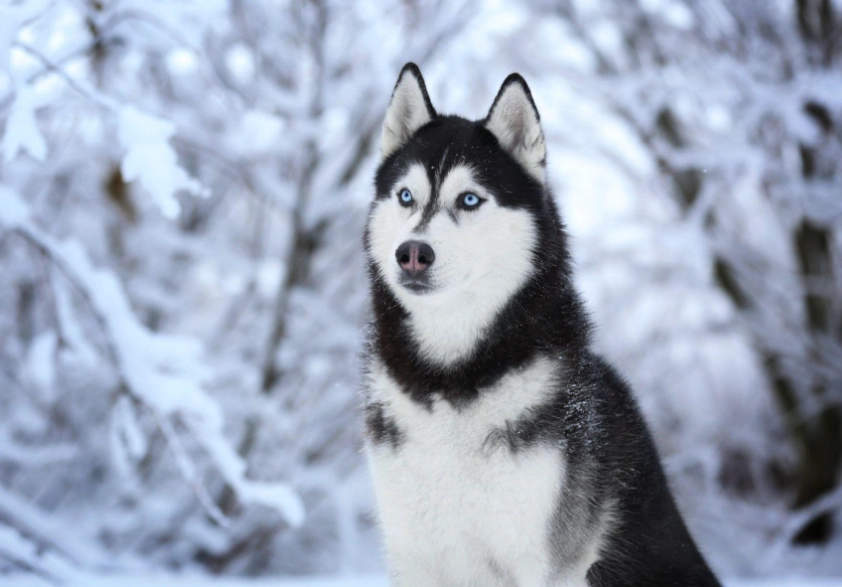
What Exactly Is a Siberian Husky? A Dash of History
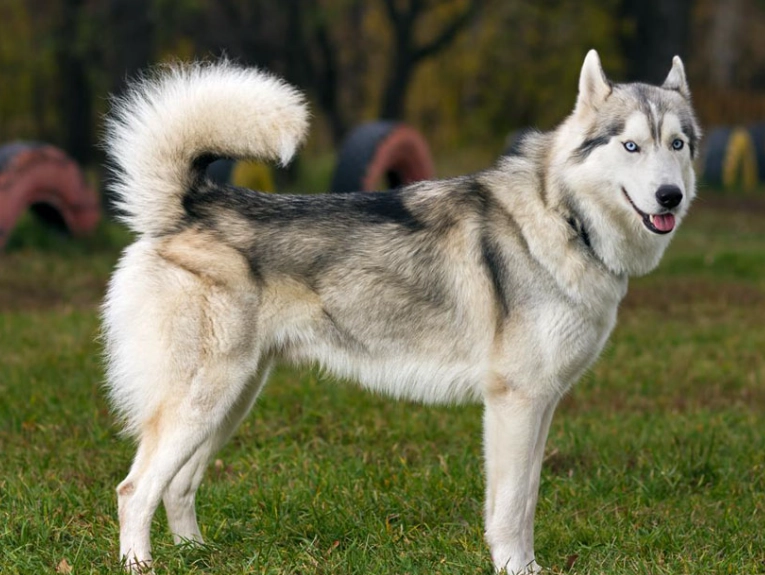
The Siberian Husky Personality: Key Traits You MUST Understand
The Energy Level (It's Not a Joke)
Independence & Stubbornness
The Vocalizations (It's Not Just Barking)
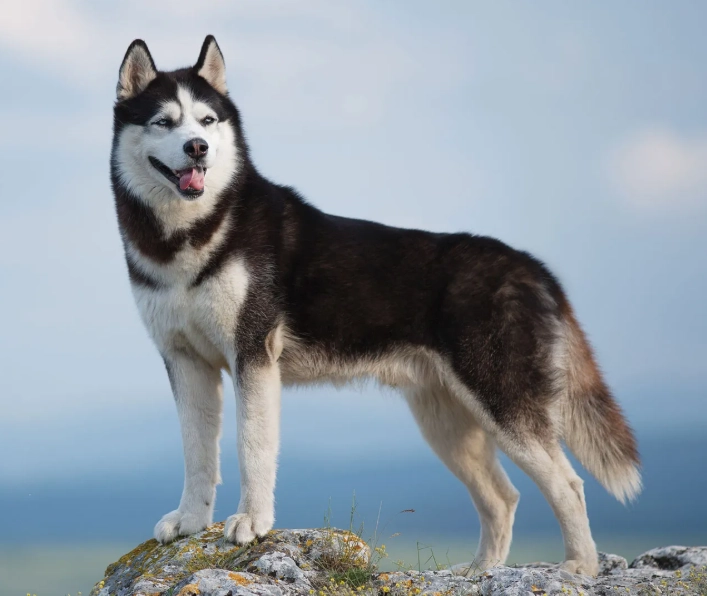
Friendliness & Pack Drive
Siberian Husky Care: The Daily Grind
Exercise: Non-Negotiable Needs
Grooming: The Blowout is Real
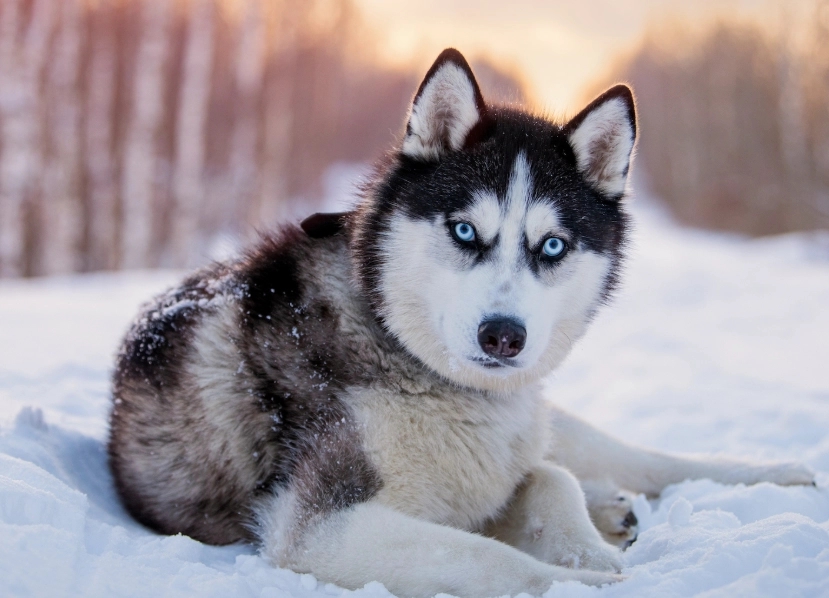
Diet & Nutrition
Common Health Issues to Watch For
Condition
What It Is
Notes
Hip Dysplasia
A malformation of the hip joint that can lead to arthritis.
Ask breeders for Orthopedic Foundation for Animals (OFA) or PennHIP clearance. The American College of Veterinary Internal Medicine has resources on managing joint health.
Progressive Retinal Atrophy (PRA)
A degenerative eye disease that leads to blindness.
Reputable breeders test for this. Can be detected early by a veterinary ophthalmologist.
Hypothyroidism
Underactive thyroid gland, causing weight gain, lethargy, skin issues.
Easily managed with daily medication prescribed by a vet.
Zinc-Responsive Dermatosis
A skin condition where the dog can't absorb zinc properly, leading to crusty skin lesions.
More common in Northern breeds. Treated with zinc supplements.
Are You a Good Fit for a Siberian Husky? The Honest Checklist
Training Your Siberian Husky: Strategies That Actually Work
Debunking Common Siberian Husky Myths
Frequently Asked Questions (The Real Ones People Ask)
Final Thoughts: Is the Siberian Husky Right For You?
Quick Reality Check: If you want a dog that will lounge on the couch all day and obediently follow every command without question, close this tab and go look at Bulldogs. Seriously. The Siberian Husky is a commitment, not an accessory.
Koda has a specific "aroo-rooo" he makes when he's deeply offended, like when I'm late with dinner. It's like living with a furry drama student.
Pro Tip: Get a high-velocity dryer (the kind groomers use). It's a game-changer for blasting out loose undercoat during shedding season and cuts brushing time in half.
Myth Buster: "Huskies are untrainable." False. They are highly trainable, but they are not subservient. The training just looks different. It's a negotiation, not a dictatorship.
Are Siberian Huskies good with kids?
Generally, yes! Their friendly, playful nature often makes them great companions for older children who understand how to interact respectfully with dogs. Their high energy can accidentally knock over toddlers, so supervision is always necessary. Teach kids not to bother the dog while it's eating or sleeping.
Do Siberian Huskies get along with cats?
This is a major it depends. Their high prey drive is a real concern. Successful cat cohabitation usually requires raising the Husky puppy from a young age with the cat, and even then, the cat must have plenty of high escape routes and safe spaces. Never leave them unsupervised. Introducing an adult Husky with a strong prey drive to a resident cat is very risky and often not recommended.
How long do Siberian Huskies live?
A healthy Siberian Husky has a typical lifespan of 12 to 15 years. Providing proper diet, exercise, and preventative veterinary care is the best way to help them reach their full lifespan.
Are male or female Huskies better?
This is more about individual personality than gender. Some say males are goofier and more affectionate, while females can be more independent and focused. The differences are often subtle and outweighed by the specific dog's unique traits. Focus on finding a well-tempered dog from a responsible source, regardless of sex.
How much does a Siberian Husky cost?
A puppy from a reputable, health-testing breeder typically ranges from $1,000 to $2,500+. The initial cost is just the beginning. Factor in high-quality food, routine vet care, grooming tools, training, insurance, and replacing the occasional chewed-up shoe. Adoption from a breed-specific rescue is a wonderful (and often less expensive) option, with fees usually ranging from $300-$600.
Comment