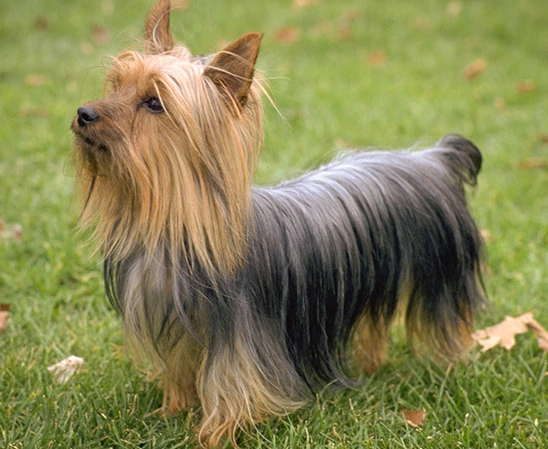
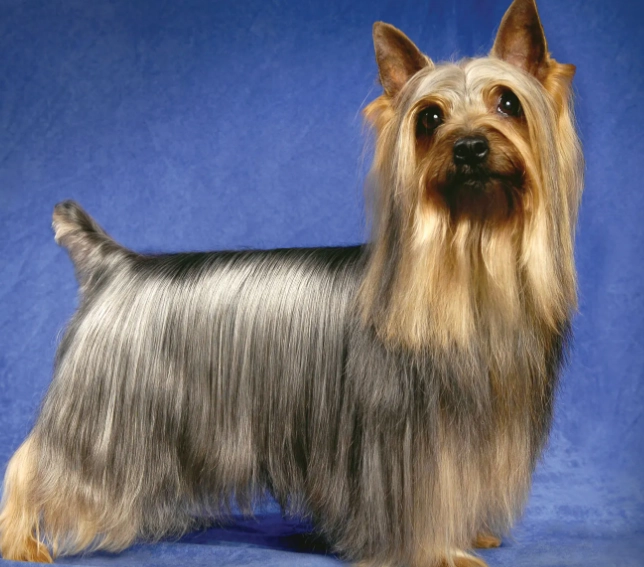
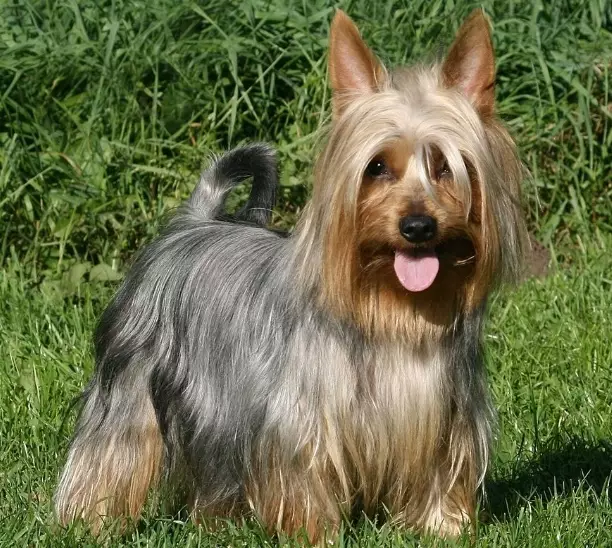
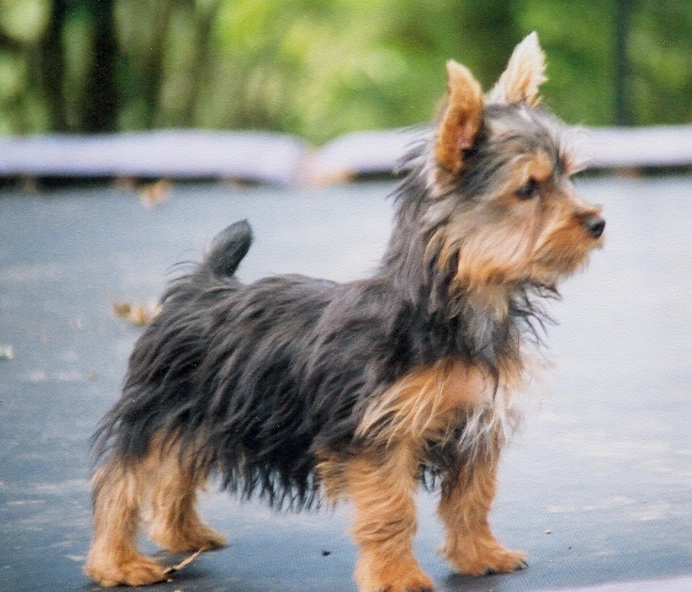
Let's talk about the Silky Terrier. You've probably seen pictures – that gorgeous, flowing blue and tan coat, those bright, alert eyes. They look like a tiny, elegant aristocrat. But I'm here to tell you, that's only half the story. Living with a Silky is like having a five-pound tornado with the heart of a lion and the brain of a mischievous genius. It's fantastic, frustrating, and never, ever boring. I've had my girl, Luna, for seven years now. I went in thinking I was getting a low-maintenance lapdog. Boy, was I wrong. What I got was a fiercely loyal, incredibly smart, and sometimes stubborn partner in crime. This guide is everything I wish I'd known before I brought her home, mixed with the hard-earned wisdom from vets, groomers, and other Silky owners I've met along the way. You can't really understand a Silky Terrier without knowing where they came from. This isn't some ancient breed; they're a relatively recent invention from Australia. Back in the late 1800s, breeders in Sydney decided to cross the native Australian Terrier (a tough little ratter) with the imported Yorkshire Terrier (valued for that beautiful silky coat). The goal was simple: create a terrier that kept the Yorkie's stunning coat but had more of the Australian Terrier's substance, color, and terrier spirit. It worked. By the early 20th century, the "Sydney Silky" was a recognized type. The American Kennel Club (AKC) officially gave them their own spot as the Silky Terrier in 1959. It's always good to check the AKC's official Silky Terrier breed standard to see the blueprint for the breed. That mixed heritage explains everything. From the Yorkie, they got the glamorous, floor-length coat. From the Australian Terrier, they got a sturdier build, a stronger prey drive, and that independent, "I-can-do-it-myself" terrier attitude. They were never meant to be just ornaments; they were working dogs, bred to control snakes and rodents. That history is still written in their DNA. If you want a dog that just sits and looks beautiful, get a stuffed animal. A Silky Terrier is a live wire. Their temperament is a fascinating cocktail. First, they are fearlessly confident. Luna has never once acknowledged that she weighs less than most housecats. She'll stand her ground against dogs ten times her size, which can be nerve-wracking if you're not prepared to manage that boldness. This isn't aggression; it's a profound lack of understanding that she's small. It's terrier tenacity in a tiny package. They're also incredibly alert and vocal. Your Silky will be the best doorbell and security system you ever had. A leaf blows across the yard? Bark. The mail carrier approaches? Bark. A ghost from the 18th century manifests in your hallway? Definitely bark. This makes them excellent watchdogs, but it can tip into nuisance barking if you don't train them from day one what's worth alerting you to. I learned this the hard way; the first month was a symphony of barks at everything. Here's a personal observation a lot of breed guides gloss over: Silkies can be selectively affectionate. Luna is glued to my side, but she's not a frantic, lick-your-face-constantly kind of dog. She shows love by being near me, by bringing me her toys, by a gentle paw on my leg. She reserves her exuberant, wiggly greetings for when I come home after being out for a few hours. Don't expect a Golden Retriever's constant effusiveness; a Silky's love is deep but often quiet and proud. With families, they can be great, but there are caveats. A well-socialized Silky Terrier is usually fine with respectful, older children who understand how to handle a small dog gently. Their small size and sometimes touch-sensitive nature (those long hairs can get pulled!) mean they are not the best match for very young, rambunctious toddlers. It's a safety thing for both the kid and the dog. As for other pets, that terrier prey drive is real. Introducing a Silky to a resident cat requires extremely careful, supervised introductions, and success isn't guaranteed. Small pets like hamsters, birds, or rabbits will almost always be seen as prey, not friends. With other dogs, especially if raised together, they can do well, but their big-dog attitude can sometimes ruffle feathers with larger breeds who don't appreciate being bossed around by a tiny upstart. This is probably the most common question people have. They look so similar! But once you know the differences, they become obvious. It's like telling apart two similar car models. The easiest way to remember it? Think of the Silky Terrier as the sporty, outdoor cousin. The Yorkie is the glamorous, indoor cousin. Both are fabulous, but they bring different energies to the table. Okay, let's get real about the hair. It's stunning. It's also a part-time job. That long, silky coat is prone to tangles and mats, especially behind the ears, under the legs, and around the collar. If you let it go, it will turn into felted clumps that are painful to remove. I learned this after a busy week where I skipped a few brushings. Never again. Here's the non-negotiable routine: Pro Groomer Tip I Picked Up: When brushing, mist the coat lightly with a mix of water and a dab of conditioner. It prevents static and makes the comb glide through without breakage. Dry brushing can snap those fine hairs. Now, the big question: Do Silky Terriers shed? This is where people get confused. They are not non-shedding like a Poodle. They shed, but because their hair is so long and fine, the shed hairs often get caught in the rest of the coat instead of falling to the floor. That's why daily brushing is critical—you're removing that dead hair before it can form mats. You'll find less hair on your couch than with a Labrador, but you'll fill up a brush pretty quickly. Generally, the Silky Terrier is a robust, healthy little dog with a lifespan of 13-15 years. But like all purebreds, they have some predispositions to be aware of. Responsible breeders test for these. Common Health Considerations: Finding a good vet who understands small breed and terrier specifics is crucial. They can help you set up a preventative care plan. Silkies are active, so they need a high-quality diet formulated for small, active breeds. Be very careful with portion control. It's so easy to overfeed a small dog, and just half a pound of extra weight is a huge burden on their tiny frames and can exacerbate issues like tracheal collapse or patellar luxation. I feed Luna measured meals twice a day, rather than free-feeding. I also use puzzle toys to make her work for her kibble. It satisfies her brain and slows down her eating. Watch for allergies too—some can be sensitive to chicken or grains, though it's individual. This is where the rubber meets the road. A bored Silky Terrier is a destructive Silky Terrier. They are smart, which means they learn quickly—both the good stuff and the bad. Exercise needs: Don't let the size fool you. A couple of short walks a day won't cut it. They need 30-45 minutes of active exercise daily. This could be a brisk walk, a vigorous play session in a safely fenced yard (they are master escape artists, so check that fence for tiny holes!), or interactive games like fetch or flirt pole. Mental exercise is just as important. Puzzle toys, scent work (hiding treats), and learning new tricks will tire them out faster than a five-mile run. Training philosophy: Positive reinforcement is the only way to go with this breed. They are sensitive to tone and remarkably proud. Harsh corrections will make them shut down or become sneaky. Use treats, praise, and play. But you have to be consistent. They will test boundaries. Housetraining can be a challenge due to their small bladders and sometimes stubborn nature. Crate training is highly recommended and was a lifesaver for me. Their intelligence means they excel at dog sports like agility, rally, or even barn hunt (channeling that prey drive!). It's a fantastic way to bond and give them a job. The Stubborn Streak: Let's be honest. That famed terrier independence means they sometimes weigh the cost-benefit of listening to you. If a squirrel is more interesting than your "come" command, you will lose. Reliable recall in an unfenced area is a lifelong training project with a Silky. Always use a leash unless in a secure area. Let's do a quick gut check. A Silky Terrier might be your perfect match if: You might want to reconsider if: If you decide a Silky is for you, the next step is finding one. Please, do not buy from a pet store or a website that ships puppies. These are almost always puppy mills. Finding a Reputable Breeder: A good breeder's goal is to improve the breed. They will: Considering Rescue: Wonderful adult Silkys end up in rescue through no fault of their own—an owner passes away, a divorce, a lifestyle change. Adopting an adult can be fantastic because what you see is what you get: their personality and grooming needs are already established. Check with the Silky Terrier Club of America's rescue network or look on Petfinder. Let's blast through some of the most common, specific questions people type into Google. No dog is 100% hypoallergenic. Allergies are usually to dander (skin flakes) and saliva, not just hair. Because Silkys shed less visibly and produce less dander than many breeds, they are often better for people with mild allergies. But if you have severe allergies, spend time with a few Silkys before committing. From a reputable breeder, expect $1,500 to $3,000. This reflects the cost of health testing, quality care, and the breeder's expertise. The initial cost is the smallest part of dog ownership. Grooming, food, vet care, and insurance will add up over their lifetime. They are easy to teach but can be hard to convince. They learn commands in a flash because they're smart. Getting them to obey consistently, especially when distracted, requires patience, high-value treats, and making yourself more interesting than the environment. It's a fun challenge. They are companion dogs and do best with company. Leaving an adult Silky alone for 4-6 hours in a well-prepared, safe space (think crate or puppy-proofed room) is usually fine if they've been exercised first. Longer than that regularly can lead to separation anxiety and destructive boredom. They are not suited to being left alone all day while you work. All the usual suspects for dogs: chocolate, xylitol (in sugar-free gum/peanut butter), grapes/raisins, onions, garlic, alcohol, and caffeine. Also, be super careful with fatty foods (can cause pancreatitis) and cooked bones (can splinter). When in doubt, check the ASPCA's poison control list. Living with a Silky Terrier is a commitment to vibrancy. They are not a background dog. They are a central, engaging, sometimes demanding character in your life's story. They will make you laugh with their antics, frustrate you with their stubbornness, and awe you with their loyalty and intelligence. That stunning coat is a symbol of the care they require—both physical and emotional. If you're ready for a dog that's equal parts elegance and scrappy spirit, a dog that will keep you on your toes and remind you to find joy in the chase (of a ball, a scent, or a dream), then the Silky Terrier might just be your perfect, pint-sized partner. Do your homework, find a good breeder or rescue, stock up on good brushes and high-value treats, and buckle up. It's a wonderful ride.Quick Guide to Silkys
Where Did This Pocket-Sized Dynamo Come From?
The Silky Terrier Personality: More Than Just a Pretty Face
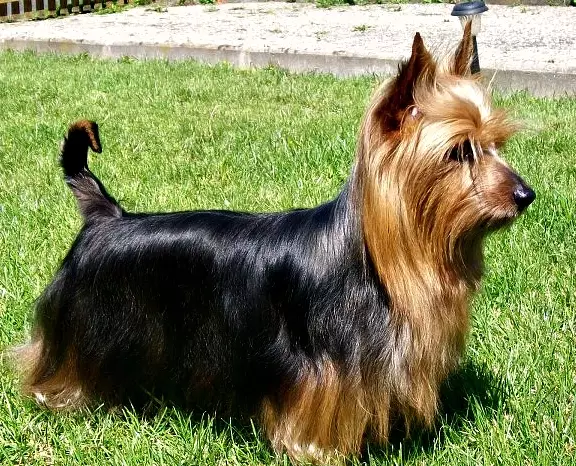
The Great Debate: Silky Terrier vs. Yorkshire Terrier
Feature
Silky Terrier
Yorkshire Terrier
Size & Build
Larger, more substantial. 9-10 inches tall, 8-10 lbs. Longer body, sturdier bone.
Smaller, finer. Usually under 7 lbs. More delicate, "toy" build.
Coat Color & Texture
Blue & Tan. The blue is a darker steel-blue. Coat is fine, silky, but has a slight undercoat, giving more body. Falls in a straight, side-part.
Steel Blue & Gold. The blue is lighter, often a mix. Coat is very fine, hair-like, no undercoat. Often top-knotted.
Head & Ears
Moderately wedge-shaped head. Ears are small, V-shaped, set high, and stand erect.
Smaller, neater head. Ears are small, V-shaped, and carried erect.
Temperament
More terrier-like: Confident, bold, higher prey drive, more independent. A "big dog" personality.
More companion-oriented: Can be feisty, but often more content to be a lapdog. Less intense prey drive.
Origin
Australia (Australian Terrier x Yorkie)
England (developed during Industrial Revolution)
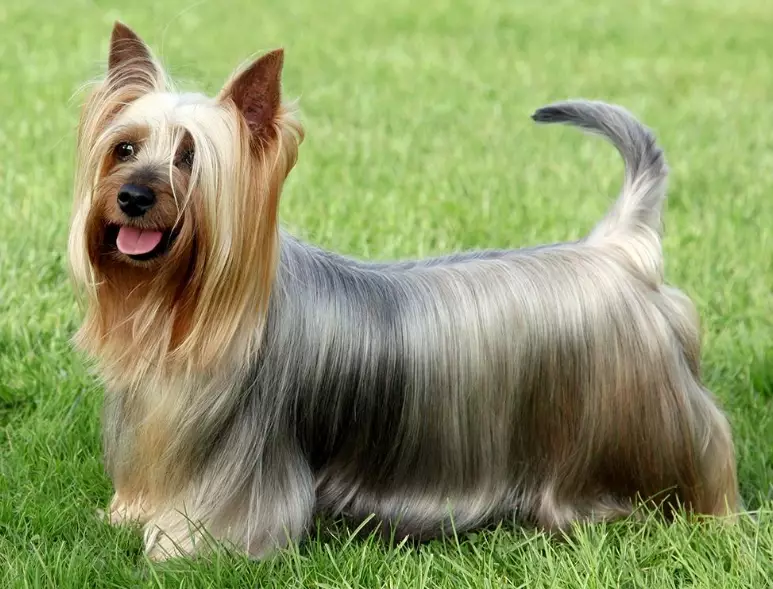
The Reality of That Gorgeous Coat: Silky Terrier Grooming
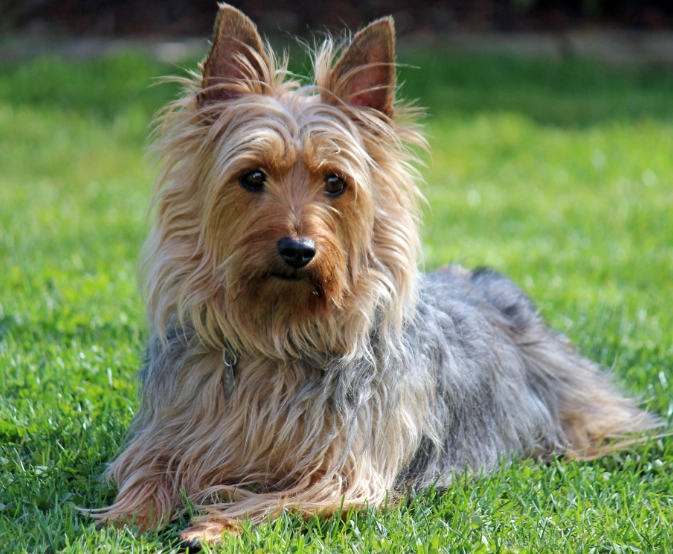
Keeping Your Silky Healthy and Happy
Feeding Your Little Dynamo
Training and Exercise: Taming the Tiny Tornado
Is a Silky Terrier the Right Dog for You?
Finding Your Silky Terrier: Breeder vs. Rescue
Silky Terrier FAQs: Your Quick-Answer Section
The Final Word
Are Silky Terriers hypoallergenic?
How much does a Silky Terrier puppy cost?
Are Silky Terriers easy to train?
Can Silky Terriers be left alone?
What human foods are dangerous for them?
Comment