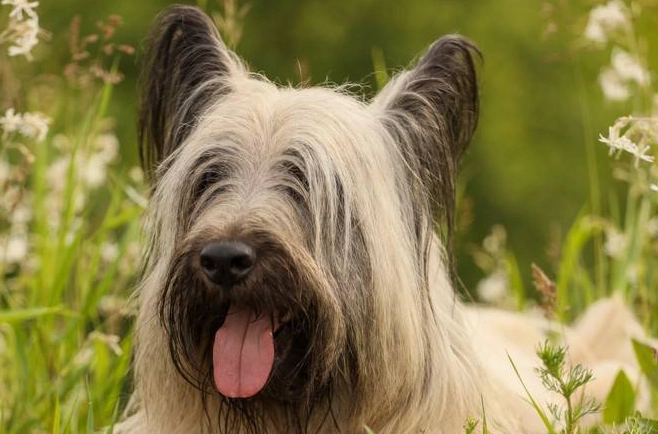
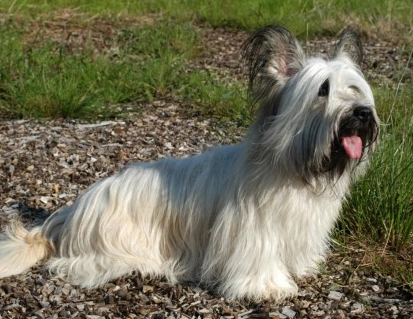
You know, sometimes you stumble upon a dog breed that looks like it walked straight out of a medieval tapestry. That was my first thought when I saw a Skye Terrier in person at a rare breed show years ago. It wasn't just the hair – and there's a lot of it – but the way it carried itself. Dignified, aloof, but with these incredibly observant, intelligent eyes peeking out from behind that majestic curtain of fur. It's a look that says, "I've seen things." And frankly, this breed has. The Skye Terrier's history is as long and flowing as its coat, stretching back centuries on the rugged Isle of Skye in Scotland. But let's be real. That glorious coat isn't just for show, and that independent spirit isn't for everyone. If you're thinking about bringing one of these unique dogs into your life, you've got to go in with your eyes wide open. This isn't your average, eager-to--please, fetch-obsessed pup. Owning a Skye Terrier is more like having a fiercely loyal, somewhat opinionated, and incredibly elegant roommate who happens to walk on four legs. This guide is here to peel back those layers of hair and history to show you what living with a Skye is really like – the good, the challenging, and the utterly unforgettable. To understand the Skye Terrier, you really have to start where it all began. We're talking about the misty, windswept Isle of Skye off the west coast of Scotland. This isn't a breed cooked up in a modern kennel for a specific job; it evolved over hundreds of years, shaped entirely by its harsh, beautiful environment. Their original job? Going to ground. And I don't mean sulking. I mean literally diving into the dens and burrows of foxes, badgers, and otters that threatened livestock. Imagine that courage – a relatively small dog taking on a badger in its own dark, underground tunnel. That takes a specific kind of tenacity. Their famous coat was their armor. That long, hard, straight hair protected their vital organs from bites and scratches during those underground battles. The parting down the back? It likely helped shed water and mud as they navigated the wet Scottish terrain. Everything about the classic Skye Terrier appearance served a purpose long before it became a show-stopper. Their journey from working terrier to cherished companion is fascinating. They caught the eye of nobility, most famously becoming a favorite of Queen Victoria in the 19th century. You can find portraits of her with her beloved Skyes. That royal endorsement skyrocketed their popularity among the upper classes. But here's the interesting twist: while many breeds explode in popularity and their lines diversify wildly, the Skye Terrier never really did. It remained a niche, somewhat exclusive breed. This has helped preserve its original type and temperament remarkably well, but it also means they're one of the rarest breeds you'll encounter today. Organizations like the American Kennel Club (AKC) consistently list them as a vulnerable native breed, with registrations numbering only in the hundreds each year. Okay, so they look like a walking rug with a soul. But what's going on inside that intelligent head? If I had to sum up the Skye Terrier temperament in a few words, I'd say: reserved, devoted, and thoughtfully independent. This is not a golden retriever. They don't typically shower strangers with kisses and wagging tails. With new people, a Skye is more likely to be politely distant, maybe even a bit aloof. They'll assess the situation, decide if you're worth their time, and then maybe – just maybe – grant you their approval. It's not aggression; it's discernment. This wariness stems from their history as watchdogs on remote Scottish farms. But with their family? That's a different story. The loyalty of a Skye Terrier is profound. They form an incredibly deep, almost singular bond with their person or family. They want to be with you, often following you from room to room just to be in your presence. They're not necessarily lap dogs demanding constant petting (though some enjoy it), but they are companion dogs in the truest sense. They thrive on quiet companionship. Now, about that terrier label. Yes, they are terriers, which means they have spirit, courage, and a mind of their own. But compared to, say, a Jack Russell, the Skye's energy is more contained. They're not typically yappy or constantly bouncing off the walls. Their intelligence is quiet and observant. They learn quickly, but they might also question why they should do what you're asking. Stubborn? Sometimes. You need to use positive, motivating training methods. Harsh corrections will just make them shut down. Early socialization is non-negotiable. Exposing a young Skye Terrier puppy to a wide variety of people, places, sounds, and other animals in a positive way is the best way to ensure they grow into a confident, well-adjusted adult. This is where the rubber meets the road. That gorgeous coat is your daily responsibility. Let's not sugarcoat it: grooming a Skye Terrier is a commitment. It's not just about keeping them pretty; it's about preventing painful mats and maintaining healthy skin. Forget weekly brushing; we're talking daily or every-other-day maintenance for a full-coated dog. You need a good steel comb and a slicker brush. The goal is to comb all the way down to the skin, section by section, to prevent any tangles from forming close to the base. If you let it mat, you'll likely have to shave it, and it takes years to grow back properly. Many owners opt for a shorter, "pet trim" that's much more manageable while still looking adorable. Bathing is only needed every few months or when they get dirty, as over-bathing can strip their coat's natural oils. Beyond the coat, you've got the basics: regular nail trims, ear cleaning (those drop ears can trap moisture), and dental care. Starting all of this when they're a puppy is key, so they learn to tolerate and even enjoy the process. Here's some good news: the Skye Terrier is not a high-energy breed that needs miles of running. A couple of good walks a day, some playtime in a securely fenced yard, and they're usually satisfied. They love sniffing and exploring on walks – engaging their mind is as important as tiring their body. They can do well in apartments or houses, as long as their exercise needs are met. But remember their heritage: they are hunters. A secure fence is a must, as a fleeing squirrel can trigger a deep-seated prey drive. And digging? It's a distinct possibility. That terrier instinct is still in there. They're not huge eaters. A high-quality commercial dog food appropriate for their age (puppy, adult, senior) and size is perfect. Portion control is important to prevent obesity, which can sneak up on a lower-energy breed. Because they are a deep-chested breed, it's wise to feed them two smaller meals a day rather than one large one and to avoid vigorous exercise right after eating to help reduce the risk of bloat (more on that in health). The amounts above are a starting point. Always adjust based on your individual dog's metabolism, activity level, and the specific food you're using. Your vet is your best guide here. Generally, the Skye Terrier is a hardy breed with a good lifespan of 12 to 14 years. But like all purebreds, they have some predispositions to certain conditions. Being aware is the first step to prevention and early intervention. One of the most serious concerns is Canine Autoimmune Thyroiditis. This is where the immune system attacks the thyroid gland. It's so common in the breed that responsible breeders screen their dogs for it. Symptoms can be vague – weight gain, lethargy, skin issues – but it's easily managed with daily medication if diagnosed. Asking a breeder for thyroid screening results from organizations like the Orthopedic Foundation for Animals (OFA) is a smart move. Another significant concern is Gastric Dilatation-Volvulus (GDV), or bloat. This is a life-threatening emergency where the stomach fills with gas and can twist. Deep-chested breeds like the Skye are at higher risk. Knowing the signs (restlessness, drooling, unproductive retching, distended abdomen) and getting to a vet immediately is crucial. Preventative measures include feeding multiple small meals, using slow-feed bowls, and avoiding exercise around mealtimes. Other conditions to be aware of include: The best thing you can do is partner with a vet who understands the breed (or is willing to learn) and stay on top of wellness checks. Resources like the Cornell University College of Veterinary Medicine's canine health center provide excellent, vet-reviewed information on these conditions. Let's cut to the chase. A Skye Terrier isn't for everyone. They're a special dog for a specific kind of person. Ask yourself these questions honestly: If you answered yes to most of these, you might just be the perfect match for this noble, ancient breed. Because they are so rare, finding a Skye Terrier requires patience and diligence. Going through a reputable breeder is the most common path. A good breeder will be a member of the national breed club (like the Skye Terrier Club of America). They will health test their breeding stock (thyroid, hips, eyes, liver), raise puppies in their home, ask you as many questions as you ask them, and offer lifelong support. They will not have puppies available constantly. Be prepared to get on a waiting list. The price will reflect all this careful work. Rescue is a less common but incredibly rewarding option. Breed-specific rescues like those affiliated with the national club occasionally have Skye Terriers or Skye mixes in need of homes. These are often adult dogs whose circumstances changed. Adopting a rescue can give a wonderful dog a second chance, and you might get a clearer picture of an adult dog's personality upfront. Let's tackle some of the most common questions that pop up when people are researching this breed. So, there you have it. The Skye Terrier in all its complex, hairy, loyal glory. They're not the easiest breed, but for the right person, they are arguably one of the most rewarding. They offer a connection to history, a lesson in quiet dignity, and a bond of loyalty that is truly profound. If you're willing to put in the work – especially with that comb – you'll gain a companion unlike any other. Just be prepared to answer the question, "What kind of dog is that?" about a hundred times on your walks. And you'll probably say it with a smile, because you'll know you're walking with a living piece of history.Your Skye Terrier Journey: A Map
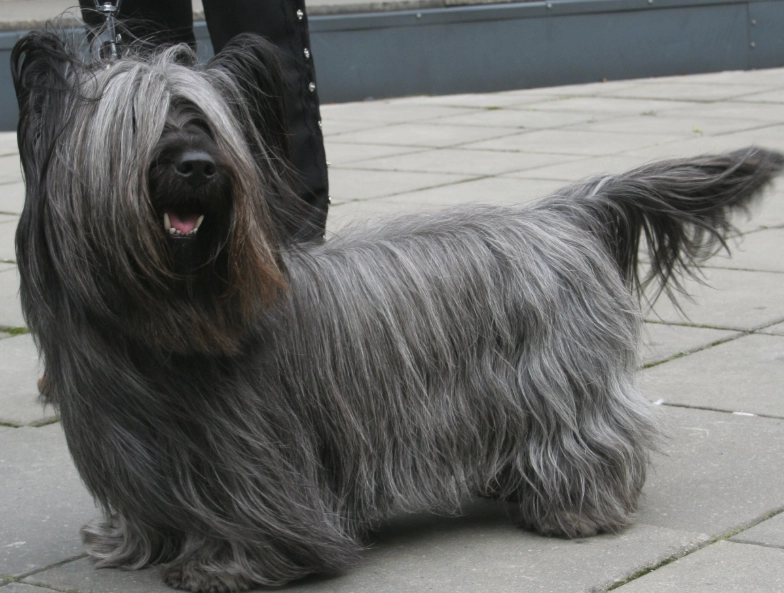
From Scottish Cliffs to the Lap of Luxury: A Storied History
What Makes a Skye Terrier Tick? Personality & Temperament Decoded
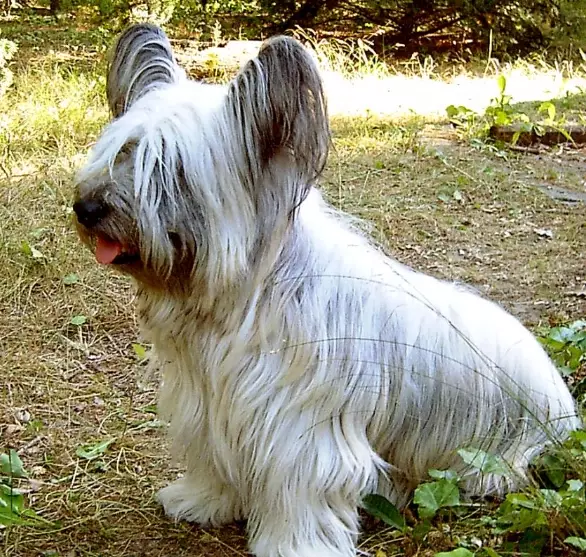
Living with a Skye: Care, Grooming, and Daily Life
The Grooming Reality Check
Exercise & Living Space
Feeding Your Skye Terrier
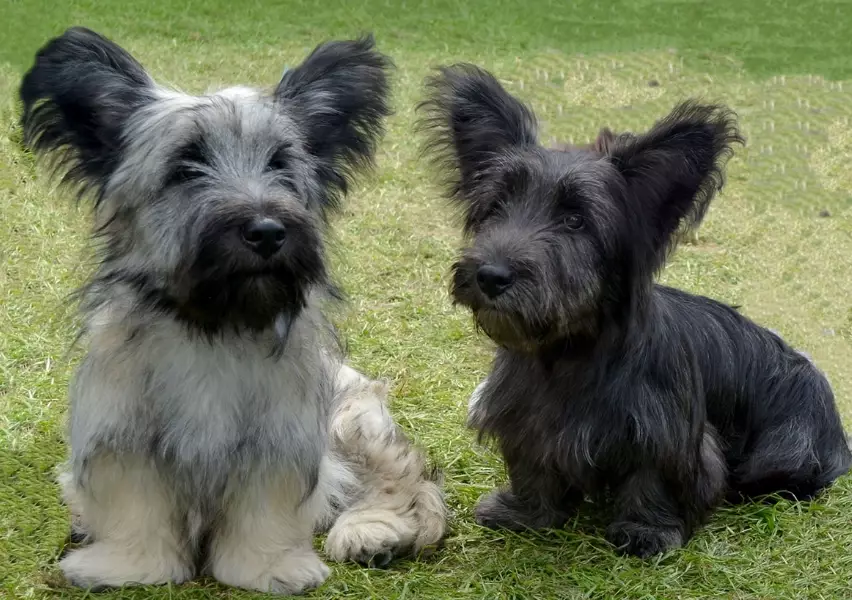
Life Stage Daily Food (High-Quality Dry) Key Nutritional Focus Puppy (2-12 months) 1 to 1.5 cups, split into 3-4 meals Controlled growth, DHA for brain development Adult (1-7 years) 1 to 1.5 cups, split into 2 meals Weight maintenance, lean muscle support Senior (8+ years) ~1 cup, split into 2 meals Joint health, easily digestible protein, lower calories Keeping Your Skye Terrier Healthy: What to Watch For
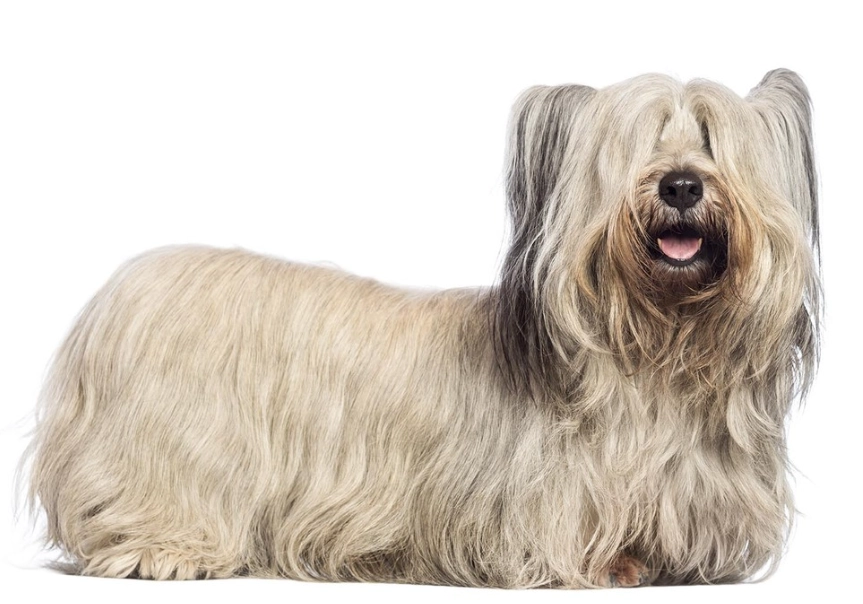
Is a Skye Terrier the Right Dog for You? The Honest Checklist
Finding Your Skye Terrier: Breeder vs. Rescue
Skye Terrier FAQs: Your Quick-Answer Section
Fun Fact: The most famous Skye Terrier of all might be Greyfriars Bobby, a dog in Edinburgh who supposedly guarded his master's grave for 14 years. The story is a mix of legend and history, but it cemented the breed's image of unwavering loyalty in the public mind.
Think Twice If: You want a dog that will happily play with every stranger at the park or eagerly greet your dinner guests. The Skye's reserved nature can be mistaken for unfriendliness, but it's just how they're wired. They're a one-family dog.
I remember talking to a longtime Skye Terrier owner who said the two things she never compromises on are thyroid screening and bloat awareness. She told me, "The thyroid thing is for their long-term comfort, and knowing about bloat is for keeping them alive. Everything else is manageable." That stuck with me.
Are Skye Terriers good with other pets?
It depends and requires careful introduction. Their strong prey drive means small animals like rabbits, hamsters, or cats may be seen as, well, prey. They can live peacefully with cats they are raised with from puppyhood. With other dogs, they can do well, especially if socialized early, but some Skyes prefer to be the only dog, enjoying the full attention of their humans.
Are Skye Terriers hypoallergenic?
No dog is 100% hypoallergenic. Skye Terriers have a double coat that sheds, though the shedding is often less noticeable than with short-haired breeds because the loose hair gets caught in the long topcoat. However, they do produce dander and saliva, which are the usual allergy triggers. Spending time with one before committing is essential if allergies are a concern.
How much exercise does a Skye Terrier really need?
Moderate. Two 20-30 minute walks a day, plus some playtime or mental enrichment (like a snuffle mat or training session), is usually sufficient. They are sprinters, not marathon runners, and are often content to be couch potatoes after their daily outings.
Are they difficult to train?
They are intelligent and can learn quickly, but they have an independent streak. They respond best to short, positive, and motivating training sessions. Food rewards often work wonders. Harsh methods will fail. Consistency and patience are your best tools.
Why are Skye Terriers so rare?
A combination of factors: their specific care needs (grooming), their reserved temperament (not for everyone), and the fact that they were never massively overbred. Responsible breeding practices keep litters small and intentional, preserving the breed's health and integrity but limiting numbers.
Comment