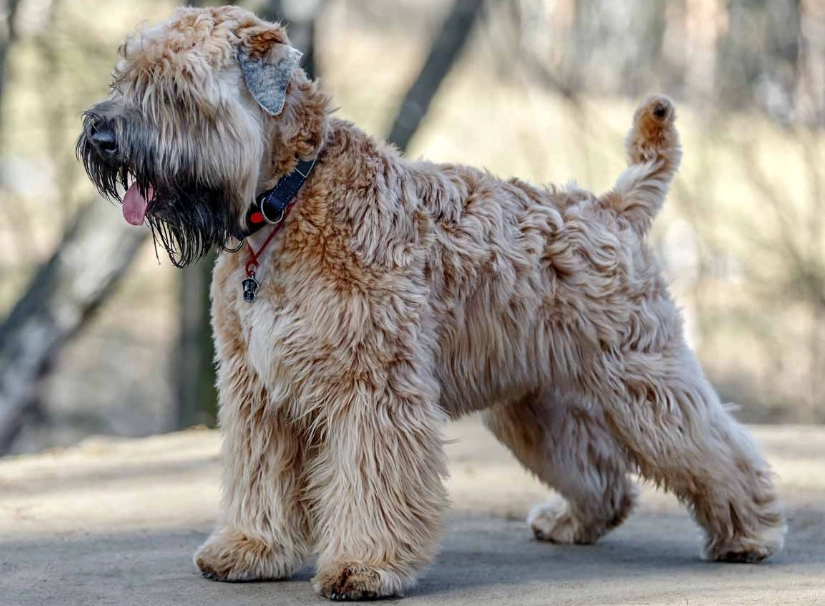
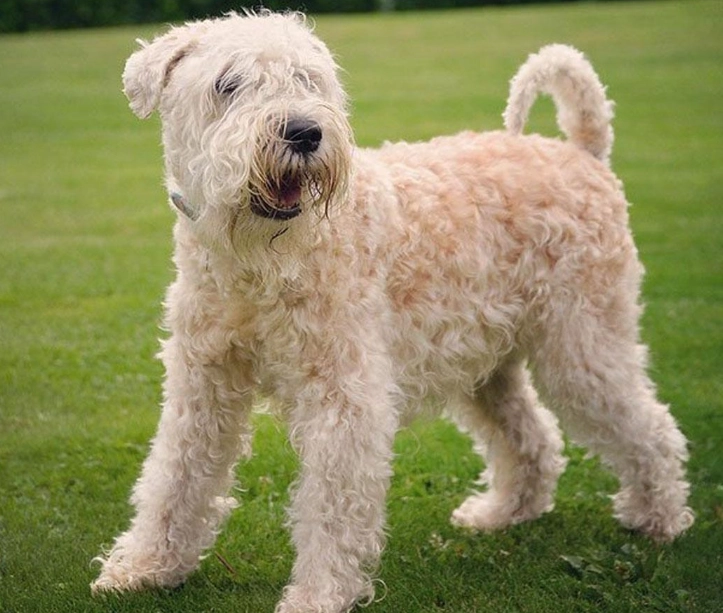
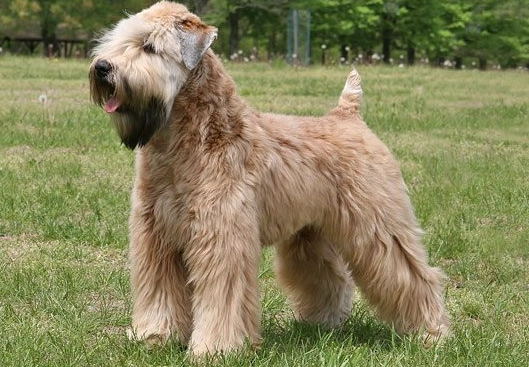
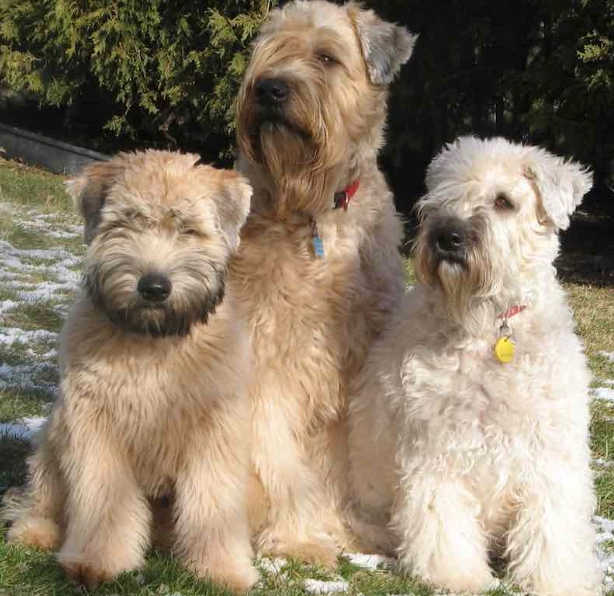
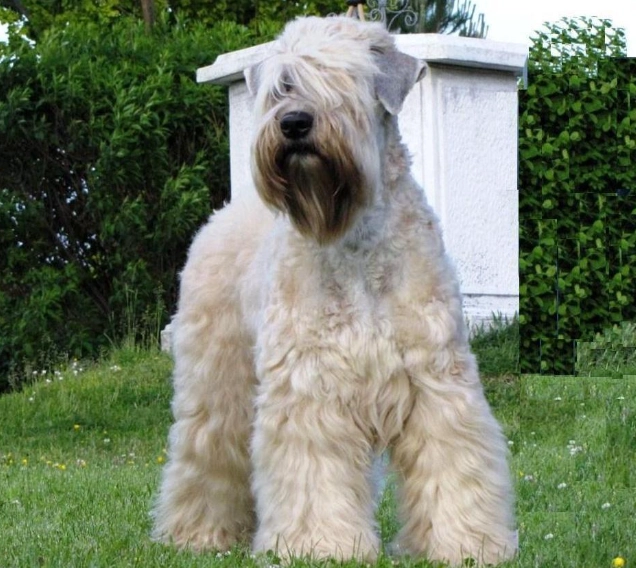
So you're thinking about a Soft Coated Wheaten Terrier. That soft, wheaten-colored coat and that famously happy-go-lucky expression in photos are hard to resist. I get it. Before my neighbor got one, I thought they were just pretty, medium-sized dogs with great hair. Turns out, there's a whole lot more going on under that silky topcoat. This isn't just another generic breed summary. We're going to dig into what it's really like to live with a Wheaten. The good, the challenging, the downright messy parts of grooming, and the heart-meltingly good bits too. Whether you're just curious or seriously considering bringing one of these Irish charmers home, this guide aims to be the only one you'll need. The Soft Coated Wheaten Terrier hails from Ireland, where they were originally bred as an all-purpose farm dog. Think about it: they had to herd cattle, hunt vermin, and guard the homestead. That explains a lot about their personality—tough, intelligent, and always ready for action. They weren't just pretty faces; they were working dogs. It's a heritage that still shines through in their energy and intelligence today. They're one of the four native Irish terrier breeds, but it took a while for them to get international recognition. The American Kennel Club (AKC) only recognized the Soft Coated Wheaten Terrier in 1973. Sometimes I wonder if their late arrival on the formal scene helped them avoid some of the extreme breeding for show that has impacted other breeds. They still feel... authentic. People throw around the term "happy" a lot with dogs, but with Wheatens, it's genuinely their defining trait. They have this joyful, bouncy attitude to life. My neighbor's dog, Seamus, greets every single day like it's the best one ever. A walk? Amazing! Breakfast? Incredible! A piece of carrot? Life-changing! But here's the terrier part: they're bold and confident. They were bred to think for themselves on a farm, which means they can be stubborn. It's not malice; it's independence. You can't just command a Soft Coated Wheaten Terrier. You have to convince them that what you're asking is a fantastic idea. This can be frustrating if you're used to more biddable breeds. I've seen Seamus decide, mid-walk, that a particular sniffing spot is far more interesting than going home. His owner has to use all her negotiation skills (and treats) to get moving again. It's a classic Wheaten moment. Let's talk about the elephant in the room: that gorgeous, soft, wheaten-colored coat. It's the breed's namesake and its biggest commitment. Calling it "high maintenance" is an understatement. The coat is single-layered and silky, but it grows continuously. Without regular care, it will mat into solid, painful clumps close to the skin. I'm not trying to scare you off, but you need to go into this with eyes wide open. Grooming a Soft Coated Wheaten Terrier is a significant investment of both time and money. Is it worth it? For owners who enjoy the bonding time and love the look, absolutely. That flowing, golden coat is stunning. But many owners opt for a shorter, easier-care trim for their pet Soft Coated Wheaten Terrier to make life simpler. Training a Soft Coated Wheaten Terrier is an exercise in creative persuasion. They are smart—sometimes too smart for their own good. They'll learn a command in three repetitions, but then they'll spend the next week deciding if they feel like obeying it. Positive reinforcement is the only way to go. Harsh methods will backfire spectacularly with this sensitive breed. They respond to praise, play, and food. Lots of food. High-value treats are your best friend. Early socialization is absolutely critical. Expose your Wheaten puppy to all sorts of people, dogs, sounds, and experiences in a positive way. This helps curb any excessive wariness or barking. Puppy kindergarten classes are a great start. Common challenges include jumping up (the famous "Wheaten greetin'"), leash pulling (they are strong!), and that terrier propensity to bark at... well, everything. Consistency from every family member is key. If one person lets them jump and another doesn't, you're doomed. A bored Wheaten is a destructive Wheaten. It's that simple. These are energetic dogs bred to work all day. They need both physical and mental exercise. Daily Must-Dos: At least 45-60 minutes of activity. This can be two good walks, a run in a safely fenced yard, or a play session at the park. They love games like fetch, flirt poles, and agility-style activities. Mental Stimulation: Just as important! Food puzzle toys, scent games, hide-and-seek, and learning new tricks will tire out their busy brains. A tired Wheaten is a well-behaved Wheaten. Are they apartment dogs? It's possible, if you are absolutely committed to providing enough outdoor exercise. They can be barky, so consider your neighbors. A home with a securely fenced yard is ideal, but the fence needs to be solid—some Wheatens can be climbers or diggers. The average lifespan of a Soft Coated Wheaten Terrier is around 12-14 years. Generally, they are a robust breed, but like all purebred dogs, they are prone to certain health conditions. Responsible breeders test for these. Here’s a breakdown of the main health considerations for the breed, based on information from the Soft Coated Wheaten Terrier Club of America (SCWTCA) and the Orthopedic Foundation for Animals (OFA). When talking to breeders, don't be shy about asking for proof of health testing for these conditions. A good breeder will be transparent and proud to show you the clearances. Regular vet check-ups, a good diet, and maintaining a healthy weight are your best tools for a long, healthy life with your dog. This is the million-dollar question. Let's be brutally honest. A Wheaten is NOT a good fit if: A Soft Coated Wheaten Terrier COULD be your perfect dog if: If you decide a Wheaten is for you, please do your homework on where to get one. Choosing a Breeder: This is crucial. A good breeder's goal is to improve the breed, not just sell puppies. They will: Run, don't walk, from anyone who has multiple litters available, sells puppies online with no questions, or won't let you visit their home. Considering Rescue: Wonderful adult Wheatens sometimes need new homes through breed-specific rescues. Organizations like Wheaten Terrier Rescue work across regions. Adopting an adult can be rewarding—you often get a clearer sense of their personality and may skip the intense puppy phase. Living with a Soft Coated Wheaten Terrier is a commitment. It's a commitment to brushing, to training with a smile, to daily adventures, and to budgeting for groomers. It's not always easy. But. It is almost always joyful. The return on that investment is a dog of immense character. A dog who will make you laugh every single day with their antics. A soft, warm presence who believes your lap is the best place in the world. A loyal friend who greets you like a rockstar returning from a world tour, even if you just took out the trash. If you're ready for the work, a Soft Coated Wheaten Terrier will repay you with a lifetime of love, laughter, and yes, a fair bit of lint-rolling. Just maybe keep the vacuum handy.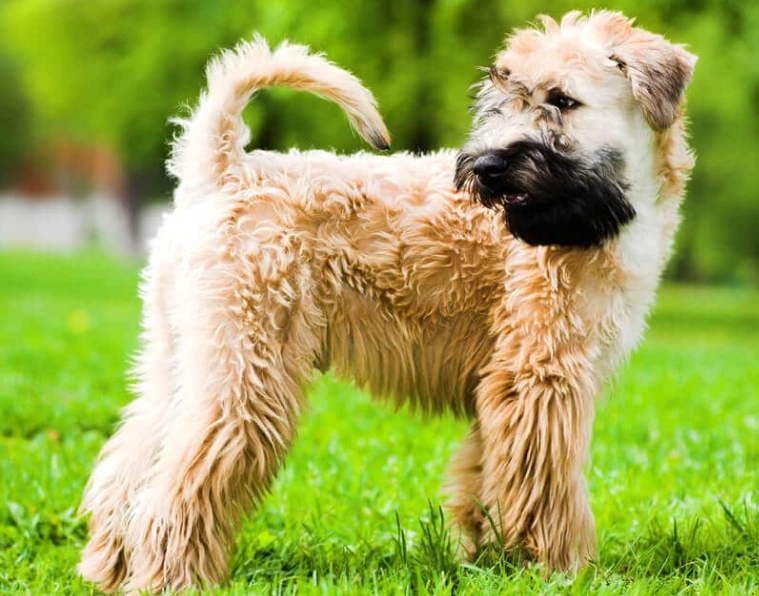
Your Wheaten Journey at a Glance
Where Did This Breed Come From? A Bit of Irish History
Soft Coated Wheaten Terrier Personality: Not Your Average Terrier
The Good Stuff (The Pros)
The Challenges (The Cons)
The Coat: Beauty and the Beast of Maintenance
Your Grooming Routine Non-Negotiables:
Training Your Wheaten: Patience, Humor, and Treats Required
Exercise & Living Needs: Not a Couch Potato
Health & Lifespan: What to Watch For
Health Condition
Description
Prevention/Screening
Protein-Losing Nephropathy (PLN) & Enteropathy (PLE)
These are two serious, often hereditary, conditions where the dog loses protein through kidneys (PLN) or intestines (PLE). They are major concerns for the breed.
Reputable breeders test parent dogs via urine tests (for PLN) and should provide results. No at-home screening, but know the signs: weight loss, vomiting, swelling.
Renal Dysplasia
A congenital kidney disease where the kidneys don't develop properly.
Breeders can screen parent dogs. Ask for OFA kidney certification.
Hip Dysplasia
A common orthopedic condition affecting the hip joint.
Ask breeders for OFA or PennHIP certification for the parents.
Addison's Disease
An endocrine disorder where the adrenal glands don't produce enough hormones.
Can be managed with medication if diagnosed. There is a genetic test available.
Is a Soft Coated Wheaten Terrier Right for YOU?
Finding a Reputable Source: Breeder vs. Rescue
Your Soft Coated Wheaten Terrier Questions, Answered
Final Thoughts: The Wheaten Verdict
Let's be clear from the start: a Soft Coated Wheaten Terrier is not a low-maintenance dog. If you want a pet that just chills on the couch with minimal effort, look elsewhere. But if you're ready for an energetic, affectionate, and often hilarious companion who will weave themselves into the fabric of your family, you might have just found your match.
Warning Sign: If you brush only the top layer and don't get the comb all the way to the skin, you're creating a hidden mat. These are painful and often have to be shaved out. Regular, proper brushing is a must.
The key to training a Soft Coated Wheaten Terrier is to make them think everything was their idea.
Are Soft Coated Wheaten Terriers really hypoallergenic?
This is the most common question. They are often called hypoallergenic because they shed very little, which reduces the amount of dander (a common allergen) released into your home. However, no dog is 100% hypoallergenic. Allergies are caused by proteins in saliva, urine, and dander. If you have severe allergies, spend time with a few Wheatens before committing to see how you react.
How much does it cost to own a Wheaten?
Beyond the initial purchase or adoption fee ($1500-$3000+ from a breeder), budget for: High-quality food ($60-$80/month), Professional grooming ($70-$120+ per session, every 4-8 weeks), Routine vet care (vaccinations, check-ups), and pet insurance (highly recommended given potential for breed-specific conditions). It's not a cheap breed to maintain properly.
Do they get along with other pets?
With proper socialization, they can do well with other dogs. Their high play drive can be a lot for some dogs. The bigger challenge can be smaller pets like cats, rabbits, or rodents. Their terrier prey drive is strong. Some Wheatens live peacefully with cats they are raised with, but it's not a guarantee. Always supervise introductions.
What's the difference between Irish and American-type Wheatens?
Good eye! There are subtle differences. Irish-type Wheatens tend to be slightly stockier with a darker, richer wheaten coat and a more rustic look. American-type Wheatens are often leggier with a lighter, silkier coat and a more refined appearance. Both types have the same wonderful personality. The AKC breed standard describes the ideal look.
Comment