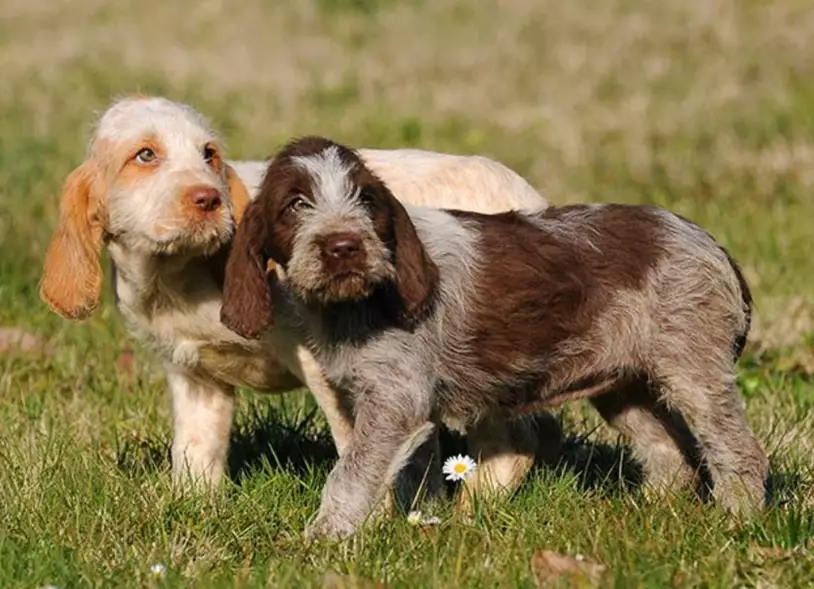
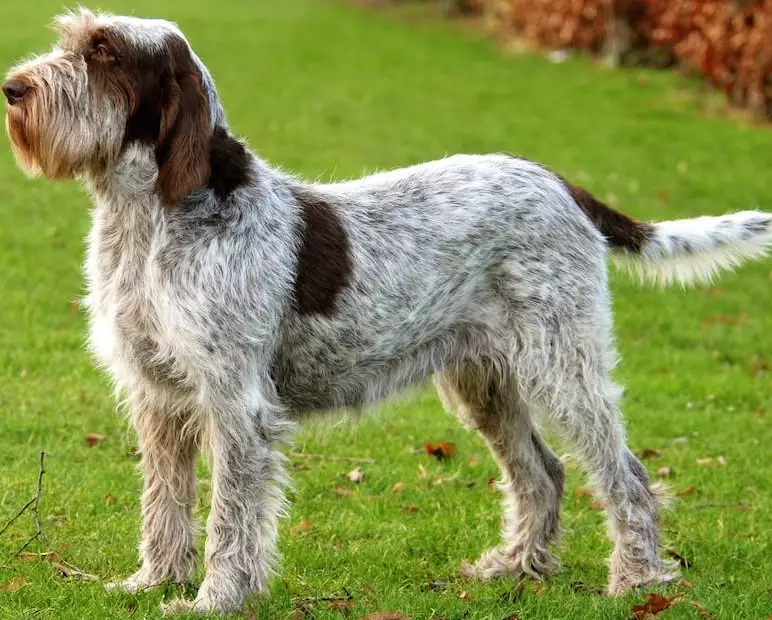
Let's be honest. When most people think of hunting dogs, they picture sleek, hyper-focused athletes quivering with intensity. The Spinone Italiano is the polar opposite of that image. Imagine a shaggy, bearded philosopher who happens to have a world-class nose. That's closer to the mark. I remember the first time I met one at a park. It wasn't bounding around; it was ambling, stopping to thoughtfully sniff a flower, then giving my hand a gentle, wet nudge. I was smitten. This isn't your typical high-strung pointer. The Spinone Italiano, Italy's ancient wire-haired gundog, operates on its own unique frequency—a blend of deliberate calm, profound affection, and a quiet, stubborn intelligence. They're not for everyone, but for the right person or family, they are utterly irreplaceable. If you're tired of the canine status quo and want a companion with soulful eyes and a personality to match, you're in the right place. Bottom Line Up Front: The Spinone Italiano is a large, low-energy hunting breed known for its patience, gentleness with kids, and iconic wiry coat. They are loyal and sweet but can be famously stubborn. They require specific grooming and are prone to certain health conditions. Not a dog for control freaks, but a wonderful companion for patient owners. This breed isn't some modern creation. Its roots are ancient, likely tracing back over two thousand years. You can see depictions of rough-coated hunting dogs in Italian Renaissance art. The breed's name is thought to come from "pino," referencing the pine forests they hunted in, or "Spino," for the thorny thickets they'd fearlessly plunge into to flush game. They were developed in the Piedmont region of Italy as an all-purpose hunter. While many pointing breeds are built for speed, the Spinone was built for endurance. Their job was to work methodically, all day long, through rough terrain, pointing and retrieving game like quail, pheasant, and even rabbit. That "slow and steady" work ethic is baked right into their DNA and explains their modern-day temperament perfectly. World War II nearly wiped them out. Dedicated Italian breeders worked to revive the Spinone Italiano, and the first of the breed came to the United States in the 1990s. They're still relatively uncommon, which is part of their charm—you won't see one on every corner. The American Kennel Club (AKC) officially recognized them in 2000. For a deep dive into their historical standards, the Ente Nazionale della Cinofilia Italiana (ENCI), Italy's national kennel club, is the ultimate source. This is where the breed truly shines and where you need to be brutally honest with yourself. Do you want a dog that obeys your every command with robotic precision? Look elsewhere. The Spinone Italiano is sensitive, deeply affectionate, and profoundly gentle. They are legendary with children, often displaying a patience that seems saintly. They tend to be quiet, not given to excessive barking. But they are also independent thinkers. That famous "Spinone stare"—where they look right at you, process your command, and then seemingly decide if it's worth their time—is a real thing. It's not defiance out of malice; it's a considered evaluation. Training requires patience, consistency, and a good sense of humor. Positive reinforcement is the only way to go; harsh corrections will crush their spirit. They form incredibly strong bonds with their families and can be velcro dogs, preferring to be in the same room as you, often leaning against your legs. Yet, they aren't usually neurotic or prone to separation anxiety if properly acclimated. They're just content to be near you. Let's break down the personality traits you'll live with. Are they good apartment dogs? Surprisingly, they can be, given sufficient daily exercise. Their indoor energy is very low. But their size and potential for drool are factors to consider. This isn't a wash-and-wear dog. That iconic coat is a commitment. The coat is wiry, dense, and close-fitting, ranging from 1.5 to 2.5 inches long. It's designed to be water-resistant and thorn-proof. It doesn't shed much in the typical sense, but dead hair gets trapped in the dense undercoat. If you don't groom it, it will mat—especially behind the ears, in the "feathers" on the legs, and under the chest. Here's the non-negotiable grooming routine: Don't let their size fool you. A Spinone Italiano is not a marathon runner. They are built for stamina at a steady pace. A couple of good 30-45 minute walks a day, plus some playtime in a yard, is usually sufficient. They love to sniff and explore on walks. They are fantastic hiking companions because their natural pace is a steady trot. They are also natural swimmers and love water. Mental stimulation is just as important as physical. Puzzle toys, nose work games, and short, positive training sessions will keep their intelligent minds engaged. Here’s a quick reality check on daily needs: Like all purebred dogs, Spinoni have predispositions to certain health conditions. A responsible breeder is your first and best defense. They will test their breeding stock and provide you with the results. Never buy a puppy from a breeder who cannot show you health clearances for the parents. Key health screenings for Spinone Italiano parents should include: With good care, a Spinone Italiano's lifespan is typically 10-12 years. Some live longer, but you should be prepared for the potential of significant health costs in their senior years. This is the most important step. Patience is required. Reputable Breeders: Expect to be on a waiting list, often for a year or more. A good breeder will interview you as thoroughly as you interview them. They will ask about your lifestyle, your experience, and your plans. They should welcome visits, show you where the dogs live, and provide full health clearances. They will have a contract requiring you to return the dog to them if you can't keep it, for any reason, ever. The Spinone Club of America (SCOA) is the AKC parent club and maintains a breeder referral list. This is your safest starting point. Red Flags in a Breeder: Multiple litters available at once, puppies always available, unwillingness to show health clearances, selling puppies under 8 weeks old, pressure to pay online, no questions asked about you. Rescue: Adopting an adult Spinone Italiano can be a wonderful experience. You may skip the puppy phase and get a dog with a known personality. The SCOA also has a rescue network. Check Petfinder and other large sites, but be cautious—"Spinone mixes" are often not actual Spinoni. Puppy Cost Reality Check: From a reputable breeder, a Spinone Italiano puppy typically costs between $2,500 and $3,500. This reflects the cost of health testing, proper care, and the breeder's investment in the breed's future. A significantly lower price is a major warning sign. Let's tackle the stuff people really search for. This isn't a decision to make on a whim. The Spinone Italiano is a decade-plus commitment to a large, sometimes messy, often stubborn, and always loving creature. You might be a perfect match if: You value gentle companionship over blind obedience. You have a patient, positive approach to training. You are committed to a regular grooming regimen (and budget for it). You have a family or are a calm household. You enjoy leisurely walks and outdoor adventures without the need for speed. You should probably consider another breed if: You need a dog that responds with instant, flawless obedience. You are away from home constantly. You cannot handle drool or regular grooming. You have a "my way or the highway" attitude. You want a high-energy jogging or agility partner. For me, the trade-off is worth it. The stubborn moments are far outweighed by the quiet evenings with a shaggy head in my lap, the gentle nudge for attention, and the absolute certainty that this dog is a devoted member of the family. The Spinone Italiano isn't just a pet; it's a presence. A slow, sweet, occasionally exasperating, and completely wonderful presence. Do your homework. Talk to breeders. Meet the dogs. If your lifestyle aligns, you might just find your perfect, hairy soulmate.Quick Navigation
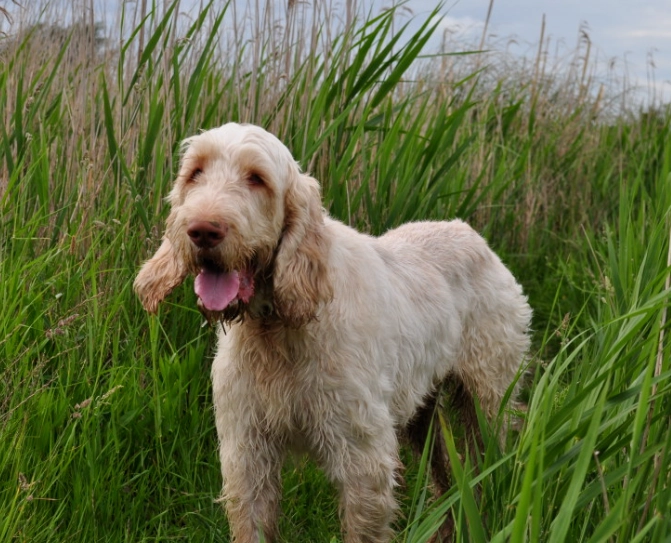
What Exactly Is a Spinone Italiano? History and Origins
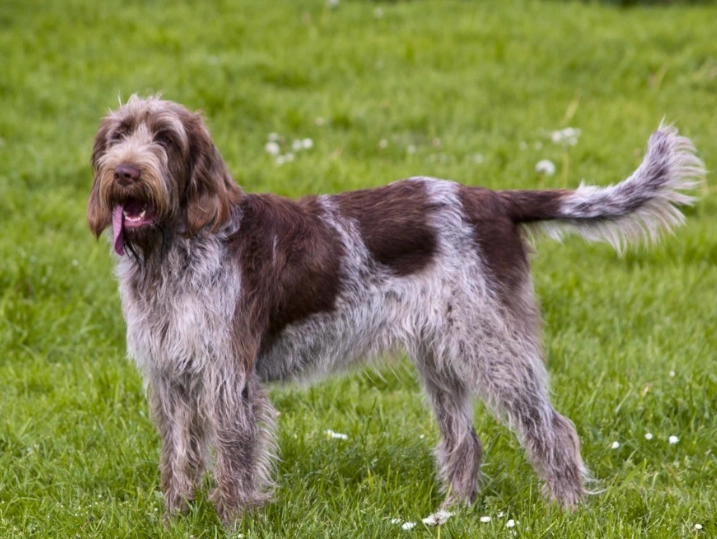
The Spinone Italiano Personality: Not Just a Pretty Face
The Good, The Goofy, and The Occasionally Gross
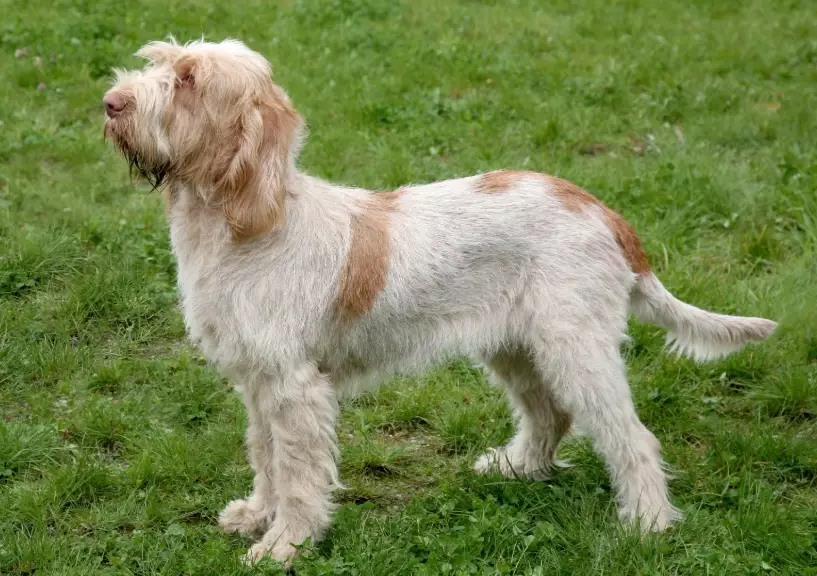
Living with a Spinone: Care, Grooming, and Exercise
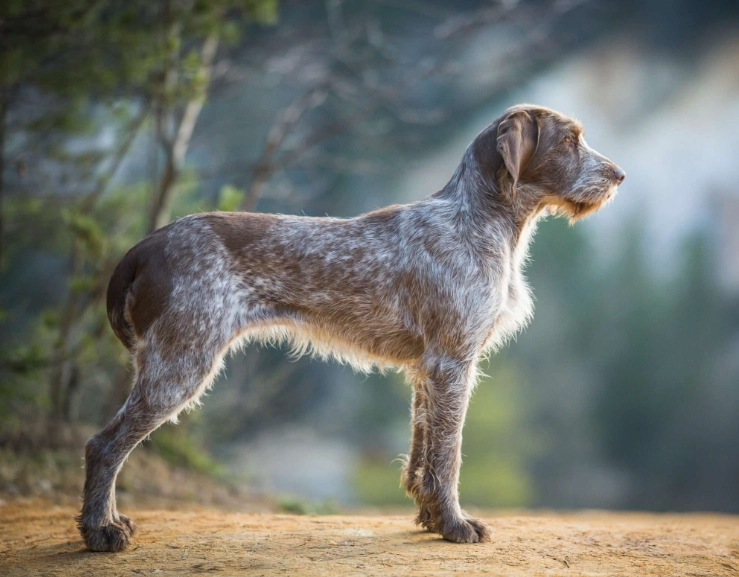
Exercise Needs: Quality Over Quantity
Aspect
Spinone Italiano Requirement
Notes & Reality Check
Exercise
45-60 minutes total per day
Prefers two shorter walks + sniffing time. Not a jogging buddy.
Grooming
Weekly brushing, seasonal hand-stripping
Brushing is easy maintenance; hand-stripping is a professional must-do.
Mental Stimulation
High
Boredom leads to stubbornness. Nose games are perfect.
Space
Adaptable
Fine in apartments if exercised, but loves a yard to patrol.
Climate Tolerance
Good in cold, okay in heat with care
That coat is insulating. In heat, provide AC, shade, and water.
Spinone Italiano Health: What You Need to Know
Common Health Concerns to Discuss With Your Vet
Finding a Spinone Italiano Puppy or Rescue
Spinone Italiano FAQ: Your Questions Answered
Final Thoughts: Is the Spinone Italiano Right For You?
I've spoken to breeders who joke that a Spinone's ideal day is 30 minutes of vigorous activity followed by 23.5 hours of thoughtful contemplation (mostly on the couch). There's a lot of truth to that.
The coat of a Spinone Italiano is its crowning glory and its highest-maintenance feature. You don't just brush it; you maintain it.
Grooming Deal-Breaker: If the idea of regular brushing and seeking out a specialist for hand-stripping sounds like too much work, this is not the breed for you. A neglected Spinone coat becomes a painful, matted mess very quickly.
A vet once told me that keeping a Spinone at a lean, healthy weight is the single most important thing an owner can do for their long-term joint health. It's so simple, but so easy to mess up with those soulful, food-begging eyes.
Are Spinone Italianos hypoallergenic?
Oh, this is a big one. No dog is truly hypoallergenic. People are usually allergic to dander (skin flakes) and saliva, not just hair. While Spinoni shed very little and have hair more like human hair, they still produce dander and saliva. They may be better for some allergy sufferers, but spend time with one before committing. Don't believe the marketing hype.
Are they good with cats?
Generally, yes. Their low prey drive (for a hunting dog) and gentle nature mean they often do well with cats, especially if raised together. However, their size alone can be intimidating to a cat, so introductions must be slow and controlled.
How bad is the stubbornness, really?
It's real. Recall can be iffy if they catch an interesting scent. They may decide that "come" is merely a suggestion. This is why a secure, fenced yard is highly recommended. Training is a lifelong conversation, not a one-time lesson.
Can they be left alone during the workday?
An adult Spinone, properly trained and exercised, can typically handle a standard 8-hour workday. They sleep a lot. However, a puppy cannot. They need to be let out every few hours. Crate training is highly recommended for their safety and your sanity.
What's the best food for a Spinone Italiano?
There's no single answer. A high-quality large-breed puppy food for growth, then a high-quality adult formula. Many owners find their Spinoni do well on foods formulated for sensitive skin, given allergy tendencies. Your breeder's advice and your vet's recommendation are your best guides.
Comment