Let's be honest, the image is iconic: a massive, gentle dog with a barrel around its neck, rescuing travelers in the snow. That's the St. Bernard. But what's it actually like to live with one? I've shared my home with this breed for over a decade, and while the reality matches the gentle reputation, it comes with a set of challenges you simply don't get with a smaller dog. This isn't just a pet; it's a lifestyle commitment. This guide strips away the myth and gives you the unfiltered, practical details you need to decide if a St. Bernard is right for you and how to thrive together if you take the plunge. Forget the barrel. Modern St. Bernards are family companions, not Alpine rescue workers (though that history defines their character). According to the American Kennel Club (AKC), they are "patient, noble, and watchful." I'd add profoundly calm and deeply bonded. They don't just like their people; they need to be near them, often becoming a living, breathing (and drooling) area rug at your feet. Size: Males: 28-30 inches tall, 140-180 lbs. Females: 26-28 inches, 120-140 lbs. I've seen some males push 190 lbs of solid muscle and bone. The temperament is their winning ticket. They are incredibly tolerant, making them fantastic with respectful children. But here's the nuance everyone misses: their calmness is often mistaken for laziness or low intelligence. They are smart, but they're independent thinkers. They'll learn a command, then evaluate if it's worth obeying at that moment. This isn't disobedience; it's a working-dog trait. You need patience, not repetition. A big misconception? That they need vast estates. What they need more than acreage is consistent routine and controlled exercise. A bored St. Bernard isn't hyper; they're destructive. A chewed sofa leg from a 150-pound dog is a different league of damage. Caring for a St. Bernard isn't just scaled-up dog care. It's a specialized operation with unique logistics. Feeding a giant breed puppy is a science. You must use a formula specifically designed for large-breed puppies. These foods control calcium and phosphorus levels to promote slow, steady growth and protect developing joints. An adult can easily eat 5-6 cups of high-quality kibble per day. That's a budget line item. And never free-feed. Measured meals twice a day help prevent the bloat (GDV) they're prone to. I learned the hard way with my first St. Bernard, Gus. I used a premium adult food during his puppyhood, thinking more protein was better. My vet pointed out the rapid growth spurt it likely contributed to, and he developed elbow dysplasia by age 5. It was a costly lesson in breed-specific nutrition. The shedding is legendary. It's not occasional; it's a constant, soft snowfall of white and reddish hair, with two epic "blowouts" of their undercoat each spring and fall. You need a two-tool arsenal: a sturdy undercoat rake and a slicker brush. Weekly sessions are mandatory. Now, the drool. It's not just after drinking. It's excitement, anticipation of food, heat, or sometimes for no apparent reason. You will find strands of saliva on your ceiling. I'm not joking. The shake of those jowls launches it. Strategic placement of "slobber towels"—I keep them clipped to door frames—is essential. Wipe their mouth after drinking. Get a water bowl designed to minimize mess. They are not marathon runners. Two or three shorter walks (20-30 minutes) and some backyard patrol are usually enough for an adult. The critical period is puppyhood through adolescence (up to 2 years). Their bones and joints are developing. Forced running on hard surfaces, jumping on/off furniture, and navigating stairs should be strictly limited to prevent lifelong orthopedic issues. Play should be on soft grass, and walks should be at a steady pace, not a sprint. Being proactive is everything. Their size makes them susceptible to specific conditions, and vet bills are proportionally large. Hip and Elbow Dysplasia: This is the big one. It's a malformation of the joint. Reputable breeders screen parents via the Orthopedic Foundation for Animals (OFA). Even with clear parents, you must protect those joints. Keep your dog at a lean, healthy weight—it's the single most important thing you can do. I keep mine a pound or two under the "standard" weight on the vet's chart. Gastric Dilatation-Volvulus (GDV/Bloat): A life-threatening stomach twist. Deep-chested breeds are at high risk. Feed two or more smaller meals a day, not one large one. Avoid vigorous exercise for at least an hour before and after eating. Know the signs: unproductive retching, a distended abdomen, restlessness. It's a sprint-to-the-emergency-vet situation. Heart Issues: Dilated cardiomyopathy (DCM) and other conditions can occur. Regular vet check-ups that include listening to the heart are vital. Eyelid Problems: Entropion (eyelid rolling in) and ectropion (eyelid drooping out) are common. They can cause irritation and require surgical correction. Finding a vet experienced with giant breeds is crucial. They understand the anesthesia protocols, the dosage calculations, and the subtle signs of pain in a stoic dog. Let's talk about your home. They don't need a mansion, but they need space to stretch out comfortably. Your floor plan matters more than square footage. Narrow hallways, tight corners, and precious fragile items at tail-whip height (about 2-3 feet off the ground) are hazards. You need a giant-sized crate for training and safe confinement. You need an extra-large, orthopedic bed (or two). Your car needs to fit them. I drive an SUV with fold-flat seats, and it's just enough. Grooming supplies, food storage bins, everything is supersized. The social aspect is real. You become a local celebrity. Everyone wants to pet the "Beethoven" dog. You'll need patience for constant questions and to be a vigilant advocate for your dog's space—not all strangers or dogs are respectful of their size. Training is non-negotiable. A 10-pound puppy pulling on a leash is cute. A 100-pound adolescent pulling is dangerous. Focus on rock-solid basics: loose-leash walking, a reliable recall (in safe, enclosed areas), and a solid "leave it." Socialization—exposing them positively to various people, sights, and sounds—is critical during their first year to prevent fearfulness. Can a St. Bernard live happily in an apartment? It's a major challenge, but not impossible with extreme dedication. The primary issue isn't just space, but the logistics. A full-grown St. Bernard needs room to turn around comfortably, and their tail is a constant hazard to coffee tables. More critically, you must commit to multiple, substantial daily walks regardless of weather. The real test is getting a 150-pound dog up and down stairs or into an elevator during an emergency or for routine vet visits. If you're on anything above the ground floor, you need a solid plan for that. What's the most effective way to manage St. Bernard shedding and drool? For shedding, a two-tool approach is non-negotiable: a high-quality undercoat rake for the dense undercoat and a slicker brush for the topcoat. Do this weekly, ramping up to daily during spring and fall blowouts. For drool, strategic placement is key. Keep absorbent 'slobber towels' clipped to door frames and near their water bowl. I mount a simple paper towel holder on the wall next to the food station. Wipe their jowls after drinking and eating. Choose a water bowl designed to minimize mess, and avoid plastic bowls which can harbor bacteria on the slobber-covered rim. Are St. Bernards good with young children and other pets? Their legendary patience makes them excellent with respectful children. However, their size creates inherent risk. A happy tail whip can knock a toddler over, and a playful step can land on small feet. Supervision is mandatory, and you must teach children not to climb on or disturb the dog while sleeping. With other pets, early socialization is crucial. They generally have low prey drive, but their puppy clumsiness can overwhelm a small dog or cat. Always manage interactions, especially during the gangly adolescent phase when they haven't learned their own strength. What's the single biggest mistake new St. Bernard owners make? Underestimating the cost and ignoring early orthopedic care. People budget for food, but forget about the proportional scaling of everything: giant-sized beds, crates, medications, grooming tools, and vet bills that are often calculated by weight. The critical error is not protecting their joints from day one. Letting a 4-month-old puppy run on slick floors, jump on/off furniture, or climb stairs regularly is inviting future hip dysplasia or elbow issues. You must enforce rest, provide traction, and control exercise until their growth plates close around 18-24 months. Prevention is everything with giant breeds. Bringing a St. Bernard into your life is a decision that reshapes your daily routine, your budget, and your heart. They are not for the faint of heart or the fastidious housekeeper. But for the right person—someone who values gentle companionship, doesn't mind a bit (okay, a lot) of mess, and is ready for the logistics—they offer a unique and profoundly rewarding bond. They are living reminders to slow down, be patient, and appreciate the simple joy of a massive head resting contentedly in your lap. Do your homework, find a reputable breeder who health tests, and prepare your home and life. If you do, you'll gain a friend whose loyalty and quiet dignity are as immense as they are.Your Quick Guide to All Things St. Bernard
Breed Basics & Temperament: More Than a Gentle Giant

Key Breed Snapshot
Coat: Two varieties: short (dense, smooth) and long (slightly wavy). Both have a thick undercoat.
Lifespan: 8-10 years. It's the heartbreaking math of giant breeds.
Energy Level: Surprisingly low to moderate. Think of a powerful engine that idles most of the day, with occasional bursts.Caring for Your Giant: A Practical Guide

Nutrition: Quality Over Quantity (But There is a Lot of Quantity)
Grooming: It's a Part-Time Job
Exercise: Less Than You Think, But More Strategic

Life Stage
Exercise Focus
Key Warning
Puppy (2-12 months)
Short, controlled play sessions. Mental stimulation (training, puzzles).
No forced running. Avoid slippery floors. Limit stairs.
Adolescent (1-2 years)
Building walk duration. Structured play like gentle fetch.
They have energy but no coordination. Supervise to prevent wild, clumsy play.
Adult (2-7 years)
Consistent daily walks. Moderate weekend hikes are great.
Watch for overheating. They overheat easily due to size and coat.
Senior (7+ years)
Gentle, shorter walks. Focus on joint comfort and mobility.
Pain can be subtle. Look for reluctance to get up or climb stairs.
Health & Wellness for Your St. Bernard

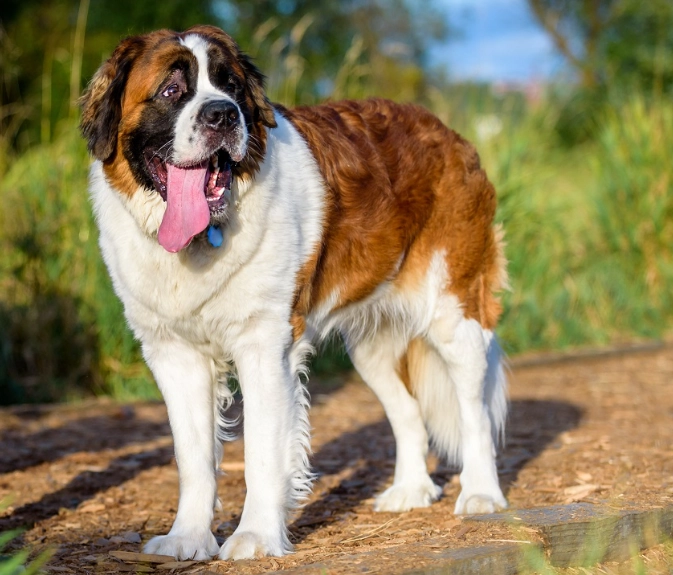
Living with a St. Bernard: The Real Lifestyle

Expert FAQs: Your Burning Questions Answered
St. Bernard Dog Breed: The Ultimate Guide for Owners
Comment