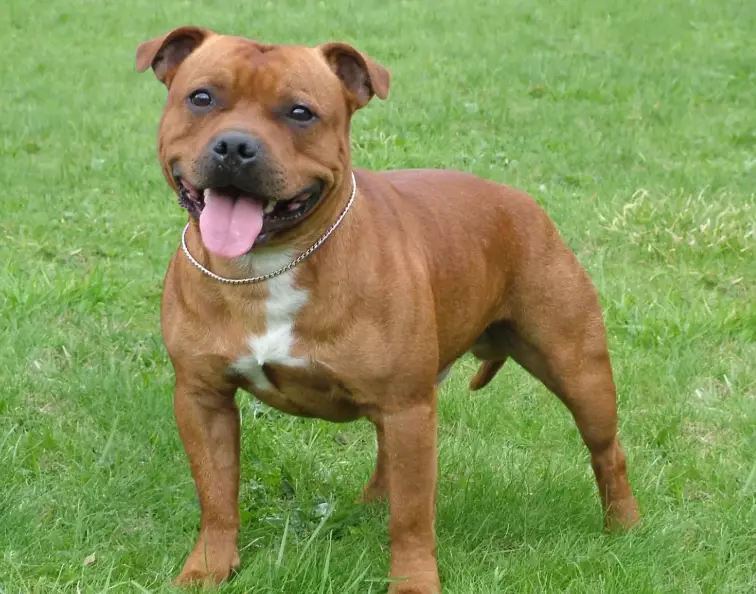
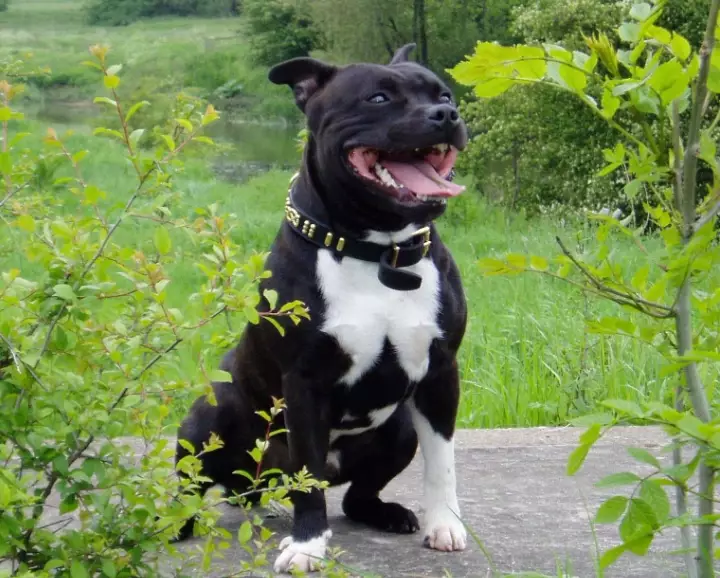
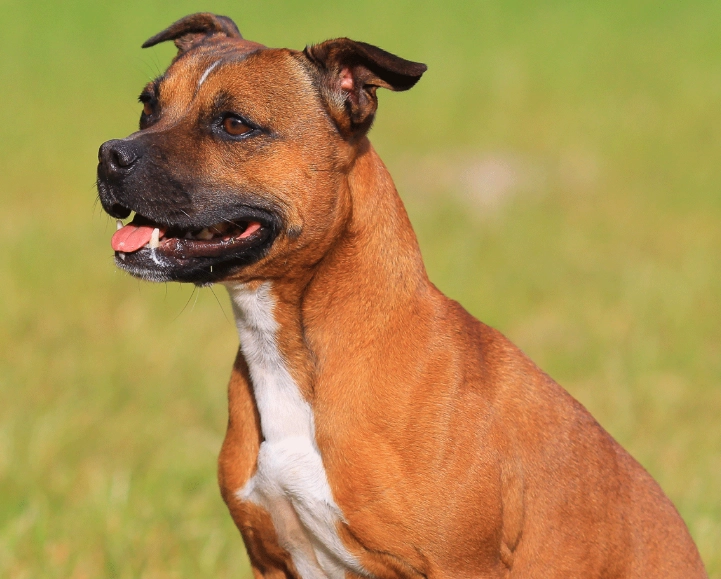
You see them in the park – compact, muscular dogs with a wide grin and a tail that never seems to stop wagging. The Staffordshire Bull Terrier, or Staffy, is a breed wrapped in contradiction. Celebrated in its native UK as a loyal family companion and historically dubbed the "nanny dog," it often faces raised eyebrows and breed-specific legislation elsewhere. Let's cut through the noise. Owning a Staffy isn't about making a statement; it's about committing to a dog of immense heart, formidable strength, and specific needs that, if misunderstood, lead to problems for both dog and owner. I've lived with the breed for over a decade, through puppy chaos, adolescent stubbornness, and the serene loyalty of adulthood. The internet is full of generic breed profiles. This guide is different. We're going into the gritty details of daily life, the costs they don't tell you about, and the training nuances that make or break the relationship. Let's address the elephant in the room first. Are Staffordshire Bull Terriers inherently aggressive? The short, nuanced answer is no – not toward people. Their breed standard, set by the The Kennel Club (UK), explicitly states they should be "affectionate, especially with children." Their historical background involved bull-baiting and later, unfortunately, dog fighting, which selected for gameness and pain tolerance, not human aggression. A dog that bit its handler was useless. The reality is more about dog-to-dog aggression. This is a terrier through and through, with a high prey drive and a potential for same-sex dog intolerance, particularly in unneutered males. This isn't a guarantee in every dog, but it's a strong tendency you must be prepared to manage. The biggest mistake owners make is assuming their friendly puppy will always love every dog it meets. Adolescence often changes the game. If you dream of taking your dog to a chaotic, off-leash dog park every day where 30 unknown dogs run free, a Staffy is likely a poor fit. Their play style is often rough and tumble, which can be misinterpreted by other dogs, and their tolerance has limits. Responsible ownership means recognizing this and opting for controlled playdates with known, compatible dogs instead. Forget the intimidating exterior. Live with a Staffy, and you'll discover a personality that's equal parts clown, couch potato, and velcro dog. Their affection is physical and profound. They don't just sit near you; they lean, they crawl into your lap (convinced they're lap dogs), and they sigh with contentment. This makes them terrible guard dogs – they're more likely to lick an intruder than challenge them. Their intelligence is practical. They learn what benefits them quickly (sit for a treat) and can be stubborn about things they find pointless (repeatedly fetching a ball when they'd rather chew it). I remember my first Staffy, Max, as a puppy. He'd fall asleep with his head on my foot. If I got up, he'd wake up and shuffle over to the next foot. It was endearing, but I quickly learned I had to actively teach him that being alone was okay. We started with mere seconds behind a baby gate, building up slowly. It's a critical lesson many skip, leading to a dog that howls and destroys doors when you pop to the shop. Caring for a Staffy is relatively low-maintenance on the grooming front, but high-engagement on the mental and physical front. Think of their exercise needs in two parts: physical exertion and mental stimulation. A 45-minute leashed walk is a start, but it's not enough. They need activities that engage their brain and body together. A good daily routine might look like this: Morning: 30-minute brisk walk with training intervals (sit at curbs, watch me past distractions). Afternoon: 15-minute focused training session or a sniffari (letting them lead the walk to explore smells). Evening: 15 minutes of intense play – flirt pole, tug with rules, or retrieving a ball in a secure area. Skip the mental work, and you'll have a dog that's physically tired but mentally wired, looking for its own entertainment (your sofa cushions). Their short coat sheds – don't believe the "low-shedding" myth. A weekly brush with a rubber curry brush (like a Kong ZoomGroom) works wonders to catch loose hair and distribute skin oils. Baths are only needed every few months unless they roll in something foul. Feeding requires attention. They are prone to weight gain, which stresses their joints. Measure their food precisely based on their ideal weight, not their begging face. High-quality kibble with a good protein source is key. Many Staffies have sensitive stomachs or skin allergies, so grain-free or limited-ingredient diets are common but consult your vet. Budget for premium food; it's cheaper than vet bills for allergy management later. Staffordshire Bull Terriers are generally robust, but they have some breed-specific predispositions. A reputable breeder will test for these. Always ask for proof of health screenings from the Orthopedic Foundation for Animals (OFA) or equivalent. Hereditary Cataracts: Can appear in young adulthood. Screening the parents is crucial. Pet insurance is not just a suggestion for this breed; it's a financial safeguard. Get it while they're a healthy puppy, before any conditions manifest. Training a Staffy is rewarding because they're smart and want to please. But their strength makes early, consistent training non-optional. 1. Leash Manners: This is the hill to die on. You must teach loose-leash walking from day one. A 35-pound Staffy pulling with its center of gravity is hard to hold back. Use a front-clip harness (like the Freedom Harness) to discourage pulling while you train. Never use a retractable leash. 2. Rock-Solid Recall: Start in low-distraction environments with high-value rewards (boiled chicken, cheese). Their prey drive can override commands, so never rely on recall in an unsecured area with wildlife present. 3. Socialization, Not Just Exposure: Socialization before 16 weeks is critical. But it's not about letting them meet every dog and person. It's about creating positive associations with various stimuli (bikes, umbrellas, loud noises, different types of people). Forceful, negative interactions can do more harm than good. Puppy classes are invaluable. 4. Impulse Control: Teach "leave it," "wait," and "drop it" religiously. Games like tug-of-war are excellent, but implement rules: tug only on command, and drop it immediately when asked. This channels their drive into a controlled outlet. The biggest error I see? Owners using aversive methods (prong collars, harsh corrections) on this sensitive breed. It breaks trust and can create a fearful, reactive dog. Positive reinforcement builds a confident, cooperative partner.What's Inside This Guide?
Myth vs. Reality: The Aggression Question

A Quick Reality Check
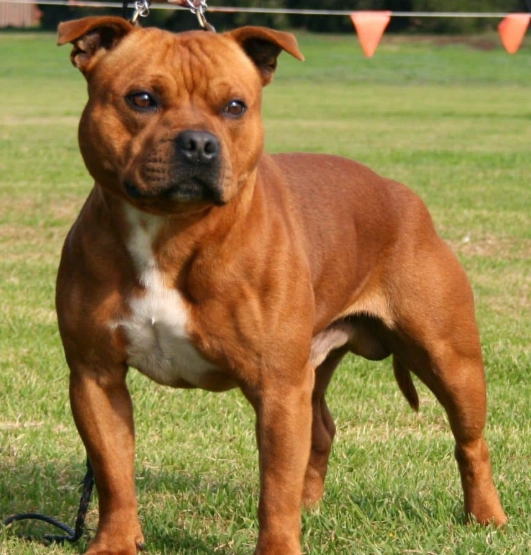
The True Staffordshire Bull Terrier Temperament
Trait
What It Looks Like in Real Life
Potential Challenge
Affectionate
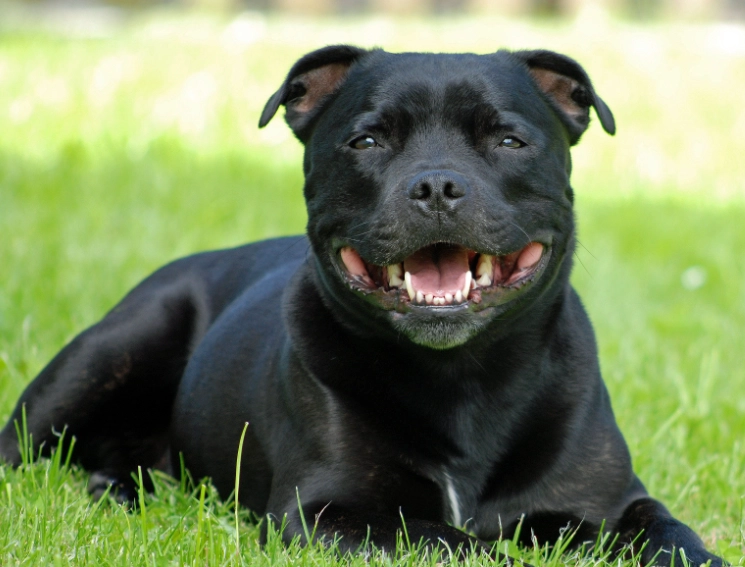
Follows you room-to-room, demands cuddles, "smiles" with a full-tooth grin.
Can develop severe separation anxiety if not taught to be alone.
Energetic & Playful
Explosive bursts of zoomies, loves tug-of-war, enjoys puzzle toys.
Needs structured outlet; pent-up energy leads to destructive chewing.
Courageous & Tenacious
Fearless in exploring new environments, persistent problem-solver.
Can be hard to recall if they've locked onto an interesting scent or sight.
People-Oriented
Loves meeting new people, thrives on human interaction.
Jumping up to greet people due to excitement; needs training for calm greetings.
The Daily Care & Upkeep Guide
Exercise: It's Not Just a Walk
Grooming & Feeding
Health Deep Dive: What to Watch & Budget For
L-2-Hydroxyglutaric Aciduria (L-2-HGA): A metabolic disorder causing neurological issues. A DNA test exists.
Skin Allergies (Atopy): This is the big, often under-discussed one. It manifests as itchy paws, recurrent ear infections, and red skin. Management can involve special shampoos, prescription diets (hydrolyzed protein), and medications like Apoquel or Cytopoint injections, which are effective but add significant ongoing cost.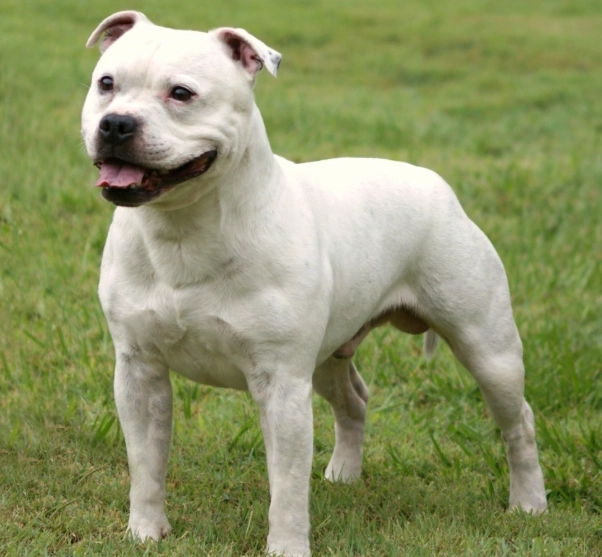
Training Non-Negotiables for a Powerful Breed
Your Questions, Answered
Is a Staffordshire Bull Terrier a good family dog with small children?
Their historical nickname "nanny dog" stems from a genuine affinity for children, thanks to their high pain tolerance and loving nature. However, this label can be dangerously misleading if it leads to complacency. Success requires work: extensive socialization of the puppy to child-like movements and sounds, and equally important, teaching children how to interact respectfully (no tail pulling, hugging too tightly, or disturbing the dog while eating). The Staffy's muscular build means an excited jump can easily knock over a toddler. Supervision is non-negotiable. In the right, actively managed home, they can be wonderfully patient and playful companions.
How much exercise does a Staffordshire Bull Terrier really need daily?
Aim for a minimum of 60 minutes of dedicated activity, split into multiple sessions. The key is variety. A single long walk is insufficient. They need a mix of physical exercise (brisk walks, running in a secure area) and mental stimulation (training sessions, puzzle feeders, scent games). A bored Staffy will invent their own fun, which usually involves dismantling your home. A sample day: 30-min morning walk with training drills, a 10-min lunchtime puzzle toy session, and 20-min evening play of fetch or tug with rules.
What is the most common health problem in Staffordshire Bull Terriers I should budget for?
While hereditary cataracts and L-2-HGA are well-known, skin allergies (atopic dermatitis) are incredibly prevalent and a major source of ongoing expense. Many Staffies are allergic to common environmental allergens like pollen, dust mites, or grasses. Symptoms include constant licking of paws, recurrent ear infections, and itchy skin. Management is lifelong and can include pricey hydrolyzed protein prescription diets ($80+ per month), regular medicated baths, and medications like Apoquel or Cytopoint injections, which can cost $50-$150 per month. When choosing a breeder, ask specifically about the skin health history of their bloodline.
Are Staffordshire Bull Terriers hard to train for a first-time dog owner?
Their intelligence and desire to please make them highly trainable, but their physical strength and occasional stubbornness present unique challenges for a novice. The most common pitfall is failing to establish control on the leash early. A first-time owner must be proactive: enroll in a positive reinforcement puppy class, commit to short daily training sessions, and invest in the right tools (like a front-clip harness). It's absolutely possible for a dedicated first-timer to succeed, but they must be prepared to be the consistent leader the dog needs. If you're not ready to make training a daily priority, consider a less powerful breed.
Comment