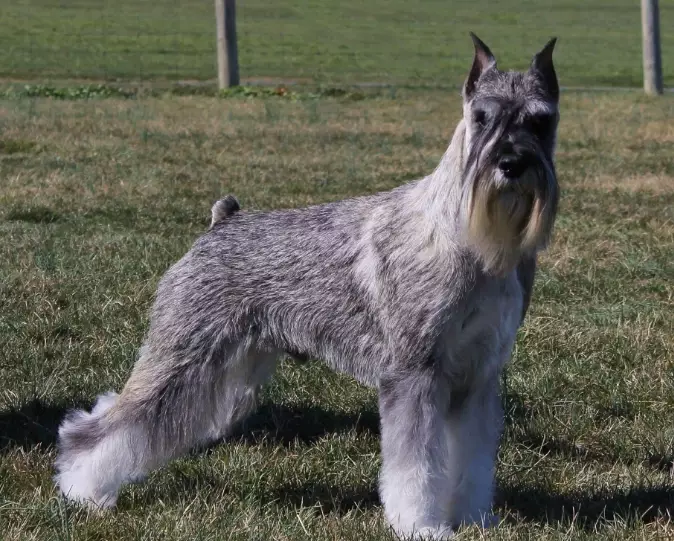
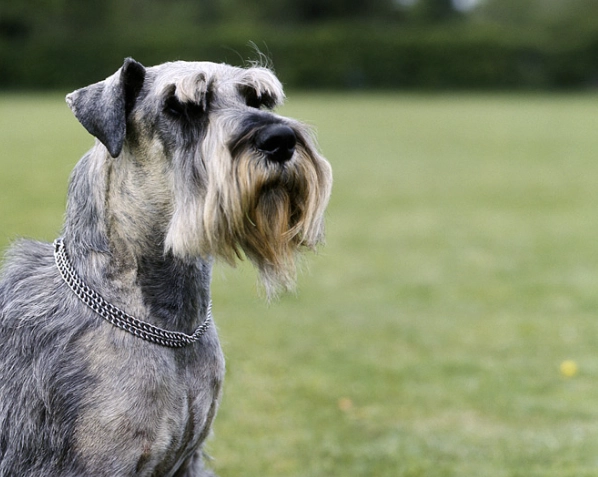
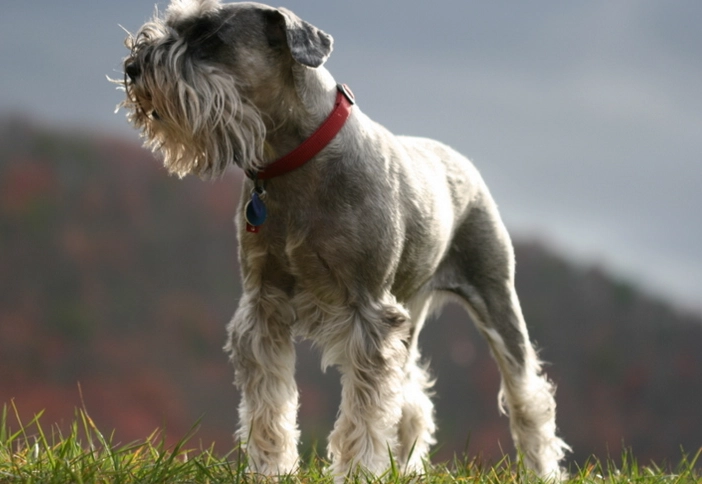
Let's cut to the chase. You're probably looking at pictures of a Standard Schnauzer—that square-built, bearded, intensely expressive dog—and wondering if the reality matches the dignified image. I've lived with this breed for over a decade, and I can tell you they're more. They're a fascinating, demanding, and incredibly rewarding paradox wrapped in a wiry coat. They're not just a bigger Miniature or a smaller Giant. The Standard is the original, the versatile working dog from Germany, and that heritage shapes everything about them. This isn't a breed you just own; you partner with them. If you want a couch ornament, look elsewhere. If you want a sharp, energetic companion who will keep you on your toes and make you laugh daily, you're in the right place. We're going beyond the basic breed profile. We're talking about the day-to-day reality, the whispered-about challenges, and the deep joys of life with a Standard Schnauzer. To understand the modern Standard Schnauzer, you have to go back. Originating in 14th-15th century Germany (not the 19th century as some assume), they were stable dogs, tasked with a messy but vital job: vermin control. This explains their strong prey drive, tenacity, and intelligence. They weren't just pets; they were tools for a job. Their versatility soon shone. Farmers used them to herd livestock, and butchers used them to drive cattle to market. By the late 1800s, they were being refined as a distinct breed. The name "Schnauzer" (from the German "Schnauze," meaning snout/muzzle) was cemented after a dog named "Schnauzer" won a show in 1879. The American Kennel Club (AKC) recognized them in 1904. That working-dog DNA is not a historical footnote. It's the core of their being. It's why they need a job, why they're suspicious of strangers (guarding the farm), and why they're so damn clever. You're not getting a lapdog; you're getting a scaled-down, highly adaptable working partner. Most breed descriptions stop at "loyal, intelligent, good with kids." That's surface level. Let's dig deeper. At a Glance: They stand 17 to 20 inches at the shoulder and weigh 30 to 50 pounds. They're squarely built, sturdy, and come in two colors: salt & pepper (the classic grizzled look) and pure black. Their hallmark is the harsh, wiry double coat and those expressive eyebrows and beard. Intelligent, yes, but also independent. They learn a new command in three repetitions, sure. But they'll also ask, "Why should I?" if the reward isn't worth it or the command seems pointless. This is where many owners hit a wall. They mistake intelligence for biddability like a Golden Retriever. A Schnauzer's intelligence is more strategic. Loyal and protective. They bond deeply with their family and are naturally reserved with strangers. This makes them excellent watchdogs—they'll alert you to anything out of the ordinary. The flip side? It can tip into excessive barking or wariness if not properly socialized. Socialization isn't an optional puppy class; it's a continuous life-long process of positive exposure. Energetic and playful. They have a youthful spirit well into old age. This is great, but it's also a commitment. A bored, under-exercised Standard Schnauzer is a recipe for mischief. Think: redecorating your couch, "reorganizing" your trash, or inventing their own games with your shoes. They often do wonderfully with considerate children in their own family, viewing them as part of their pack to protect. But their low tolerance for clumsy handling means interactions with very young kids must be supervised. With other dogs, early socialization is key; some can have same-sex dog aggression tendencies, a trait not uncommon in terrier-type breeds. Imagine a typical Tuesday. Your Standard Schnauzer wakes up ready for action. Not a lazy stretch, but a "what's the plan?" stare. They need both physical and mental exercise. A 30-minute walk won't cut it. They need a job—obedience drills, nosework, a challenging puzzle toy. They thrive on routine and engagement. They're clowns, too. Mine once figured out how to open the treat jar with his nose, then redistributed the contents to the cat. That problem-solving intelligence is constant. They're affectionate on their own terms—leaning against you, offering a paw—but not overly clingy. The guarding instinct is real. A delivery person at the door? You'll know. A strange noise in the night? They're on it. This isn't aggression without cause, but a deep-seated alertness. It requires calm, confident management from you. That iconic wiry coat is beautiful but high-maintenance. This is a common pain point owners underestimate. It's not about vanity; it's about health and comfort. Hand-stripping vs. Clipping: To maintain the proper texture, many show breeders recommend hand-stripping. This pulls out dead hair from the root. It's time-consuming but results in the best coat. Clipping is easier but can soften the coat over time. Most pet owners opt for clipping every 6-8 weeks. Find a groomer familiar with wiry coats. The Daily/Weekly Ritual: Start grooming early. Make it a positive experience with treats. A Schnauzer that tolerates grooming is a happy Schnauzer (and owner). Generally robust, but like all breeds, they have predispositions. Responsible breeders screen for these. Be your dog's advocate. Your breeder should provide health clearances for the parents. Ask to see them. A good breeder is transparent. Regular vet check-ups, a quality diet, and maintaining a healthy weight are your best tools. These dogs are typically long-lived, often reaching 13-16 years. If you skip this part, you're setting everyone up for failure. Their intelligence demands engagement. They get bored with repetition. Short, fun, positive sessions work best. Socialization is non-negotiable. From puppyhood, expose them to various people, dogs, sounds, and environments. Do it positively. A well-socialized Schnauzer is a confident, manageable dog. They respect consistency, not harshness. Their stubborn streak is legendary. If you're inconsistent, they'll notice and take advantage. Positive reinforcement—treats, praise, play—works wonders. Harsh corrections can backfire, making them stubborn or wary. Mental exercise is as crucial as physical. Puzzle toys, scent work, advanced obedience, agility—they love a challenge. A bored Schnauzer is a destructive Schnauzer. This isn't a dog you impulse-buy. Do your homework. The initial cost is just the start. Factor in quality food, routine vet care, grooming, training, and unexpected medical expenses. Pet insurance is worth considering. Is a Standard Schnauzer right for you? Ask yourself: If you answered yes, you might just be ready for one of the most rewarding partnerships in the dog world. They're not easy, but the best things rarely are. They'll challenge you, make you laugh, and offer a loyalty that's absolute. You won't just get a dog; you'll gain a shrewd, bearded sidekick for life's adventures. Is a Standard Schnauzer a good apartment dog? It's possible, but not ideal without significant effort. Standard Schnauzers are energetic and need more than just short bathroom walks. Apartment life can work if you commit to at least two longer, structured outings daily—think 45-minute brisk walks, runs, or intense play sessions at a dog park. The bigger challenge is mental stimulation; a bored Schnauzer in a confined space will find destructive ways to entertain itself. Success hinges on a rigorous, consistent exercise and training routine. Are Standard Schnauzers really hypoallergenic? No dog is 100% hypoallergenic, but Standard Schnauzers are a excellent low-shedding choice. They have a wiry double coat that traps loose hair and dander, which only releases during hand-stripping or clipping. This can significantly reduce allergens in your home. However, people with severe allergies should spend time with the breed before committing. Remember, allergens also come from saliva and urine. Regular grooming and using a HEPA filter air purifier are non-negotiable for managing a truly allergy-friendly home. How do I stop my Standard Schnauzer from barking at everything? First, understand they are alert barkers—it's in their job description. Punishment rarely works. The key is to manage the trigger and reward quiet. For doorbells or passersby, teach a 'place' command away from the window and reward heavily for going to their mat calmly. Use window film to block the view of the street. For boredom barking, increase physical and mental exercise dramatically; a tired Schnauzer is a quieter one. I've found teaching a 'quiet' cue by capturing moments of silence with a clicker and high-value treats works better than trying to shout over them. What's the biggest mistake new Standard Schnauzer owners make? Underestimating their intelligence and independence, which leads to inconsistent training. People see a medium-sized dog and treat training casually. Schnauzers learn commands fast but will question their purpose if not convinced. If you're lax with rules, they'll set their own. The mistake is not establishing clear, consistent leadership from day one in a positive but firm way. This isn't about dominance; it's about providing the structure they inherently crave. Letting puppy behaviors slide because they're 'cute' results in a stubborn, pushy adult dog that's much harder to manage.What's in This Guide?
From Rat-Catcher to Renaissance Dog
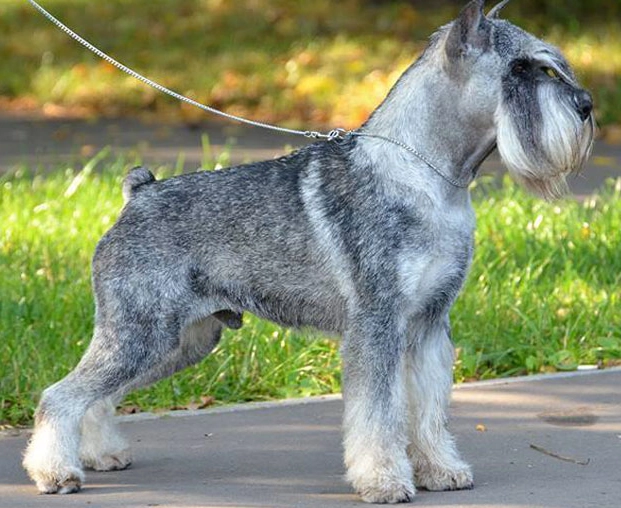
The Look & The Personality: Breaking Down the Stereotype
The Temperament, Unvarnished
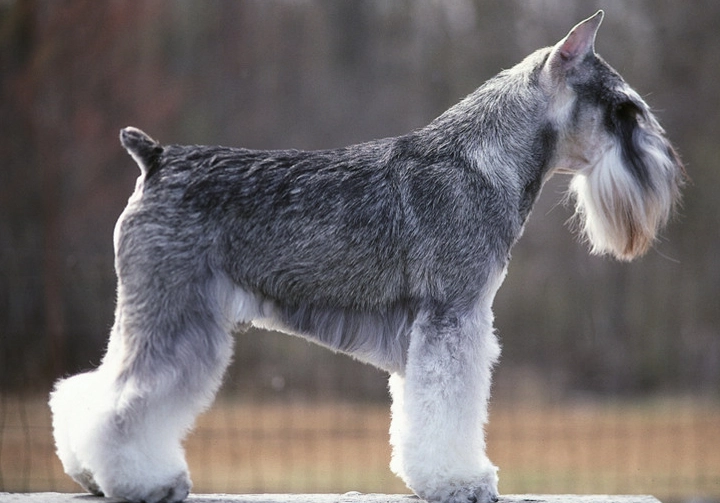
What It's Actually Like to Live With One
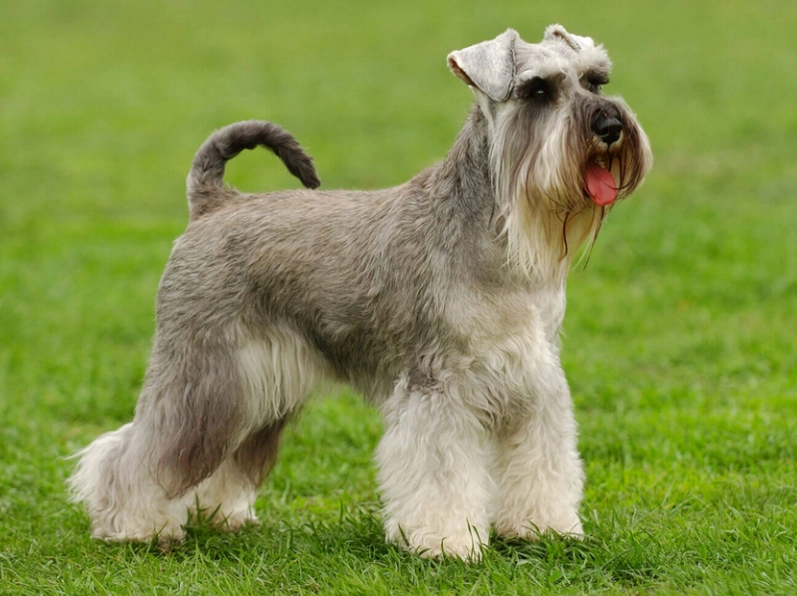
The Grooming Truth: More Than Just a Haircut
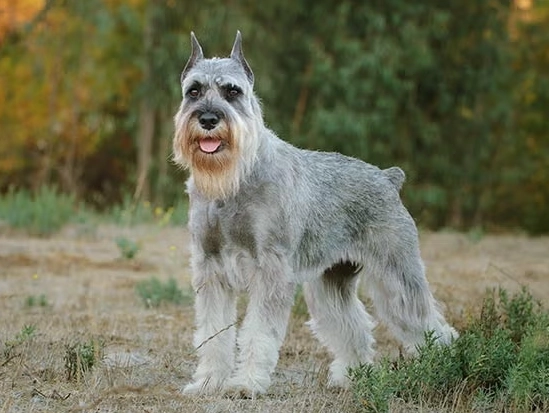
Health: A Proactive Owner's Checklist
Condition
Description
Prevention/Treatment
Hip Dysplasia
Malformation of hip joint causing arthritis.
Progressive Retinal Atrophy (PRA)
DNA test breeding dogs.
Autoimmune Thyroiditis
Underactive thyroid gland.
Annual blood screening.
Fanconi Syndrome
A kidney disorder.
DNA test available; monitor symptoms.
Training: The Non-Negotiable Foundation
Finding Your Standard Schnauzer
Your Schnauzer Questions, Answered
Standard Schnauzer: The Complete Owner's Guide
Comment