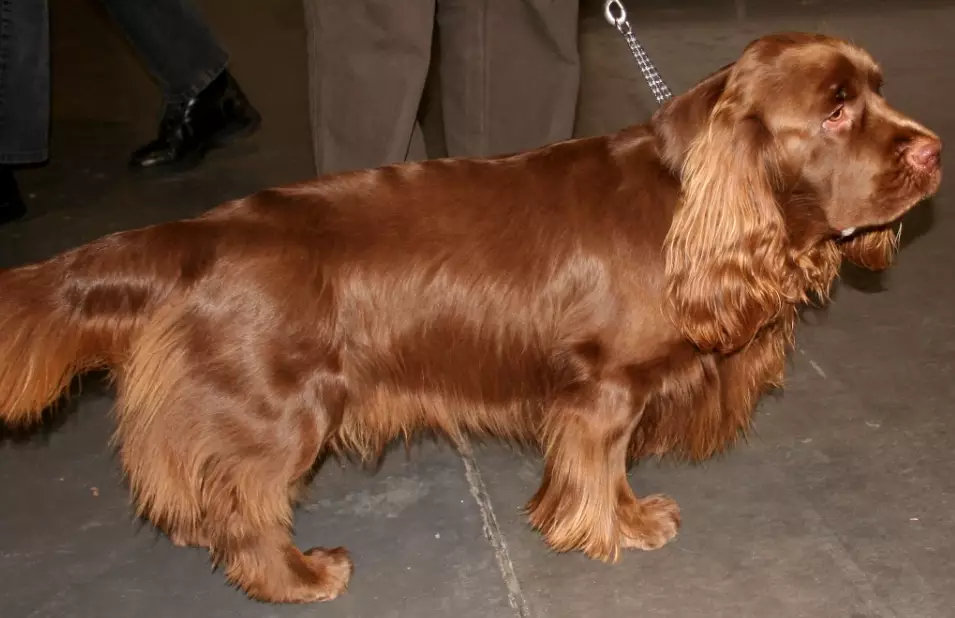
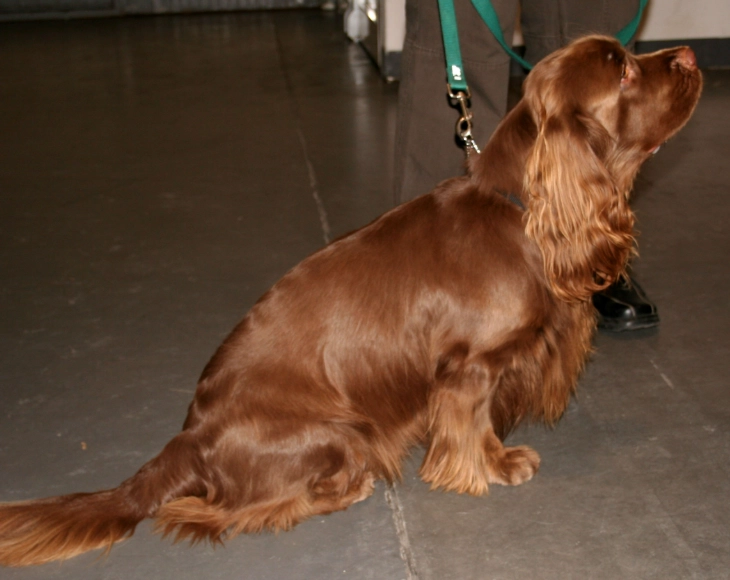
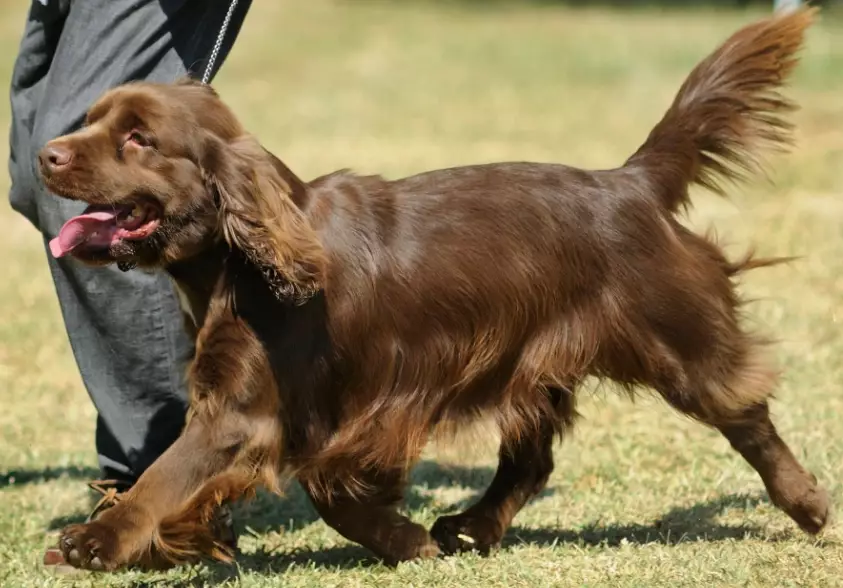
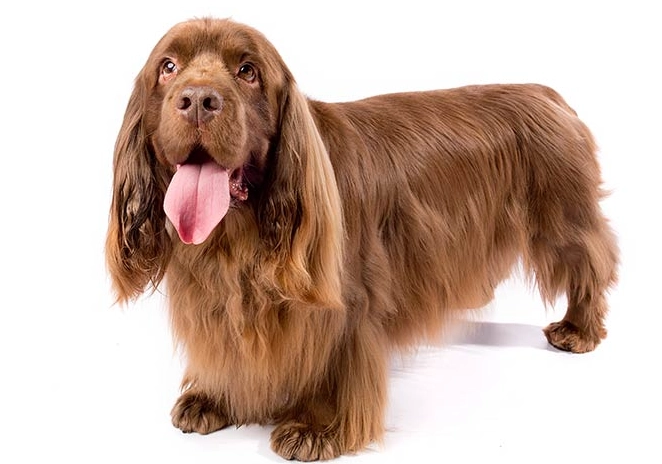
You don't see many of them. That's often the first thing people say about the Sussex Spaniel. In a park full of Labradors and Cockers, that rich, golden-liver coat and long, low-slung body turns heads. I remember the first time I met one named Barnaby. He wasn't bouncing off the walls like the springers nearby. He just plodded over, gave my hand a thorough sniff with his soulful expression, and leaned his substantial weight against my leg with a sigh that seemed to say, "Alright, you'll do." That's the Sussex in a nutshell: deliberate, affectionate, and profoundly solid. But "rare" doesn't just mean unusual-looking. The American Kennel Club (AKC) consistently lists them among its least registered breeds. This scarcity means a lot of what gets repeated online is surface-level. Having spent years around sporting breeds and spoken with dedicated Sussex breeders, I've seen the gaps in common knowledge. Everyone mentions their calmness, but few talk about the strategic stubbornness that emerges if you're not a confident leader. People love their unique color, but underestimate the weekly grooming commitment to prevent that beautiful coat from matting into felt. Developed in the Sussex county of England in the 1700s, they were bred for a specific job: flushing and retrieving game in dense, rough terrain for hunters on foot. That low build wasn't for looks—it let them push through thick underbrush. Their distinctive, almost melodic bark (called "giving tongue") helped hunters track them in the field. You can still see this today. They're not a silent dog. A squirrel outside might elicit a deep, rhythmic "woof... woof... woof" as a commentary. Group: Sporting (AKC). Weight: 35-45 lbs. Height: 13-15 inches at the shoulder. Coat: Abundant, straight or slightly wavy, golden-liver color only. Life Span: 11-14 years. Their build is substantial, longer than it is tall, with a characteristic rolling gait. They are power, not speed. Let's clear up a common misconception. Because they're low and golden, people often confuse them with a poorly-bred Cocker Spaniel or even a Clumber Spaniel mix. The Sussex is distinct. The head is broader, the expression more somber, and the body is far more rectangular. The American Kennel Club breed standard highlights their unique "rolling" gait, a product of their short legs and long back. Indoors, they are the epitome of a calm, affectionate companion. They are velcro dogs, preferring to be in the same room as their people, often at your feet or on a nearby dog bed. They are typically excellent with gentle children, forming loyal, protective bonds. Their energy level is moderate. But here's the nuance many miss: their calmness can be mistaken for laziness or simplicity. It's not. They are thoughtful, observant dogs with a strong independent streak. This isn't a breed that will mindlessly obey for the sake of it. They want to know "why." This trait made them persistent hunters, but in a modern home, it can translate to a dog that pauses to consider your command before (maybe) deciding to comply. It's not defiance in a malicious sense; it's deliberation. They are not well-suited for chaotic, loud households. They thrive on routine and quiet companionship. If you want a dog to join your daily jogging regimen, look elsewhere. If you want a steady, loving presence for evening walks and couch cuddles, you're on the right track. That gorgeous coat is high-maintenance. It's dense and feathery, picking up every burr and piece of debris. Without regular care, it mats quickly, especially behind the ears, under the legs, and around the rear. Matting isn't just unsightly; it's painful and can lead to skin infections. A mistake I see? Owners brushing the top layer but missing the dense undercoat. You'll think you're done, then find a solid mat the next day. Part the hair and check the skin. They need daily exercise, but it's not excessive. A solid 30-45 minute walk, coupled with some playtime in a yard or indoor games, is usually enough. They enjoy sniffing walks and are excellent hiking partners on moderate trails. Their stamina is good, but their pace is leisurely. Because of their long back, avoid activities that involve a lot of jumping on/off furniture or intense, twisting play. Using a ramp for the car or couch is a smart preventative measure. Overall, they are a sturdy breed, but like all purebreds, they have predispositions. Reputable breeders test their breeding stock. You should ask to see these results. The biggest health mistake owners make? Letting them get overweight. Extra pounds put immense strain on their hips and spine, directly exacerbating their two main breed vulnerabilities. You should be able to easily feel their ribs. Let's talk numbers, because rarity comes with a price tag. Start socialization early. Expose your Sussex puppy positively to different people, sounds, surfaces, and other calm, vaccinated dogs. This builds a confident adult dog. Training requires patience and positive reinforcement. Food motivation is usually high, which helps. Keep sessions short, fun, and consistent. Their deliberateness means they may not perform with the speed of a Border Collie, but they learn solidly. A specific pitfall: their sensitivity. They do not respond well to harsh tones or punishment. It shuts them down. If they are being stubborn, the solution is often to make the task more rewarding or to take a break, not to escalate. I've seen owners get frustrated with the "pause" and start repeating commands louder, which only teaches the dog to ignore them. The Sussex Spaniel isn't for everyone. They demand grooming time, a patient training approach, and a wallet that can support their needs. But for the right person—someone who values quiet companionship, a unique historical breed, and doesn't mind a bit of drool on their jeans—they offer a depth of loyalty and character that's increasingly hard to find. They're not just a rare breed; they're a reminder that the best companions aren't always the flashiest, but often the most steadfast.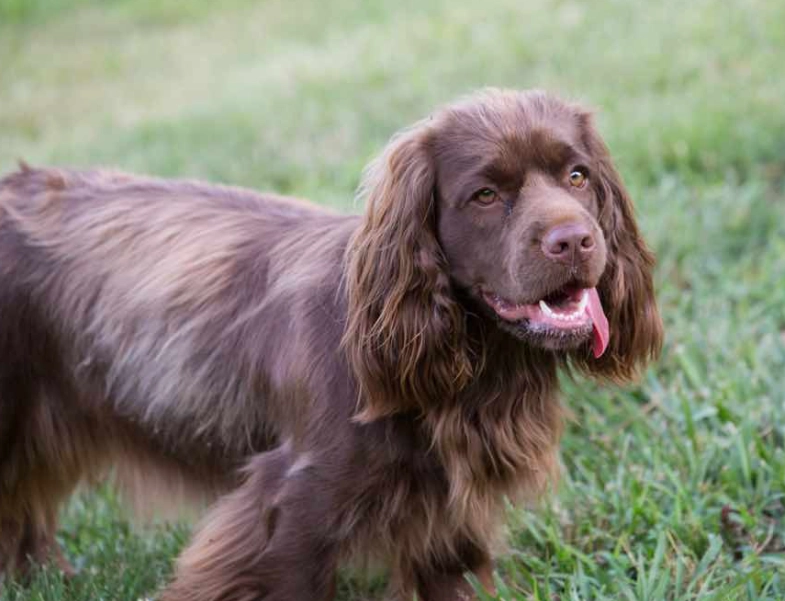
What You'll Find in This Guide
Meet the Breed: A Walking Piece of History

Breed Snapshot
Personality: The Gentle, Opinionated Companion
Daily Care: The Non-Negotiables
Grooming: It's a Commitment
Exercise: Quality Over Quantity
Health Matters: Proactive Care is Everything
Condition
What It Is
Prevention/Treatment
Hip Dysplasia
Malformation of the hip joint, leading to arthritis.
Buy from breeders who OFA test parents. Maintain a healthy weight. Provide joint supplements (glucosamine) as recommended by your vet.
Intervertebral Disc Disease (IVDD)
Spinal disc issues, a risk in long-backed breeds.
Prevent jumping, use harnesses instead of neck collars for walks, keep weight down. Know the signs of back pain.
Heart Conditions (PDA)
Patent Ductus Arteriosus, a congenital heart defect.
Reputable breeders screen for this. A vet should listen for heart murmurs during puppy check-ups.
Ear Infections
Common due to long, hairy, floppy ears.
Weekly cleaning and keeping ears dry after baths/swims is crucial.
The Real Cost of Ownership
Training & Socialization: The Gentle Leader Approach
Your Common Questions Answered
Is a Sussex Spaniel a good apartment dog?
Surprisingly, yes, they can adapt to apartment living better than many sporting breeds. Their energy level is moderate, and they are famously calm indoors. The key is providing structured, daily exercise to meet their needs. Without it, their calmness can turn into stubbornness or weight gain. A good 30-45 minute walk, combined with some indoor play, is often sufficient. Their barking at outside noises can be managed with training.
How much do Sussex Spaniels shed, and are they hypoallergenic?
Sussex Spaniels shed a moderate amount year-round, with potential increases during seasonal changes. They are not hypoallergenic. Their dense, water-resistant coat traps dander and requires regular brushing to manage loose hair and prevent mats. If you or a family member has allergies, spending time with a Sussex Spaniel before committing is crucial. Weekly brushing is non-negotiable for coat health and to keep shedding under control.
Are Sussex Spaniels easy to train for a first-time dog owner?
They can be a challenge for a first-timer due to their independent and occasionally stubborn streak, inherited from their hunting background. They respond best to positive, reward-based training that is consistent and patient. Their sensitivity means harsh methods backfire completely. While intelligent, they may not be as eager to please as a Labrador. A first-time owner can succeed but should be prepared for a slower, more thoughtful training process and consider enrolling in puppy classes for guidance.
What's the biggest downside to owning a Sussex Spaniel?
Beyond the grooming commitment, potential owners should be aware of two things. First, they can be prone to a distinct, earthy doggy odor, even when clean, due to their oily coat. Second, many are serious droolers, especially after drinking or when anticipating food. Keeping a "slobber towel" handy is a common practice among owners. If you're a fastidious housekeeper, these traits might grate on you.
Comment