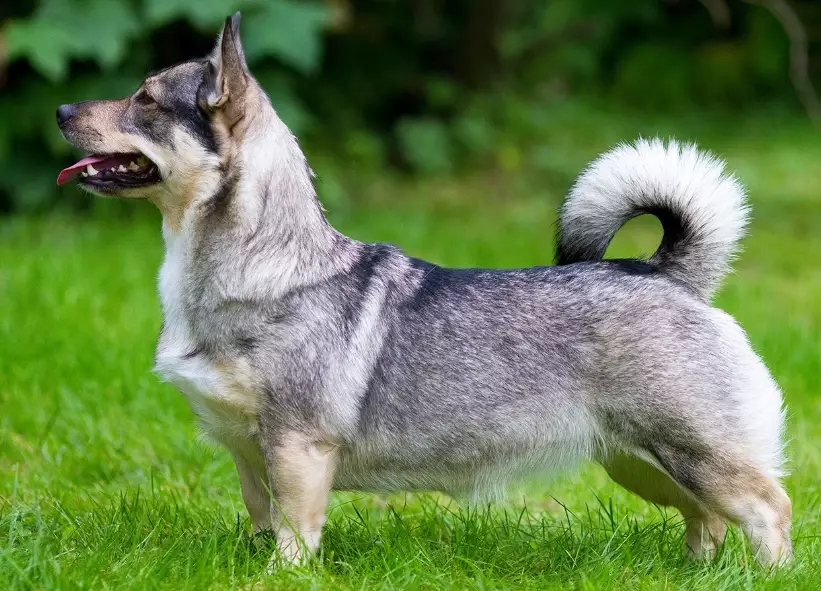
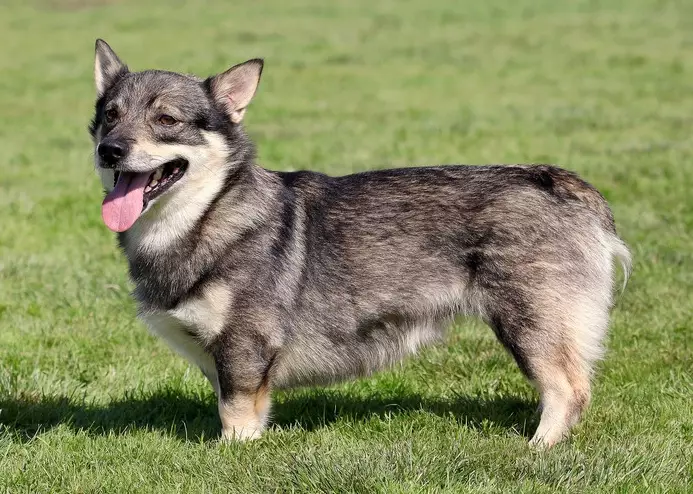
You see a dog that looks like a Corgi mixed with a Husky, with a confident trot and ears that miss nothing. That's your first encounter with the Swedish Vallhund. But this breed is far more than a cute composite. It's a thinking, working, and fiercely loyal companion with a history stretching back over a thousand years to Viking settlements. I've spent over a decade working with spitz and herding breeds, and the Vallhund consistently surprises new owners. They expect a manageable small dog. What they get is a powerhouse personality in a compact, weatherproof body. The Swedish Vallhund's story is a rollercoaster. Believed to have traveled with Vikings, they served as versatile farm dogs—herding cattle (yes, they'd nip the heels of cows much larger than themselves), guarding property, and ridding barns of vermin. Their low stature was an asset, allowing them to dart under cattle and avoid kicks. Then, they nearly vanished. By the 1940s, the breed was on the brink of extinction in Sweden. Credit for its survival goes largely to two men: Count Björn von Rosen and K. G. Zettersten. They scoured the Swedish countryside, found a few typical dogs, and began a careful breeding program. The breed was officially recognized by the Swedish Kennel Club in 1948 and later by major kennel clubs like the American Kennel Club (AKC) in 2007. Forget the quiet lapdog image. Living with a Vallhund is a dynamic experience. Their temperament is a compelling blend of three core drives. This instinct is hardwired. They are alert, energetic, and possess a strong desire to control movement. This doesn't just apply to livestock. Children running, cats darting, bikes rolling by—all can trigger the instinct to circle, chase, and possibly give a gentle heel nip. It's not aggression; it's their job description manifesting. Managing this through training and redirection is a non-negotiable part of ownership. They are famously alert and watchful. Strangers at the door will be announced with a sharp, loud bark. They form a deep bond with their family and are protective of their home. Early socialization is critical to ensure this wariness doesn't tip into reactivity. A well-socialized Vallhund is observant and cautious with strangers, not fearful or aggressive. This is the side that wins hearts. At home with their people, they are affectionate, silly, and thrive on being involved in everything. They'll make you laugh with their expressive faces and playful antics. This intelligence and desire to engage is what makes them so trainable—when you make it fun. Here’s a quick snapshot of what you’re signing up for: Owning this breed is an active partnership. Here’s the real breakdown of their care needs, beyond the basics. A leash walk around the block is a warm-up, not the main event. They need activities that engage their body and mind. My go-to routine for a healthy adult Vallhund includes: Without this, you'll likely see the energy turn inward: chewing, digging, obsessive barking. They are sensitive souls wrapped in a tough, independent exterior. Yelling or harsh corrections will shut them down or make them stubborn. The key is positive, reward-based methods that make them think obedience is their idea. Their intelligence means they pick up on inconsistencies instantly. If you let them jump on you when you're in sweats but scold them when you're in work clothes, they'll be confused and less likely to listen. The most common training mistake I see? Giving up too quickly on "quiet" commands. Vallhunds bark. Teaching a reliable "enough" or "quiet" cue takes immense patience and consistency, but it's the single most important quality-of-life command for this breed. Their double coat is weather-resistant. Weekly brushing with a slicker brush and undercoat rake (especially during spring and fall shedding seasons) is usually sufficient. They are naturally clean dogs with little doggy odor. The grooming focus should be on routine nail trims, dental care, and checking those expressive ears. Generally a robust breed with a lifespan of 12-15 years, responsible breeding has minimized many genetic issues. However, prospective owners should be aware of a few conditions. Reputable breeders will test their breeding stock for these. The Swedish Vallhund Club of America provides excellent resources on health screening. Let's be brutally honest. This breed is not for everyone. They are a fantastic fit for active individuals, couples, or families with older children who want a smart, engaging, and loyal companion for adventures. They excel in dog sports like agility, obedience, rally, and of course, herding trials. You might want to reconsider if: The biggest reward? You get a dog with a huge personality, unwavering loyalty, and a sense of humor, all packed into a sturdy, manageable-sized package. It's a partnership built on mutual respect and activity.What's Inside This Guide?
From Viking Ships to Modern Homes: A Breed Reborn
Swedish Vallhund Temperament and Personality: The Three-in-One Dog
The Herder
The Guardian
The Clown
Trait
What It Means For You
Energy Level
High. Needs 60+ minutes of vigorous activity daily. Not a couch potato.
Intelligence
Very High. Learns quickly but gets bored easily. Needs mental challenges.
Affection Level
High with family. Can be aloof with strangers initially.
Kid-Friendly
Good with respectful, older children. May herd small, running kids.
Barking Tendency
High. They are vocal watchdogs. Training to manage barking is essential.
How to Care for a Swedish Vallhund: The Daily Reality
Exercise: More Than Just a Walk
Training: Be Smarter, Not Louder
Grooming: Surprisingly Low-Maintenance
Swedish Vallhund Health and Lifespan
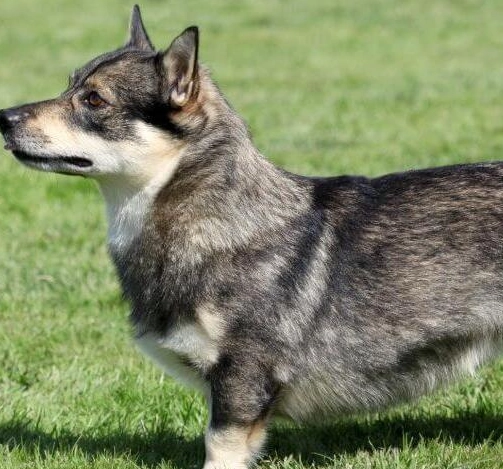
Is a Swedish Vallhund the Right Dog For You?
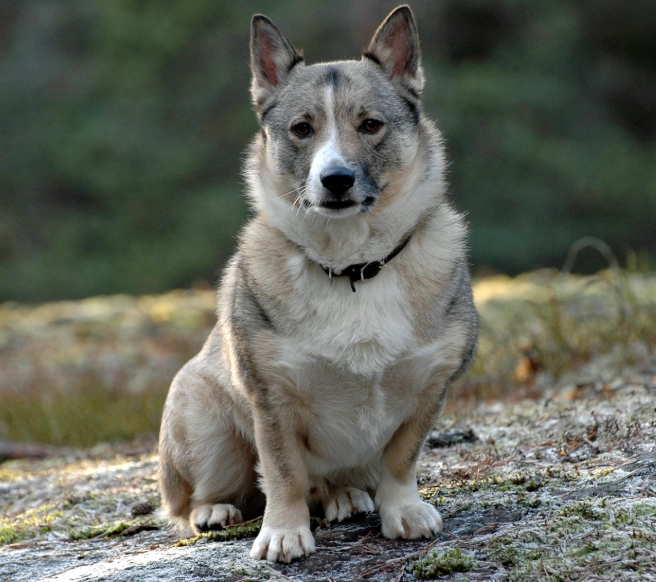
Your Swedish Vallhund Questions Answered
A Note on Names: "Vallhund" translates to "herding dog" or "forest dog." You might also hear them called "Västgötaspets," after the Västergötland region in Sweden where they were preserved. The "Swedish Corgi" nickname is common but can be misleading about their true nature.
Is a Swedish Vallhund a good apartment dog?
It depends entirely on your commitment to exercise. Vallhunds can adapt to apartment life if their physical and mental needs are rigorously met. This means multiple long walks, dedicated play sessions, and consistent training to manage their vocal nature. A house with a yard is easier, but the yard alone is not a substitute for active engagement.
How difficult is it to train a Swedish Vallhund?
They are highly intelligent and eager to work, which makes them fast learners. The challenge lies in their independent streak and sensitivity. Harsh methods backfire immediately. Success comes from short, varied, and positive training sessions that feel like a game. Consistency is non-negotiable; they will test boundaries if they sense inconsistency.
Do Swedish Vallhunds get along with cats and other pets?
With proper, early socialization, they can coexist peacefully. However, their strong herding instinct is a powerful drive. They may instinctively chase, circle, or nip at the heels of running cats or small pets. Supervised introductions and teaching a solid "leave it" command are crucial. It's easier if they are raised together from puppyhood.
What is the biggest misconception about Swedish Vallhunds?
That their small size makes them a low-maintenance or lapdog breed. This is a profound mistake. Their energy, intelligence, and work drive are on par with much larger herding dogs like Border Collies. Under-exercising or under-stimulating a Vallhund almost guarantees behavioral issues like excessive barking, digging, or destructive chewing.
Comment