Let's be honest upfront. The Tibetan Mastiff isn't a dog for most people. Scrolling through images of these lion-maned giants, it's easy to romanticize owning a living legend. But behind the majestic appearance lies a complex, independent mind bred for a specific job over millennia: guarding. This isn't a Lab you can take to the park for fetch. Owning one is more like entering a solemn pact with a deeply territorial, nocturnal sentinel. I've spent years around guardian breeds, and the Tibetan Mastiff stands apart. The most common mistake I see? People treat them like a bigger, fluffier version of a typical family dog. That approach leads to frustration, behavioral issues, and sometimes, rehoming. This guide strips away the myth and gives you the concrete, often unvarnished reality. Forget the tales of them fighting tigers. The Tibetan Mastiff's real history is both more mundane and more impressive. For centuries, they lived alongside nomadic tribes and monasteries in the Himalayan plateau. Their job wasn't to hunt, but to hold the line. They guarded sheep, goats, and yak from wolves and snow leopards. They protected homes through the long, silent, freezing nights. This job description shaped everything about them. They worked independently, making decisions without human guidance. They conserved energy by day (often sleeping) and became intensely alert and patrol-oriented by night. Their deep, booming bark was a weapon to deter predators from miles away. The American Kennel Club notes their lineage as one of the most ancient and foundational for many modern mastiff and mountain dog breeds. They weren't bred for companionship or obedience. They were bred for dependable, autonomous guardianship. That DNA doesn't just switch off. Describing their temperament as "aloof" or "protective" is a massive understatement. It's a specific, hardwired worldview. With Family: To their inner circle, they are profoundly loyal, calm, and often deeply affectionate in a quiet, cat-like way. They might lean against you or follow you from room to room, not for play, but to monitor. Don't expect slobbery kisses or a dog eager to learn party tricks. With Strangers: This is the critical point. They are naturally suspicious of newcomers. It's not aggression first; it's a cold, assessing stare. They are evaluating threat. A well-socialized Tibetan Mastiff should be aloof and observant, not immediately hostile. However, forcing interaction is a mistake. Let the dog decide. This process can take multiple visits before they accept someone. At Night: Their nocturnal instinct is strong. Many owners report their dog transforms as the sun sets. The lazy daytime lounger becomes a patrolman, pacing the property line, listening intently, and barking at distant sounds. This isn't misbehavior; it's ingrained job satisfaction. If you're a light sleeper living in a suburb, this alone can be a deal-breaker. Independence: They think for themselves. If you call them and they see no value in coming, they might just look at you and go back to surveying their kingdom. This isn't stubbornness in the way a willful terrier is stubborn. It's a deep-seated belief that their judgment on security matters is paramount. Let's get practical. What does living with a Tibetan Mastiff actually entail? The Ideal vs. The Problematic Home Now, let's break down the daily and weekly commitments: They are not high-energy athletes. A couple of moderate leash walks a day and access to their yard for patrolling usually satisfies their physical needs. The bigger challenge is mental. They need a job. Make their guarding instincts work constructively. Walk them around the perimeter of your property. Let them accompany you while you do yard work. Hide treats for them to "patrol" and find. A bored Tibetan Mastiff with nothing to watch over will find their own job, and you probably won't like it (like "guarding" the couch from anyone else sitting on it, or barking at every leaf that blows by). That gorgeous coat isn't low-maintenance. It's a double coat with a dense, woolly undercoat. Weekly brushing is a must to prevent mats, especially behind the ears, under the legs, and around the collar. During shedding season (typically spring and fall), you'll need to brush daily. The hair comes out in handfuls. Invest in a good undercoat rake, a slicker brush, and a sturdy vacuum cleaner. Baths are infrequent, maybe a few times a year, but they are a major project due to their size and coat density. Training a Tibetan Mastiff is less about "obedience" and more about "cooperation." Force-based methods backfire spectacularly. You win their cooperation through consistency, respect, and high-value rewards (think real meat, not bland kibble). Focus on the essentials: a rock-solid recall (in a securely fenced area first), polite leash manners, and a reliable "place" or settle command. Socialization is about positive exposure, not interaction. Take your puppy to quiet places to watch the world go by. Pair new sights and sounds with treats. The goal isn't to make them love everyone; it's to teach them that the ordinary world (mail trucks, people with hats, other dogs at a distance) is not a threat. This window for effective socialization is relatively short and crucial. They eat a lot. A high-quality large breed formula is essential to support their joints. Budget for a significant monthly food bill. You'll also need large, sturdy bowls, a large crate for training and safe confinement, a heavy-duty leash and collar, and potentially professional grooming tools. Don't forget the potential for higher pet insurance premiums or a dedicated savings account for vet bills. While generally a hardy breed, their size and build predispose them to certain conditions. Responsible breeders test for these, and you should ask to see the results. A good breeder will be transparent about health in their lines and provide a health guarantee. This is not a breed where you should cut corners with a backyard breeder. Let's circle back to the core question. Ask yourself these questions, honestly: Can I provide a physically secure environment? (Strong fences, no escape routes). If you answered "no" to any of these, a Tibetan Mastiff is likely not your dog. And that's perfectly okay. Loving a breed from afar is sometimes the most responsible choice. If you're still intrigued, the next step is to find a reputable breeder. Expect to be interviewed extensively. Good breeders want to ensure their pups go to homes that truly understand the breed. Be wary of anyone selling "rare" colors at a premium. Visit the premises, meet the parents, and ask for health clearances. Consider adoption, but be realistic. Rescue Tibetan Mastiffs often come with behavioral challenges stemming from their misunderstood nature. You need even more experience. For the right person—someone who respects independence, has space, appreciates quiet loyalty, and doesn't need a cuddly lapdog—a Tibetan Mastiff can be a profoundly rewarding companion. For everyone else, there are plenty of other wonderful breeds. Choose wisely.Quick Navigation: What You'll Find Here
More Than a Myth: Their True History & Origin
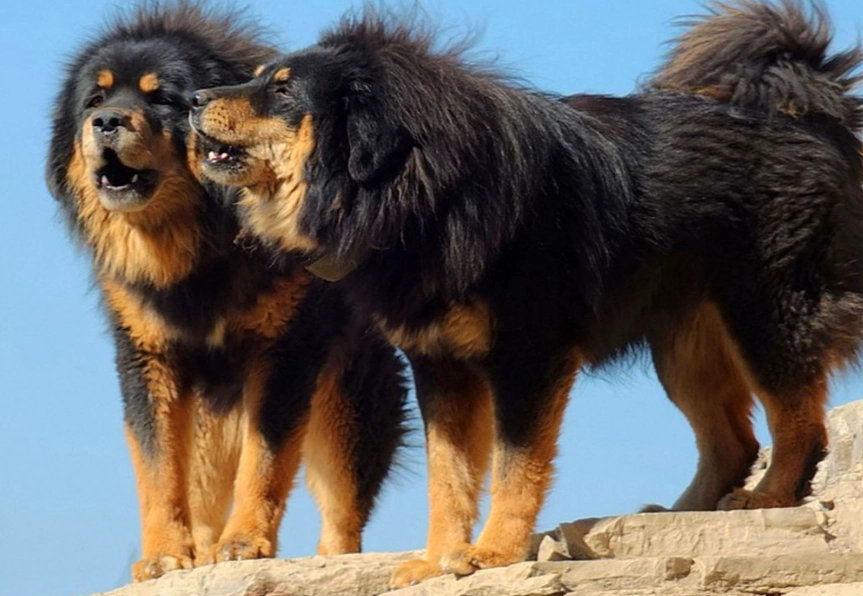
Inside the Mind: Tibetan Mastiff Temperament & Behavior
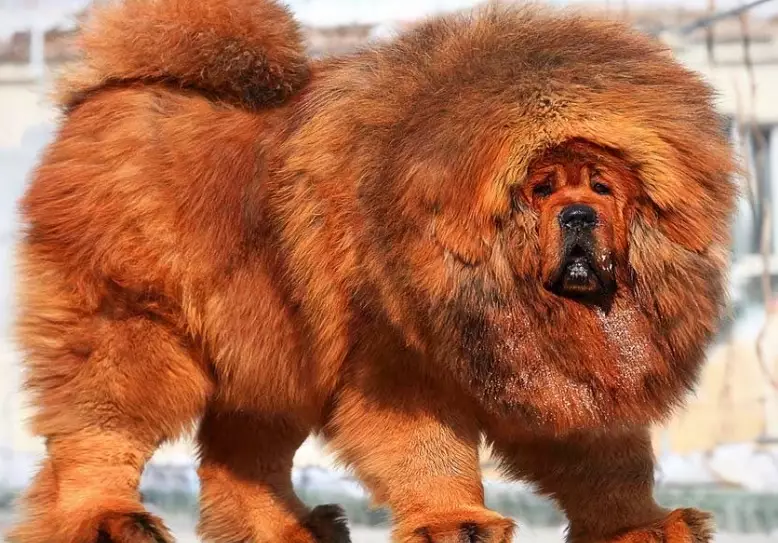
The Real Cost of Care: Time, Space, and Effort

Ideal Home
Likely Problematic Home
Rural or suburban home with a large, securely fenced yard (6-foot minimum, sturdy).
Apartment, condo, or home with a small yard or unreliable fencing.
Experienced dog owner who understands independent guardian breeds.
First-time dog owner or someone used to biddable breeds (Labs, Goldens).
Household with older children who understand calm, respectful interaction.
Household with very young children, frequent small child visitors, or lots of chaotic play.
Owner who values a quiet, observant companion over an active, playful one.
Owner looking for a hiking buddy, agility partner, or constant snuggle-bug.
Stable, predictable routine with a consistent "pack".
Household with frequent parties, new guests, or a rotating cast of roommates or service people.
Exercise & Mental Stimulation
Grooming: It's a Commitment

Training & Socialization: The Non-Negotiables
Feeding & Budget

Health Concerns You Can't Ignore
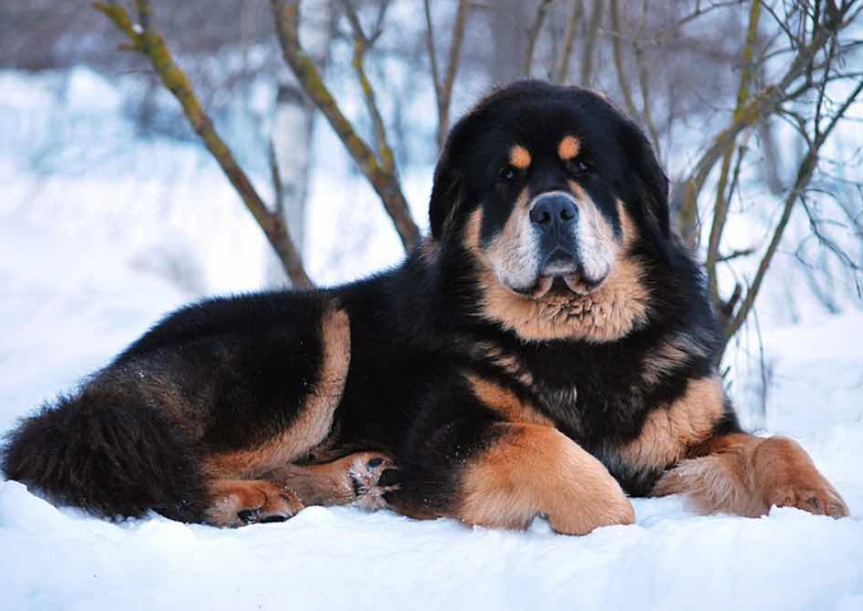
The Final Verdict: Is a Tibetan Mastiff Right For You?
Do I want a thinking partner, not just an obedient pet?
Can I handle the guardian behaviors—the barking, the wariness of strangers?
Is my lifestyle calm and predictable?
Am I prepared for the grooming and financial commitment?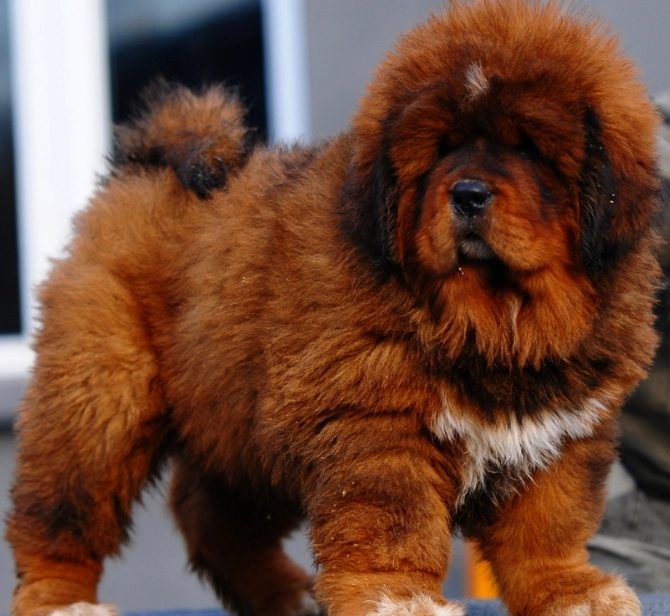
Can a Tibetan Mastiff be happy in an apartment?
They are not suited for apartment living. Their size alone makes it impractical, but the core issue is their guardian instinct. In a confined space with frequent stranger foot traffic (neighbors, delivery people), they can become stressed, overly territorial, and vocal. They need a defined territory they can patrol and secure, which is nearly impossible in an apartment setting.
Are Tibetan Mastiffs good with other dogs and pets?
It depends heavily on early socialization and the individual dog's lines. Same-sex aggression, especially among males, is common. They have a high prey drive and may see smaller pets as prey. Successful cohabitation requires the Tibetan Mastiff to be raised from puppyhood with the other animals and always under supervision. Introducing an adult Tibetan Mastiff to a home with existing pets is a significant risk.
How much exercise does a Tibetan Mastiff really need?
Less than many large breeds, but the type is crucial. They are not endurance runners. One or two moderate leash walks (20-30 minutes) and access to a secure yard for patrolling and lounging usually suffice. Their main exercise is mental—watching their territory. Forced, high-intensity exercise can harm their joints. The bigger challenge is providing enough mental stimulation to prevent boredom.
Why is Tibetan Mastiff training considered so difficult?
The difficulty stems from their independent, decision-making nature. They were bred to guard flocks autonomously for days, making judgments without human input. This translates to a dog that questions the purpose of every command. They are not eager-to-please like a Labrador. Training requires immense patience, high-value rewards, and a focus on building a respectful partnership rather than demanding strict obedience. They often excel at what they deem "important" work (like perimeter checks) but ignore "frivolous" tricks.
Comment