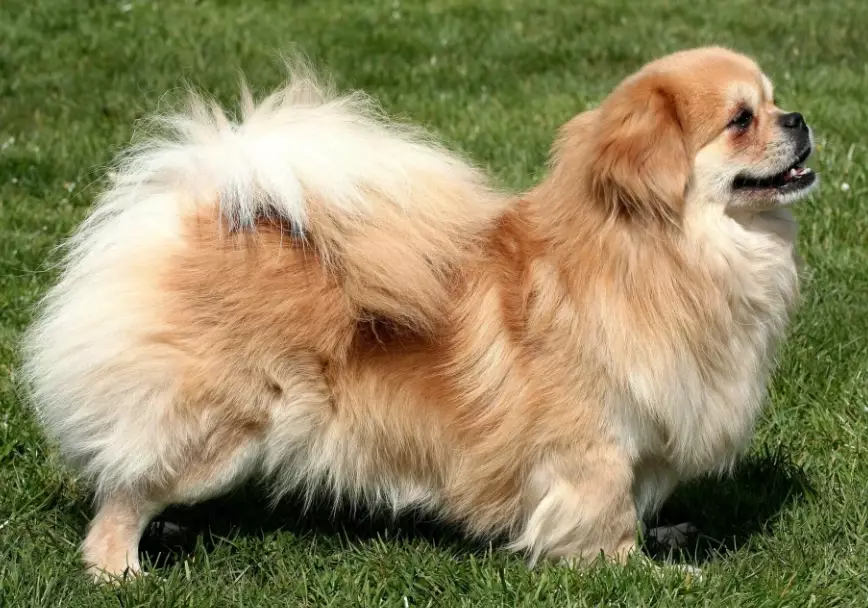
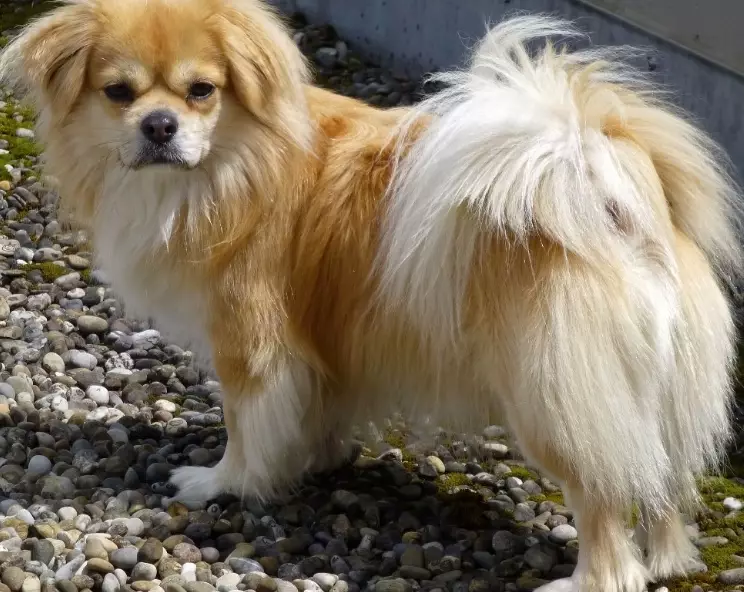
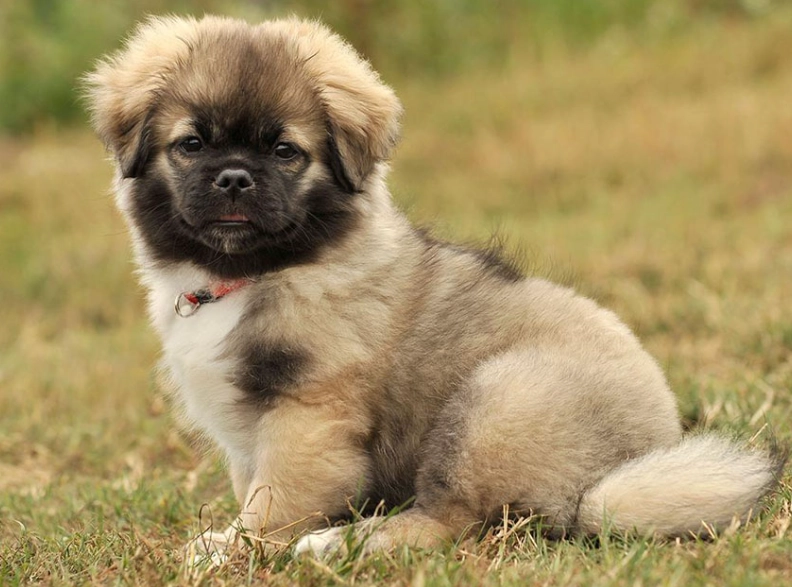
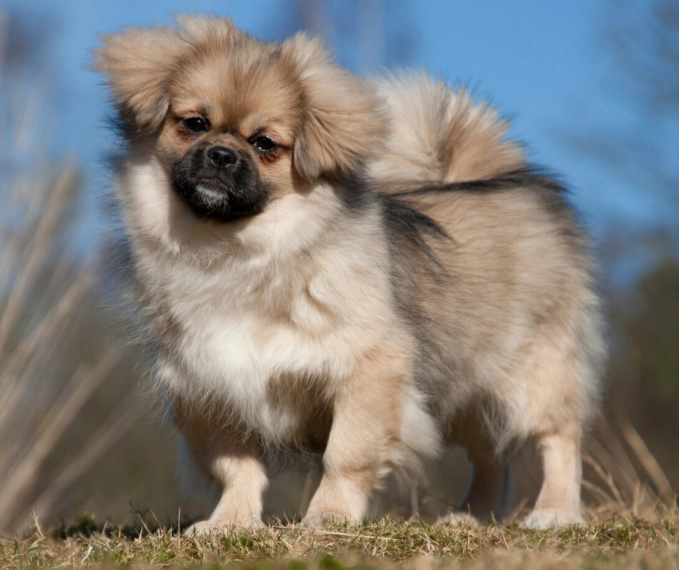
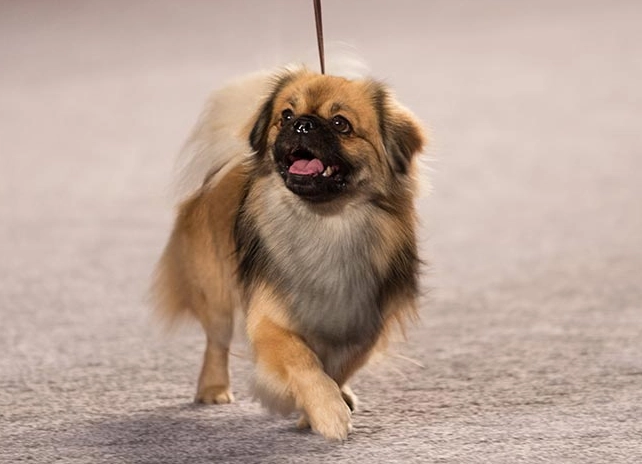
Let's clear something up right from the start. The Tibetan Spaniel is not a spaniel. If you're picturing a water-loving, floppy-eared retriever, you're in for a surprise. This dog is a breed apart, both in history and spirit. Originating in the Himalayan monasteries, they were valued companions to monks, serving as watchdogs and "prayer wheel turners"—sitting on monastery walls keeping a silent, watchful eye. That ancient, independent character is still very much alive in the modern Tibbie. I've lived with one for over a decade, and the journey has been a masterclass in understanding a dog that thinks more like a cat. Forget the generic "loyal and friendly" description. A Tibetan Spaniel's temperament is a fascinating blend of contradictions. They form incredibly deep, almost intuitive bonds with their chosen person. Mine knows when I've had a bad day before I even sit down. But they're not velcro dogs. They'll follow you from room to room, then settle just out of arm's reach, content to observe. This isn't aloofness; it's a quiet confidence. Their watchdog heritage is strong. They are excellent, alert barkers. A delivery person at the door will be announced with gusto. But here's the nuance most guides miss: they are not yappy. The bark is purposeful. Once the "threat" is identified as non-threatening, they usually settle. It's more of an alert system than constant noise. The biggest personality trait, and the one that trips up new owners, is their stubborn independence. They are highly intelligent and learn commands quickly. The question is whether they choose to obey in the moment. Recall can be... negotiable if something more interesting is happening. This isn't defiance in a malicious sense. It's a centuries-old trait of a dog bred to make its own decisions on a monastery wall. You don't train a Tibbie with brute force; you collaborate with them. Expert Insight: Many first-time Tibbie owners misinterpret this independence as being "untrainable" or "dumb." The opposite is true. They're assessing the value of your command versus their current activity. Making yourself more interesting than the squirrel is the real training challenge. Their care is moderately demanding, focused mostly on their beautiful coat. It's a double coat—a soft, wooly undercoat and a longer, silky topcoat. It doesn't have a strong "doggy" odor and is relatively dirt-resistant, but it mats easily behind the ears, in the armpits, and around the feathering on the legs. Brushing two to three times a week is essential. Use a slicker brush and a metal comb to get through to the skin. During spring and fall shedding seasons, daily brushing helps manage the undercoat blowout. Bathing every 4-6 weeks is plenty; over-bathing strips their natural oils. Pay special attention to their ears. Those lovely feathered ears can trap moisture and debris. Check and gently clean them weekly with a vet-approved solution to prevent infections. Their eyes, large and expressive, can sometimes get "sleep" in the corners—a gentle wipe with a damp cloth keeps them clean. This is where the Tibbie shines for apartment or condo dwellers. They are not high-energy dogs. A couple of short walks (20-30 minutes total) and some indoor playtime usually suffice. They are champion nappers. However, don't mistake this for laziness. They enjoy and benefit from mental stimulation—puzzle toys, scent games, and learning new tricks (on their terms, of course) are fantastic. Positive reinforcement is the only method that works. Harsh corrections or scolding will cause a Tibbie to shut down and simply avoid you. They respond to patience, consistency, and especially food. Keep training sessions short, fun, and end on a high note. Socialization is critical. Expose them gently and positively to different people, dogs, sounds, and environments during puppyhood. A well-socialized Tibbie is a confident, well-adjusted companion. An under-socialized one can become timid or overly suspicious. The biggest training goal? A reliable recall. Start in a low-distraction environment with high-value treats (think boiled chicken, not kibble). Practice daily. Understand that in a high-distraction environment like a dog park, their recall may fail. A long-line leash is a wise safety tool for years. Generally a healthy and long-lived breed (12-15 years is common), they have a few breed-specific concerns. Reputable breeders test for these. Ask your breeder for proof of health screenings for the parents (OFA or PennHIP for patellas, eye specialist exams, PRA DNA test). A good breeder is transparent. This breed isn't for everyone. They're perfect for some, a poor match for others. Let's break it down. They can do well with other dogs and cats if properly introduced, especially if raised together. Their prey drive for small animals like hamsters or birds can be high. The Tibetan Spaniel is more than a pet; it's a partnership. They offer unwavering, quiet devotion, a dignified presence, and a unique sense of humor to those who understand their language. They don't give their loyalty blindly—it's earned through respect and patience. If you're looking for a shadow that thinks for itself, a watchdog that fits on your lap, and a companion with a thousand-year history in its eyes, the Tibbie might just be your perfect match. Just be prepared to do things a little more on their terms.In This Article You'll Discover...
The Real Tibetan Spaniel Personality (It's Not What You Think)

Your Tibetan Spaniel Daily Care Guide
Grooming: The Non-Negotiable Routine
Exercise Needs: Quality Over Quantity
How to Train a Tibetan Spaniel: The Mindful Approach
Tibetan Spaniel Health: What to Watch For
Are You the Right Person for a Tibbie?
The Ideal Tibetan Spaniel Home
Potentially Challenging Situations
Households seeking a quiet, affectionate companion rather than a jogging buddy.
Families with very young, rambunctious children who might not respect a dog's space.
Apartment or small home dwellers who need a low-exercise, adaptable dog.
Homes demanding instant, robotic obedience above all else.
Experienced dog owners or thoughtful first-timers who appreciate an independent thinker.
Owners unwilling to commit to regular, thorough grooming.
People who work from home or are retired and can provide consistent companionship.
Homes where the dog will be left completely alone for 8+ hours daily regularly.
Your Tibetan Spaniel Questions, Answered
Do Tibetan Spaniels bark a lot in an apartment, and how can I manage it?
They are alert barkers, which can be challenging in close quarters. Management is key. First, never yell "quiet"—it just adds to the noise. Teach a "thank you" protocol. When they bark at a trigger (like a doorbell), calmly acknowledge it ("Thank you"), ask for a sit, then reward the quiet behavior. Provide a designated lookout spot away from the main door. Using white noise or a fan can mask outside sounds that trigger barking. Consistency from day one is critical.
Are Tibetan Spaniels easy to housebreak?
They can be moderately challenging. Their independent streak means they might understand what you want but decide the cozy corner behind the sofa is just as good. Crate training is highly recommended. Stick to a strict schedule—first thing in the morning, after meals, after naps, last thing at night. Supervise closely when loose. Accidents happen; clean them with an enzymatic cleaner. Patience and a predictable routine win out, but expect the process to take a bit longer than with some other breeds.
My Tibetan Spaniel ignores me when I call him. Is this normal?
Unfortunately, yes, it's a common trait. It's not a sign of a bad dog or failed training; it's genetics. They were bred to observe and decide. To improve recall, make coming to you the best thing that happens all day. Use phenomenal treats reserved only for recalls. Practice in boring environments before expecting success in the park. Never call them for something they perceive as negative (like a bath or nail trim). Sometimes, instead of calling, just walk away—their desire to keep you in sight often kicks in.
How do Tibetan Spaniels handle being left alone?
They are companion dogs and do best with company. They can develop separation anxiety if left alone too long or without proper training. Start with very short departures (seconds, then minutes) and build up slowly. Provide a special, long-lasting treat (like a frozen Kong) that they only get when you leave. Avoid big emotional hellos and goodbyes. For full-time workers, a dog walker midday or doggy daycare a few days a week is almost a necessity for their mental well-being.
Is the Tibetan Spaniel a good choice for a first-time dog owner?
It depends on the person. A thoughtful, patient, and research-oriented first-timer who is prepared for the grooming and respects the independent temperament can do very well. However, a first-timer seeking an effortlessly obedient, "easy" dog who requires minimal grooming might struggle. If you're a novice, be honest with yourself about your lifestyle and commitment level. Meeting several Tibetan Spaniels and talking to owners (not just breeders) is a crucial step.
Comment