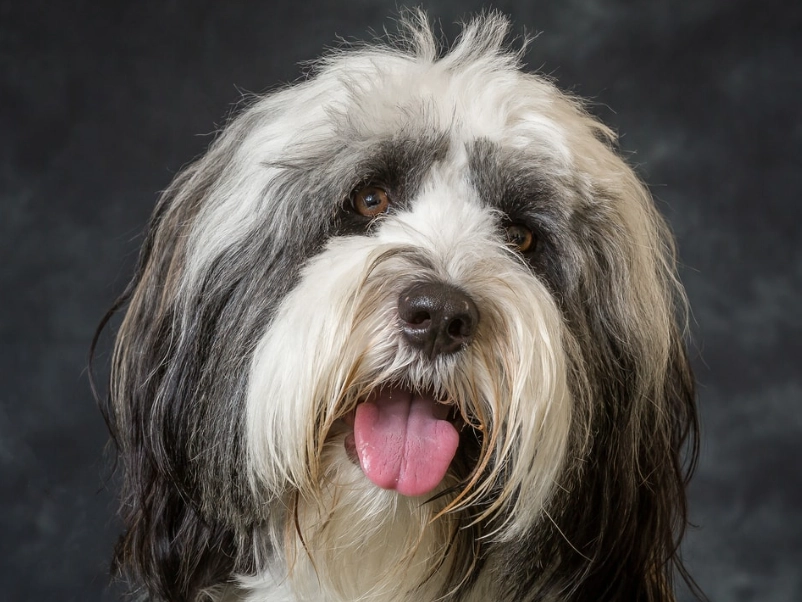
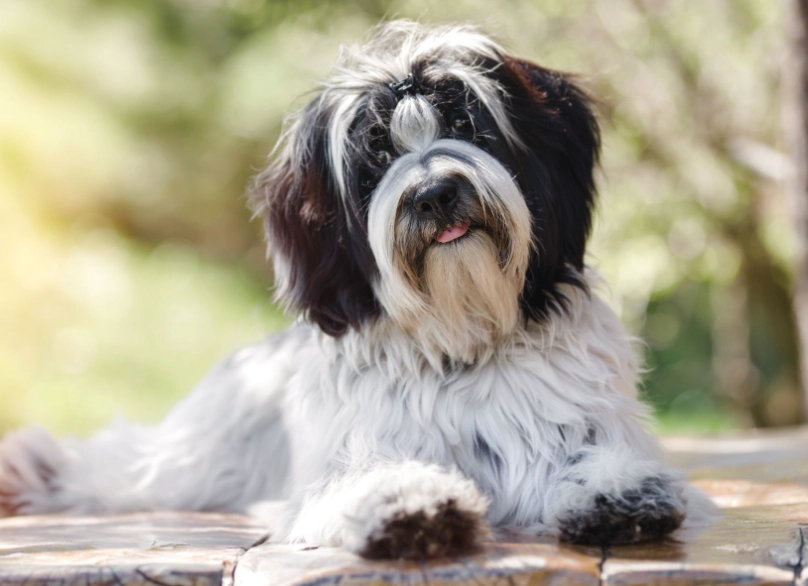
Let's clear something up right from the start. The Tibetan Terrier is not a terrier. That name is a historical misnomer given by early European travelers to Tibet. This dog is actually a member of the ancient herding and guardian group, more closely related to the Lhasa Apso and Shih Tzu. I've lived with this breed for over a decade, and that initial confusion about their identity is a perfect metaphor for owning one. They look like a charming, low-maintenance lapdog. The reality is far more complex, intelligent, and demanding. If you're drawn to their expressive eyes and luxurious coat, you need to understand what lies beneath. Describing the Tibetan Terrier personality as "cat-like" is common, but it's only half the story. It captures their independence and occasional aloofness with strangers, but misses their deep, almost intuitive bond with their family. They are not velcro dogs that follow you from room to room out of neediness. Instead, they prefer to position themselves in a central spot where they can monitor all household activity. You'll often find them perched on the back of the sofa or lying in a doorway—the guardian instinct is still there. Their intelligence is a double-edged sword. They learn commands with startling speed, but they also learn your routines, your weaknesses, and how to manipulate situations to their advantage. I recall trying to teach my first TT, Kelsang, to "leave it" with a treat on the floor. He learned the command perfectly. Then, one day, he started barking at an empty corner of the room. The moment I got up to investigate, he darted past me and took the treat. He had learned that barking could create a distraction. They problem-solve. This intelligence means they excel at dog sports like agility, rally, and nose work. But without an outlet, it turns into boredom, which can manifest as nuisance barking, digging, or inventive mischief (say goodbye to that loose corner of wallpaper). Non-Consensus Viewpoint: Many breed profiles label them as "sensitive," which is true, but they often frame it as a fragility. In my experience, their sensitivity is more about perception. They read emotional atmospheres with uncanny accuracy. A tense argument in the house will stress them out. But they are not delicate flowers; they are tough, resilient dogs with a finely-tuned emotional radar. Yelling or harsh corrections shuts them down completely. Positive, reward-based training isn't just recommended—it's the only method that works long-term. This is the make-or-break section for most potential owners. The Tibetan Terrier has a double coat: a soft, woolly undercoat and a longer, finer topcoat. It grows continuously, like human hair. The popular claim is they "don't shed." That's misleading. They do shed their undercoat, but instead of falling to the floor, the loose hairs get trapped within the longer topcoat. If you don't brush them out, they form mats, starting close to the skin where you can't see them. Forget a simple bristle brush. You need a professional-grade arsenal: Here’s what a realistic maintenance schedule looks like for a pet kept in a manageable "puppy cut" (short all over): The Biggest Mistake New Owners Make: They see the fluffy coat and think a quick weekly brush-over is sufficient. By the time you notice a small mat on the surface, there's likely a large, tight one against the skin underneath. These mats pull on the skin, cause pain, restrict movement, and trap moisture leading to hot spots and infections. Severely matted coats often require a complete shave-down by a vet, which is traumatic for the dog and owner. Consistency is everything. Tibetan Terriers are generally healthy and long-lived (12-15 years is common), but they have some breed-specific predispositions. Being proactive is key. The Orthopedic Foundation for Animals (OFA) and the Tibetan Terrier Club of America maintain databases on breed health. Primary Health Screenings to Ask a Breeder For: Beyond genetics, their unique anatomy requires attention. Those beautiful, wide-set eyes are prone to debris and minor injuries. Keep hair trimmed from around them. Their floppy ears need weekly checks and cleaning to prevent infections. Because they are agile and love to jump, maintaining a healthy weight is critical to avoid stress on joints. I've found feeding a measured, high-quality diet and avoiding table scraps keeps my dogs in lean, athletic condition. Let's match the breed's needs to potential owner profiles. The Ideal Tibetan Terrier Home: Think Twice If: They can do well in apartments if their exercise needs are met, but they do enjoy a secure yard to patrol and explore. Their watchdog bark makes them good alert dogs, but they are not guard dogs. Owning a Tibetan Terrier is a profound commitment. It's not for the casual dog lover. But for the right person—someone who sees past the gorgeous coat to appreciate the keen intelligence, the dry sense of humor, and the steadfast loyalty underneath—the reward is a companion like no other. It's a partnership built on mutual respect. Do your homework, meet the breed, and be brutally honest about your lifestyle. If it aligns, you might just find your perfect, four-legged, Himalayan-hearted friend.In This Guide: Your Quick Links
The Real Tibetan Terrier Temperament: More Than a Pretty Face
The Grooming Deep Dive: It's a Lifestyle, Not a Chore
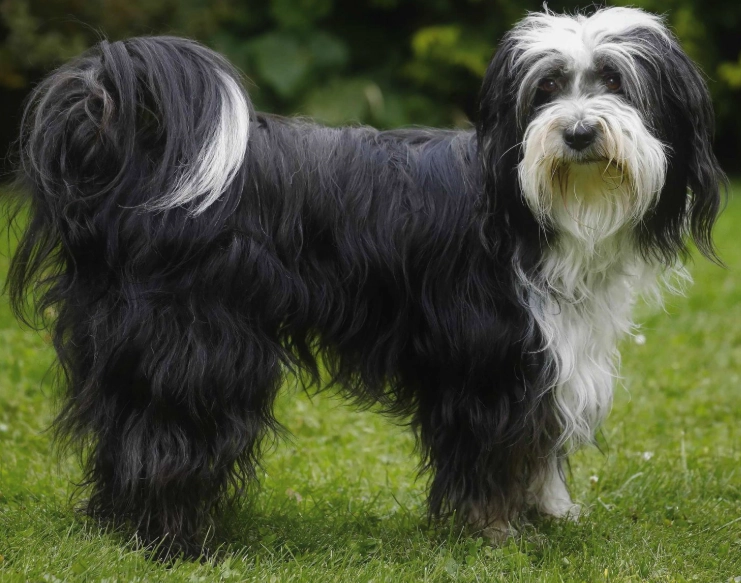
Your Essential Grooming Toolkit
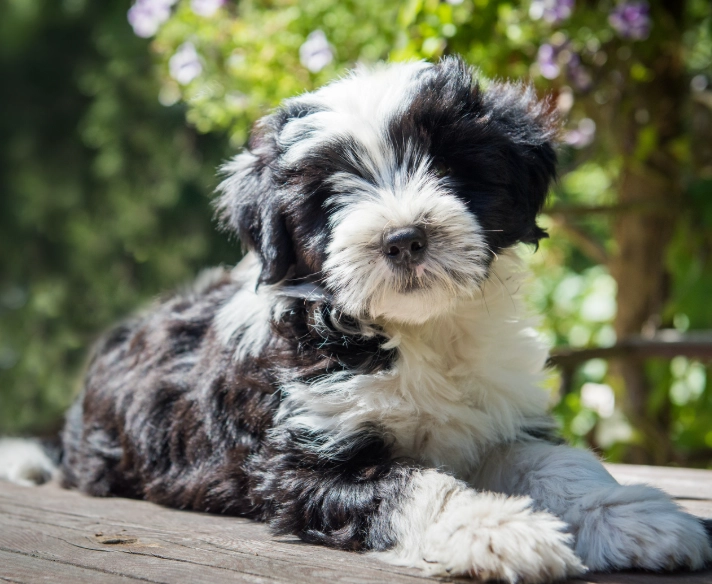
The Weekly Routine Breakdown
Task
Frequency
Time Commitment
Pro Tip
Full Brush-Out
Every 2-3 days
30-45 minutes
Section the coat. Start at the feet and work up, brushing down to the skin. Always follow with the comb.
Eye & Beard Wipe
Daily
2 minutes
Use a damp cloth to prevent tear stains and remove food from the beard after meals.
Paw Hair Trim
Every 2 weeks
10 minutes
Keep hair between pads short to prevent slipping on hard floors and collecting debris.
Professional Groom
Every 6-8 weeks
2-3 hours (at salon)
Find a groomer experienced with double coats. Shaving can permanently damage the coat's texture.
Health Considerations & Proactive Care
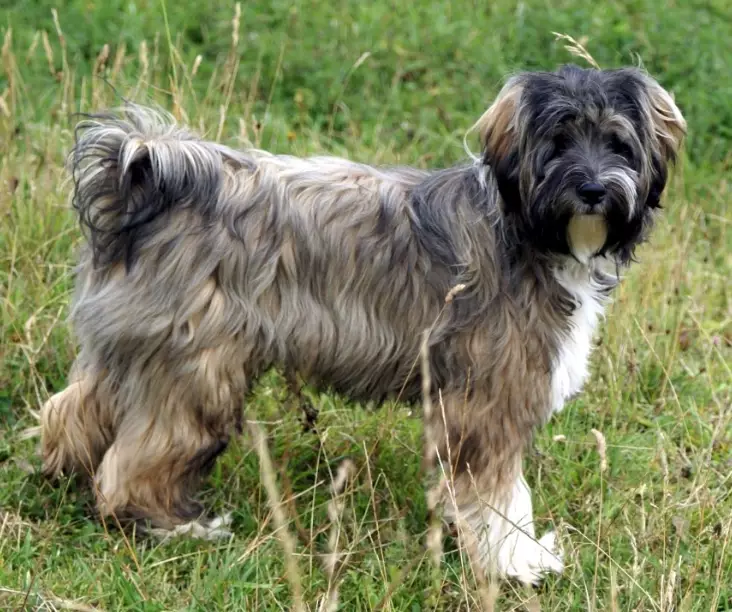
Is a Tibetan Terrier Right for Your Family? A Reality Check
Answers to Your Burning Questions
Are Tibetan Terriers a good fit for families with allergies?
This is the most misunderstood aspect. While often marketed as hypoallergenic, no dog is 100% allergen-free. Tibetan Terriers shed less hair into the environment because their long hair traps the dead hair and dander. However, they produce the same allergenic proteins (like Can f 1) in their saliva and skin as any other dog. The real benefit for mild allergy sufferers is that the allergens are contained within the coat and only released during vigorous brushing or bathing. If you have severe allergies, spend extensive time with an adult Tibetan Terrier before committing.
How much time does grooming a Tibetan Terrier realistically take each week?
Most guides undersell this. For a pet cut (kept short), you're looking at a solid 45-60 minutes of brushing every other day to prevent mats, plus a professional groom every 6-8 weeks. If you want the traditional long, flowing coat, daily 20-30 minute brushing sessions are non-negotiable. The biggest mistake new owners make is thinking a weekly brush is enough; by then, the fine undercoat has already begun to felt at the skin level, leading to painful matting that often requires shaving.
Can a Tibetan Terrier be happy living in an apartment?
Surprisingly well, provided their exercise needs are met. They are adaptable and relatively quiet. The key is mental and physical simulation. Two 20-30 minute walks daily, plus indoor play and training sessions, are crucial. Their biggest apartment challenge isn't space, but boredom. A bored Tibetan Terrier may become inventive, which can mean rearranging your belongings or developing nuisance barking. Puzzle toys and consistent routines are your best friends in an apartment setting.
What's the one health screening I must ask my breeder about?
Absolutely request proof of a clear eye exam for Progressive Retinal Atrophy (PRA) and Lens Luxation from a board-certified veterinary ophthalmologist. The exam must be within the last year for breeding adults. PRA is a degenerative disease that leads to blindness, and it's a known issue in the breed. A responsible breeder will proactively test for this and other conditions like hip dysplasia (via OFA or PennHIP) and will openly share all results, good and bad.
Comment