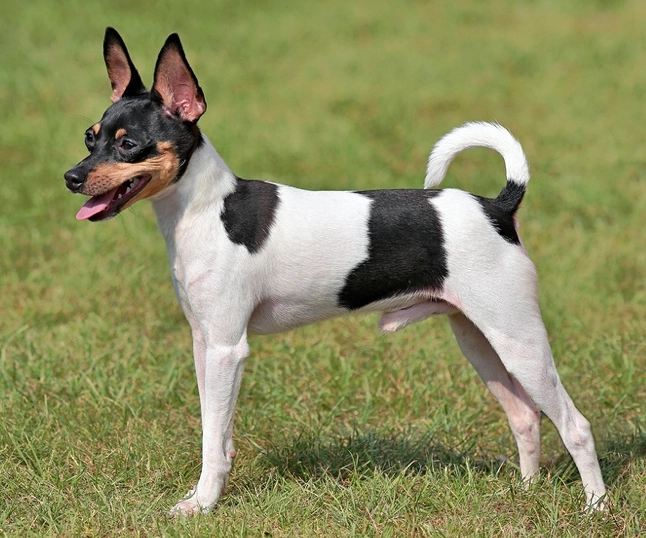
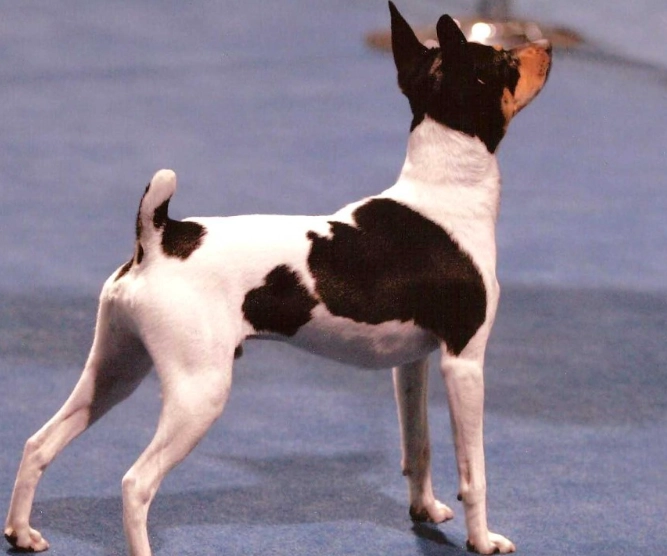
So you're thinking about getting a Toy Fox Terrier? Let me tell you, these little dogs are more than just cute faces. I've owned two over the past decade, and they've taught me a lot—sometimes the hard way. If you're looking for a quiet lapdog, you might want to reconsider. But if you want a companion with personality to spare, keep reading. The Toy Fox Terrier is a small American breed, typically weighing 3.5 to 7 pounds. They're known for their sleek coats, erect ears, and confident demeanor. But here's the thing many websites gloss over: their energy level is off the charts for their size. I learned this when my first Toy Fox, Max, chewed through a sofa leg because I skipped his afternoon walk. Originally bred from Smooth Fox Terriers and toy breeds, the Toy Fox Terrier was developed in the early 20th century as a small vermin hunter. Today, they're primarily companions, but that terrier drive hasn't disappeared. They're intelligent, alert, and sometimes stubborn. Personality-wise, they're often described as "big dogs in small bodies." My second Toy Fox, Luna, thinks she's a guard dog and barks at every delivery person. It's endearing until it's 6 AM on a Saturday. They're loyal to their families but can be reserved with strangers. Key traits: High energy, intelligent, vocal, affectionate with owners, prone to separation anxiety if not trained properly. Their short, smooth coat is low-maintenance—a quick brush once a week usually suffices. But don't skip dental care. I made that mistake early on, and Max needed a costly dental cleaning at age four. Brush their teeth regularly to avoid periodontal disease. Caring for a Toy Fox Terrier isn't just about feeding and walking. It's about meeting their mental and physical needs. Here's a breakdown of what a typical day might look like. Exercise is non-negotiable. A simple walk won't cut it. I incorporate fetch in the backyard and puzzle toys indoors. Without it, they become destructive. Luna once dug up my garden because she was bored. Feeding: Toy Fox Terriers have fast metabolisms, but they're prone to weight gain if overfed. Stick to measured portions. I use a kitchen scale to be precise—it sounds obsessive, but it prevents health issues down the line. From my experience, investing in interactive toys like treat-dispensing balls saves your furniture. It's a small cost compared to replacing chewed-up shoes. Training a Toy Fox Terrier requires patience and consistency. They're smart but can be willful. Start training early, ideally as puppies. Barking: This is a big one. They bark at noises, strangers, or just for attention. Instead of yelling (which they see as joining in), I use positive reinforcement. When Luna barks at the doorbell, I redirect her to a sit command and reward her for quiet behavior. It took weeks, but it worked. Housebreaking: They can be stubborn here. Crate training helps, but don't leave them crated for long periods. I set a timer for potty breaks every two hours initially. Accidents happen—clean up without punishment to avoid anxiety. Socialization: Expose them to different people, pets, and environments early. I took Max to puppy classes and dog-friendly cafes. It made him more adaptable. Skip this, and you might have a fearful or aggressive dog. One mistake I see often: owners give up too quickly. Training isn't a one-time event. It's ongoing. Even now, I reinforce commands with Luna during our walks. Toy Fox Terriers are generally healthy, but they have breed-specific concerns. Regular vet check-ups are crucial. Prevention is cheaper than treatment. I spend on quality food and regular vet visits rather than emergency bills. According to the American Kennel Club, Toy Fox Terriers have a lifespan of 13-15 years, but with good care, they can live longer. Max lived to 16. Wrapping up, Toy Fox Terriers are wonderful companions if you're prepared for their needs. They're not low-maintenance, but the joy they bring is worth the effort. Do your research, talk to breeders or rescues, and be ready for a lively addition to your home.What's Inside This Guide

What Exactly is a Toy Fox Terrier?

Appearance and Grooming Needs
Daily Care and Maintenance

Task
Frequency
Notes
Exercise
Daily, 30-45 minutes
Split into two sessions; include playtime
Feeding
Twice a day
High-quality small breed kibble; watch for obesity
Grooming
Weekly brushing
More during shedding seasons
Dental Care
3 times a week
Use dog toothpaste; annual vet check
Training Tips That Actually Work

Common Training Challenges

Health Issues You Can't Ignore
Your Burning Questions Answered
Are Toy Fox Terriers good for first-time dog owners?
They can be challenging for beginners due to their high energy and stubborn streak. They need consistent, patient training from day one. Many new owners underestimate their intelligence and end up with a dog that runs the household. Start with basic obedience and socialization early to avoid behavioral issues.
How much exercise does a Toy Fox Terrier really need daily?
Aim for at least 30-45 minutes of active exercise split into two sessions. This isn't just a walk around the block; include fetch, agility games, or puzzle toys to tire their mind. Without enough stimulation, they'll find their own entertainment—like chewing your shoes or barking non-stop.
What's the biggest health mistake owners make with Toy Fox Terriers?
Overlooking dental care. Toy Fox Terriers are prone to periodontal disease, and many owners skip regular teeth brushing or vet cleanings. I've seen dogs as young as three with severe dental issues that affect their overall health. Brush their teeth at least three times a week and schedule annual dental check-ups.
Can Toy Fox Terriers live peacefully with cats or other pets?
It depends on early socialization. Their terrier instincts make them chase small animals, but if introduced slowly as puppies, they can coexist. Never leave them unsupervised initially. I successfully introduced my Toy Fox to a cat by using baby gates and positive reinforcement over several weeks.
Comment