That sleek, russet-gold dog catching your eye at the park isn't just a photogenic athlete. It's a Hungarian Vizsla, a breed that wraps its entire world around its human. I've spent over a decade around sporting dogs, and few match the Vizsla's potent combination of raw athleticism and profound emotional sensitivity. They're often called "velcro dogs" for their need to be physically attached to you, but that label only scratches the surface. Getting a Vizsla isn't adopting a pet; it's signing up for a lifestyle centered on motion, connection, and a deep understanding of canine psychology. I've seen too many Vizslas end up in rescues because owners fell for the look and the "loyal companion" description without grasping the sheer volume of daily effort required. This guide won't sugarcoat it. We'll walk through exactly what living with this magnificent, demanding breed entails—from their non-negotiable exercise needs to the subtle ways they communicate stress. Yes, they have energy. An absurd amount. But focusing solely on that is like describing a Ferrari only by its horsepower. The engine is impressive, but the handling, the responsiveness, the feel—that's what defines the experience. A Vizsla's mind is always on, processing your emotions, scanning the environment for birds, calculating the next opportunity for affection or activity. This makes them incredibly intuitive partners but also vulnerable to anxiety. A common mistake is treating their restlessness as mere boredom needing more fetch. Often, it's insecurity. That frantic pacing when you're preparing to leave? That's separation anxiety brewing, not a lack of exercise. This isn't simple following. A Vizsla needs to be involved. They'll rest their head on your laptop, nudge your hand while you're reading, sleep pressed against you. It's their way of maintaining the bond. Deny them this physical connection regularly, and you'll see the fallout in chewing, barking, or depression. I recall a client whose Vizsla started shredding doorframes. More exercise didn't help. The issue? The dog was being crated in a separate room for 8 hours. The solution wasn't a sturdier crate; it was a pet sitter for midday walks and moving the crate bedside at night. The destruction stopped within days. Let's get concrete. What does a Tuesday actually look like? Forget the "long walk" metric. Think in terms of 90+ minutes of vigorous, engaging activity daily. This isn't optional; it's the price of admission. Thankfully, this is straightforward. They need a high-quality, high-protein diet to fuel their metabolism. Watch portion sizes—they can become picky eaters if overfed. According to guidelines from the Pet Nutrition Alliance, active breeds like the Vizsla often require diets formulated for performance or high energy. Grooming is a breeze. Their short coat needs a weekly rub-down with a hound glove. The main chores are nail trimming (they grow fast) and regular ear cleaning to prevent infections, as their floppy ears trap moisture. Their intelligence is a gift and a curse. They learn commands in three repetitions but will also learn that jumping on the counter gets them chicken just as quickly. The biggest non-consensus tip I give? Train the "off-switch." It's not innate. You must actively teach settling on a mat or in a crate as a default behavior, rewarding calmness. Otherwise, you get a dog who is always "on," which is exhausting for everyone. Vizslas are generally healthy, but a few issues are over-represented. Responsible breeders screen for these, and you should ask for proof (OFA or PennHIP for hips, eye specialist reports). Hypothyroidism: Common. Symptoms include unexplained weight gain, lethargy, skin issues. Simple blood test at your vet can diagnose it; management is daily medication. Hip Dysplasia: A concern for many active breeds. Maintaining a lean weight and avoiding forced high-impact exercise (like frisbee on hard ground) as a puppy are key preventative measures. Bloat (GDV): This is the emergency. Deep-chested dogs are prone. Know the signs: unproductive retching, distended abdomen, restlessness. Feed two or more smaller meals a day, never exercise right after eating, and consider a preventative gastropexy surgery if your vet recommends it during spay/neuter. This one piece of advice could save your dog's life. Don't ask if you like the breed. Ask if you can live its lifestyle. The Ideal Vizsla Home Says "Yes" to All: Reconsider if: If you pass the checklist, a Vizsla can be the most rewarding partner imaginable. They'll match you mile for mile on a trail and then melt into your lap by the fire. But they demand your time, your energy, and your emotional presence. Give them that, and you get a love like no other.Your Quick Navigation
Understanding the Vizsla Temperament: More Than Just Energy
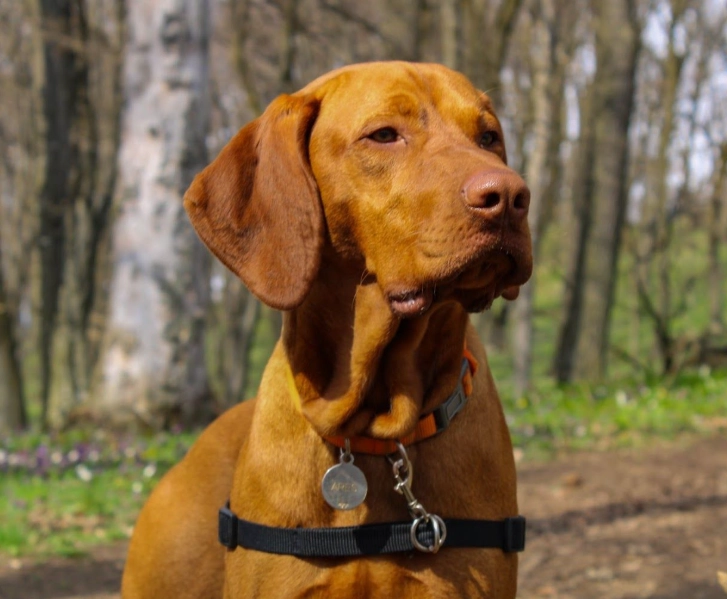
The "Velcro" Trait: Connection, Not Clinginess
The Real Deal on Daily Life with a Vizsla
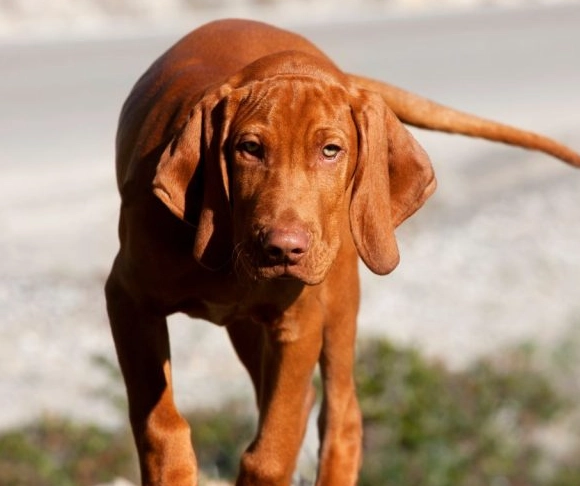
Exercise: Non-Negotiable and Creative
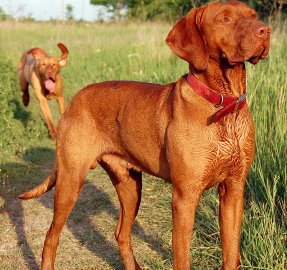
Nutrition & Grooming: The Simple Parts
Training a Sensitive Powerhouse: The Right Approach
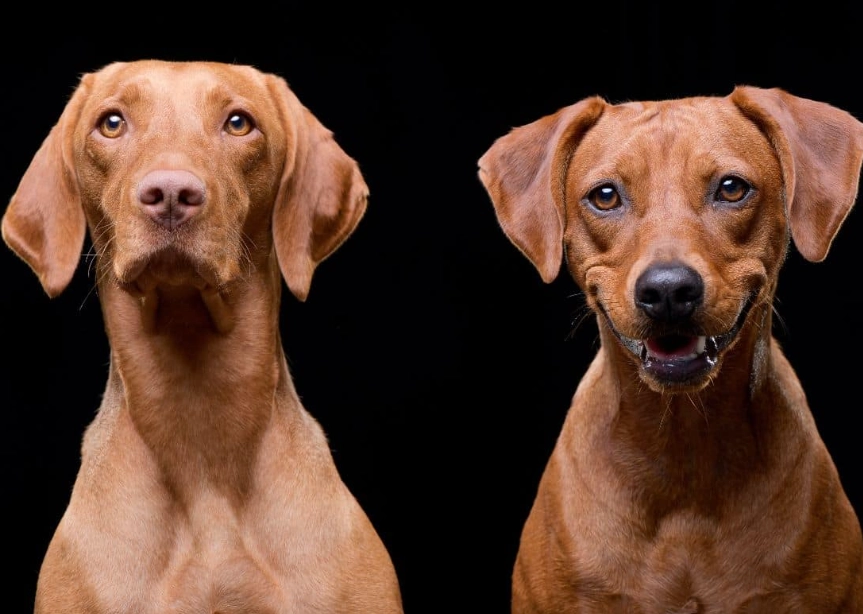
Training Method
Vizsla's Likely Response
Expert Verdict
Force-Based/Correction (e.g., prong collars, harsh verbal reprimands)
Shuts down, becomes fearful, loses trust. May develop avoidance behaviors.
Disastrous. Erodes the bond and can create a nervous, unpredictable dog.
Positive Reinforcement (Treats, praise, play for desired behaviors)
Eager, engaged, tries to problem-solve to earn reward. Bond strengthens.
Essential. The only effective way to train this breed. Keeps them thinking and wanting to work with you.
Inconsistent Rules (Allowed on couch sometimes, yelled at other times)
Confused, anxious, will push boundaries constantly to test the limits.
Recipe for frustration. Vizslas thrive on clear, consistent communication from all family members.

Long-Term Health: What to Watch For
Is a Vizsla Right for Your Family? An Honest Checklist

Here's the brutal truth most breed overviews gloss over: A tired Vizsla is a good Vizsla, but "tired" means physically exhausted and mentally satisfied. A one-hour run might take the edge off, but it won't touch their need for purposeful work.
Can a Vizsla be happy in an apartment?
It's an immense challenge, not impossible but far from ideal. A Vizsla's happiness is directly tied to its ability to run and explore freely. Apartment life requires a monumental, non-negotiable commitment to multiple hours of vigorous outdoor activity every single day, plus significant mental stimulation indoors. If you work long hours or can't guarantee this level of engagement, a Vizsla in an apartment will likely develop destructive behaviors and anxiety.
Do Vizslas shed a lot?
No, Vizslas are remarkably low-shedding dogs. Their short, smooth coat lacks an undercoat, which means they shed fine hairs minimally compared to double-coated breeds. Weekly brushing with a rubber grooming mitt or soft bristle brush is sufficient to remove loose hair and distribute skin oils, keeping their signature russet gold coat shiny. This is one of their lowest-maintenance attributes.
Are Vizslas easy to train?
They are highly intelligent and eager to please, which makes them fast learners. However, 'easy' is the wrong word. Their sensitivity is a double-edged sword. Harsh corrections or a raised voice can shut them down completely, ruining your training session. Success hinges on 100% positive reinforcement—treats, praise, play. They also get bored with endless repetition. Keep sessions short, fun, and varied. Their natural hunting instincts also require dedicated training for reliable recall around distractions.
Comment