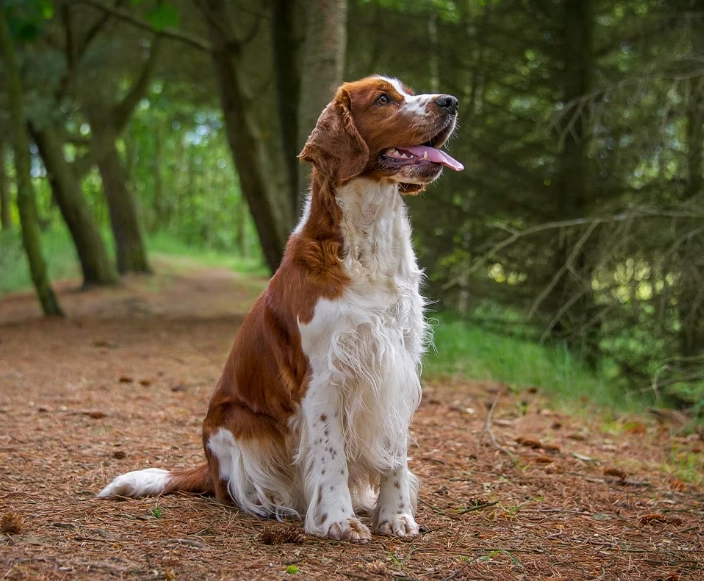
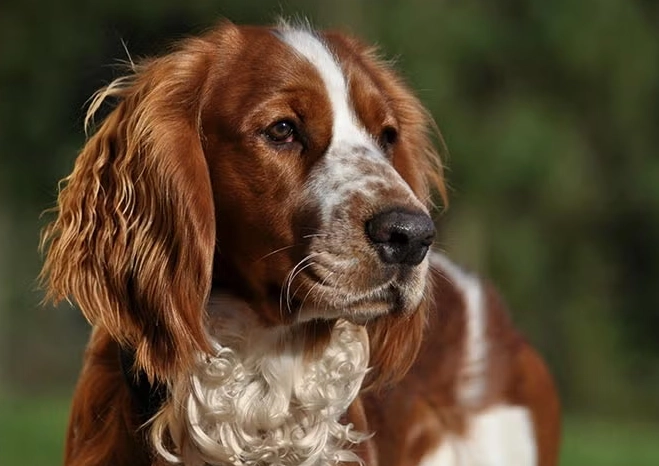
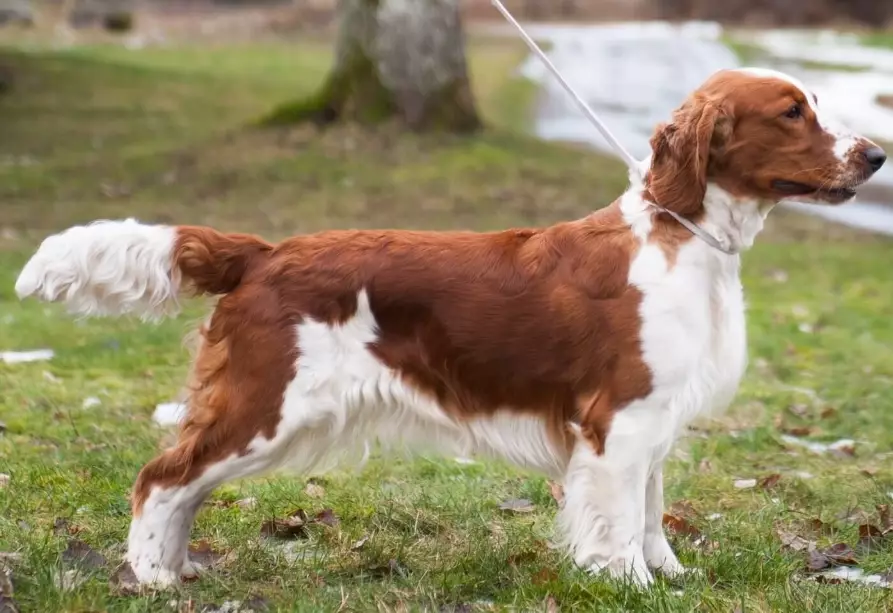
If you're drawn to energetic, red-and-white dogs with a wagging tail, the Welsh Springer Spaniel might be on your radar. I've owned one for over a decade, and let me tell you, they're more than just pretty faces. This breed is a bundle of joy with specific needs that many first-time owners overlook. In this guide, I'll walk you through everything from their history to daily care, based on my experience and insights from sources like the American Kennel Club and The Kennel Club. The Welsh Springer Spaniel is a medium-sized sporting dog, originally bred in Wales for flushing game. They're often confused with the English Springer Spaniel, but they're distinct—Welsh Springers are slightly smaller, with a richer red and white coat. According to breed standards, they stand about 17 to 19 inches tall and weigh 35 to 55 pounds. Their history dates back centuries, and they were nearly extinct after World War II before enthusiasts revived the breed. Today, they're less common than other spaniels, which adds to their charm but also means finding a reputable breeder requires effort. One thing I noticed early on: their coat isn't just for show. It's water-resistant, perfect for their original job in wet fields. But that also means it traps dirt easily, so regular grooming is a must. Welsh Springer Spaniels are affectionate, loyal, and incredibly energetic. They bond deeply with their families and can be velcro dogs—always wanting to be near you. This makes them great companions, but it also leads to separation anxiety if not managed properly. I learned this the hard way when my dog, Bryn, started chewing furniture whenever I left for work. Their temperament is generally gentle, but they have a strong prey drive. Squirrels in the yard? Forget about it—they'll chase anything that moves. With kids, they're patient and playful, but supervision is key because their enthusiasm can knock over toddlers. They get along with other dogs if socialized early, but smaller pets like cats might trigger their hunting instincts. Quick tip: Don't assume a tired Welsh Springer is a happy one. Mental stimulation is just as crucial as physical exercise. Puzzle toys and training sessions keep their minds sharp and prevent boredom-related behaviors. Caring for this breed isn't rocket science, but it demands consistency. Many owners think a daily walk is enough, but that's a recipe for disaster. Here's a breakdown of their core needs. Welsh Springer Spaniels need at least 60 to 90 minutes of vigorous exercise daily. This isn't a leisurely stroll—think running, hiking, or fetch in a secure area. When Bryn was a puppy, I made the mistake of cutting corners on exercise, and he became destructive, digging up my garden. Now, our routine includes a morning run and evening playtime with a flirt pole. Without this, they can develop anxiety or obesity. Their coat requires weekly brushing to prevent mats, especially behind the ears and under the legs. During shedding seasons, you'll need to brush more often. Bathing every 4-6 weeks is sufficient unless they roll in something nasty. Nail trimming and ear cleaning are critical—their floppy ears are prone to infections if moisture builds up. I use a vet-recommended ear cleaner weekly, and it's saved us from multiple infections. Feed them high-quality dog food formulated for active breeds. An adult Welsh Springer typically eats 1.5 to 2.5 cups of dry food per day, split into two meals. Avoid overfeeding; they love food and can gain weight easily. From my experience, incorporating fresh vegetables like carrots or green beans as treats helps keep calories in check. Always consult your vet for portion sizes, as needs vary with age and activity level. Overall, they're a healthy breed, but like all dogs, they have predispositions. Hip dysplasia and eye conditions like progressive retinal atrophy are concerns. Regular vet check-ups are non-negotiable. I screen my dog annually for these issues, and it's caught early signs of arthritis, allowing us to manage it with supplements. Another lesser-known issue is hypothyroidism, which can cause weight gain and lethargy. If your dog seems sluggish despite adequate exercise, get their thyroid checked. Ear infections are common due to their ear structure, so keep those ears dry and clean. Reputable breeders test for genetic conditions, so always ask for health clearances. The Orthopedic Foundation for Animals (OFA) provides databases for hip and eye certifications. Training a Welsh Springer Spaniel is rewarding but challenging. They're intelligent but can be stubborn. Start early with socialization—expose them to different people, places, and sounds. Positive reinforcement works best; harsh methods backfire because they're sensitive dogs. One mistake I see often: owners focus only on obedience and ignore mental games. Teach them tricks or scent work to engage their natural abilities. Recall training is crucial given their prey drive; use a long leash in open areas until it's rock-solid. Bryn still occasionally bolts after a bird, so we practice recall in controlled environments regularly. Crate training helps with housebreaking and prevents separation anxiety. Make the crate a positive space with toys and treats. This breed isn't for everyone. They thrive in active households with yards, but can adapt to apartments if exercised rigorously. If you're a couch potato, look elsewhere. Families with young kids should teach children how to interact gently. They do well with owners who have time for training and companionship. Consider your lifestyle: are you ready for daily long walks, grooming sessions, and potential vet visits? If yes, a Welsh Springer Spaniel can be a loyal friend for 12 to 15 years. Adoption from breed rescues is an option, but puppies from ethical breeders cost $1,500 to $3,000 on average.What You'll Find in This Guide
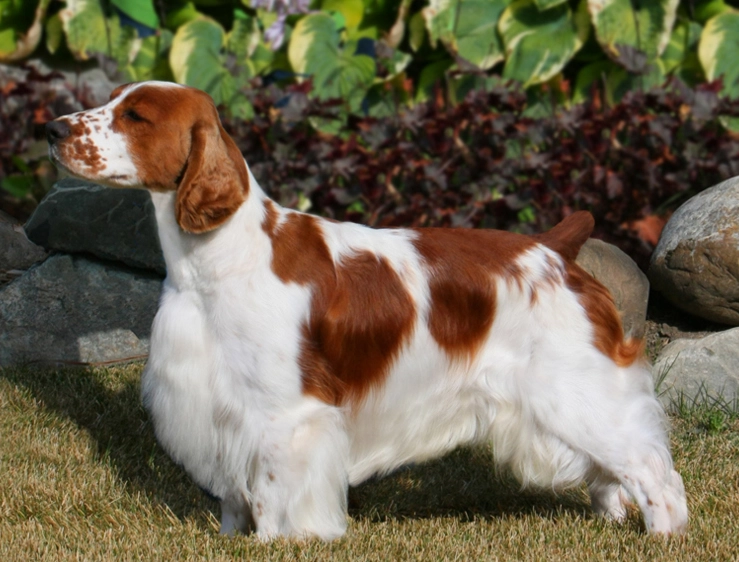
What is a Welsh Springer Spaniel?
Welsh Springer Spaniel Temperament and Personality
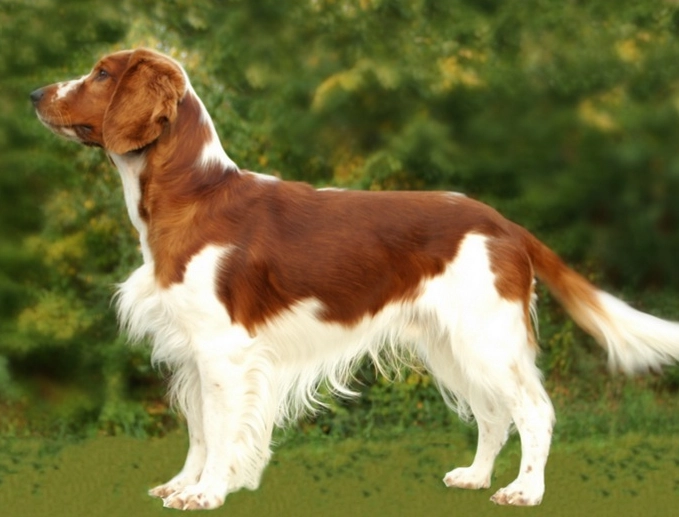
How to Care for a Welsh Springer Spaniel
Exercise Needs
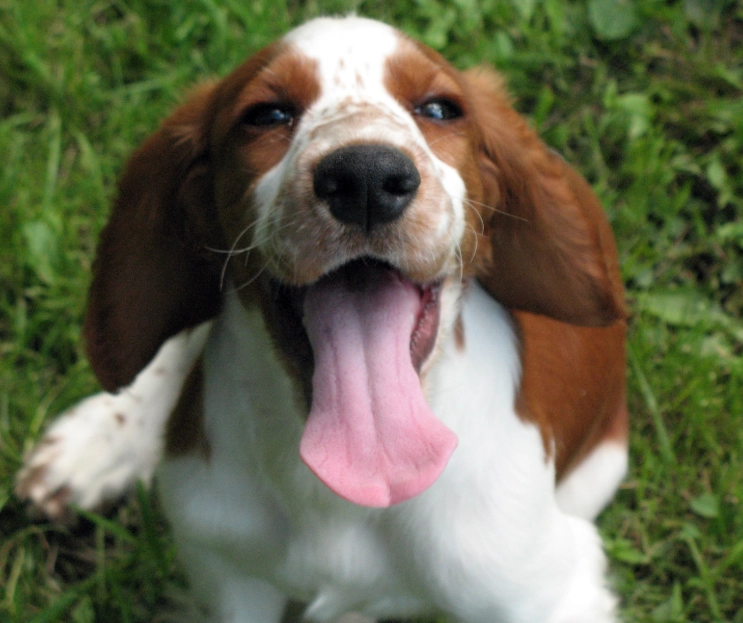
Grooming Requirements
Diet and Nutrition
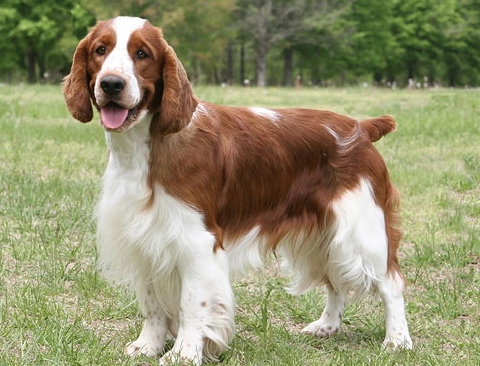
Common Health Issues in Welsh Springer Spaniels
Training Your Welsh Springer Spaniel
Is a Welsh Springer Spaniel the Right Dog for You?
Frequently Asked Questions
How much exercise does a Welsh Springer Spaniel puppy need compared to an adult?
Puppies have bursts of energy but need controlled exercise to avoid joint damage. Short, frequent play sessions of 5-10 minutes, several times a day, are better than long runs. As they grow, gradually increase activity. Adults require the full 60-90 minutes, but puppies under a year should avoid strenuous activities like jogging on hard surfaces.
Are Welsh Springer Spaniels prone to barking excessively?
They can be vocal, especially if bored or alerting to strangers. It's not as severe as some terriers, but without training, it becomes a nuisance. Teach a "quiet" command early and provide enough stimulation. My dog barks at the mailman, but redirecting him with a toy has cut it down by half.
What's the biggest mistake owners make with Welsh Springer Spaniel grooming?
Neglecting the ears and undercoat. Many brush the top coat and stop, but mats form underneath where you can't see. Use a slicker brush to reach the undercoat, and check ears weekly for redness or odor. I've seen dogs develop painful infections because owners skipped this.
Can Welsh Springer Spaniels be left alone during the workday?
Not ideally. They're social dogs and may develop separation anxiety if left alone for more than 4-5 hours regularly. If you work full-time, consider doggy daycare, a pet sitter, or another dog for company. Crate training helps, but it's not a substitute for interaction.
How do I find a reputable Welsh Springer Spaniel breeder?
Look for breeders who perform health tests and belong to clubs like the Welsh Springer Spaniel Club of America. Avoid those who won't show you health clearances or let you meet the puppy's parents. Ask about socialization practices—good breeders expose puppies to various stimuli before they go home.
Comment