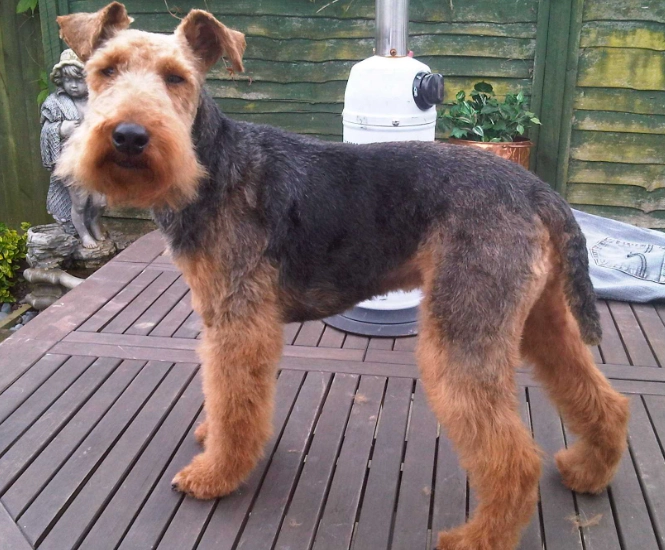
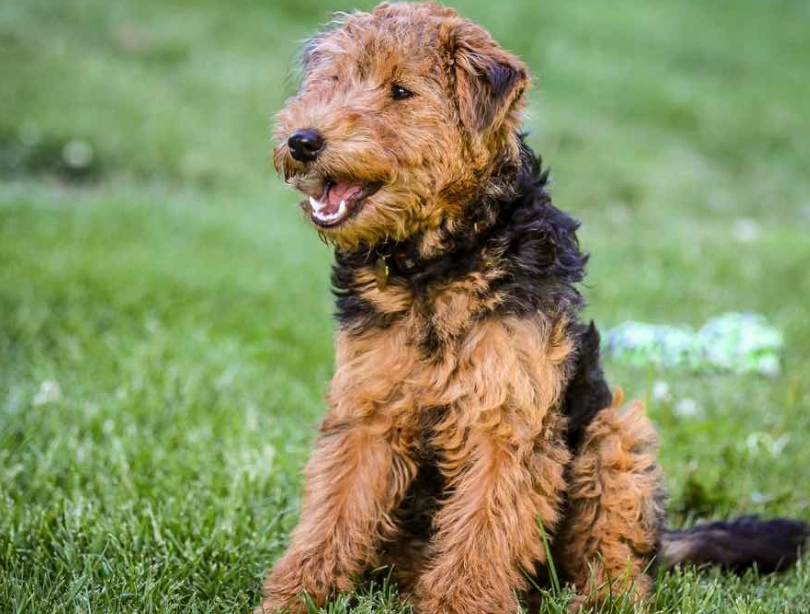
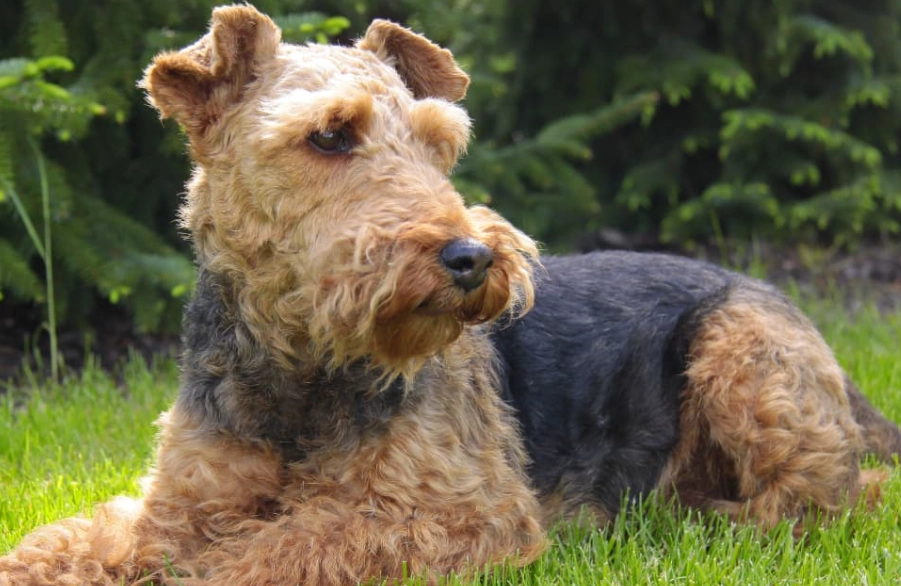
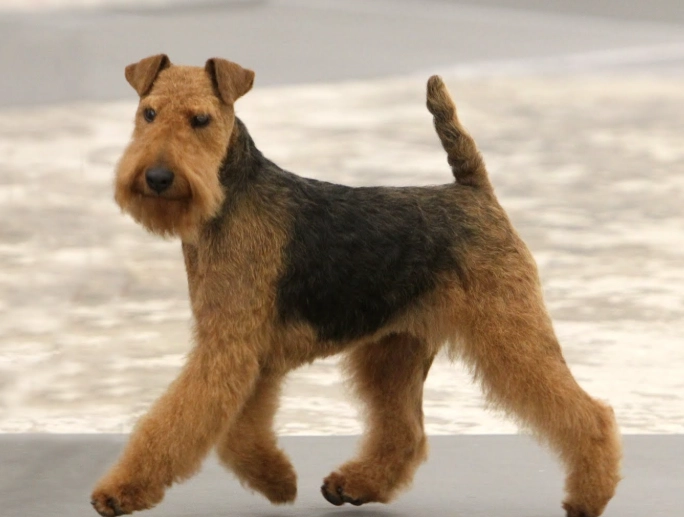
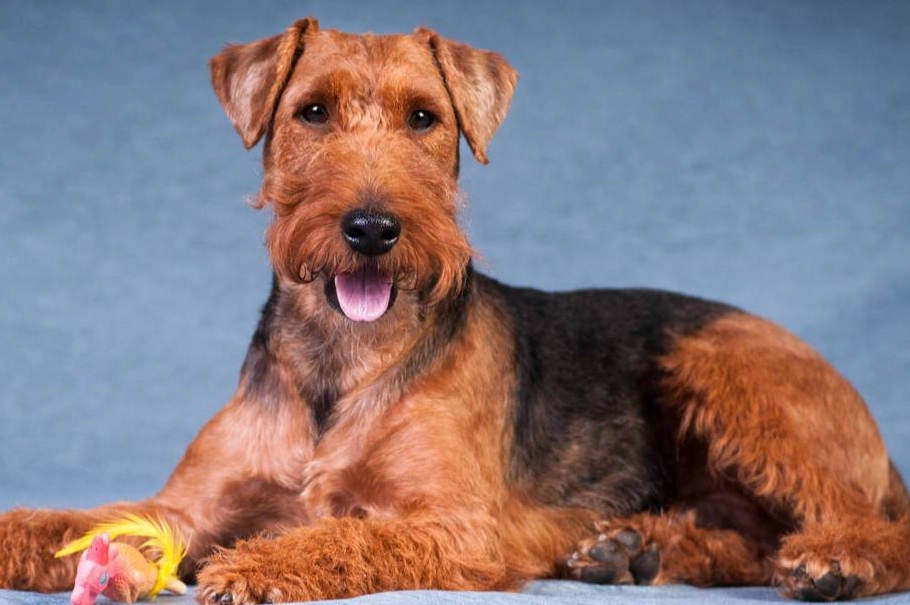
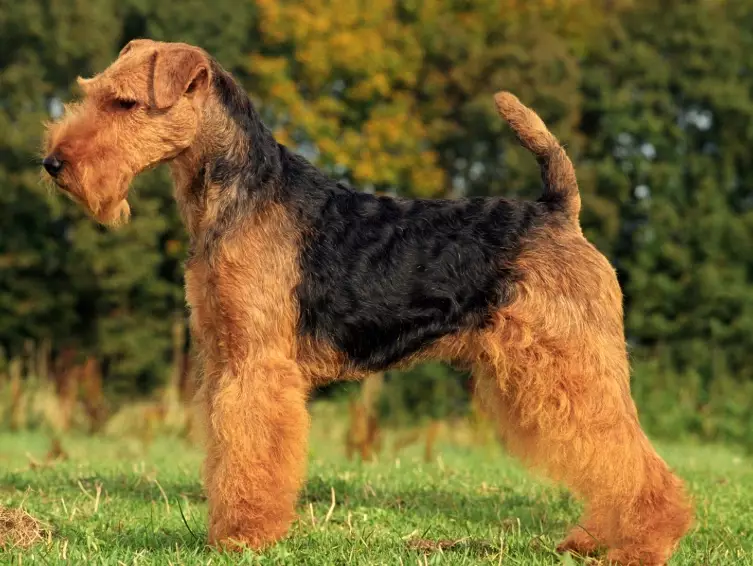
Let's be honest, you're probably here because you saw a picture. That wiry black and tan coat, the intelligent eyes, the dignified beard – the Welsh Terrier is undeniably handsome. They look like a smaller, more refined Airedale, and the breed descriptions often tout them as "less scrappy" than other terriers. I've lived with one for a decade, and while that's partly true, it's also a bit of a sales pitch that glosses over the real, wonderful, and sometimes maddening details. This isn't just a breed profile; it's a frank look at what life is actually like with a Welshie, from the joyous moments to the grooming bills. Yes, Welsh Terriers are generally friendlier with strangers than, say, a Scottie. But "friendly" is a broad term. Their temperament is a fascinating cocktail. They possess a deep, quiet confidence. They're not yappy nervous wrecks, but they're also not golden retrievers who love everyone instantly. There's a discernment. My dog, Rhys, would greet a guest with a wagging tail, accept a pat, and then calmly observe them from his favorite spot. He decided if you were worth his active playtime later. The prey drive is real and non-negotiable. Squirrels, rabbits, birds, even leaves blowing in a compelling way – it triggers a hardwired sequence: freeze, stare, launch. This isn't aggression; it's a pure, focused instinct. It means your garden might have surprise excavation sites and your walks require a solid "leave it" command and a good grip on the leash near roads. Yet, at home, they are profound cuddlers. After their daily burst of energy, they transform into warm, affectionate lumps, seeking out physical contact. This duality – fierce hunter outdoors, devoted sofa companion indoors – is the essence of the breed. This is the biggest practical hurdle and the most common point of misinformation. That beautiful wiry coat doesn't maintain itself, and clipping it with electric clippers is the worst thing you can do. Hand-stripping is the required method. This involves pulling out the dead topcoat by hand or with a special knife to allow the new, crisp wire to grow in. It preserves the texture and the rich black and tan color. Clipping softens the coat, turning it a woolly, dull greyish color. The American Kennel Club notes that proper coat care is essential for the breed's characteristic appearance. You have two options: If you're not prepared for this level of coat maintenance, this is not the breed for you. A clipped Welsh Terrier is a sad, fluffy shadow of what it should be. Welsh Terriers are smart. Scary smart. They learn commands in three repetitions. The problem isn't learning; it's compliance. They are the ultimate cost-benefit analysts. You call them. They look at you, assess if you have a better treat than the interesting smell they're investigating, and make a choice. This isn't disobedience in their mind; it's rational decision-making. It frustrates first-time owners who expect automatic obedience. Positive reinforcement is the only path. Harshness makes them shut down or become sneaky. High-value rewards (think chicken, cheese, liver) are your currency. Training must be short, fun, and varied. The biggest training win is a rock-solid recall. Given their prey drive, this is a safety issue. Practice in low-distraction areas first, be the most exciting thing in the world when they come, and never, ever call them to scold them. They excel at dog sports that engage their brains and instincts. Barn Hunt (finding rats in safe tubes) is a natural. Agility is great, but they might decide their own course if they're bored. Nosework is another fantastic outlet. My mistake in the first year was expecting blind obedience. Once I shifted to seeing training as a collaborative game, everything clicked. He still chooses, but I make sure choosing me is the most rewarding option 95% of the time. Overall, they are a robust, long-lived breed (12-15 years is common). Responsible breeders screen for a handful of conditions. According to the Welsh Terrier Club of America and resources from the Orthopedic Foundation for Animals, the main concerns to ask breeders about are: But health is more than genetics. Is your household a good fit? With Kids: Excellent with respectful children. They are sturdy and playful. Teach kids not to bother them while sleeping or eating. As with any dog, supervision is key. With Other Pets: Tread carefully. They can co-exist with cats they are raised with, but the chase instinct is strong. With other dogs, early socialization is paramount. They can be fine, but same-sex aggression, particularly among males, is not uncommon in terriers. They often do best as the only pet or with a opposite-sex, easygoing companion. Exercise Needs: Don't be fooled by their size. They need 45-60 minutes of active exercise daily. A walk around the block isn't enough. This needs to be a brisk walk, a run in a secure area, or an intense play/fetch session. A bored Welsh Terrier will find their own fun, and you won't like it (goodbye, sofa cushions). Is a Welsh Terrier a good apartment dog? It's a common misconception. While adaptable, Welsh Terriers have high energy and a strong prey drive. They need dedicated daily exercise and mental stimulation. In an apartment, this means committing to multiple long walks, play sessions, and scent games. Without it, their energy can turn into destructive chewing or excessive barking. A house with a securely fenced yard is ideal, but a dedicated owner in an apartment can make it work with rigorous routine. How often does a Welsh Terrier need professional grooming? For a proper wiry coat, hand-stripping is needed every 2-3 months. Clipping ruins the coat's texture and color over time. The real time commitment is the weekly maintenance: brushing to prevent mats, checking ears, and trimming nails. Most owners find a groomer specializing in terrier hand-stripping, which can cost more than a standard clip. It's a non-negotiable part of owning this breed. Are Welsh Terriers good with other dogs and cats? Early, continuous socialization is critical. Their terrier instincts can make them assertive or dog-selective, especially with same-sex dogs. With cats they were raised with, they can be fine, but their high prey drive means a running cat will likely be chased. Supervised introductions and managing their environment (like baby gates) are essential. They're not typically a 'dog park' breed but can have individual dog friends. What's the biggest mistake new Welsh Terrier owners make? Underestimating their intelligence and independence. They learn commands quickly but then choose whether to obey based on what's in it for them. Using harsh corrections backfires, making them stubborn or sly. Success comes from high-value treats, consistency, and making training a game. They excel at sports like barn hunt or agility where they can use their brains. Boredom is your enemy. So, is the Welsh Terrier right for you? If you want a low-maintenance, always-obedient shadow, look elsewhere. But if you want a charismatic, confident companion with a sense of humor, who will keep you active, challenge your training skills, and reward you with unwavering loyalty and endless entertainment, then you might just have found your match. Just budget for the grooming.Your Quick Guide to Welsh Terriers
The Personality: More Than Just "Friendly"
The Grooming Commitment: It's Not Optional
Grooming Task
Frequency
Notes & Tips
Brushing
2-3 times per week
Use a slicker brush & metal comb to prevent mats, especially behind ears and legs.
Hand-stripping
Every 2-3 months
Essential for coat health. Puppy coat can be clipped initially.
Bathing
Only when dirty (every 2-3 months)
Over-bathing softens the wire. Use a mild dog shampoo.
Nail Trimming
Every 3-4 weeks
Long nails affect their gait. Get them used to it early.
Teeth Cleaning
Daily ideal, 3x/week minimum
Terriers can be prone to dental issues. Use toothpaste and chews.
Training an Independent Mind
What Actually Works
Health and Your Household Fit
Your Top Welsh Terrier Questions Answered
Key Temperament Takeaways: Confident, not clingy. Playful on their own terms. Possess a deep, rumbling bark for alerts. Form intense bonds with their family. Can be dog-selective, preferring terrier-style play (chase, wrestle) over other styles.
Comment