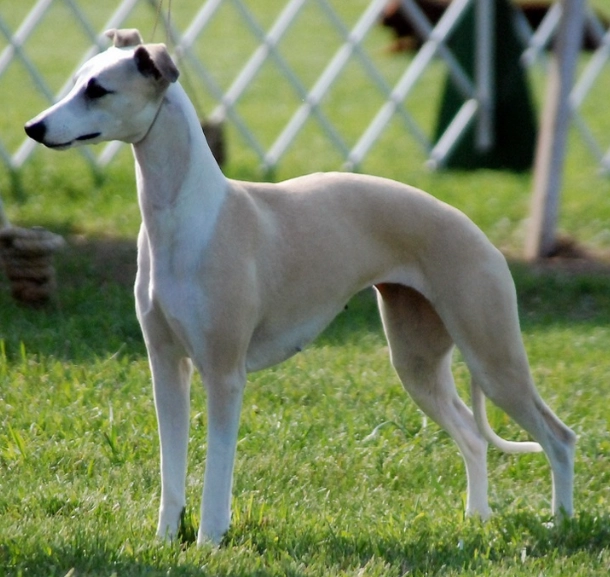
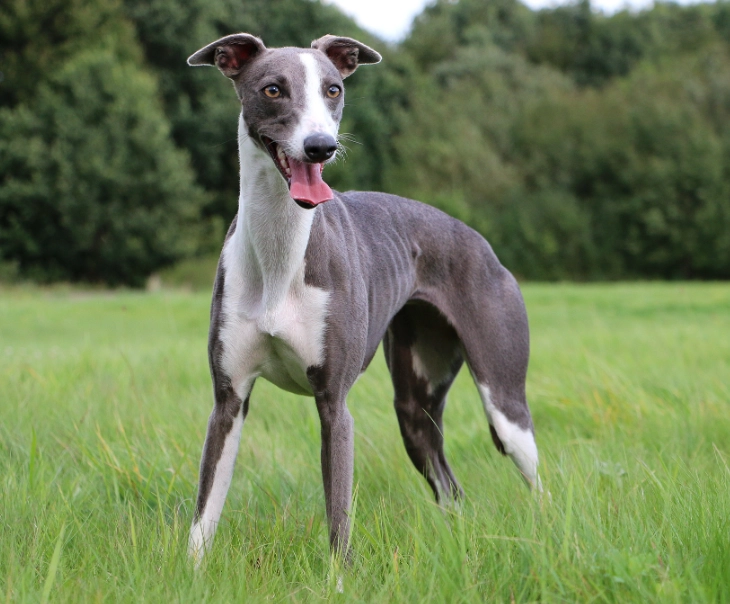
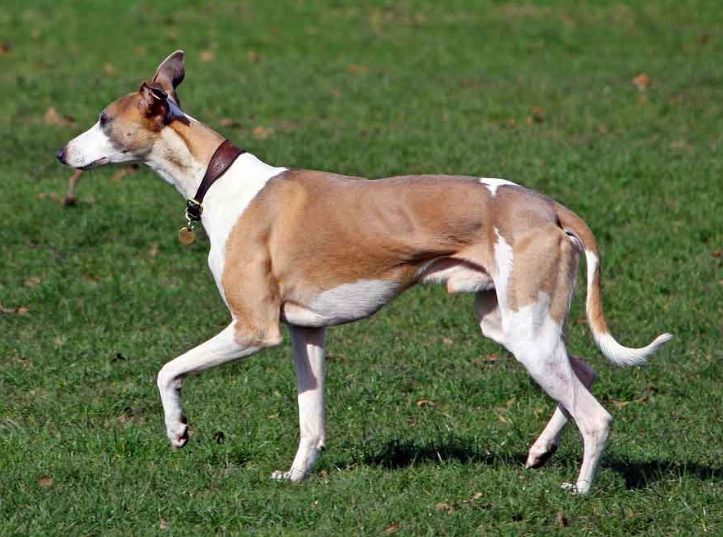
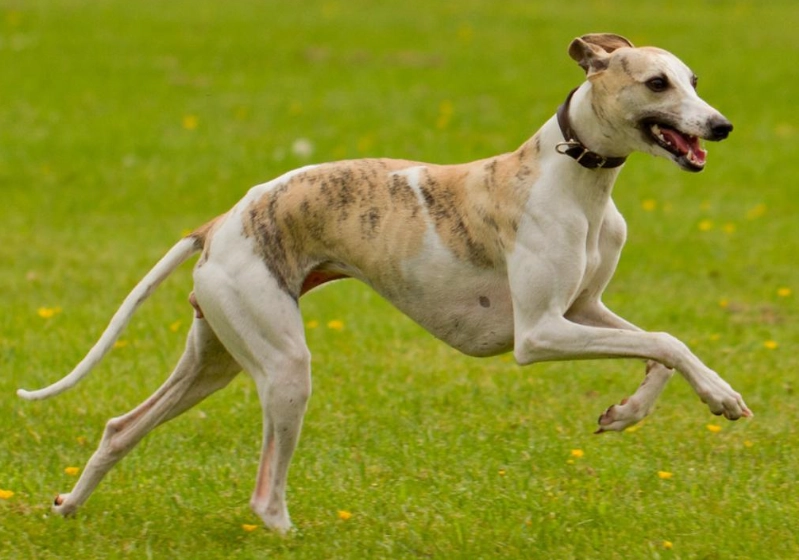
You see them in old paintings, poised beside Victorian gentlemen. You see them at dog shows, moving with impossible grace. And if you're lucky, you see them in a park—a blur of muscle and joy, sprinting at 35 miles per hour before collapsing onto your couch an hour later, a perfect, velvety statue of contentment. That's the Whippet. A living paradox of explosive energy and profound calm, bred for the chase but happiest as a household companion. But is this elegant sighthound the right fit for your life? Let's move past the romantic image and get into the real, unvarnished details of living with a Whippet. Often called the "poor man's racehorse," the Whippet's history is rooted in practicality, not nobility. In 19th century Northern England, working-class folks created them by crossing small Greyhounds with terriers and perhaps Italian Greyhounds. The goal? A versatile dog that could hunt rabbits for food (a practice called "coursing") and provide thrilling entertainment in rag races—chasing a waved cloth down a track. This heritage explains everything: the speed, the keen eyesight, the gentle disposition with people, and that intense prey drive. The American Kennel Club (AKC) and The Kennel Club in the UK describe the breed standard: a medium-sized sighthound, exhibiting muscular power and strength combined with elegant, flowing lines. But numbers tell part of the story too. That coat is a major perk. It's low-shedding and easy to groom—a weekly rub with a hound glove is plenty. But here's the first expert nuance everyone misses: that thin coat and lack of body fat mean they feel the cold intensely. A Whippet isn't just being cute in a sweater; it's a necessity in climates below 50°F (10°C). You'll need a wardrobe of coats and pajamas. Conversely, they can sunburn easily on pink skin, so dog-safe sunscreen is a summer must. This is the core of the Whippet experience. They operate in two distinct modes, with very little in-between. Mode 1: The 45-mph Couch Missile. Unleashed in a secure field, a Whippet is pure physics. Their double-suspension gallop—all four feet off the ground twice per stride—is breathtaking. They run for the sheer joy of it, in wide, ecstatic circles. This isn't optional exercise; it's a fundamental biological need. A walk around the block does nothing for this drive. Mode 2: The 40-watt Heating Pad. After that daily sprint (and a second, shorter one is ideal), they transform. At home, they are famously quiet, clean, and gentle. They seek out the softest spot, preferably in a sunbeam or curled tightly against you. They'll spend hours in a state of serene repose. This is why they get the "apartment dog" label—their indoor energy is remarkably low. Their temperament with people is typically sweet and sensitive. They form deep bonds with their family and are often reserved, but not aggressive, with strangers. They are not guard dogs; a burglar would more likely be licked than challenged. With children, they can be good companions if the kids are taught to respect their space—no tail pulling or sudden, loud games. Their slender build isn't suited for roughhousing. Now, the big caveat: other small animals. That prey drive is no joke. Squirrels, rabbits, cats (sometimes even the family cat if not raised together), and small dogs can trigger a blinding chase instinct. Recall? Often forgotten in that moment. This isn't malice; it's millennia of breeding screaming to the surface. Managing this instinct is the single biggest responsibility of a Whippet owner. Get these three things right, and you've covered 90% of their needs: Exercise: Beyond the sprint, they enjoy leisurely sniff-filled walks. Mental stimulation is also key. Scent work (nosework) is fantastic for them—it taps into a different instinct in a controlled way. A tired Whippet is a happy, well-behaved Whippet. Diet: They can be picky eaters. A high-quality diet for active breeds is suitable. Be careful not to overfeed; their slim frame should show a tuck at the waist and the last two ribs slightly visible. An overweight Whippet loses its essential structure and health. Grooming: Easy. Weekly brushing, nail trims, and dental care. Check those thin ears regularly for debris. Generally a robust breed, but they have specific vulnerabilities. Reputable breeders test for these, and you should ask for proof. They are also prone to minor issues like sensitivity to cold (hence the sweaters) and can be delicate-skinned, healing from cuts a bit slower than other breeds. Forget visions of perfect heelwork. Whippets are independent thinkers, bred to make split-second decisions away from humans. They are intelligent but not biddable like a Border Collie. Training requires patience, positive reinforcement (food is a great motivator), and a sense of humor. The Three Essential Commands: Socialization is non-negotiable. Expose your puppy positively to different people, dogs, sounds, and surfaces before 16 weeks. A well-socialized Whippet is a confident, calm adult. A poorly socialized one can become timid or reactive. Let's be brutally honest. Don't get a Whippet if: Do get a Whippet if: A friend of mine, a first-time dog owner, fell for a Whippet's looks. She lived in a downtown apartment. She thought, "They're apartment dogs!" She didn't grasp the sprint requirement. Her daily routine became a stressful hunt for empty tennis courts she could sneak into. After six months of guilt and a few close calls with traffic during a squirrel chase, she made the heartbreaking but responsible decision to rehome him with a family with land. The dog thrived. She was devastated. It was a mismatch from the start. The Whippet isn't for everyone. But for the right person—someone who can provide safety, sprint space, soft blankets, and gentle companionship—they are utterly unparalleled. They offer a unique blend of heart-stopping speed and heart-melting serenity, a living piece of art that will curl up and sigh contentedly at your feet. Is a Whippet a good apartment dog? Are Whippets prone to separation anxiety? Can a Whippet live safely with a cat or small pet?Your Whippet Journey: A Quick Map
What Exactly is a Whippet? Beyond the Silhouette

Feature
Male Whippet
Female Whippet
Height
19 to 22 inches
18 to 21 inches
Weight
25 to 40 lbs
20 to 35 lbs
Coat
Short, smooth, close-fitting. Comes in virtually any color or mix.
Life Expectancy
12 to 15 years
The Whippet Personality: Couch Potato or Cannonball?
How to Care for a Whippet: The Daily Reality
The Non-Negotiable Whippet Care Triad

Whippet Health: What to Watch For
Training Your Whippet: It's Not About Obedience, It's About Management
Is a Whippet Right for You? The Honest Checklist
Whippet Owner FAQs: The Nitty-Gritty
Surprisingly, yes, but with major caveats. Their moderate size and famous 'couch potato' mode indoors make them adaptable. The deal-breaker is their intense daily sprint requirement. You must provide a safe, fully fenced area for a 30-minute, off-leash, full-tilt run every single day. Without that guaranteed outlet, their pent-up energy can turn into destructive chewing or anxiety. An apartment Whippet owner's non-negotiable routine involves dedicated sprint time, not just leisurely walks.
They are highly susceptible, but it manifests subtly. You won't always get loud barking. Instead, look for 'silent' signs: a perfectly house-trained dog having indoor accidents only when alone, or finding tiny items (pens, remote controls) gently carried to your bed—a sign of nesting with your scent. Prevention is key. Never make a big fuss over arrivals/departures. Build independence with crate training from day one, giving them a cozy den, and practice leaving for very short, random durations.
This is a high-risk management situation, not a guarantee. Their prey drive is hardwired. Success depends almost entirely on early, intensive socialization—introducing the Whippet puppy to the resident cat in controlled settings. Even then, you can never fully trust the instinct. Management is lifelong: never leave them unsupervised together, use baby gates to give the cat escape routes, and teach a solid 'leave it' command. Introducing an adult Whippet to a home with small pets is generally not advised.
Comment