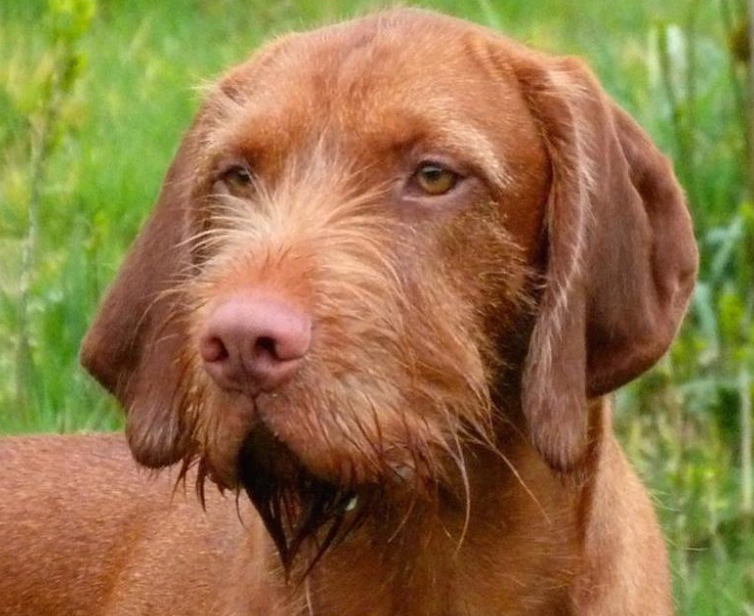
Let's talk about the Wirehaired Vizsla. You might know the sleek, russet-gold Smooth Vizsla, but its wiry-coated cousin is a different beast—in the best way possible. Developed in mid-20th century Hungary, breeders crossed the Smooth Vizsla with the German Wirehaired Pointer, aiming for a tougher dog that could handle colder weather and rougher terrain while keeping the Vizsla's legendary heart and trainability. They succeeded. What you get is a versatile, energetic, and profoundly affectionate dog that bonds like superglue to its family. But is this the right dog for you? That depends entirely on your lifestyle. I've seen too many people fall for the handsome face and noble history without understanding the daily reality. This isn't a casual pet. It's a commitment to an athlete with a PhD in emotional sensitivity. Describing them as "high-energy" is like calling the ocean "damp." It's true but misses the depth. Yes, they need lots of exercise, but their defining trait is an intense, almost Velcro-like attachment to their people. They want to be involved in everything—cooking, working, watching TV. Leave one alone for too long, and you'll likely come home to a dog radiating anxious disappointment, if not a creatively destroyed cushion. This sensitivity is a double-edged sword. It makes them incredibly responsive to training—they live to please. But it also means they crumple under harsh words or heavy-handed methods. A sharp "No" can send them into a sulk for an hour. They thrive on positive reinforcement and clear, consistent communication. With family, they are gentle and patient. I've watched a friend's Wirehaired Vizsla gently herd toddlers away from the stairs. With strangers, they are often reserved but not aggressive, making them decent watchdogs who will alert you, not attack. Their hunting instinct is strong. A squirrel in the yard becomes the sole focus of the universe. This drive is what makes them exceptional in the field but requires careful management in suburban backyards. Forget the old-school dominance stuff. It doesn't work here. Training a Wirehaired Vizsla is about partnership. Start socialization early—expose them to different people, surfaces, sounds, and other dogs in a positive way during that critical window up to about 16 weeks. Puppy kindergarten is a must, less for the commands and more for the controlled exposure. **The recall command is non-negotiable.** Given their prey drive, a rock-solid recall that works even when they're mid-chase is a safety essential. This takes time and high-value rewards. Never punish them for coming back, even if it took five minutes. Make returning to you the best thing that happens all day. Here's a subtle mistake I see: owners train in boring, empty yards. Your Wirehaired Vizsla might perform perfectly there, but take that training to a park with distractions, and it falls apart. You must proof commands in increasingly distracting environments. Start easy, add difficulty slowly. My friend Mark, who hunts with his Wirehaired Vizsla, Finn, started teaching "stay" in the hallway. Then on the porch. Then in the backyard with a leaf blower going next door. Now Finn will hold a point on a bird until released, despite the chaos of the field. That's the level of proofing you should aim for. A leash walk around the block is a warm-up, not a workout. These dogs need vigorous, heart-pumping activity for at least 60-90 minutes every day. And I mean every day. Rain, snow, your long workday—it doesn't matter. The commitment is absolute. If you don't have a job for them, they'll find one. That "job" might be digging a trench along your fence line or barking at every passerby. Structure their energy. Here's a huge misconception. People hear "wiry coat" and think "low-shedding, easy care." Wrong. The coat is a defining feature that needs specific care to function and look right. It has a dense undercoat and a harsh, wiry topcoat designed to repel water and brambles. They do shed less than the smooth variety, but fine hairs will still appear. The real work is maintaining the texture. To keep that proper wiry feel and weather resistance, the dead topcoat needs to be removed through hand-stripping or carding. Clipping or shaving the coat softens it, ruins its protective qualities, and can lead to skin and temperature regulation issues. Find a groomer who understands working wire coats before you get the puppy. It's a specialized skill. Reputable breeders test for these. Always ask for proof of health clearances from the Orthopedic Foundation for Animals (OFA) or equivalent. A malformation of the joints that can lead to arthritis and pain. Good breeding practices and maintaining a lean, healthy weight are key preventatives. A degenerative eye disease that eventually causes blindness. A DNA test exists, and responsible breeders test their breeding stock. This breed can be prone to idiopathic epilepsy. It's manageable with medication but requires lifelong veterinary care. An underactive thyroid gland can cause weight gain, lethargy, and skin issues. It's easily managed with daily medication. You can support their health by feeding a high-quality diet appropriate for active dogs, keeping them lean, and scheduling annual vet check-ups. Pet insurance is a wise investment for this breed. This is the most important step. Avoid puppy mills, pet stores, and online brokers. A good breeder's goal is to better the breed, not just sell puppies. Red Flags: Multiple litters available at once, willingness to ship a puppy without meeting you, no questions asked about your home, no health testing on parents, prices significantly below average. Green Flags: Breeder asks you detailed questions, invites you to meet their dogs, shows you health clearances (OFA, PennHIP, eye certs), is involved in dog sports or field work with their dogs, provides a detailed contract covering health guarantees and a requirement that you return the dog to them if you can't keep it. Start with the national breed club. In the US, the Vizsla Club of America has a Wirehaired Vizsla committee and a breeder referral list. The Wirehaired Vizsla Club (UK) is another excellent resource. Expect to be on a waiting list. Good breeders don't have puppies on demand. The Wirehaired Vizsla isn't for everyone. They demand time, energy, and emotional engagement. But for the right person or active family—someone who runs, hikes, hunts, or wants a true partner in dog sports—they offer unparalleled devotion, versatility, and joy. They'll match your pace on the trail and then curl up as your quiet shadow at home. Just be ready to hold up your end of the bargain.Quick Navigation
The Wirehaired Vizsla Personality: More Than Just Energy
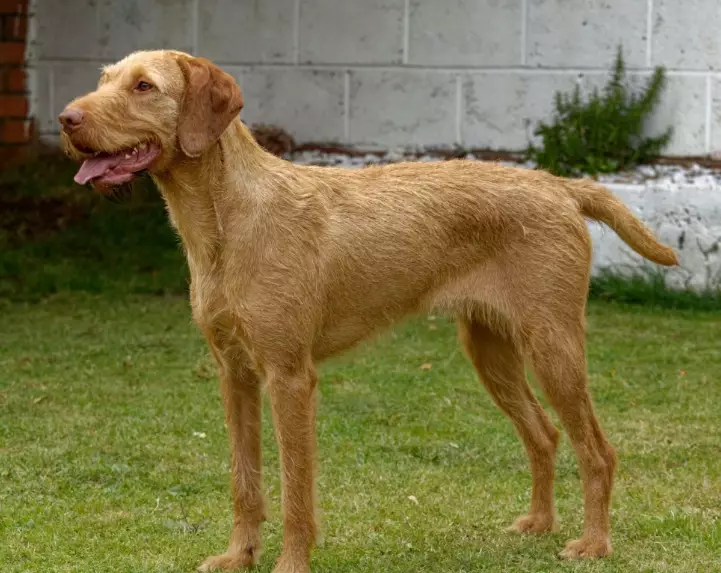
How to Train a Wirehaired Vizsla: The Sensitive Athlete
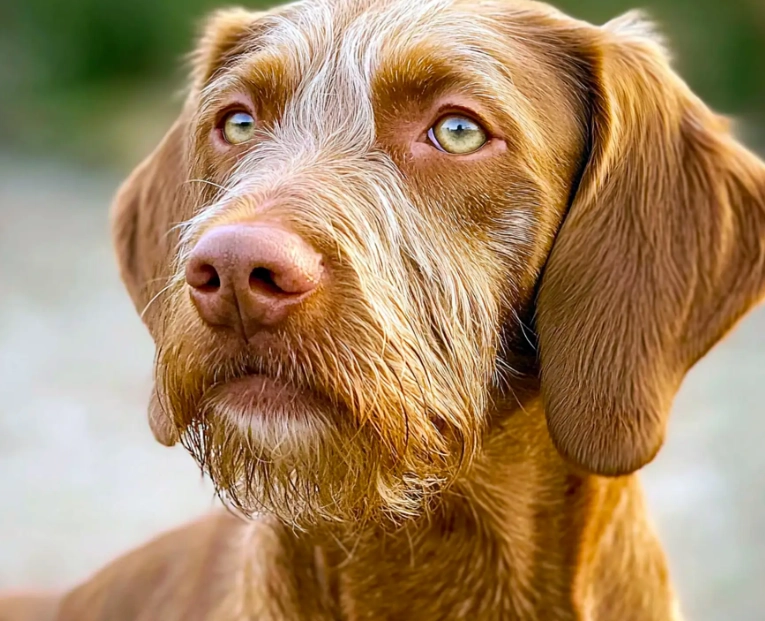
Meeting Their Exercise Needs: Beyond the Daily Walk
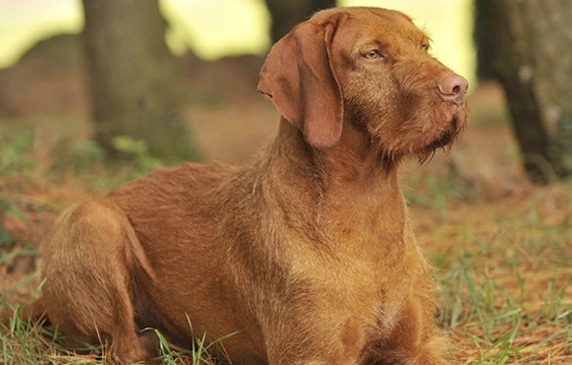
Grooming the Wirehaired Coat: It's Not "No Maintenance"
Grooming Task
Frequency
Key Notes
Brushing
2-3 times per week
Use a slicker brush and an undercoat rake to prevent mats, especially behind ears and legs.
Hand-stripping/Carding
Every 3-4 months
Best done by a professional groomer familiar with wire coats. Maintains coat health.
Bathing
Only when dirty
Over-bathing strips natural oils. Use a mild shampoo for wire-haired dogs.
Nail Trimming
Every 2-3 weeks
Long nails affect their gait and can cause pain.
Ear Cleaning
Weekly
Check for wax and debris to prevent infections, especially after swimming.

Common Wirehaired Vizsla Health Issues to Watch For
Hip and Elbow Dysplasia
Progressive Retinal Atrophy (PRA)
Epilepsy
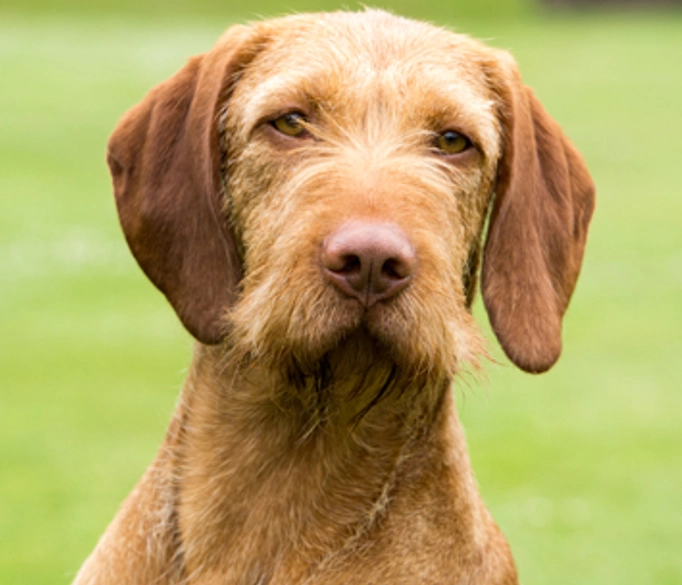
Hypothyroidism
Finding a Responsible Wirehaired Vizsla Breeder
Your Wirehaired Vizsla Questions Answered
The Bottom Line: Think of them as a marathon runner with the soul of a poet. They need physical outlets, but they crave emotional connection and purposeful work above all else. Boredom is their worst enemy.
Can a Wirehaired Vizsla live happily in an apartment?
It's a significant challenge. Their high energy and need for vigorous daily exercise make apartments unsuitable unless you have an exceptional commitment to multiple long walks, runs, and access to secure off-leash areas every single day. Without this outlet, they are prone to developing destructive behaviors and anxiety.
Is the Wirehaired Vizsla's coat truly hypoallergenic or non-shedding?
No dog is truly hypoallergenic. While Wirehaired Vizslas shed less than their smooth-coated cousins, they do shed fine hairs. The bigger commitment is their coat maintenance. That wiry topcoat requires regular hand-stripping or clipping to maintain its texture and weather-resistant properties, which is a specialized grooming task many owners overlook.
How does the Wirehaired Vizsla compare to the German Shorthaired Pointer for a first-time hunting dog owner?
Both are excellent, but the Wirehaired Vizsla often has a slight edge for novices due to its slightly softer temperament and intense desire to please. GSPs can be more independent and strong-willed. However, the Vizsla's sensitivity means harsh training methods will backfire immediately. Success with either breed hinges entirely on consistent, positive reinforcement training from day one.
What is the most common mistake new Wirehaired Vizsla owners make?
Underestimating their need for mental stimulation. Physical exercise alone isn't enough. They need jobs. If you don't provide structured activities like advanced obedience, nose work, or field training, they will invent their own 'jobs,' like rearranging your garden or 'guarding' the house from squirrels with constant barking.
Comment