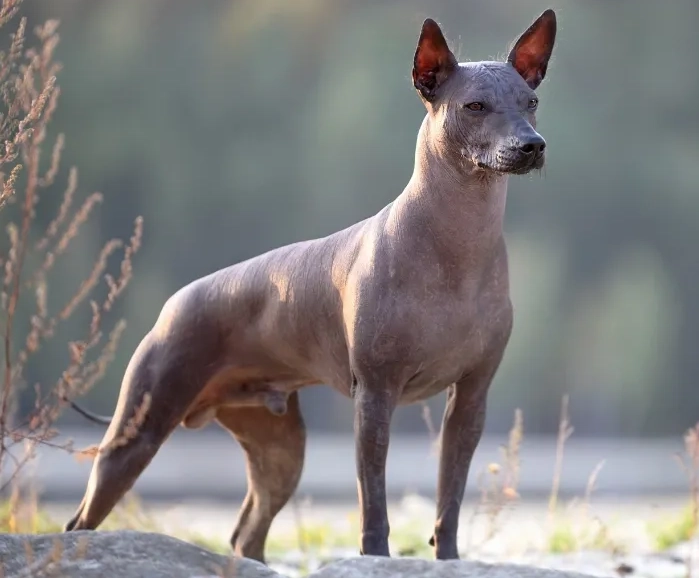
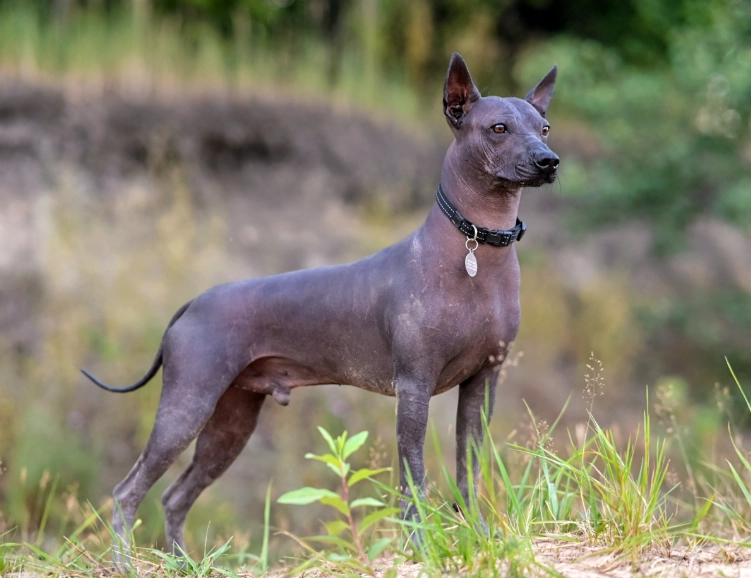
Let's be honest. You're not just looking at getting a dog. You're considering a piece of living history, a canine relic that walked alongside the Aztecs. The Xoloitzcuintli (show-low-eats-queen-tlee), or Mexican Hairless Dog, is mesmerizing. That elegant, hairless silhouette, the warm skin, the ancient gaze—it's unlike any other breed. But after a decade of living with my Xolo, Cuauhtémoc, I can tell you the internet's romanticized version often misses the gritty, beautiful, and sometimes frustrating reality. This isn't a pet for the casual owner. It's a commitment to a unique creature with needs as distinctive as its appearance. Most breed guides start with stats. I'll start with a story. The Aztecs believed the Xolo was created by the god Xolotl to guide the souls of the dead through the underworld. They were healers—their warm bodies placed on aches and pains—and spiritual companions. This isn't just folklore; it informs their very being. They are intuitive, sensitive, and form profound, almost psychic bonds with their chosen person. Three Sizes: Toy (10-14 inches), Miniature (14-18 inches), Standard (18-23 inches). My Cuauhtémoc is a Standard, about 45 pounds of lean muscle. The coated variety often gets overlooked, which is a shame. They have the same elegant build and temperament but with a low-maintenance short coat. They also tend to have full dentition, unlike hairless Xolos who often have missing or irregular teeth—a common trade-off of the hairless gene. This is the million-dollar question. Let's move beyond "they're great!" and into the nitty-gritty. Think of a quiet, stable household. They thrive with owners who are home often (they hate being alone for long stretches). They're fantastic with respectful children in their own family but can be aloof or nervous around chaotic, unfamiliar kids. A securely fenced yard is non-negotiable—their prey drive is strong, and a squirrel is an irresistible call to sprint. They do well in apartments if their exercise needs are met, but they are alert barkers, so a ground-floor unit near a sidewalk might be stressful for them. If you want a dog that greets every party guest with a wagging tail, look elsewhere. Xolos are reserved. It can take multiple visits before they warm up to a new person. Their sensitivity means they feed off your stress—a tense household makes for a anxious Xolo. And the skin. Oh, the skin. It's not a low-maintenance feature. It's a high-maintenance privilege. If you're not prepared for a skincare routine more involved than your own, this isn't your breed. My Personal Take: The biggest mistake I see is people getting a Xolo for the "hypoallergenic" or "unique" factor without respecting their primal intelligence. They are not decorative. They are thoughtful, sometimes stubborn partners. If you want blind obedience, get a Golden Retriever. If you want a fascinating, challenging, deeply rewarding relationship, read on. Here's where we separate myth from reality. Caring for a hairless Xolo is less about "dog care" and more about "dermatalogical stewardship." Forget everything you know about bathing dogs. Harsh shampoos will ruin their skin's pH and oil balance. They are not outdoor dogs. Ever. In cold weather, they need sweaters and coats—they get cold easily. In hot weather, they need shade, water, and cooling mats. Their ideal temperature is a cozy room between 70-80°F (21-27°C). Training a Xolo is an exercise in mutual respect, not dominance. From 8 to 16 weeks, expose them gently and positively to everything: different people, surfaces, sounds, and other vaccinated, calm dogs. A poorly socialized Xolo can become fearful and reactive. The goal isn't to make them a social butterfly, but to build their confidence so the world isn't scary. Positive reinforcement is the only way. Harsh corrections will make them shut down. Use high-value treats (cheese, chicken), keep sessions short (5-10 minutes), and make it fun. They excel at agility and rally obedience because it engages their mind and body. Housebreaking was straightforward with Cuauhtémoc, but he did have a stubborn streak about "come" when he found an interesting smell. Consistency and patience won out. Their intelligence means they get bored easily. Puzzle toys and scent games are fantastic mental stimulation. The good news: Xolos are generally healthy and long-lived, often reaching 15-18 years. The main concerns are skin-related and dental. Their metabolism is high. They eat quality food but don't tend to overeat. Keeping them at a lean weight is crucial for joint health. Choosing a Xoloitzcuintli is a profound decision. It's welcoming a quiet, ancient soul into your modern life. The work is real—the skincare, the training patience, the climate management. But the reward is a bond that feels timeless, a companion whose loyalty is as deep as its history. If you're ready for the commitment, you won't find a more fascinating, loving, and unique friend.Your Quick Guide to Everything Xolo
More Than a Hairless Dog: What Is a Xoloitzcuintli?
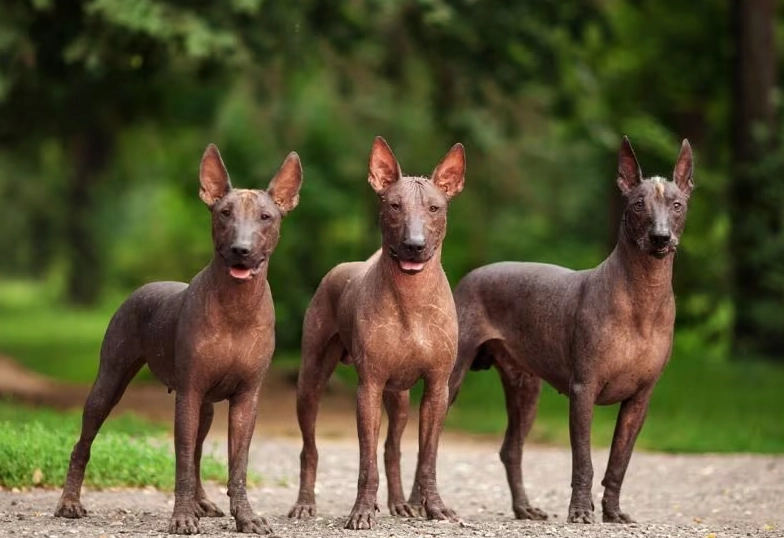
Xoloitzcuintli at a Glance
Two Varieties: Hairless (the iconic look) and Coated (with a short, flat coat). Both can appear in the same litter due to genetics.
Temperament Core: Alert, loyal, calm indoors, athletic outdoors. Suspicious of strangers, devoted to family.
Key Recognition: Officially recognized by the American Kennel Club in the Non-Sporting Group. The FCI (Fédération Cynologique Internationale) classifies them in the Primitive Type group, which feels more accurate.Is a Xoloitzcuintli the Right Dog For You?
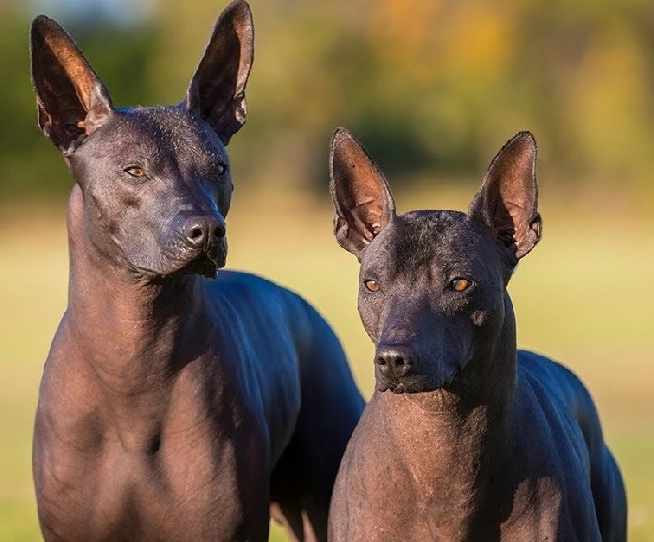
The Ideal Xolo Home
Common Deal-Breakers (The Stuff No One Likes to Say)
The Day-to-Day: Xoloitzcuintli Care Demystified
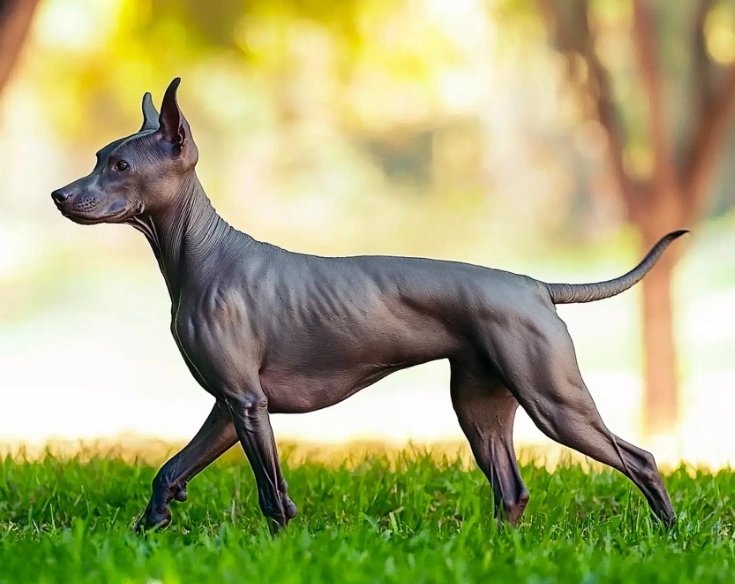
The Non-Negotiable Skin Care Routine
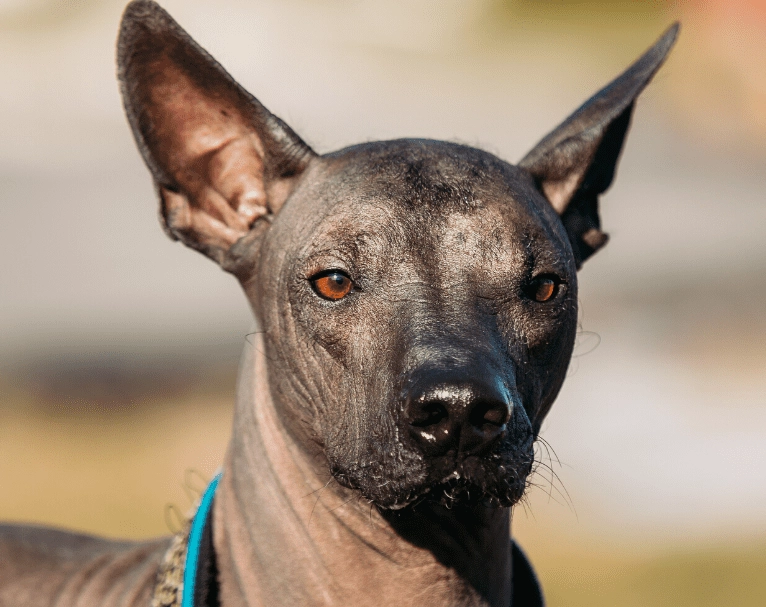
Climate Control is a Must
Mind of an Ancient: Training and Temperament Truths
Socialization: The Make-or-Break Period
Training Methodology
Health and Lifespan: What to Really Watch For
Your Xolo Questions, Answered Honestly
Is a Xoloitzcuintli a good dog for someone with allergies?
Xolos are often marketed as hypoallergenic because they lack a traditional fur coat, which reduces the amount of dander-laden hair in your home. However, "hypoallergenic" doesn't mean "non-allergenic." Allergies are primarily triggered by proteins in a dog's dander (dead skin flakes), saliva, and urine. While a Xolo produces less airborne hair, they still produce dander. The key is that their exposed skin makes it easier to manage through regular bathing and wiping, which directly removes the allergen source. If you have severe allergies, spend extended time with a Xolo before committing.
What's the most challenging part of Xoloitzcuintli skin care that most guides don't mention?
Everyone talks about sunscreen and moisturizer, but the real challenge is managing their skin's oil production and pore clarity. Xolo skin isn't like human skin; it secretes natural oils to protect itself. In dirty environments or if bathed too infrequently, these oils can mix with dirt and clog pores, leading to blackheads (comedones) and, in severe cases, infected cysts. It's not just about applying lotion; it's about a consistent, gentle cleansing routine to keep those pores open and healthy. Think of it more like caring for a sensitive leather item than applying skincare.
Are Xoloitzcuintli puppies easy to train, or are they stubborn?
They are intelligent and capable learners, but they possess a strong, independent streak inherited from their ancient lineage. They weren't bred for blind obedience like some modern breeds. This means traditional, repetitive drill training often fails. They respond brilliantly to positive reinforcement—think high-value treats, play, and praise—and short, engaging sessions. The stubbornness usually surfaces when they see no value in what you're asking. Frame training as a collaborative game, and you'll unlock their willingness to please.
What is the typical lifespan of a Xoloitzcuintli, and are there major health concerns?
Xolos are generally a robust and healthy breed, often living between 13 to 18 years. Their lack of fur means they avoid many coat-related issues, but it puts their skin front and center. Primary health concerns are dermatological: sunburn, acne, dry skin, and occasional tooth issues (some hairless varieties have incomplete dentition). Reputable breeders screen for patellar luxation and hip dysplasia, though these are less common. The single biggest factor in their longevity is proactive, preventative skin care and protection from extreme temperatures.
Comment