I remember when I first decided to get a dog—I spent weeks scrolling through photos, falling for fluffy coats and sweet faces, without a clue about what each breed actually needed. That's how many people end up with a mismatch: a high-energy dog in a tiny apartment, or a grooming-intensive breed when they barely have time for a haircut themselves. Let's cut through the noise. This guide isn't just a list; it's about how dogs are classified, what makes each type tick, and how to avoid the pitfalls I've seen over years of volunteering at shelters. Most folks think of dogs as small, medium, or large. That's a start, but it misses the point. Dogs were bred for specific jobs, and those instincts don't vanish just because they're on your couch. The American Kennel Club (AKC) groups breeds by function, which tells you a lot about their energy and temperament. Take herding dogs, for example. Breeds like Border Collies or Australian Shepherds aren't just smart—they're driven to control movement. I've met owners who thought a daily walk was enough, only to find their dog herding kids or chasing cars. It's not bad behavior; it's genetics. Here's a quick breakdown of key groups: According to the American Kennel Club, there are over 190 recognized breeds, each with unique traits. But function isn't everything; size plays a role too. Size affects everything from space needs to health risks. Giant breeds like Great Danes may seem laid-back, but they're prone to joint issues and require more food. Small breeds like Shih Tzus might fit in apartments, but some, like Jack Russell Terriers, have energy to burn. This table sums it up with real examples: But here's a nuance: size doesn't dictate energy. A Greyhound (large) is often a couch potato, while a Fox Terrier (small) is a tornado. Let's get specific. I'll walk through some common types of dogs, not just listing traits but sharing what it's like to live with them. This isn't from a textbook; it's from talking to owners and trainers. Family-Friendly Breeds: Labradors and Golden Retrievers top lists for good reason—they're patient and playful. But I've seen families struggle when they don't provide enough exercise. A bored Labrador will chew your furniture. It's not the breed's fault; it's unmet needs. Apartment Dogs: People assume all small dogs are apartment-friendly. Not true. Breeds like the French Bulldog or Cavalier King Charles Spaniel work well because they're quieter and need less space. But even they require daily walks. A study by the Association of Professional Dog Trainers notes that lack of stimulation leads to behavior issues in confined spaces. Low-Shedding Breeds: Poodles and Schnauzers are popular for allergies, but their coats need regular grooming. I've met owners who skipped grooming, leading to mats and skin problems. Low-shedding doesn't mean no maintenance. Pro tip: Don't just go by looks. Visit shelters or breeders, spend time with the dogs, and ask about their daily routines. A breed's reputation might not match the individual dog. This is where most guides fall short—they don't help you apply the info. Let's break it down with scenarios. Imagine you're a busy professional in a city apartment. You want a dog but work long hours. Breeds like the Basset Hound or Shih Tzu could fit, but you'll need to budget for dog walkers. Or consider an older rescue dog; they're often calmer and grateful for a quiet home. If you have kids and a backyard, breeds like Labradors or Collies might shine, but teach your kids to respect the dog's space. I've seen toddlers unintentionally provoke bites because the dog was overwhelmed. Here's a step-by-step approach: Don't rush. I adopted a mixed breed on impulse once, and it took months to adjust. Research saves heartache. After years in dog communities, I've noticed patterns. People often choose based on trends—like getting a Husky because of a TV show, without realizing they need cold weather and tons of exercise. Or they pick a 'hypoallergenic' breed but still have reactions because allergies come from dander, not just fur. Another big one: assuming purebreds are predictable. While breeds have tendencies, individual variation is huge. I've met lazy Border Collies and hyperactive Bulldogs. Always meet the dog first. Also, overlooking rescue dogs. Mixed breeds can be healthier and adapt well, but shelters often have purebreds too. Check resources like Petfinder or local shelters—you might find your perfect match without supporting puppy mills. Wrapping up, understanding types of dogs is about more than labels—it's about matching lifestyles and expectations. Start with function and size, but always leave room for the dog's personality. Visit the AKC website for breed standards, or talk to local trainers for hands-on advice. Whatever you choose, commit to the journey; dogs give back tenfold when their needs are met.Jump to What Matters Most
How Dogs Are Classified: It's More Than Just Size
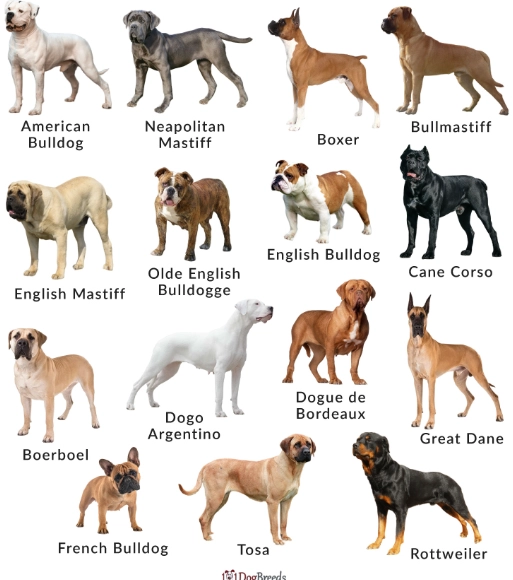
Functional Groups: What Dogs Were Bred to Do

Size Categories: From Teacup to Giant

Size Category
Weight Range
Example Breeds
Key Considerations
Small
Up to 22 lbs
Pug, Dachshund
May be fragile; some bark a lot
Medium
23-55 lbs
Beagle, Cocker Spaniel
Balanced for many homes; need moderate exercise
Large
56-100 lbs
Golden Retriever, Boxer
Need space; can be gentle giants
Giant
Over 100 lbs
Saint Bernard, Mastiff
Higher vet costs; shorter lifespans
A Look at Popular Dog Breeds and Their Real Needs

How to Choose the Right Dog for Your Life


Common Mistakes in Picking a Dog Breed
Your Questions Answered
What are the most low-maintenance dog breeds for busy owners?
Breeds like the Basset Hound, French Bulldog, and Cavalier King Charles Spaniel tend to have lower exercise needs and are more adaptable to relaxed environments. However, 'low-maintenance' often refers to grooming and energy; even these breeds require daily interaction and basic care. Avoid assuming any dog is zero-maintenance—regular vet visits and mental stimulation are non-negotiable.
How do I pick a dog breed suitable for a small apartment?
Focus on size, energy level, and noise tolerance. Breeds like the Shih Tzu, Boston Terrier, and Greyhound (yes, despite their size) can thrive in apartments due to their calm demeanor. But a common mistake is overlooking barking tendencies; some small breeds like Chihuahuas can be vocal. Prioritize dogs with moderate exercise needs, and always provide daily walks and enrichment toys to prevent boredom.
Are mixed breed dogs healthier than purebred dogs?
Not necessarily. While mixed breeds may have reduced risk of certain inherited disorders due to genetic diversity, they can still inherit health issues from their parent breeds. Purebred dogs from responsible breeders who health-test can be equally healthy. The key is researching both types: adopt mixed breeds from shelters where health histories are known, or choose purebreds from breeders who screen for conditions like hip dysplasia or heart problems.
What dog breeds are best for families with young children?
Breeds like Labrador Retrievers, Golden Retrievers, and Beagles are often recommended for their patience and playful nature. But beyond breed, individual temperament matters more. I've seen families struggle with high-energy breeds like Border Collies around toddlers because the dog needs a job, not just cuddles. Always supervise interactions and teach children how to respect a dog's space, regardless of breed reputation.
Comment