Yes, American Eskimo dogs can make excellent pets—but not for everyone. If you're drawn to their stunning white fur and playful eyes, hold on. I've owned Eskies for over a decade, and while they're loyal companions, many new owners get blindsided by their energy and grooming demands. Let's cut through the fluff and see if this breed fits your life.
What You’ll Learn in This Guide
- Breed Basics: More Than Just a Pretty Face
- Temperament Truths: The Good, Bad, and Surprising
- Training Challenges and Socialization Must-Dos
- Health Concerns You Can't Ignore
- Care Costs and Daily Routine Breakdown
- Is an American Eskimo Dog Right for Your Family?
- Common Mistakes New Owners Make (And How to Avoid Them)
- Your Burning Questions Answered
Breed Basics: More Than Just a Pretty Face
The American Eskimo Dog, often called an "Eskie," isn't actually from Alaska. They descended from German Spitz breeds and were popular in circuses for their intelligence. According to the American Kennel Club (AKC), they come in three sizes: toy, miniature, and standard, ranging from 10 to 40 pounds. That fluffy white coat? It's a double layer designed for cold weather, which means shedding—lots of it.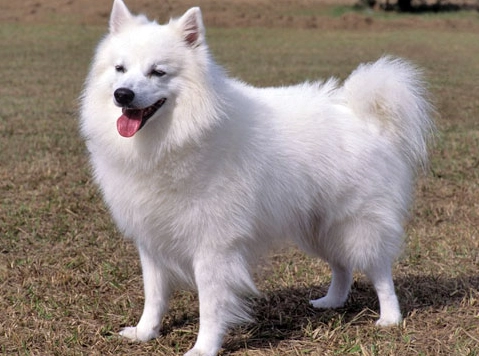
I remember meeting my first Eskie at a dog show. The owner joked, "It's like having a permanent snowstorm in your house." She wasn't wrong. But beyond the fur, these dogs are working breeds at heart. They were bred for herding and guarding, so don't expect a couch potato.
Temperament Truths: The Good, Bad, and Surprising
Eskies are known for being alert, intelligent, and affectionate. They form strong bonds with their families and can be great watchdogs—sometimes too great. Mine barks at every passing squirrel, which drives my neighbors nuts.
The Positives Everyone Talks About
They're playful and love being involved in family activities. If you have kids, an Eskie will often become their shadow, joining in games and offering companionship. Their intelligence means they pick up tricks quickly; I taught mine to fetch the newspaper in a week.
The Negatives Few Mention
But here's the kicker: they can be stubborn and prone to separation anxiety. Leave them alone for too long, and you might come home to chewed shoes or incessant barking. Their herding instinct can lead to nipping at heels, especially with young children running around. I've seen families give up their Eskie because they didn't anticipate this behavior.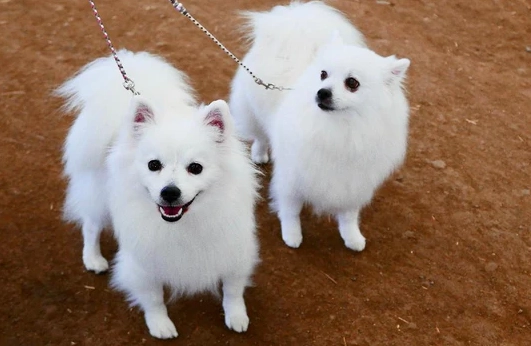
Expert Tip: Many online sources gloss over the barking. Eskies are vocal dogs. If you live in an apartment or have noise-sensitive neighbors, think twice. Training can help, but it's ingrained in their nature.
Training Challenges and Socialization Must-Dos
Training an American Eskimo dog requires patience. They're smart but independent, so positive reinforcement works best—treats, praise, and short, engaging sessions. Harsh methods backfire; these dogs shut down easily.
Socialization is non-negotiable. Expose them to different people, pets, and environments early on. A poorly socialized Eskie can become fearful or aggressive. I made the mistake of skipping puppy classes with my first one, and he developed a fear of loud noises that took months to overcome.
Consider these training essentials:
- Start obedience training at 8-10 weeks old. Focus on basic commands like sit, stay, and come.
- Use puzzle toys for mental stimulation. A bored Eskie is a destructive Eskie.
- Enroll in a puppy socialization class. It's worth the investment to prevent behavioral issues later.
Health Concerns You Can't Ignore
Overall, American Eskimo dogs are healthy, but they have breed-specific issues. From my experience, proactive care makes all the difference.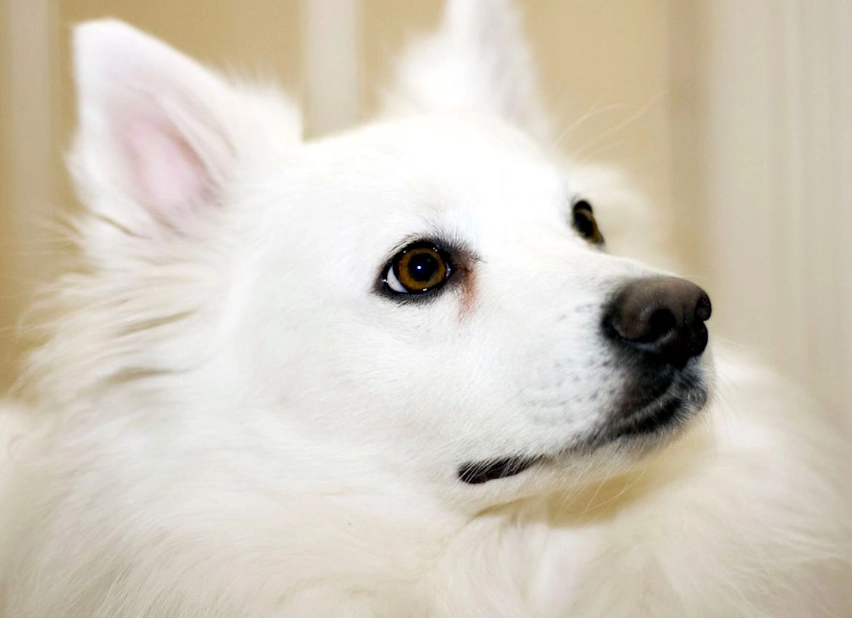
| Health Issue | Description | Prevention Tips |
|---|---|---|
| Hip Dysplasia | A joint condition that can lead to arthritis | Buy from breeders who test parents; maintain healthy weight |
| Progressive Retinal Atrophy (PRA) | Genetic eye disease causing blindness | Request genetic testing; schedule annual eye exams |
| Luxating Patellas | Knee caps that slip out of place | Avoid excessive jumping; provide joint supplements if vet recommends |
| Dental Problems | Common due to small mouths | Brush teeth weekly; use dental chews |
I lost a dog to PRA because I ignored early signs like night blindness. Don't make that mistake—regular vet visits are crucial. The Orthopedic Foundation for Animals (OFA) provides resources on health testing for breeders.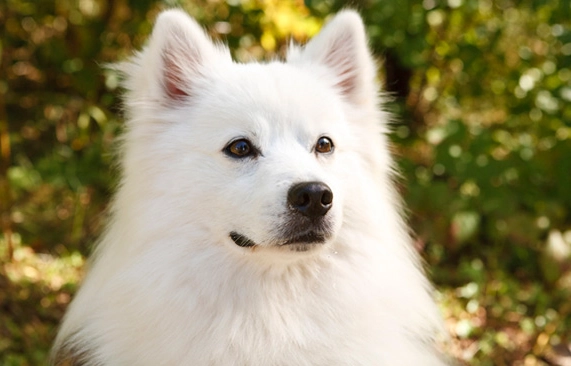
Care Costs and Daily Routine Breakdown
Owning an Eskie isn't cheap. Let's break it down realistically.
Initial Costs: A puppy from a reputable breeder costs $1,000 to $3,000. Adoption from rescues like the American Eskimo Dog Rescue Network can be $300 to $600, but you might get an older dog with unknown history.
Monthly Expenses: Food ($40-$60 for high-quality kibble), grooming supplies ($20), insurance or vet savings ($50-$100). Grooming professionally every 6-8 weeks adds $70 per session.
Daily Time Commitment: You'll spend at least 2 hours daily on exercise, training, and grooming. Here's a sample routine:
- Morning: 30-minute brisk walk or play session.
- Afternoon: 15-minute training or puzzle toy time.
- Evening: 45-minute activity like fetch or agility; 10-minute brushing.
If that sounds overwhelming, an Eskie might not be for you. I've seen owners burn out because they underestimated the time investment.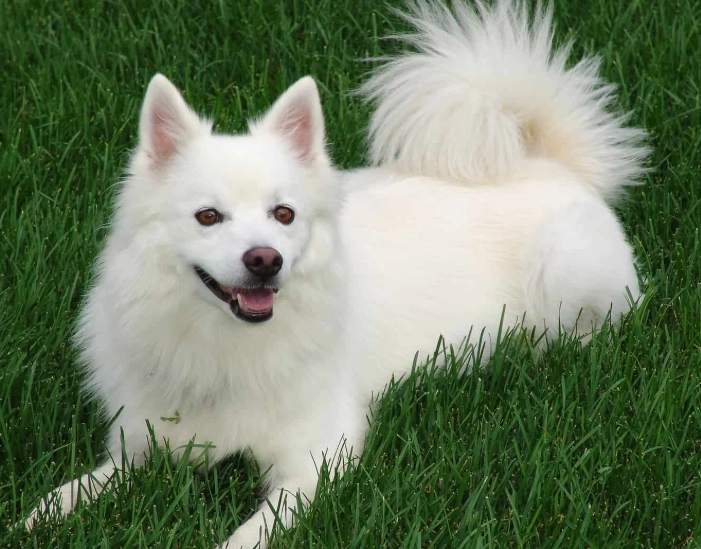
Is an American Eskimo Dog Right for Your Family?
This breed thrives in active households with older children or adults. They're not ideal for first-time dog owners unless you're committed to learning. Consider your lifestyle:
Best For: Families with a yard, experienced dog owners, people who enjoy outdoor activities, those seeking a loyal companion.
Not Recommended For: Apartment dwellers without ample exercise options, families with very young kids (due to nipping risks), anyone allergic to dog hair, or those often away from home.
I once counseled a retired couple who thought an Eskie would be a calm lap dog. They ended up rehoming it because they couldn't keep up with its energy. Match the dog to your reality, not your fantasy.
Common Mistakes New Owners Make (And How to Avoid Them)
After years in the Eskie community, I've seen patterns. Here are pitfalls to dodge:
- Underestimating Exercise Needs: A walk around the block isn't enough. These dogs need vigorous play. Incorporate activities like hiking or dog sports.
- Neglecting Grooming: That coat mats easily. Brush 2-3 times a week, not just when you remember. Use a slicker brush and undercoat rake.
- Skipping Early Socialization: It's not optional. Expose your pup to various sounds, people, and animals before 16 weeks.
- Ignoring Barking Issues: Address excessive barking early with training commands like "quiet." Don't just yell—it reinforces the behavior.
My own blunder? I didn't budget for grooming costs initially. The first professional groom bill shocked me, and I had to learn DIY techniques fast.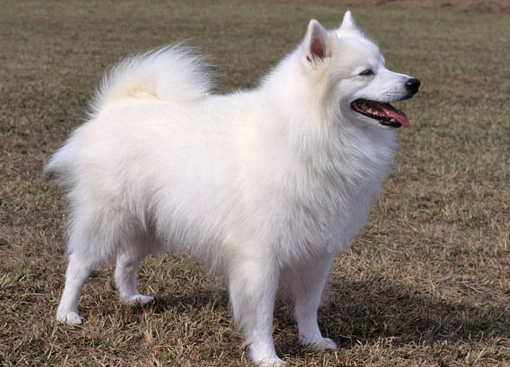
Your Burning Questions Answered
So, do American Eskimo dogs make good pets? If you're active, patient, and ready for a fluffy whirlwind of energy, yes. They offer loyalty and joy that's hard to match. But if you prefer low-maintenance pets, look elsewhere. Visit local breeders or rescues, spend time with an Eskie, and see if the fit feels right. Your perfect companion might be waiting.
Reader Comments