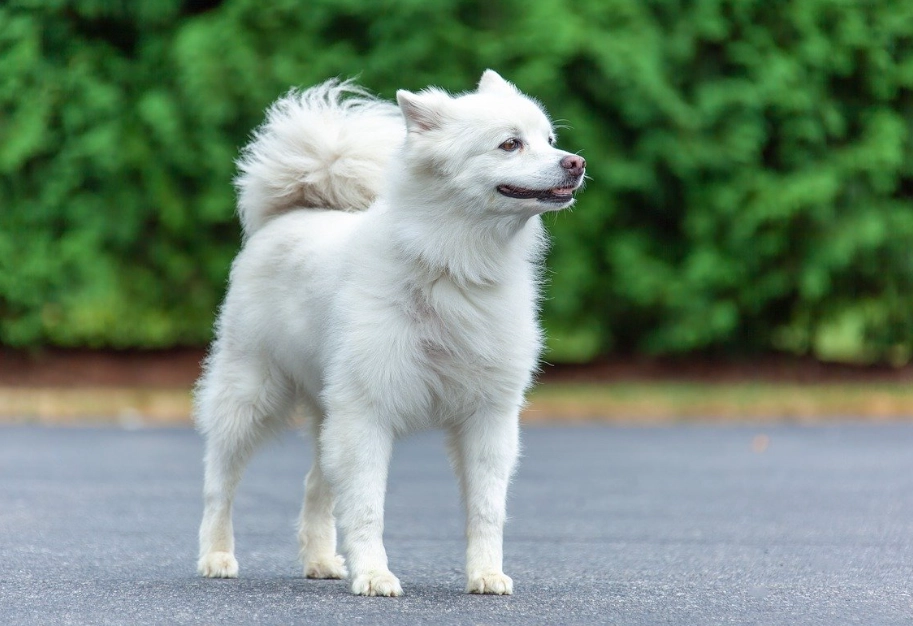
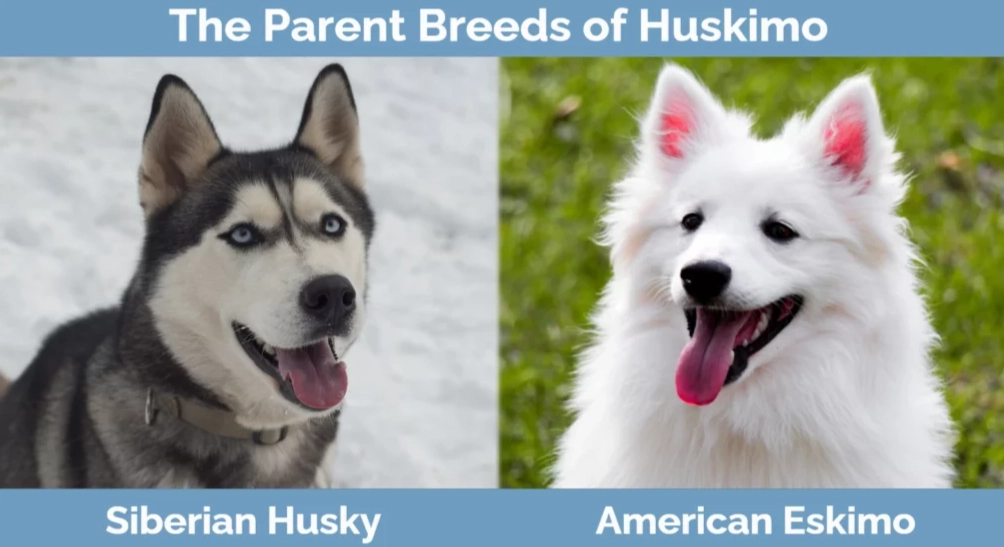
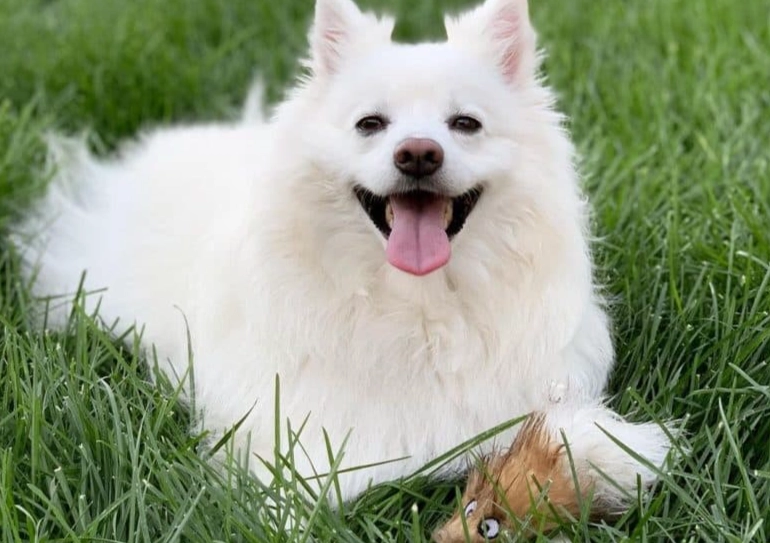
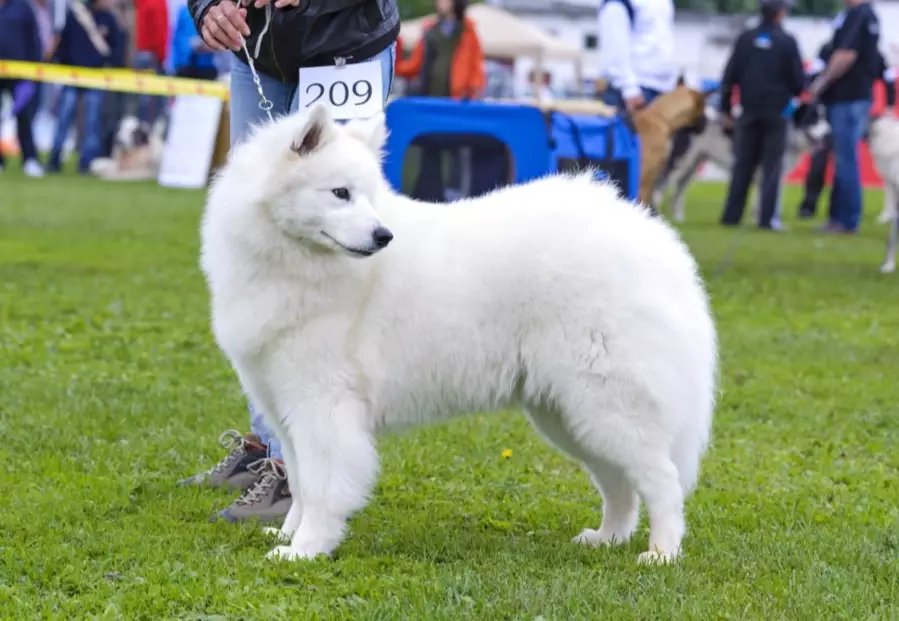
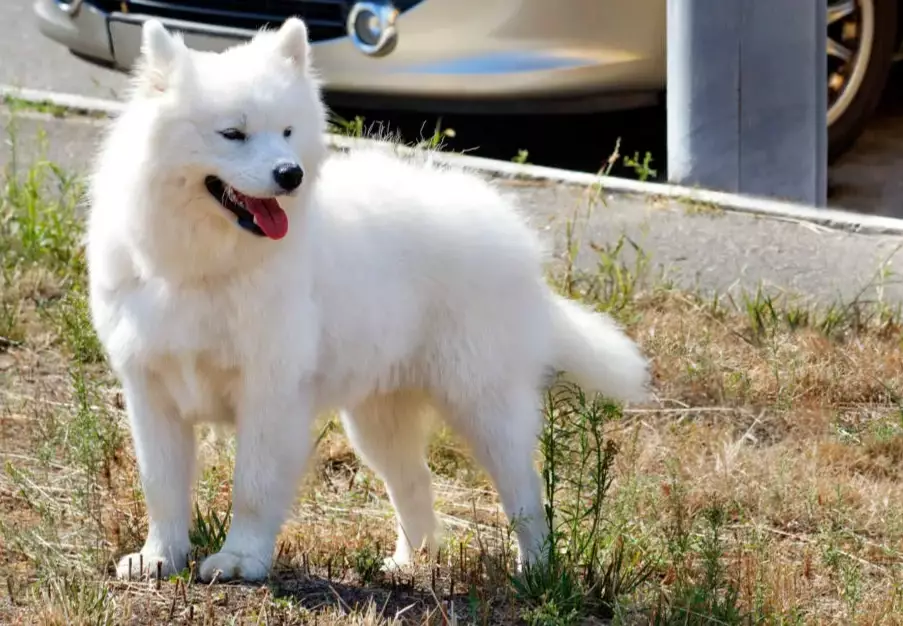
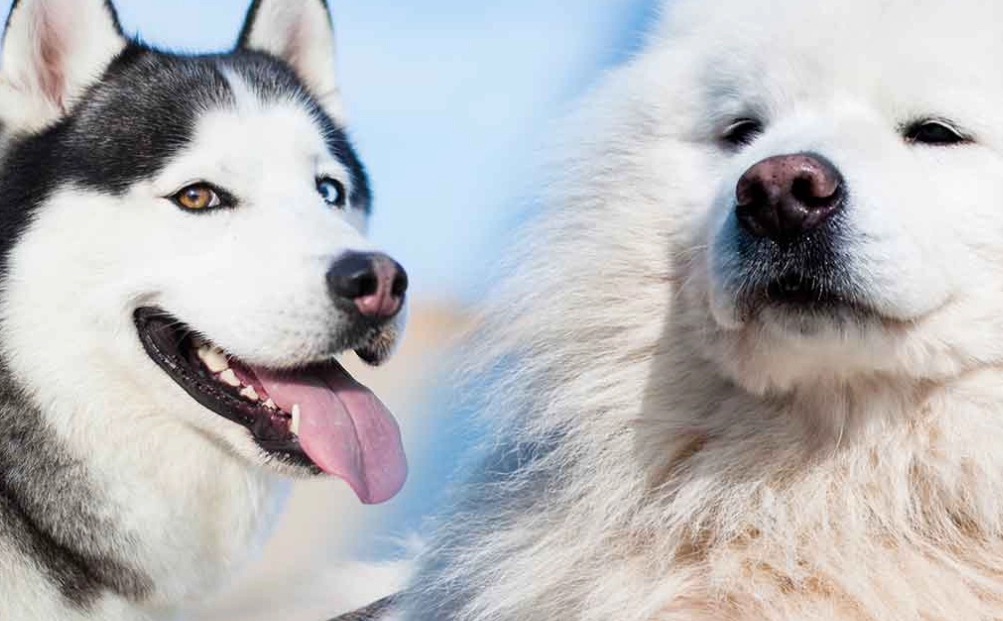
Let's cut to the chase: no, an American Eskimo is not a husky. I've seen this mix-up countless times—people spot a fluffy white dog and immediately think "husky," but that's like calling a poodle a retriever. They're separate breeds with different stories, looks, and personalities. If you're considering one of these dogs, getting this right matters because it affects everything from training to daily care. I've worked with both breeds for years, and the differences are more than skin-deep. In this guide, I'll break down why they're distinct, common pitfalls owners face, and how to choose the right fit for your home. First off, the name "American Eskimo" is a bit misleading—it has nothing to do with Eskimos or Arctic cultures. This breed originated from German Spitz dogs brought to the United States in the early 1900s. They were rebranded during World War I due to anti-German sentiment, which is how they got their current name. According to the American Kennel Club (AKC), the American Eskimo Dog comes in three sizes: toy, miniature, and standard, with the standard weighing up to 35 pounds. They're known for that striking white coat, perky ears, and a fox-like face. The breed's roots trace back to Europe, where Spitz-type dogs were common as farm helpers and companions. In the U.S., they gained popularity in circuses for their intelligence and trainability—I once met a trainer who had an Eskimo that could do complex tricks, which isn't surprising given their eager-to-please nature. They were recognized by the AKC in 1995, which is relatively recent compared to older breeds. American Eskimos have a dense double coat that's always white or cream, with dark eyes and a black nose. They stand about 15 to 19 inches tall at the shoulder for the standard size. Their coat requires regular grooming to avoid mats, and they shed moderately year-round with heavier blows in spring and fall. One thing many owners overlook: their skin can be sensitive, so using gentle shampoos is key to prevent irritation. When people say "husky," they usually mean the Siberian Husky, but there are other types like the Alaskan Husky (which isn't a standardized breed). Siberian Huskies were developed by the Chukchi people in Siberia for pulling sleds over long distances. They're built for endurance, with a medium size, typically weighing 35 to 60 pounds. Their coat comes in various colors—black, gray, red, or even agouti—and those piercing blue or multi-colored eyes are a hallmark. Siberian Huskies have a storied past tied to Arctic survival. They gained fame during the 1925 serum run to Nome, Alaska, where teams delivered diphtheria antithesis. This history explains their high energy and pack mentality. Unlike American Eskimos, Huskies are more primitive in behavior; they're independent thinkers, which can make training a challenge if you're not consistent. I've seen owners give up on Huskies because they expected a compliant dog, but that's not their nature. Huskies have a thicker double coat designed for extreme cold, with a soft undercoat and longer guard hairs. They shed heavily twice a year during "coat blow," which can leave tufts of fur everywhere—it's like living in a snow globe of dog hair. Their bodies are athletic, with erect ears and a curled tail. A common mistake: people assume all Huskies are large, but they're actually medium-sized; it's their fluffy coat that makes them appear bigger. To make this clear, let's compare them directly. Here's a table that sums up the essentials: After looking at the table, you might think the differences are obvious, but in practice, it's trickier. For instance, both breeds are intelligent, but American Eskimos tend to be more biddable—they want to please you. Huskies, on the other hand, will ask "why should I?" before obeying a command. I recall a friend's Husky that learned to open doors but only did it when it suited him, not on cue. Another subtle point: grooming. While both shed, Huskies have a self-cleaning coat that repels dirt, so they need fewer baths. American Eskimos, with their white fur, show every stain and may require monthly baths. If you're lazy about grooming, an Eskimo might look dingy fast. People often lump these breeds together because of their spitz-like features: pointed ears, thick coats, and curled tails. But that's like grouping all cars as "vehicles"—it ignores the specifics. One misconception is that American Eskimos are miniature Huskies. Not true. They have different genetic lineages; according to genetic studies, American Eskimos are closer to other Spitz breeds like the Pomeranian, while Huskies share ancestry with ancient sled dogs. Another myth: both are hypoallergenic. Neither breed is hypoallergenic; they both shed and produce dander. If allergies are a concern, you'll need to manage it with regular cleaning, not breed choice. I've heard owners say, "My Eskimo acts like a Husky—it's so energetic!" That's possible, but individual variation exists. However, on average, Huskies have a higher prey drive and are more likely to chase small animals. American Eskimos might bark at squirrels, but they're less prone to bolting after them. Expert Tip: When adopting, don't rely on looks alone. I once saw a rescue labeled as an "Eskimo mix" that turned out to be a Husky-Shepherd cross—its behavior was all Husky: escaping yards and howling at night. Always ask about the dog's history and observe its energy levels. Choosing between an American Eskimo and a Husky isn't just about preference; it's about lifestyle fit. Here's a quick rundown to help you decide. Consider an American Eskimo if: Consider a Siberian Husky if: I made the mistake early in my career of recommending a Husky to a busy family—they ended up overwhelmed by its energy. Meanwhile, an American Eskimo might thrive in that setting if given enough mental stimulation. Cost is another factor. Huskies often have higher vet bills due to their propensity for hip dysplasia and eye issues, while American Eskimos can be prone to luxating patellas and dental problems. Budget for routine check-ups and potential emergencies.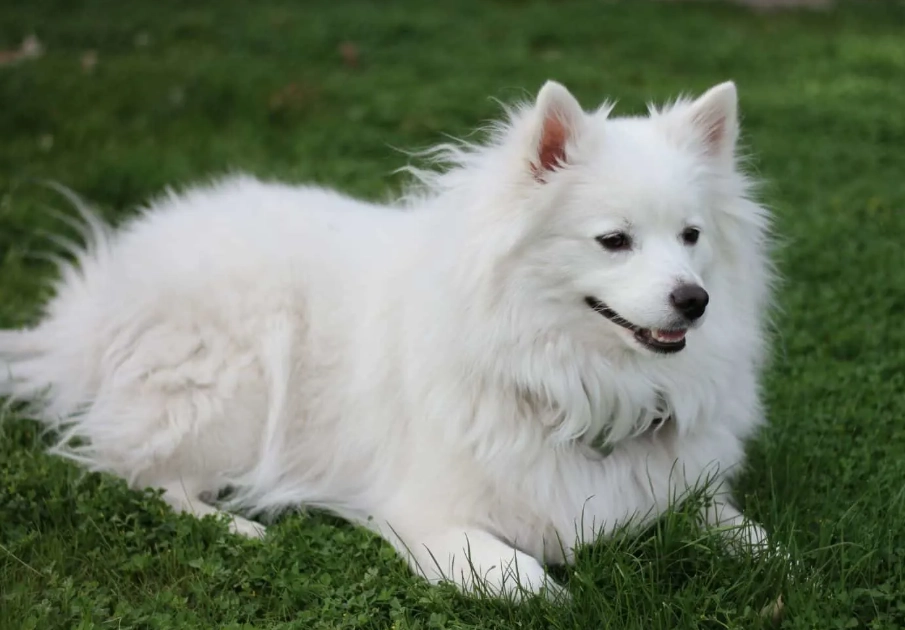
What You'll Learn in This Guide
What Exactly is an American Eskimo Dog?
Origins and History: A Transatlantic Journey
Physical Characteristics: More Than Just Fluff
Understanding the Husky: More Than a Sled Dog
Origins and History: Survival in the Cold
Physical Characteristics: Built for the Wild
Side-by-Side: Key Differences Between American Eskimo and Husky
Aspect
American Eskimo Dog
Siberian Husky
Origin
United States (from German Spitz)
Siberia (Chukchi people)
Size
15-19 inches, 20-35 lbs
20-23.5 inches, 35-60 lbs
Coat Color
White or cream only
Various (black, gray, red, etc.)
Eye Color
Dark brown
Blue, brown, or heterochromia
Temperament
Alert, trainable, family-oriented
Independent, energetic, pack-oriented
Exercise Needs
Moderate (30-60 min/day)
High (1-2 hours/day)
Barking Tendency
High (good watchdogs)
Low (but they howl)
Trainability
Easy to moderate
Moderate to difficult
Lifespan
13-15 years
12-14 years
Why the Confusion Persists: Common Misconceptions
Which Breed is Right for You? A Practical Checklist
Your Questions Answered: American Eskimo vs Husky FAQ
 Wrapping up, the key takeaway is that while American Eskimos and Huskies share a fluffy, spitz-like look, they're worlds apart in behavior and care. I've loved working with both, but they suit different owners. If you're still unsure, visit local shelters or breeders to meet them in person—sometimes, a dog's personality defies breed stereotypes. For more authoritative info, check out the American Kennel Club website for breed standards and health guidelines.
Is an American Eskimo a type of Husky?
No, they're separate breeds. The American Eskimo Dog comes from German Spitz lineage, recognized by the AKC as a non-sporting breed, while the Siberian Husky is a working breed from Siberia. Their similarities in appearance are superficial—genetically, they're distinct, with different breed standards and histories.
What are the main temperament differences between an American Eskimo and a Husky?
American Eskimos are often more attached to their families, making them excellent companions but sometimes prone to separation anxiety if left alone too long. They're alert and can be wary of strangers, which makes them good watchdogs. Huskies are more independent and pack-oriented; they might greet everyone equally and are less likely to be one-person dogs. Huskies also have a stronger wanderlust instinct, so recall training is crucial.
Which breed is better for apartment living: American Eskimo or Husky?
Generally, the American Eskimo adapts better to apartments due to its smaller size and moderate exercise needs. However, they can bark a lot, which might annoy neighbors. Huskies need more space and activity; without it, they may become destructive. If you're set on a Husky in an apartment, you'll need to commit to multiple long walks or runs daily and provide plenty of mental toys.
How much grooming do American Eskimos and Huskies require?
Both require regular brushing—2-3 times a week—to manage shedding. During seasonal coat blows, daily brushing might be necessary. Huskies have denser undercoats that "blow out" twice a year, leaving huge amounts of fur. American Eskimos shed more consistently year-round. For baths, Huskies can go longer between washes (every few months) due to their self-cleaning coats, while Eskimos may need monthly baths to stay white.
Comment