You've seen the pictures. That striking tri-color coat, the intelligent eyes, the confident curl of the tail. The Appenzeller Sennenhund looks like a quintessential loyal farm dog, and you're wondering if that loyalty translates to your living room. The short, honest answer? It's complicated. An Appenzeller isn't a default "family dog" like a Golden Retriever. They are a specific tool bred for a specific job in the Swiss Alps, and whether they fit your family depends entirely on your lifestyle, not just your desire for a beautiful pet.
I've spent years around working breeds, and the number one mistake I see is people falling for a breed's look and history without understanding the daily reality of its instincts. Let's cut through the romanticism.
What’s Inside: Your Quick Guide
Key Temperament Traits of the Appenzeller Sennenhund
Forget vague terms like "loyal" and "smart." Let's get concrete. According to the Swiss Cynological Society, the breed standard calls for a dog that is "spirited, self-assured, reliable and fearless." It also notes a "slight mistrust of strangers." Read that again. This isn't a dog that welcomes everyone with a wag.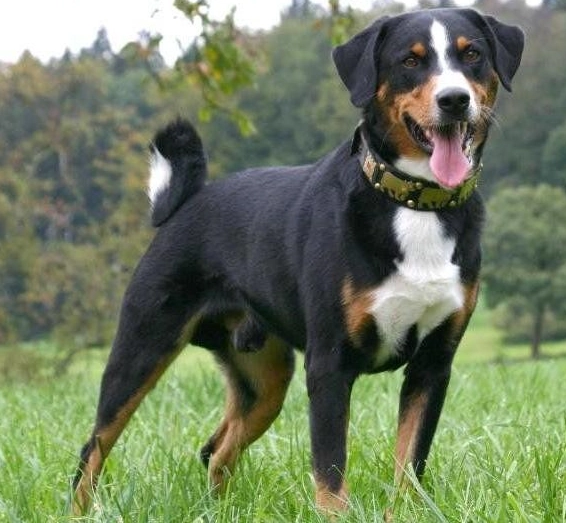
Their herding and guarding heritage from the Appenzell region of Switzerland built three core drives into their DNA:
- High Energy & Stamina: This is not a 30-minute walk dog. This is a "I need a job or I'll invent one" dog. We're talking 60-90+ minutes of vigorous activity daily.
- Strong Herding Instinct: This manifests as chasing, circling, and often nipping at heels. It's not aggression; it's hardwired behavior. Kids running in the yard? Prime herding targets.
- Protective Watchfulness: They are alert barkers. A squirrel, a mailman, a leaf blowing oddly—all warrant a sharp, loud alarm. This makes them good watchdogs but potential nuisances in close-quarters neighborhoods.
Their intelligence is a double-edged sword. They learn commands fast, but they also learn how to open cupboards, solve puzzle toys in seconds, and outsmart a bored owner.
A quick story: I knew an Appenzeller named Finn whose owners thought his intelligence meant he'd enjoy advanced obedience. He aced the classes, then got bored. His "job" became systematically removing every cushion from the sofa and arranging them in a circle in the middle of the room. Every. Single. Day. He wasn't destructive; he was bored and creating his own task. That's the Appenzeller mind at work.
The Appenzeller Family Match Test (Be Brutally Honest)
Don't ask if the dog is good for your family. Ask if your family is good for the dog. Circle Y or N.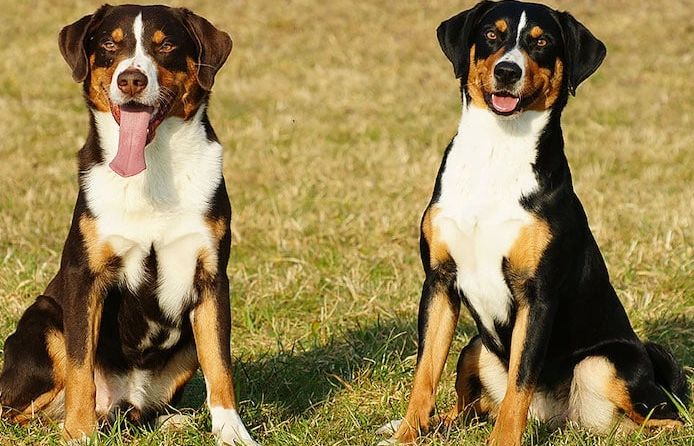
- Y / N We have a large, securely fenced yard (6-foot fence, minimum).
- Y / N Our family is highly active: hiking, running, biking, or involved in dog sports are regular weekend activities.
- Y / N We have the time and patience for consistent, creative training beyond basic sit/stay.
- Y / N We can provide mental stimulation daily (food puzzles, scent games, training tricks).
- Y / N We understand and can manage a dog that may be aloof or wary with strangers.
- Y / N We have older children (think 8+) or no children, who can be taught to interact calmly.
- Y / N We are not away from home for 8+ hours a day regularly.
- Y / N A certain level of barking is acceptable to us.
If you have 6 or more Y's, you might have the foundation. Fewer than that, and you're likely setting the dog and yourselves up for stress. An under-stimulated Appenzeller is a one-dog wrecking crew.
Are Appenzellers Good with Kids?
This is the million-dollar question for families. The answer isn't a simple yes or no; it's a conditional "yes, but with major caveats."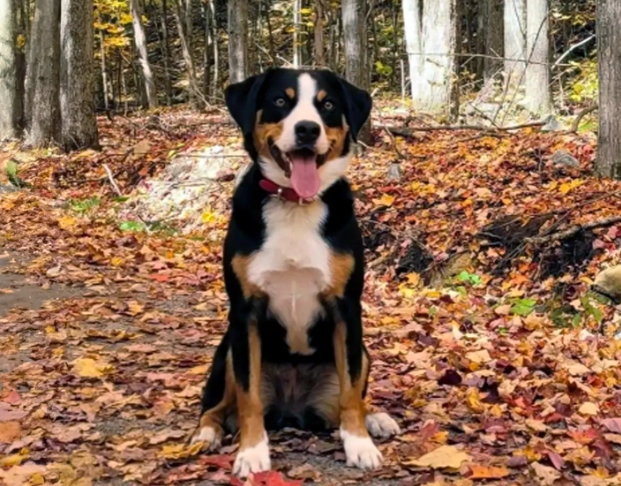
The Ideal Scenario
An Appenzeller raised from puppyhood with calm, respectful children in an active household can form an incredibly strong bond. They often see the kids as part of their "herd" to protect and engage with. They can be playful and tolerant.
The Red Flags and Realities
The herding instinct is the biggest wild card. Toddlers and young children who run, squeal, and move unpredictably can trigger that innate chase-and-nip behavior. It's not an attack, but a sharp nip on a calf can scare a child and break skin.
Their high energy can also lead to accidental knocks. Supervision isn't just recommended; it's mandatory. This isn't a dog you can leave unattended in a room with a playing child.
My advice: Appenzellers are best suited for families with older children who can participate in their training and exercise, understand canine body language, and interact without chaotic energy. For families with toddlers or very young kids, a breed with a softer, more forgiving temperament is usually a safer, less stressful choice.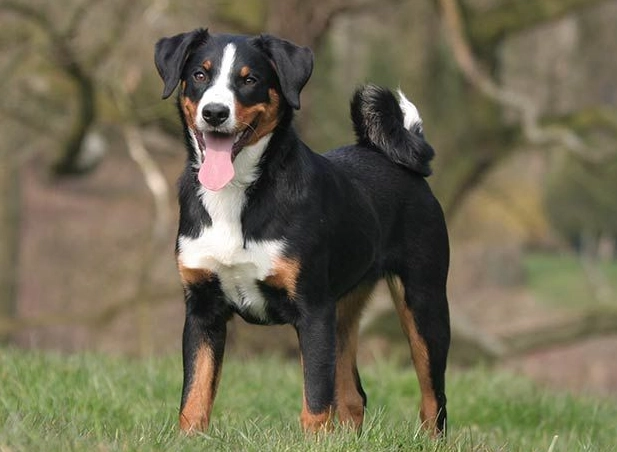
Training: The Non-Negotiable Foundation
You must train an Appenzeller. Not just for manners, but for your sanity. Their intelligence means they get bored with repetition. Positive reinforcement is the only method that works long-term. Think high-value treats, clickers, and turning lessons into games.
Two areas demand extra focus:
1. Early and Ongoing Socialization: This is critical to temper their wariness of strangers. Expose the puppy positively to diverse people, places, sounds, and other animals. The goal isn't to make them a social butterfly, but to ensure they are confident and non-reactive in the world.
2. Impulse Control & Recall: Teaching a solid "leave it" and a bombproof recall is lifesaving. That herding drive can send them sprinting after a bike or a jogger. Training a reliable recall with a breed that loves to chase is a lifelong project, not a puppy-class skill.
Many owners find success channeling their dog's drive into organized activities like herding trials, agility, rally obedience, or nose work. This gives them a legitimate job and mental exhaustion, which is just as important as physical tiredness.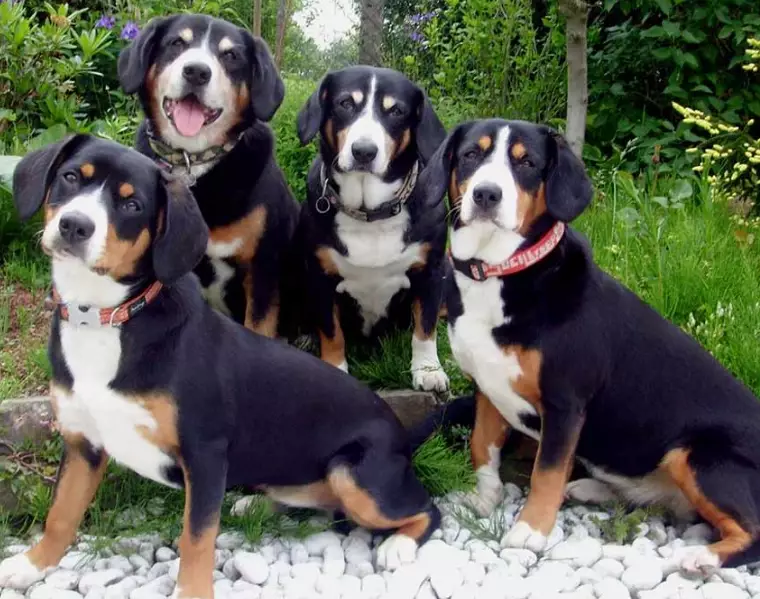
The Biggest Challenges of Owning an Appenzeller
Let's not sugarcoat it. Here’s what people don't always mention:
- The Energy is Relentless: It doesn't magically stop at age two. This is a breed that often stays energetic well into senior years. Your lifestyle must adapt for a decade or more.
- Potential for Same-Sex Aggression: As with many breeds originally used for guarding, some Appenzellers (particularly males) may not tolerate other dogs of the same sex. Careful introductions and management are key.
- "Selective Deafness": They are notoriously independent. You might have perfect recall in the backyard, but if they lock onto a squirrel, your calls might simply not compute. A secure environment is a must.
- The Barking: It's a loud, sharp, alert bark. If you live in an apartment or have close neighbors, this will be a point of contention.
Making It Work: If You're Still Determined
If you've read this far and are nodding, here's your action plan:
Find a Reputable Breeder: This is paramount. A good breeder, like those affiliated with the Appenzeller Sennenhund Club of America or similar national clubs, will health-test their dogs, raise puppies with early socialization, and, most importantly, interview you as thoroughly as you interview them. They should be skeptical if you have a sedentary lifestyle or very young kids. A breeder who just wants to sell you a puppy is a red flag.
Consider an Adult Dog: Sometimes, breed rescues or breeders have adult dogs whose temperament is already known. This can be a great way to skip the puppy shark-tooth phase and get a dog whose energy level and personality are evident.
Commit to the Schedule: Map out a daily plan before the dog arrives. Morning run or intense play session. Food puzzle for breakfast. Training session after work. Evening hike or long walk. This needs to be as routine as your own meals.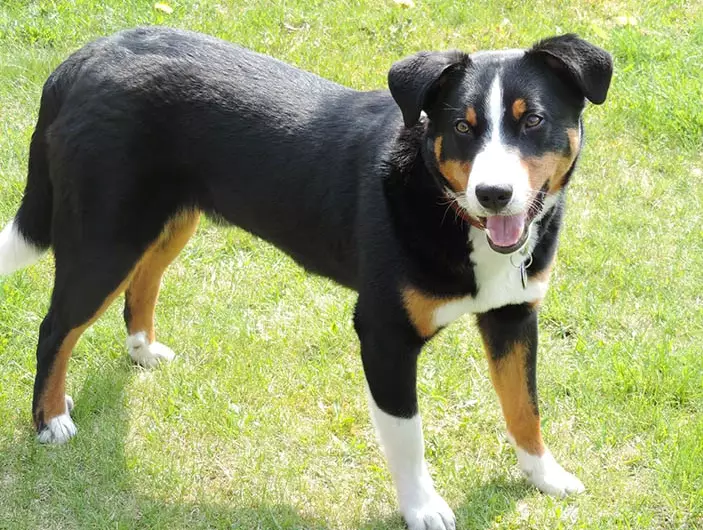
Your Questions, Answered
So, are Appenzeller Sennenhunds good family dogs? For the right family—one that is active, dog-savvy, has space, and is prepared for a project, not just a pet—they can be an incredibly rewarding, loyal, and vibrant companion. For the average family seeking a easy-going couch cuddler, they are almost certainly a mismatch. The choice hinges on a brutally honest assessment of your own life, not on the breed's picturesque appearance.
Reader Comments