Let's cut to the chase. If you're looking at the striking, tri-colored Appenzeller Sennenhund and wondering about the hair situation, the short answer is yes, they shed. But the real question isn't a simple yes or no. It's about how much, when, and what you can actually do about it. Calling them "heavy shedders" like a Husky would be unfair. Labeling them "low-shedding" like a Poodle would be a lie. They occupy a realistic middle ground that's entirely manageable—if you know what you're doing.
I've lived with double-coated working breeds for over a decade. The biggest mistake I see new owners make is treating all shedding the same. An Appenzeller's shedding has a specific pattern and purpose, tied directly to their history as Swiss farm dogs. Understanding that is the first step to keeping your black furniture (mostly) hair-free.
What You'll Find in This Guide
The Appenzeller Coat: It's All About the Undercoat
To understand Appenzeller Sennenhund shedding, you need to understand their coat. It's a classic double coat, a feature shared by many breeds from cold climates. This isn't just for looks; it's a functional survival system.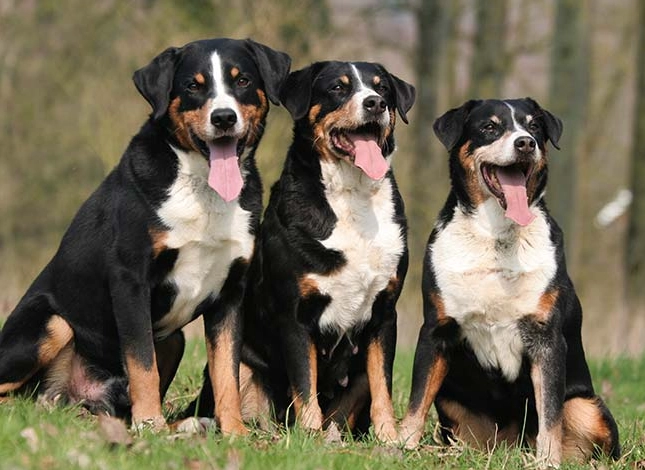
The topcoat is the one you see: short, dense, and lying smooth against the body. It's harsh to the touch and provides water resistance and protection from dirt and minor scrapes. This layer sheds minimally year-round, just the occasional hair here and there.
The real story is the undercoat. This is a soft, woolly, incredibly dense layer of fur that sits close to the skin. Its job is insulation—trapping body heat in the winter and, crucially, providing a cooling layer of air in the summer. This undercoat is the primary source of all that shedding. It grows in thick for winter, and then it's pushed out as the weather warms. The process reverses in the fall as the summer coat is replaced by a fresh winter one.
The Undercoat Insight: Many owners brush only the topcoat and think they're done. That's like vacuuming only the visible crumbs on a carpet while ignoring the dirt embedded deep in the fibers. If you're not actively reaching and removing the loose undercoat, you're not managing Appenzeller shedding effectively.
When the Fur Flies: Seasonal Shedding Patterns
Appenzellers don't shed a consistent amount every day. Their shedding is seasonal and tied to daylight changes more than temperature.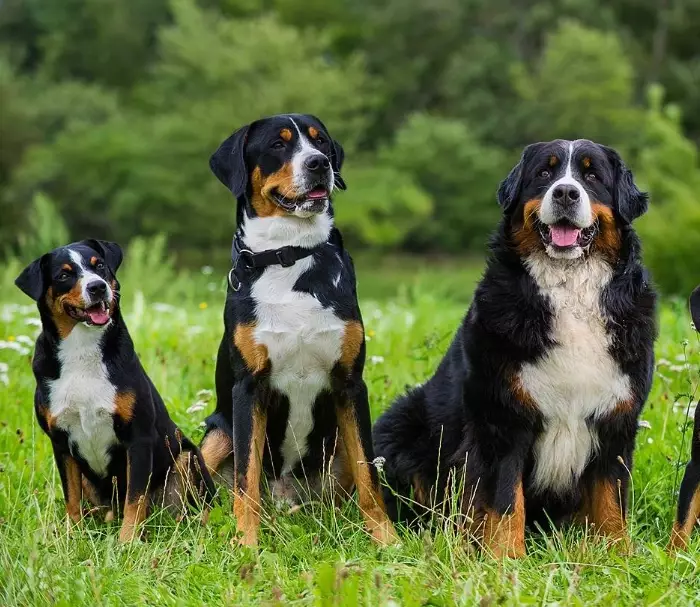
The Big Two: Spring and Fall "Coat Blows"
You'll experience two major shedding periods each year.
- Spring Shed: This is usually the more dramatic of the two. As days get longer, your Appenzeller will "blow" its thick winter undercoat. You'll see tufts of soft, greyish fur coming out in clumps, especially around the neck, behind the legs, and along the back. This can last 2-4 weeks.
- Fall Shed: Less intense but still noticeable. The lighter summer undercoat is shed to make way for the denser winter growth. This process is often quicker, maybe 1-3 weeks.
During these times, daily brushing isn't just recommended; it's necessary for your sanity. The rest of the year, they are moderate, steady shedders. You'll find hair on your clothes and floors, but it won't form tumbleweeds in the corner (if you keep up with basic grooming).
The Indoor Dog Caveat
Here's a nuance many guides miss. Dogs who live primarily indoors with controlled climates and artificial lighting can have disrupted shedding cycles. Their bodies get confused by constant temperature and steady light exposure. The result? They may shed more consistently year-round instead of having two distinct peaks. My own dog, who's mostly indoors, has a less dramatic but more constant shed. It's easier to manage daily but requires unwavering consistency.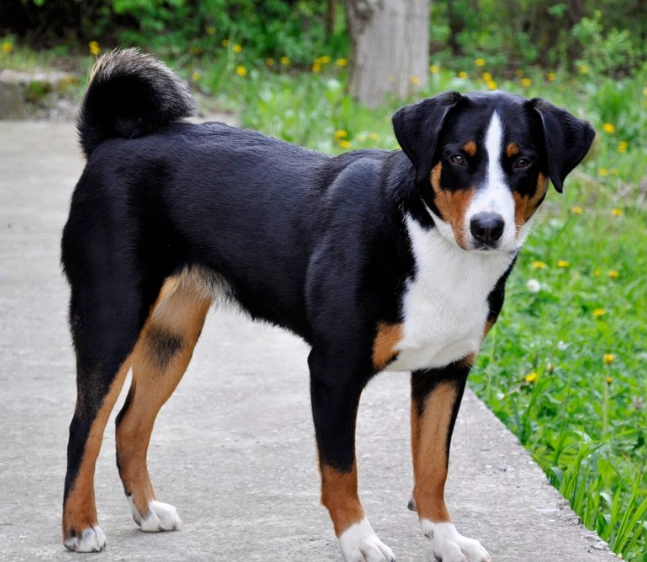
Your Shedding Defense Kit: Essential Grooming Tools
Using the wrong brush is a waste of time. A slicker brush alone won't cut it. You need tools designed for a short, dense double coat. Here’s what actually works, based on years of trial and error.
| Tool | Primary Use | Frequency | Pro Tip |
|---|---|---|---|
| Undercoat Rake | To penetrate the topcoat and pull out loose undercoat fur. This is your #1 weapon. | Weekly (Daily during coat blows) | Look for one with rotating teeth and rounded tips to prevent scratching the skin. Go gently in sections. |
| Slicker Brush | To remove loose topcoat hair, detangle, and distribute natural skin oils for a shiny finish. | 2-3 times per week | Use a light hand. Pressing too hard can irritate the skin. Follow up after the undercoat rake. |
| Rubber Grooming Mitt or Curry Comb | Excellent for quick daily wipe-downs to catch loose hair before it falls. Dogs usually love the massage-like feeling. | Daily or every other day | Use in circular motions during bath time to work shampoo into the dense coat and lift dirt. |
| High-Velocity Dog Dryer | Not just for drying! The powerful air blows out massive amounts of loose undercoat after a bath. | After every bath | Use on a low setting in a well-ventilated area (like a garage). Point the nozzle against the lay of the coat. The amount of fur that comes out is shocking and satisfying. |
Skip the Furminator-style de-shedding tools for this breed. Their blades are too aggressive for the short coat and can easily damage the protective topcoat if used incorrectly. An undercoat rake is safer and more effective.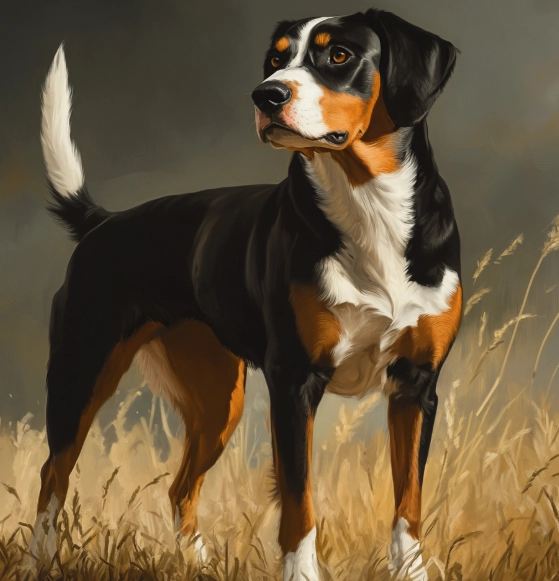
Beyond Brushing: How Diet Impacts Shedding
You can't brush away a poor diet. The health of your Appenzeller's skin and coat is built from the inside out. Excessive, year-round shedding can sometimes be a sign of nutritional deficiencies or low-quality food.
Look for a high-quality dog food that lists a specific animal protein (like chicken, salmon, or lamb) as the first ingredient. The magic nutrients for coat health are:
- Omega-3 and Omega-6 Fatty Acids: Found in fish oil, flaxseed, and certain plant oils. They reduce inflammation and keep the skin hydrated, leading to a stronger coat that holds onto hairs until their natural cycle ends. A dull, brittle coat sheds more.
- High-Quality Protein: Hair is made almost entirely of protein. Adequate intake is non-negotiable for healthy growth.
- Biotin & Zinc: These vitamins and minerals support skin cell regeneration and follicle health.
I made the switch to a food with salmon as the base and added a pump of salmon oil to my dog's dinner. It wasn't an overnight miracle, but after about 6-8 weeks, I noticed his coat was noticeably softer, shinier, and yes, there seemed to be less random hair floating around between major grooming sessions. It's a foundational fix.
Life with an Appenzeller: Managing Hair at Home
Acceptance is the first step. Some hair will be part of your life. The goal is containment, not elimination. Here’s a practical, non-obsessive strategy.
Designated Dog Zones: If possible, train your Appenzeller that certain furniture is off-limits. A comfortable dog bed in each main room gives them their own space. We keep a blanket on our one dog-approved couch that gets washed weekly.
The Cleaning Arsenal:
- Robot Vacuum: The single best investment for a dog owner. Run it daily on hard floors. It prevents hair from accumulating into drifts.
- Rubber Broom or Squeegee: Amazing for pulling hair out of carpets and area rugs before vacuuming.
- Lint Rollers: Keep one in the car, by the front door, and in your desk. It's just part of the routine now.
- Washable Slipcovers: For furniture your dog is allowed on, these are lifesavers.
It sounds like a lot, but each task takes minutes. The robot vacuum does the heavy lifting. The key is frequency, not intensity. A quick five-minute tidy-up each evening beats a two-hour deep clean every month.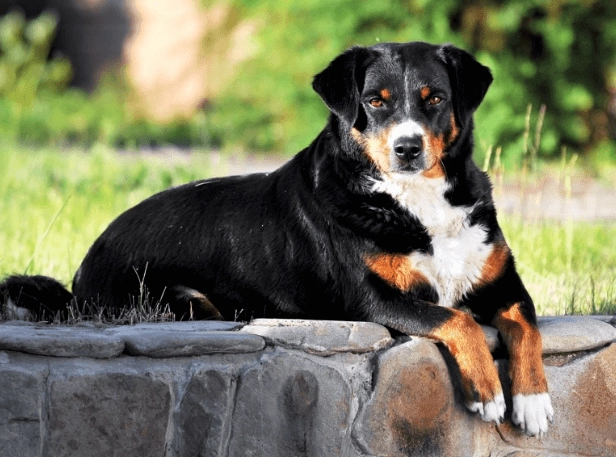
Your Top Appenzeller Shedding Questions Answered
So, do Appenzeller Sennenhunds shed a lot? They shed enough that you'll notice it, but not so much that it should deter the right owner. It's a predictable, seasonal process that responds directly to a simple grooming routine. The hair is a small trade-off for the loyalty, intelligence, and vibrant personality you get in return. Get the right rake, run the robot vacuum, and enjoy life with this incredible Swiss breed. The fur is just part of the package deal.
Reader Comments