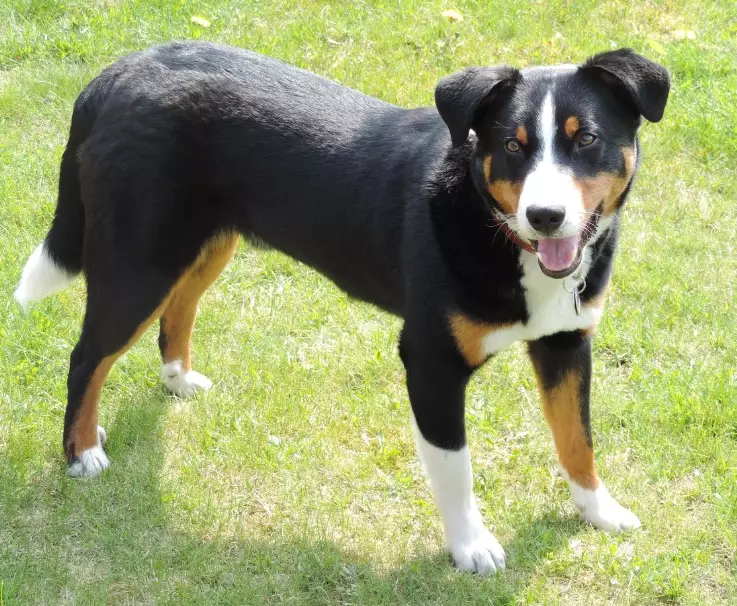
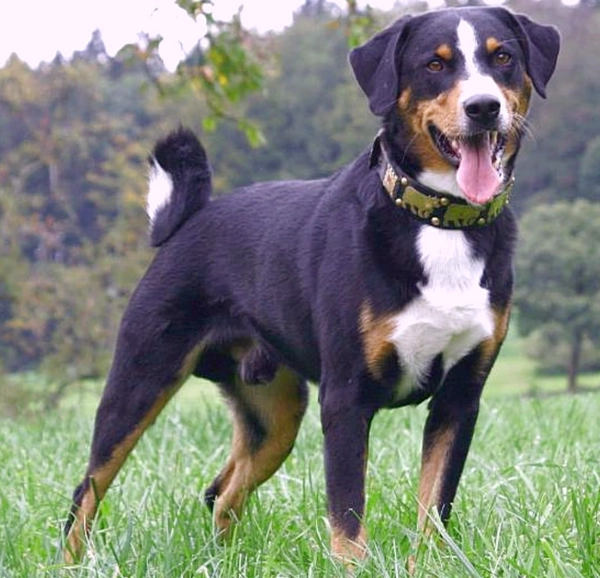
That's the million-dollar question for anyone considering this striking, tri-colored Swiss herding dog. You see a picture of an Appenzeller Sennenhund—muscular, alert, with that intelligent, watchful expression—and the word "aggressive" might flicker across your mind. It's a fair instinct. But the real answer is far more nuanced than a simple yes or no.
An Appenzeller isn't inherently mean or vicious. Labeling them as "aggressive" misses the point entirely and does a disservice to a complex, working breed. The more accurate, and useful, question is: Under what circumstances could an Appenzeller Sennenhund display aggressive behaviors, and how much of that is baked into their DNA versus a result of their environment? That's what we're going to dig into.
Having spent years around herding breeds and speaking with dedicated Appenzeller owners, I can tell you the biggest mistake people make is treating them like a Labrador Retriever. That path leads directly to frustration, for you and the dog.
What You'll Discover
What Makes an Appenzeller Sennenhund Tick? It's Not Aggression, It's Drive
Let's strip away the label. The American Kennel Club (AKC) describes the Appenzeller's temperament as "lively, high spirited, and suspicious of strangers." The Swiss breed standard emphasizes self-assurance, fearlessness, and a "lively temperament." Notice a pattern? None of these are synonyms for aggression. They're descriptors of a high-octane, intelligent working dog.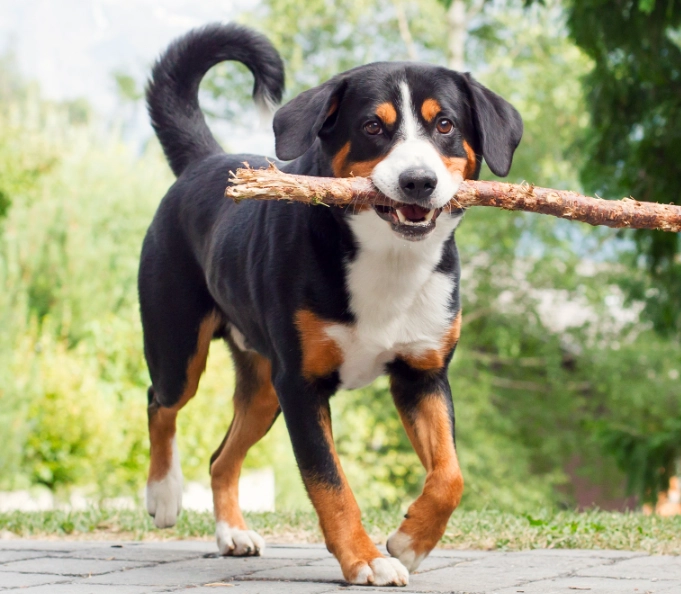
Their "job" for centuries was to herd cattle in the rugged Swiss Alps. This required:
- Boldness and Confidence: To stand up to stubborn cattle.
- Vigilance: To watch over the herd and alert to anything unusual.
- Energy and Stamina: To work all day on mountain slopes.
- Independence: To make quick decisions away from the farmer.
These traits didn't vanish when they moved into suburban homes. A bored, under-stimulated Appenzeller with all this genetic programming and no outlet is a dog primed for trouble. The behavior that manifests—excessive barking, destructiveness, chasing, nipping—is often mislabeled as aggression. It's really just a very smart, energetic dog inventing its own job, and that job is usually something you don't want.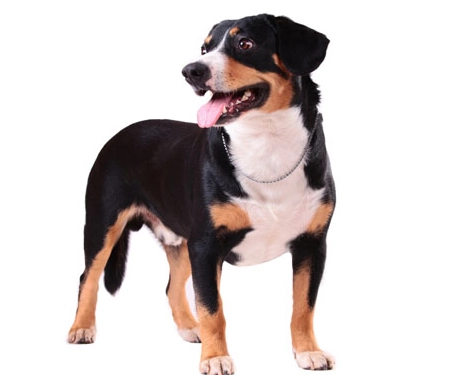
Expert Insight: A common misconception is that a long walk or run is enough to tire them out. It's not. Physical exercise is only half the equation. An Appenzeller needs an equal, if not greater, amount of mental work. Fifteen minutes of focused training, a puzzle feeder, or a nose-work game can do more to settle their mind than an hour of jogging.
Common Triggers & Behaviors Often Mistaken for Aggression
Here’s where things get practical. Let's look at specific scenarios where an Appenzeller might act in a way that seems aggressive, and what's actually driving it.
1. The "Suspicious of Strangers" Alert
That AKC line isn't kidding. Appenzellers are naturally reserved with people they don't know. This isn't a cuddly, meet-and-greet-everyone-at-the-park breed. A stranger approaching quickly or directly might be met with a standoffish posture, a low growl, or a sharp, loud bark. This is protective alertness, not an unprovoked attack. It's their way of saying, "I see you, I'm assessing you, keep your distance until I'm sure." Poor socialization exacerbates this, turning healthy wariness into fear-based reactivity.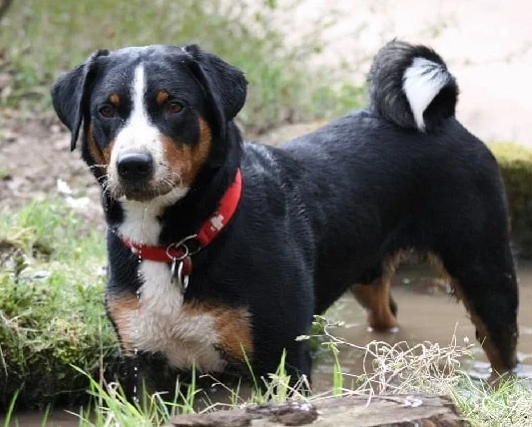
2. The Herding Nip and Chase
This is a big one, especially with children or other pets. Kids running and screaming in the yard? Perfect flock behavior to an Appenzeller. They may chase, bark, and even nip at heels or clothing to control the movement. To a terrified child (or parent), this looks and feels like aggression. To the dog, it's pure, instinctual job satisfaction. It's crucial to manage this from puppyhood and teach appropriate play.
3. Resource Guarding Tendencies
Some Appenzellers can develop guarding behaviors over food, toys, or favorite spots. This stems from that independent, "I'm in charge here" mentality. It's a behavior that can escalate into a bite if not addressed early with positive, trust-based training. It's not malice; it's a dog asserting control over a valued resource.
| Behavior | Often Mistaken For... | Likely Root Cause | Management/Training Focus |
|---|---|---|---|
| Barking at the door/strangers | Aggressive threat | Protective alerting, herding instinct to control movement | Teach a "quiet" command, redirect to a mat, manage greetings |
| Nipping at heels | Vicious biting | Innate herding behavior | Redirect to a toy, teach impulse control, provide alternative jobs |
| Growling over food/toy | Dominant aggression | Resource guarding | Trade-up games, hand-feeding, building trust, never punish the growl |
| Stiff posture, staring | Pre-attack stance | Uncertainty, assessment, lack of socialization | Positive exposure to varied people/situations, teach disengagement cues |
Training Non-Negotiables: Building a Partnership, Not a Problem
You can't wish away genetics. You have to work with them. Training an Appenzeller isn't about brute force; it's about becoming a trusted leader they want to follow. They respect consistency and intelligence.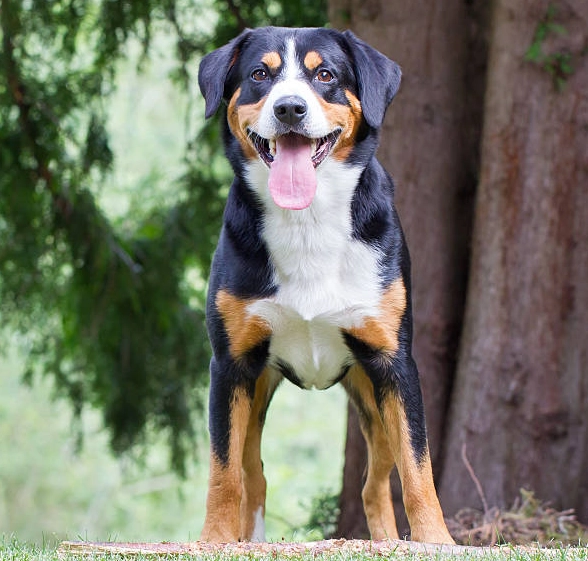
1. Socialization is a Lifelong Process, Not a Puppy Checklist. It doesn't end at 16 weeks. You need to continually and positively expose them to different people, environments, sounds, and animals in a controlled way. The goal isn't that they love everyone, but that they remain neutral and confident.
2. Obedience is Your Foundation. A rock-solid recall ("come"), a reliable "leave it," and a solid "place" or "mat" command are not party tricks. They are essential safety tools for managing their instincts.
3. Channel the Drive into a Job. This is the golden rule. Find an outlet for their energy and brain:
- Advanced Obedience or Rally: Structured thinking and teamwork.
- Nose Work or Tracking: Taps into their scenting ability and focus.
- Agility: Great physical and mental exercise (though their independent streak can be a challenge on course!).
- Herding Instinct Tests: The ultimate job for them, if you have access.
A dog with a job is a content dog. A content dog is far less likely to develop problem behaviors.
Is an Appenzeller Sennenhund Right for Your Home? A Reality Check
Let's be brutally honest. This breed is not for everyone. They are a commitment. Ask yourself: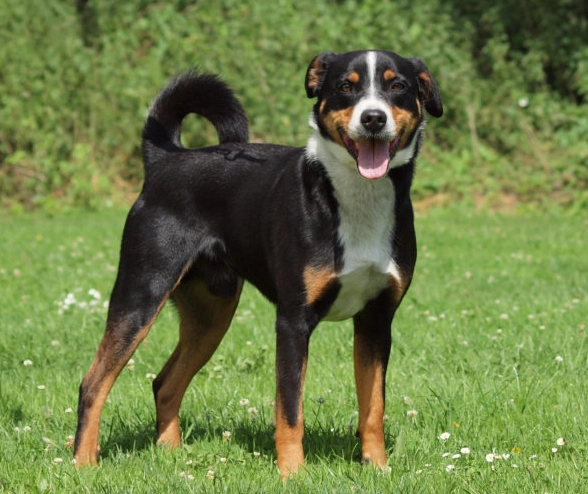
- Activity Level: Can you provide 60-90+ minutes of dedicated exercise and training every single day, rain or shine?
- Experience: Do you have proven experience with strong-willed, intelligent breeds? First-time dog owners are often overwhelmed.
- Household: Do you have young children who run erratically? Other small pets (cats, rabbits)? An Appenzeller's prey drive can be high.
- Space: While they can adapt to apartment life with extreme dedication to exercise, a home with a secure, large yard is ideal.
- Your Goal: Do you want an easy-going couch companion or an active, engaging partner for adventure and training?
If your answers skew toward the latter options, an Appenzeller might be a profoundly rewarding fit. If not, there are many other wonderful, less demanding breeds that would thrive in your home.
Your Top Appenzeller Sennenhund Questions Answered
So, are Appenzeller Sennenhunds aggressive? Not by nature. They are intense, driven, and wired for work in a world that often doesn't provide it. The potential for problematic behaviors that look like aggression exists when their profound needs for leadership, activity, and mental challenge go unmet.
They are not a dog you just own; they are a dog you partner with. For the right person—someone active, experienced, and looking for a brilliant, loyal, and endlessly engaging companion—an Appenzeller is not a threat, but a treasure. For others, they can become a handful labeled unfairly as "aggressive." The difference almost always lies in the human at the other end of the leash.
Reader Comments