You're looking at two of America's finest home-grown hunting dogs, both bred to work in water and flush game. The American Water Spaniel (AWS) and the Boykin Spaniel. From a distance, they might seem similar—medium-sized, brown, curly-coated hunters. But spend a day in the blind with either, or live with one in your home, and the differences hit you like a cold splash from the lake. Choosing between them isn't about picking the "better" dog. It's about finding the right partner for your specific lifestyle, hunting style, and personality.
I've hunted over both, and lived with a Boykin for a decade. The choice between them often comes down to subtleties most breed summaries gloss over.
Your Quick Guide to Choosing
- Roots & Hunting Style: Where They Come From Matters
- American Water Spaniel vs Boykin: The Hard Data
- Life Off the Marsh: Family Dog or Hunter's Shadow?
- The Critical Factor: Grooming
- Health & Lifespan: What the Breed Clubs Don't Always Shout About
- Making Your Choice: The Deciding Questions
- Your Questions, Answered
Roots & Hunting Style: Where They Come From Matters
The American Water Spaniel is the older, more enigmatic breed. Developed in the Midwest's Great Lakes region, it's a true all-purpose gun dog. Think cold, choppy water and dense cover. The AWS was built to be a one-dog show: flush, retrieve, and do it all with a rugged independence. The American Kennel Club (AKC) recognized them in 1940, but they've always been a relatively rare find.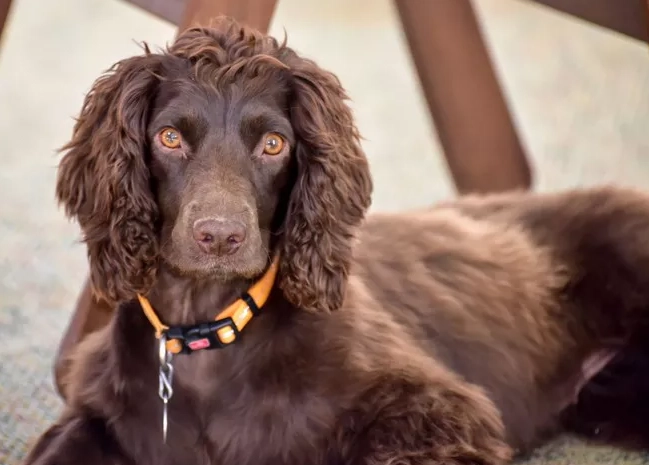
The Boykin Spaniel is a Southern gentleman with a specific job. Created in South Carolina around the early 1900s, its mission was to retrieve ducks and turkeys from the state's swamps and rivers, and famously, fit into the small boats hunters used there. The Boykin is a specialist—an enthusiastic, agile flushing and retrieving machine with a legendary "want-to-please" attitude. It's South Carolina's state dog.
This history shapes how they hunt. The AWS is a thinker, a problem-solver. You might see a moment of hesitation as it assesses a tricky retrieve. The Boykin? It's all go. You point, it launches. That difference is everything.
American Water Spaniel vs Boykin: The Hard Data
| Trait | American Water Spaniel | Boykin Spaniel |
|---|---|---|
| Size | 15-18 inches, 25-45 lbs. Stockier, more substantial bone. | 14-18 inches, 25-40 lbs. Slightly more leggy and agile in build. |
| Coat | Dense, tight marcel (wave) to loose curl. Moderate undercoat. Weather-resistant. | Flat to slightly wavy, with feathering. Can range from silky to a denser texture. |
| Color | Solid liver, brown, or dark chocolate. Sometimes a small white spot on chest. | Rich liver, brown, or dark chocolate. A small white spot on chest is allowed. |
| Energy Level | High. Needs a real job, not just a walk. | Very High. Bouncy, perpetual motion when excited. |
| Trainability | Intelligent but independent. Can be willful. Best for experienced handlers. | Extremely eager to please. Sensitive to tone. Great for first-time hunting dog owners. |
| AKC Popularity Rank | Rare (outside top 150). | More common (consistently in the 80s-90s). |
Life Off the Marsh: Family Dog or Hunter's Shadow?
This is where you feel the biggest gap. My Boykin was a velcro dog. If I got up for water, he got up. If I sighed, he'd check on me. This intense devotion is the Boykin's hallmark. They are quintessential family dogs—outgoing, playful, and generally great with kids and other pets if socialized. That same trait can tip into separation anxiety if they're left alone too much.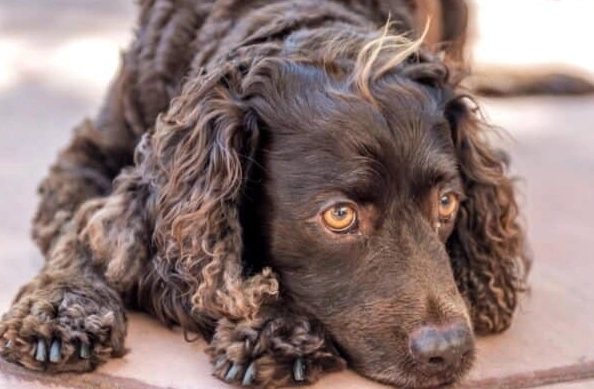
The American Water Spaniel is more reserved. They bond deeply with their family but are often warier of strangers. They're loyal without being clingy. With kids, they can be wonderful, but they often have a lower tolerance for chaotic noise and clumsy handling than the ever-patient Boykin. They need a calm, consistent household.
A personal observation: At a hunt test, the Boykins in the holding blind were wiggling, making eye contact, soaking up affection. The AWS nearby were calmer, watching the field, almost aloof. One AWS owner laughed, "He's working, even when he's not." That's the mindset.
The Critical Factor: Grooming
Nobody talks about this enough, and it's a daily reality. The American Water Spaniel's curly coat is a high-maintenance commitment. It mats easily, especially behind the ears and in the feathering. You're looking at a thorough brush-out 2-3 times a week, without fail. Miss a session, and you're dealing with painful mats.
The Boykin's coat is far more forgiving. A good brushing once a week is usually sufficient to prevent tangles and keep it healthy. Both breeds shed, but the AWS's tighter curls tend to trap loose hair, which then mats, while the Boykin's sheds more freely.
If you hate grooming, the Boykin wins this round hands down.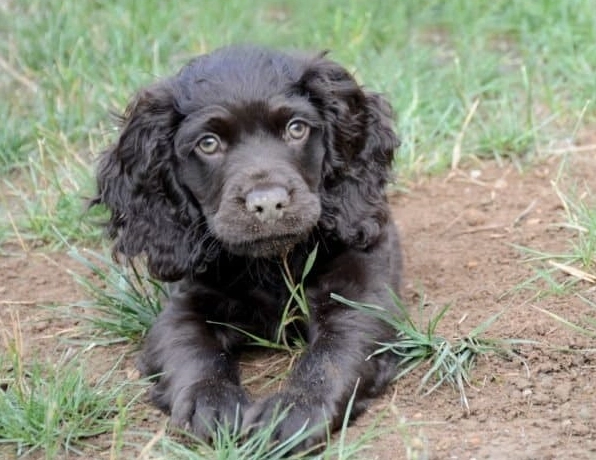
Health & Lifespan: What the Breed Clubs Don't Always Shout About
Both are generally healthy with lifespans of 10-15 years. Responsible breeding is non-negotiable.
American Water Spaniel: The smaller gene pool is a concern. Ask breeders for OFA (Orthopedic Foundation for Animals) clearances for hips, elbows, and eyes. They can be prone to hip dysplasia, eye issues like cataracts, and certain skin allergies. A good resource is the breed health information on the OFA website.
Boykin Spaniel: The breed's #1 health priority is Exercise Induced Collapse (EIC). A responsible breeder must DNA test for this and only breed clear dogs. Hip dysplasia is also a concern. The Boykin Spaniel Society maintains a strong health foundation and is transparent about research.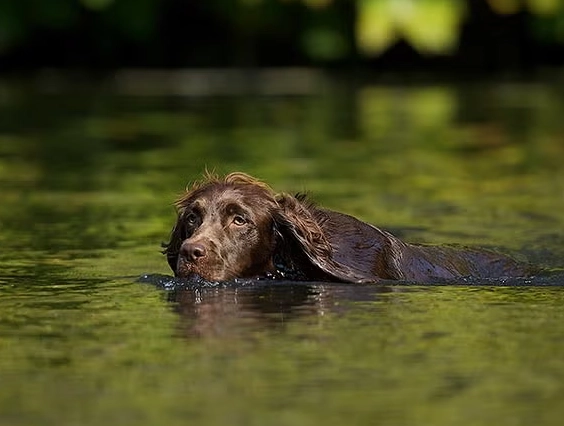
Making Your Choice: The Deciding Questions
Don't just compare stats. Ask yourself these questions:
- What's your training experience? First-time trainer? Lean Boykin. Experienced and enjoy a thoughtful, independent partner? The AWS could be your match.
- What's your household like? Busy family with kids and noise? Boykin. Quieter, adult-oriented home? AWS.
- How much grooming can you handle? Be brutally honest. The AWS coat is a part-time job.
- Do you need an instant best friend? Boykin. Do you want a respected colleague who earns your trust? AWS.
Visit breeders, meet adult dogs. See which personality clicks with you.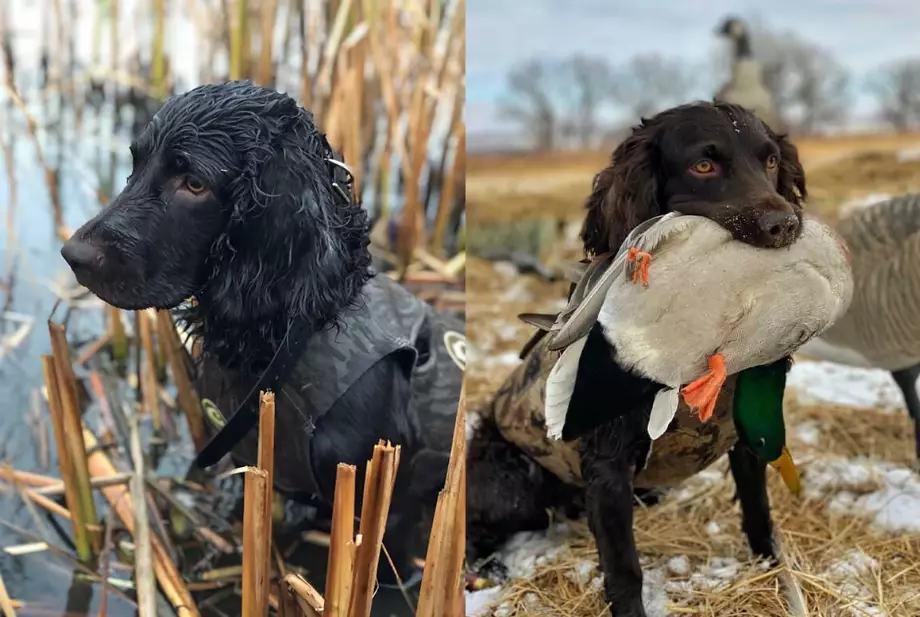
Your Questions, Answered
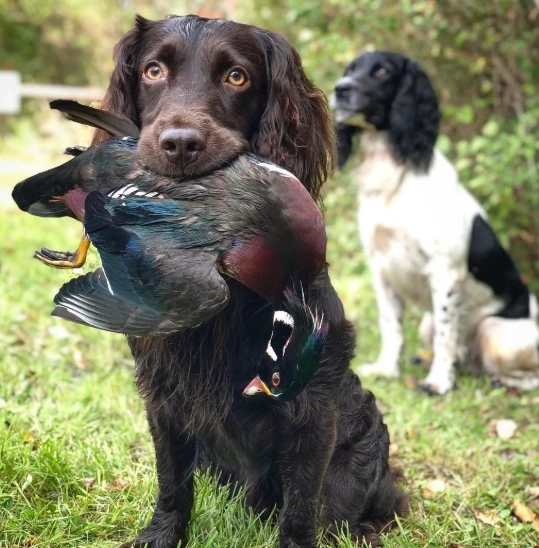
There's no universal winner. The Boykin Spaniel is the charismatic, eager-to-please partner who makes you laugh and melts your heart. The American Water Spaniel is the rugged, self-reliant specialist who earns your deepest respect. Choose the one whose soul matches the life you can provide. Both will give you everything they have on a frosty morning in the blind.
Reader Comments