If you're looking into Australian Silky Terriers, size is probably one of the first things on your mind. I get it—when I brought home my first Silky, Max, I was obsessed with how big he'd get. Would he stay that tiny puppy forever? Turns out, understanding their尺寸 isn't just about numbers; it affects everything from health to daily care. Let's cut straight to the chase: these dogs are small, but there's a lot more nuance than most guides tell you.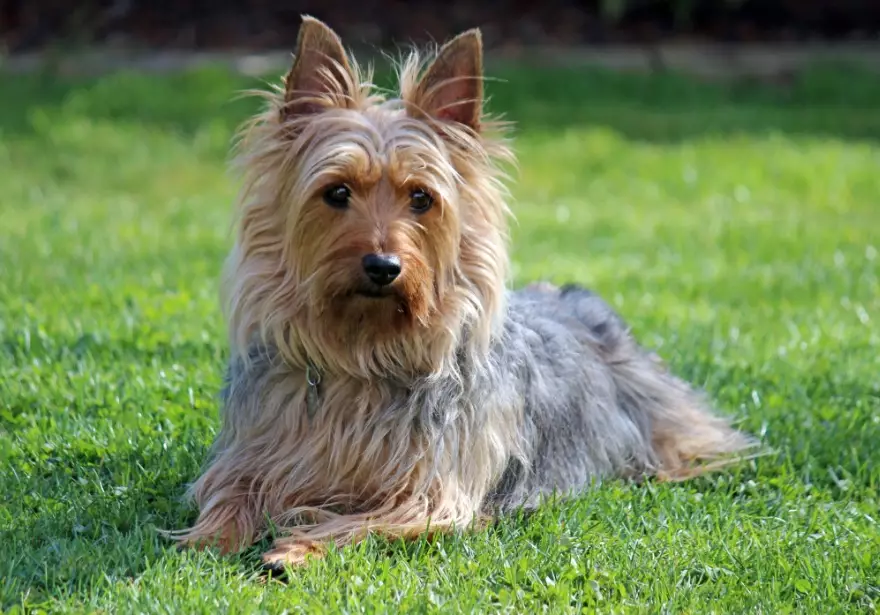
Quick Navigation: Jump to What Matters
Standard Size and Measurements
Breed standards set by organizations like the American Kennel Club (AKC) give a baseline, but real-world variations exist. The AKC states Australian Silky Terriers should stand about 9 to 10 inches tall at the shoulder and weigh 8 to 10 pounds. Sounds simple, right? Not quite.
Official Breed Standards: More Than Just Numbers
The height is measured at the withers—that's the highest point of the shoulder blades. Weight ties into bone structure; a lean, muscular Silky might hit 10 pounds and still be healthy, while a fluffier one could look heavier. I've seen show dogs slightly outside this range due to genetics. Don't freak out if your pup is a bit off, but consistency matters.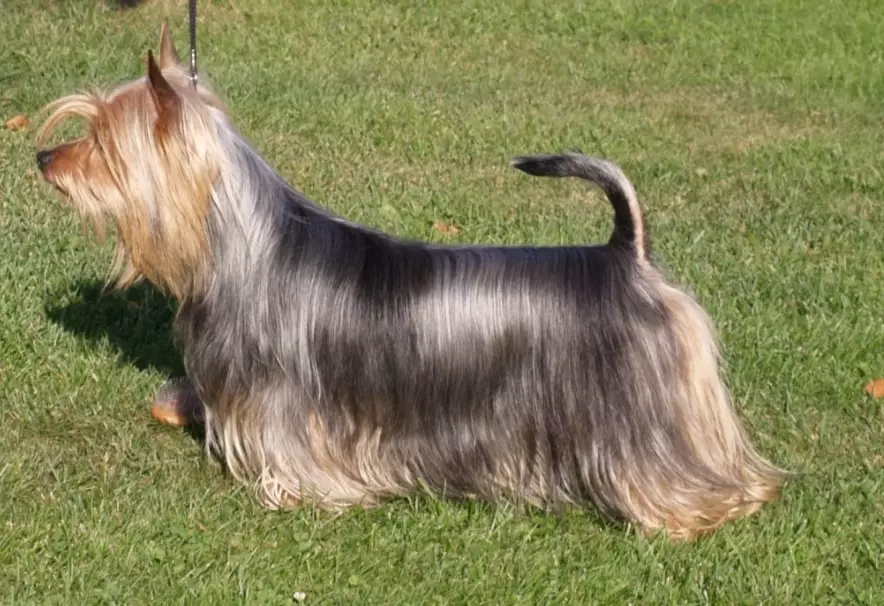
How to Accurately Measure Your Dog
Grab a tape measure and a helper. Have your dog stand on a flat, hard surface—tile floor works best. Measure from the ground up to the withers, keeping the tape straight. For weight, use a pet scale or weigh yourself holding the dog, then subtract your weight. Do this monthly during growth phases. Max hated it at first, but treats helped. Pro tip: measure after exercise when they're calm, not when they're bouncing around.
Key Insight: Many owners mistake length for height. Silky Terriers are longer than they are tall, which can make them seem bigger. Focus on shoulder height for accuracy.
Growth Timeline and Development
Silky Terriers grow fast in the first few months, then slow down. From my experience with Max, here's a rough timeline.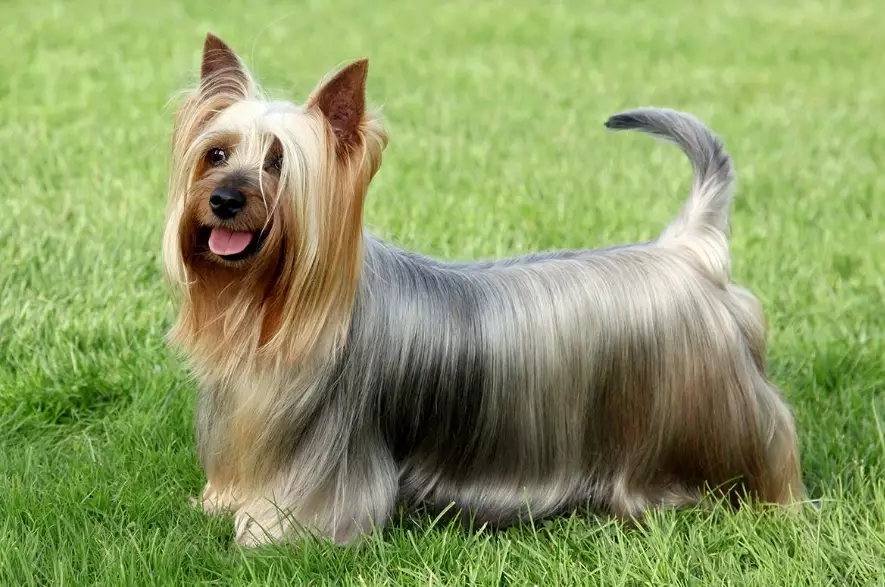
| Age | Average Weight | Average Height | Notes |
|---|---|---|---|
| 8 weeks | 2-3 lbs | 4-5 inches | Puppies are tiny and fragile; handle with care. |
| 6 months | 6-8 lbs | 7-8 inches | Growth spurts happen; energy levels peak. |
| 1 year | 8-10 lbs | 9-10 inches | Most reach adult height, but may fill out. |
| 2 years | 8-10 lbs | 9-10 inches | Fully mature; weight stabilizes with diet. |
Puppy Stages: What to Expect Month by Month
At 3 months, Max doubled his weight from when I got him. It was shocking. By 6 months, he'd hit most of his height, but his chest broadened until age 1. I kept a growth chart—silly, but it helped spot issues early. Some puppies plateau earlier; genetics play a huge role.
When is a Silky Terrier Fully Grown?
Most Silkies reach full height by 10-12 months, but muscle and weight can adjust up to 2 years. I've met owners who panic if their dog isn't "done" by a year, but that's normal. Factors like diet and exercise influence this. Max took 18 months to settle into his adult weight.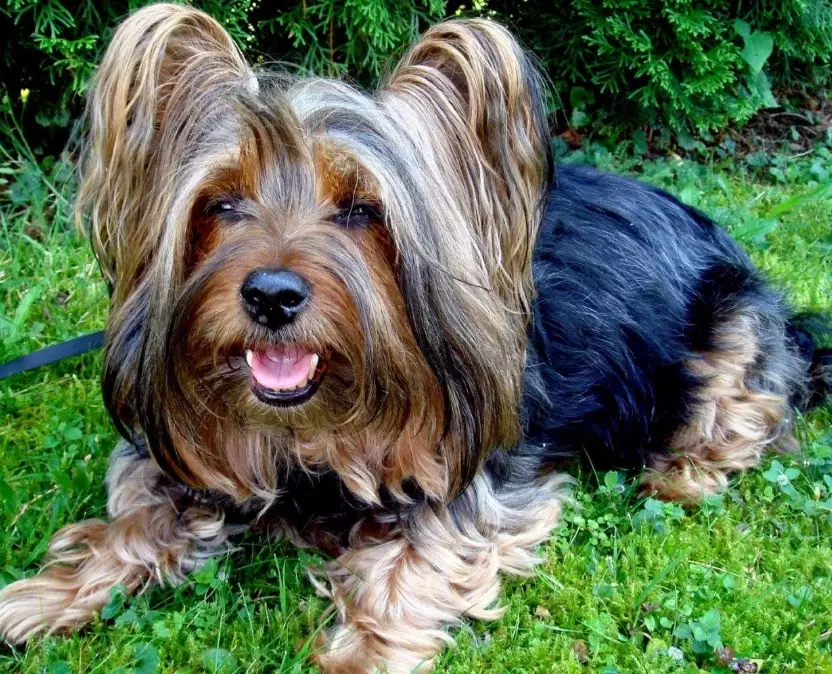
Size in Context: Comparisons and Implications
How does the Silky Terrier stack up against similar breeds? Let's break it down.
Side-by-Side with Yorkshire and Australian Terriers
Yorkshire Terriers are often smaller, averaging 7-8 pounds, while Australian Terriers are stockier and taller at 10-11 inches. I've fostered all three; the Silky sits in the middle—more refined than the Aussie, sturdier than the Yorkie. This affects things like collar size: Silkies usually need a small or extra-small, but check the neck measurement.
Size-Related Health Considerations
Small size brings risks. Patellar luxation is common—Max had a mild case that required physio. Dental issues too; their tiny mouths crowd teeth, leading to decay if not brushed. I learned the hard way after a hefty vet bill. Weight management is critical; even a pound overweight stresses joints. Regular check-ups with a vet familiar with small breeds are non-negotiable.
Some breeders tout "teacup" Silkies, but that's a red flag. These ultra-small versions often have more health problems. Stick to standard尺寸 for longevity.
Practical Tips for Owners Based on Size
Size dictates daily choices. Here's what I've gathered over years.
Choosing the Right Crate, Bed, and Harness
For crates, a 24-inch one works for most adults. Beds should have raised edges for security—Silkies love to burrow. Harnesses are better than collars to avoid tracheal damage; I use a step-in style that fits snugly without chafing. Measure your dog's girth behind the front legs for accuracy.
Exercise and Diet Adjustments for Optimal Health
Despite small size, they need 30-60 minutes of activity daily. Short walks and play sessions suffice. Diet-wise, high-quality small-breed kibble helps maintain weight. I feed Max twice a day, portion-controlled to avoid overeating. Treats? Keep them tiny; a full-sized biscuit is too much.
One mistake I made: assuming small dogs eat less. They do, but nutrient density matters more. Consult your vet for a tailored plan.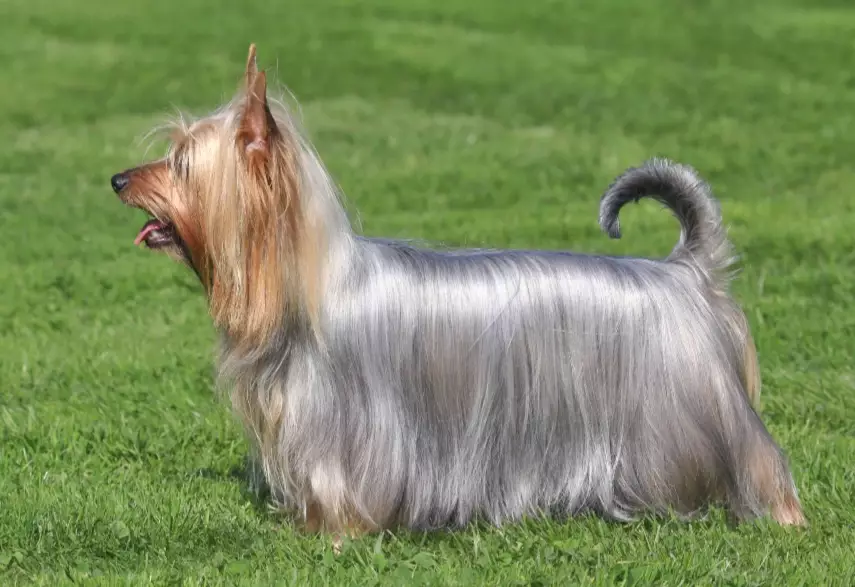
Frequently Asked Questions
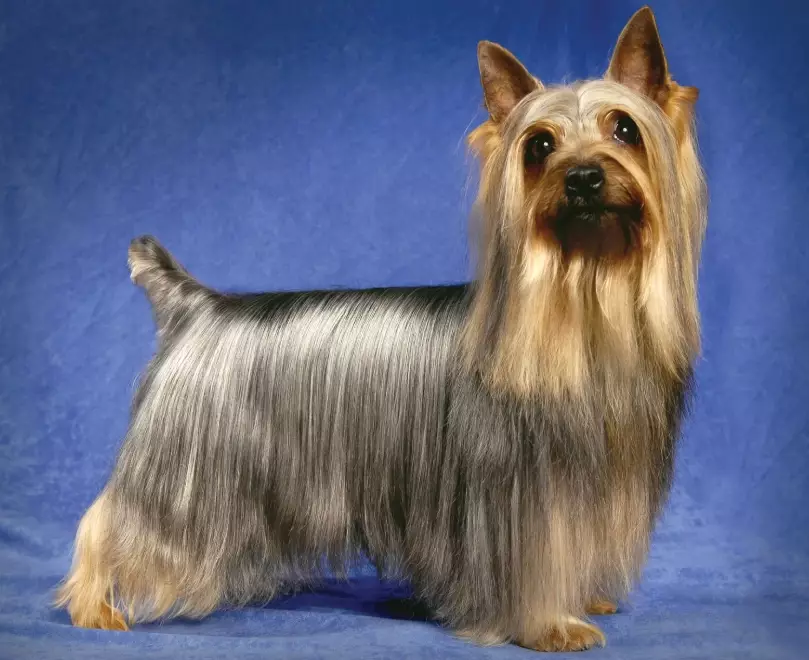 Wrapping up, Australian Silky Terrier size isn't just a stat—it's a lens into their care. From my journey with Max, paying attention to细节 like growth spurts and weight fluctuations made all the difference. They're small dogs with big personalities, and understanding their dimensions helps you provide a better life. If you're getting one, measure often, feed wisely, and enjoy the compact companionship.
Reader Comments