You see a small, blue-and-tan dog with a silky coat. Your first thought: "What a cute Yorkie!" But hold on. There's a solid chance you might be looking at a Silky Terrier. This mix-up happens daily, in parks, on social media, and even among well-meaning dog lovers. The question "Is a Silky Terrier still a yorkie?" pops up because, at a glance, they look like cousins—maybe even siblings. The truth is more fascinating. They are two completely separate breeds with distinct histories, personalities, and needs. Getting this wrong isn't just a trivia error; it can lead to mismatched expectations when bringing one of these spirited little dogs home.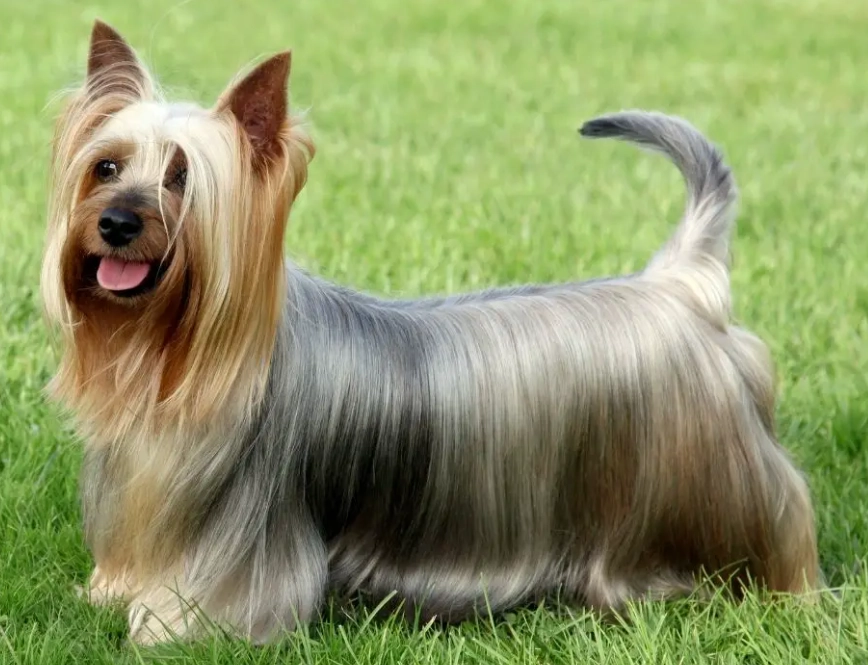
I've been around terriers for over a decade, and I still remember the first time I confidently misidentified a Silky. The owner gently corrected me, and that sent me down a rabbit hole of research. What I found was a story of shared ancestry and deliberate divergence, not confusion.
What We'll Uncover
The Origin Story: From Shared Roots to Separate Paths
This is where the confusion seeds were planted. In the 1800s, British workers brought various small terriers, including the ancestors of the Yorkshire Terrier, to Australia. These dogs were crossed with local Australian terriers (like the Australian Terrier). The goal was to create a dog that was both a good ratter and a handsome companion.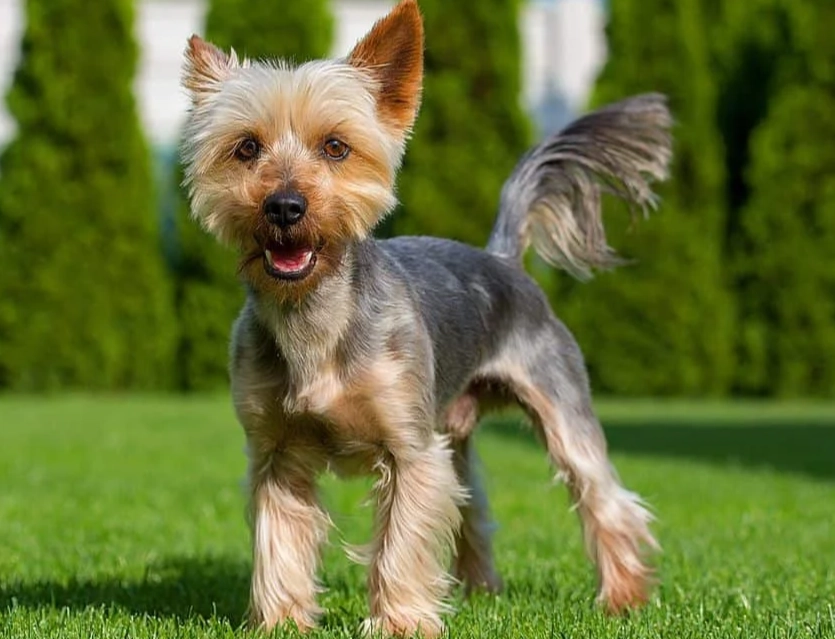
For a while, the resulting dogs were shown as "Australian Yorkshire Terriers" or similar names. But Australian breeders had a different vision. They wanted a dog that retained more of the working terrier build—slightly longer, a bit more substantial—while keeping the beautiful, silky coat. By the early 20th century, they actively bred away from the tiny, fine-boned Yorkie type. The breed was officially named the Australian Silky Terrier in its homeland and simply Silky Terrier in the US. It was a deliberate split, not an accident. The American Kennel Club recognized the Yorkshire Terrier in 1885, but the Silky Terrier didn't get its official recognition until 1959. That time gap alone speaks to their separate development.
Key Takeaway: Think of them as cousins, not twins. They share great-grandparents but were raised in different households (England vs. Australia) with different goals (refined companion vs. sturdy companion-ratter).
What Exactly is a Silky Terrier?
The Silky Terrier is often described as a "big dog in a small package," and that's not far off. According to the AKC breed standard, it's a "light-bodied, moderately low set dog." Let's break that down.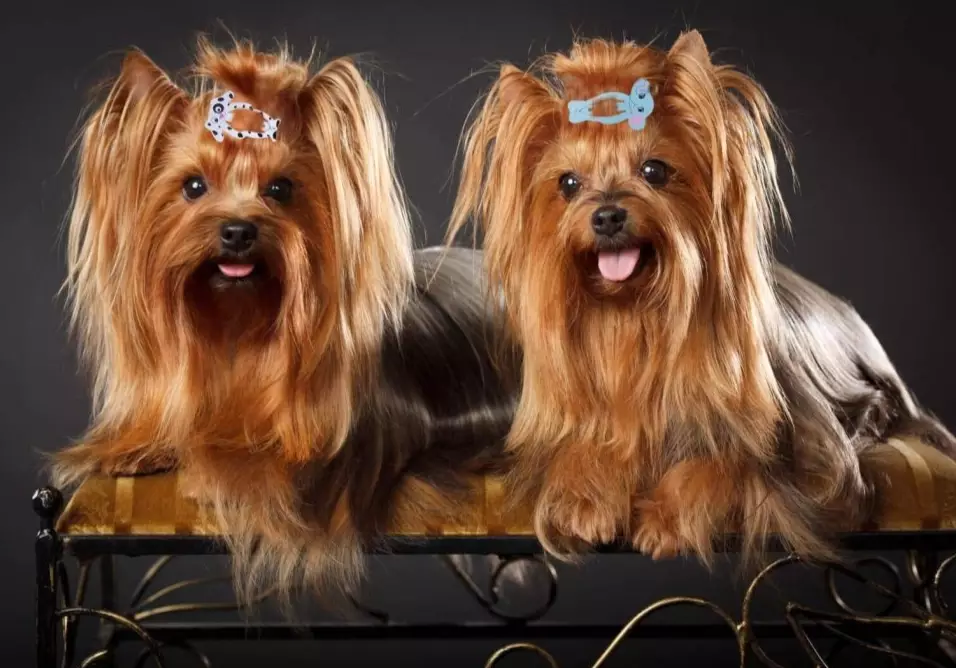
Silky Terrier Appearance: The Details Matter
Size & Build: They stand about 9 to 10 inches at the shoulder. Weight is more telling—typically 8 to 10 pounds. Their body is moderately long (about one-fifth longer than their height), giving them a more rectangular silhouette compared to the Yorkie's more compact squareness. The bone is fine but has more substance. You can feel a sturdier frame.
Coat & Color: The coat is straight, fine, and glossy—the definition of "silky." It parts down the middle from the back of the skull to the tail. A common mistake is thinking it's just like a Yorkie's hair. A well-bred Silky's coat has a specific texture; it's not as prone to the extreme length of a show Yorkie's coat and is often described as "lying close to the body." The color is blue and tan, but the blue can range from slate blue to a silver-blue, and the tan is rich.
Head & Ears: The head is strong and wedge-shaped. The ears are small, V-shaped, and set high. They stand fully erect, which is a major visual cue. Drop ears are a fault in the breed standard.
What Exactly is a Yorkshire Terrier?
The Yorkshire Terrier is the quintessential glamour toy dog. The AKC standard calls for a "long-haired toy terrier." The emphasis is on a compact, balanced, and elegant appearance.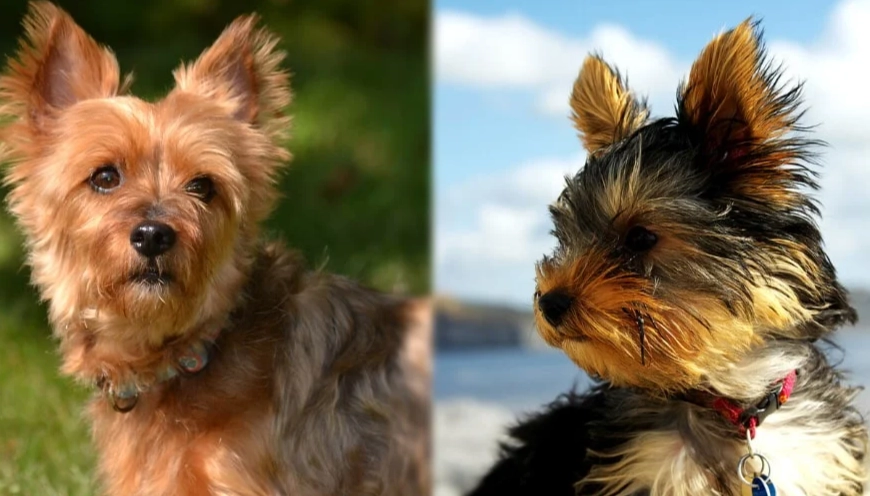
Yorkshire Terrier Appearance: Compact and Glamorous
Size & Build: They are tiny, ideally not exceeding 7 pounds. The body is compact and perfectly proportioned, with the height to length ratio giving a square outline. The back is level. Everything about them suggests fine breeding for companionship.
Coat & Color: This is the Yorkie's crowning glory. The coat is fine, silky, and perfectly straight. It's grown to floor length for the show ring, though most pet owners opt for a practical "puppy cut." The color is specific: a dark steel blue (not silver) on the body, with a rich tan on the head, chest, and legs. Puppies are born black and tan, and the color changes as they mature—a process that can take 2-3 years.
Head & Ears: The head is small and flat on top. The ears are small, V-shaped, and carried erect or semi-erect. Fully dropped ears are not correct. The expression is often described as keen and intelligent.
Side-by-Side: A Detailed Comparison Table
| Feature | Silky Terrier | Yorkshire Terrier |
|---|---|---|
| Origin | Australia (developed from Yorkshire Terrier & Australian Terrier crosses) | England (Yorkshire and Lancashire counties) |
| AKC Group | Toy Group | Toy Group |
| Average Weight | 8-10 lbs (3.6-4.5 kg) | 4-7 lbs (1.8-3.2 kg) |
| Body Proportion | Moderately long (rectangular) | Compact and square |
| Coat Texture | Straight, fine, silky, "lying close" | Straight, fine, silky, glossy, grown very long |
| Ear Carriage | Always fully erect | Erect or semi-erect |
| Primary Temperament | Alert, inquisitive, spirited, more "terrier-like" (higher prey drive) | Affectionate, sprightly, confident, can be more "lapdog" oriented |
| Barking Tendency | High (excellent watchdogs, very vocal) | Moderate to High (alert barkers) |
| Grooming Commitment (Pet Clip) | Moderate-High (weekly brushing, regular trims) | High (daily brushing to prevent mats, regular trims) |
The Temperament Truth: Beyond the Lapdog Stereotype
This is where the rubber meets the road. Both are terriers, which means they share a core of intelligence, confidence, and a touch of stubbornness. But the expression differs.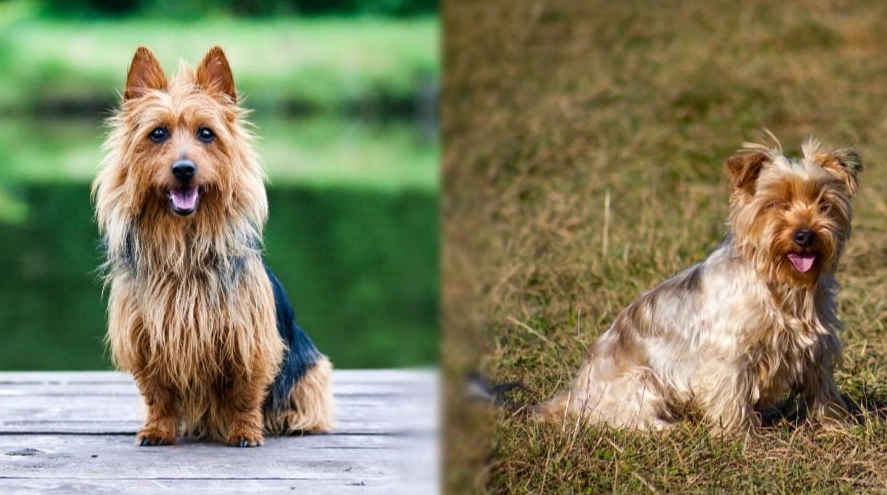
The Silky Terrier Temperament: Don't let the name fool you—"Silky" refers to the coat, not the personality. They are true terriers. I've seen Silkys who are more focused on a squirrel in a tree than on their owner's recall command. They are feisty, curious, and energetic. They make fantastic watchdogs because nothing escapes their notice, and they have a surprisingly loud, authoritative bark for their size. They can be more independent than Yorkies. They enjoy affection but on their own terms and after a good play session. They need consistent, firm (but kind) training to channel their intelligence and prevent small dog syndrome.
The Yorkshire Terrier Temperament: Yorkies are also brave and spirited, but they have been selectively bred for companionship over a longer period. This often results in a dog that is more overtly affectionate and clingy with its family. They are lapdogs who also have terrier spunk. They can be just as alert and yappy as a Silky, but their drive to hunt and dig is often (not always) slightly less intense. They are notoriously clever and can be manipulative if you let them. They thrive on attention and can suffer from separation anxiety if not trained for independence.
A subtle point most guides miss: Yorkies, due to their extreme popularity, have a wider range of temperaments based on breeding lines. You can find poorly-bred, nervous Yorkies more easily than poorly-bred Silkys, simply because of the volume of breeders. Always, always meet the puppy's parents.
Care, Grooming & Real-World Costs
Let's talk about the daily reality of owning one of these dogs.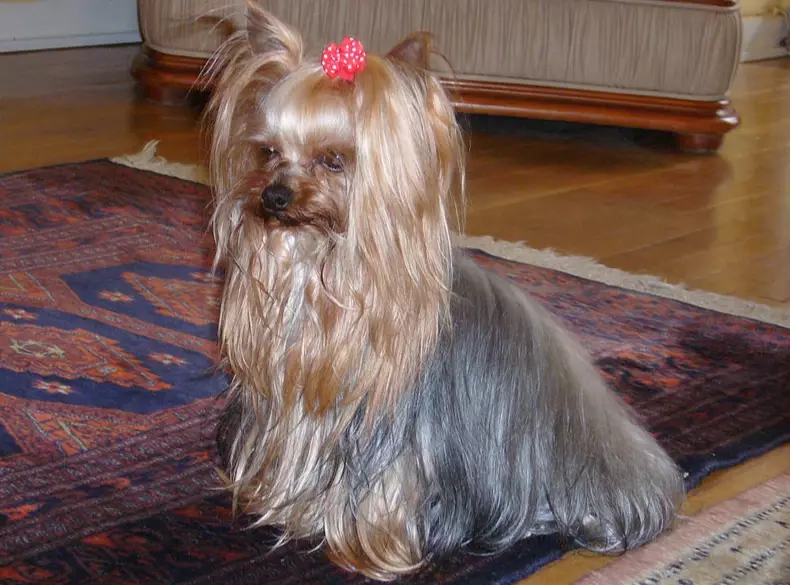
Grooming: It's Not Just About Looks
Both breeds require significant grooming. Their hair grows continuously and tangles easily.
Yorkie Grooming: If you keep a Yorkie in a full coat, you're looking at daily brushing with a slicker brush and comb to prevent painful mats, especially behind the ears and under the legs. Most owners use a professional groomer every 4-6 weeks for a sanitary trim, face trim, and a full-body "puppy cut" or "teddy bear cut." This is non-negotiable unless you want a matted, uncomfortable dog.
Silky Terrier Grooming: The Silky's coat, while silky, is often a bit more forgiving. It's meant to be shorter (about 5-6 inches long) and lies closer. You still need thorough brushing 2-3 times a week. They also need regular trims to maintain the characteristic outline. Their grooming is slightly less intense than a full-coated Yorkie's, but it's still a major commitment.
Exercise & Training Needs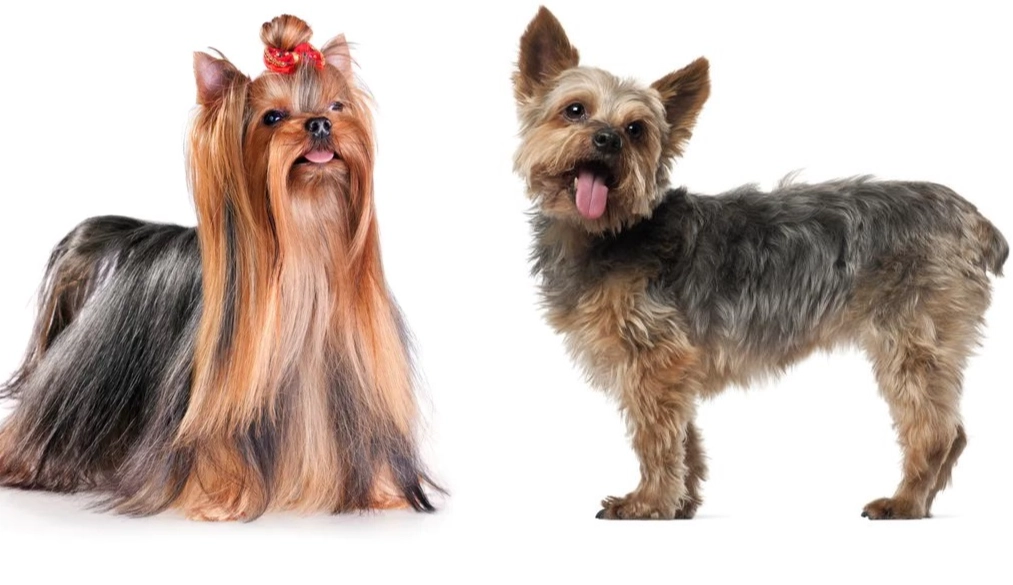
Both need daily mental and physical stimulation. A 20-30 minute walk plus playtime is a good baseline. The Silky often has more stamina and may enjoy longer adventures. Both excel in dog sports like agility or rally obedience—it's a great way to burn their smart, energetic brains.
Training requires patience. They are smart and learn quickly, but they also get bored quickly. Use positive reinforcement (treats, praise) and keep sessions short and fun. Harsh methods will backfire spectacularly.
Cost Breakdown (Approximate)
This is where people get shocked. From a reputable breeder, both breeds can be expensive due to their popularity and grooming needs.
- Purchase Price: $1,200 - $3,000+ for a pet-quality puppy from a health-tested, ethical breeder. Yorkies often command a premium at the higher end.
- Annual Grooming: $600 - $1,200+ (assuming professional grooming every 4-6 weeks).
- Annual Vet Care (Basics): $400 - $800, excluding emergencies. Dental care is a significant, recurring cost for both breeds.
- Food & Supplies: $300 - $600.
Adoption is also an option. Breed-specific rescues sometimes have adult dogs needing homes, often at a lower cost.
How to Decide: Silky Terrier or Yorkie?
Stop looking just at pictures. Ask yourself these questions: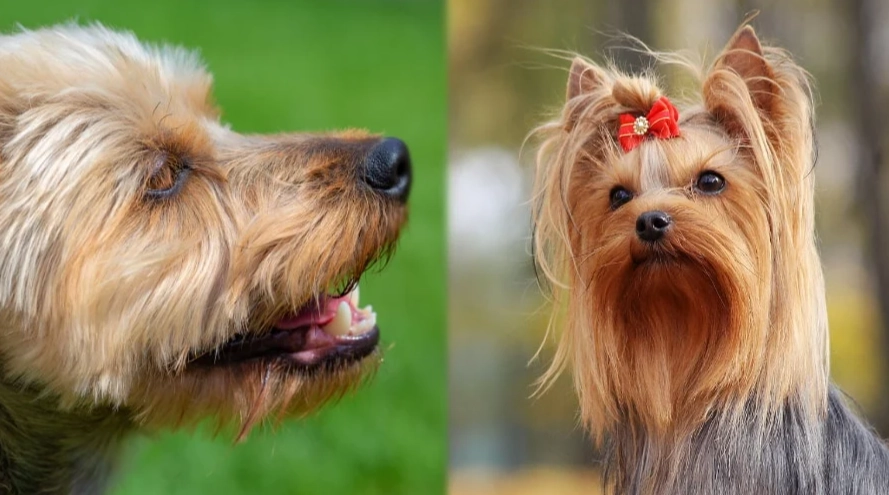
Choose a Silky Terrier if: You want a sturdier, slightly larger small dog with a more pronounced terrier attitude. You can provide consistent training, don't mind a more vocal watchdog, and want a dog that's playful and inquisitive. You're okay with high grooming needs but perhaps slightly less intense than a full-coated Yorkie.
Choose a Yorkshire Terrier if: You are captivated by the classic, glamorous look (even in a short clip) and want a tiny, portable companion that is often extremely affectionate and bonded to you. You are committed to rigorous, near-daily grooming or the expense of a groomer. You can manage potential separation anxiety and want a dog that thrives on constant companionship.
The final, non-negotiable step? Meet them in person. Contact reputable breeders (AKC Marketplace is a start, but do deep research) or breed clubs. Spend time with adult dogs of both breeds. See which personality vibes with your lifestyle. That interaction will tell you more than any article ever could.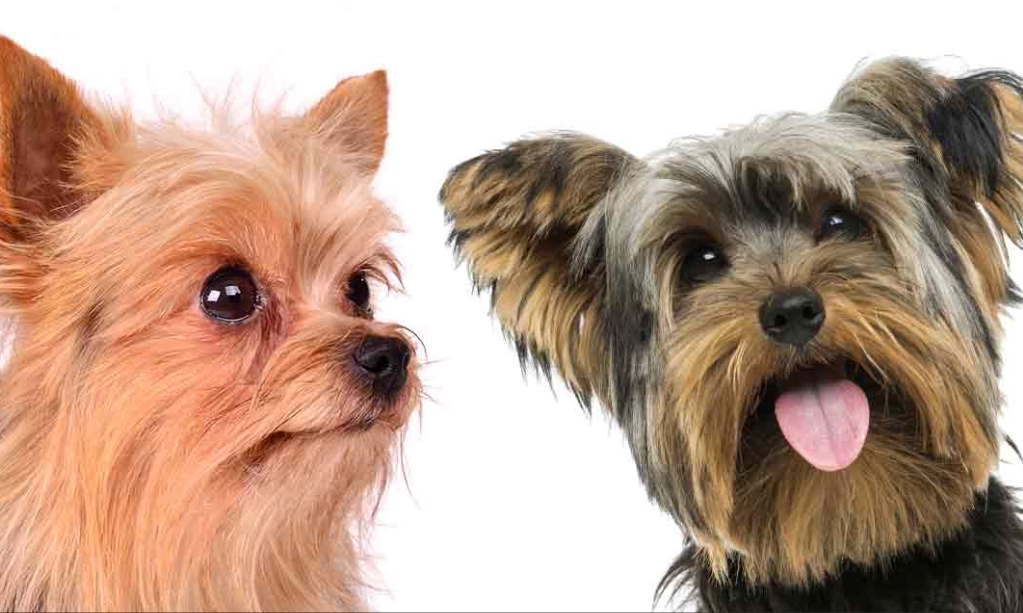
Reader Comments