Let's cut straight to the point. If you're looking at an Australian Shepherd and wondering about the fur situation, the short answer is yes, they shed. A lot. But that's only half the story, and frankly, it's the half that scares people away without giving them the full picture. I've lived with Aussies for over a decade, and the shedding is a reality, but it's a manageable one. The real question isn't just "do they shed?" but "how can I live with it without losing my mind or my security deposit?" That's what we're going to unpack.
What You'll Find in This Guide
- How Much Do Australian Shepherds Actually Shed?
- The Australian Shepherd Double Coat: Why It Sheds
- Your Grooming Arsenal: Tools That Actually Work
- A Step-by-Step Grooming Routine Breakdown
- Can Diet Reduce Shedding? What the Science Says
- Living with an Aussie and Allergies: Practical Solutions
- Your Burning Aussie Shedding Questions Answered
How Much Do Australian Shepherds Actually Shed?
On a scale from 1 (Hairless) to 10 (Living Tumblweed), Australian Shepherds are a solid 8. They are moderate to heavy shedders year-round. But here's the critical nuance everyone misses: it's not a constant, steady trickle. It's seasonal and event-driven.
Think of it in phases: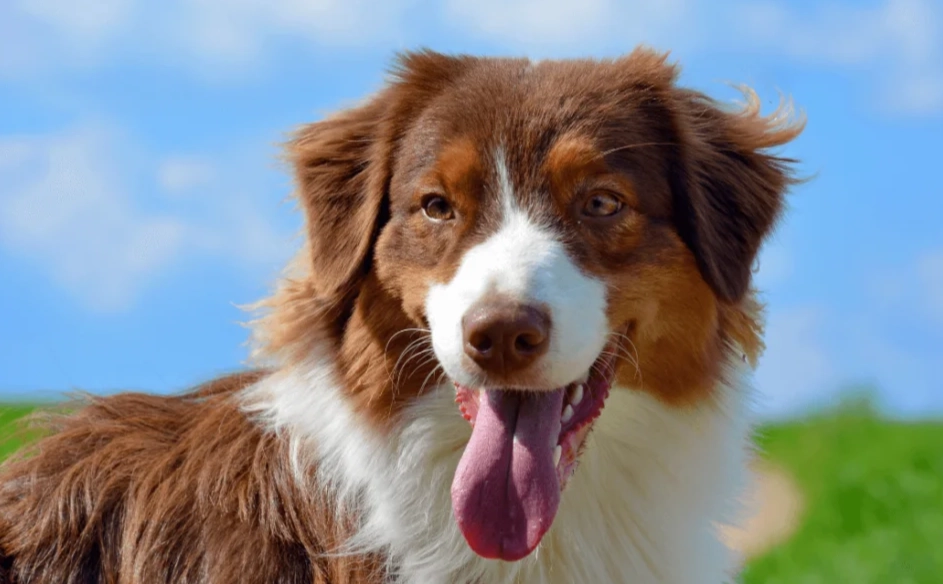
The "Background Noise" Phase (Most of the Year): You'll find some hair on your clothes, your couch, maybe floating in a sunbeam. It's noticeable, but with a good weekly brush-down, it's comparable to many other double-coated breeds. You'll need to run a robot vacuum every other day.
The "Blowing Coat" Apocalypse (Spring & Fall): This is what gives Aussies their shedding reputation. Twice a year, typically as the seasons change, they "blow" their undercoat. For 2-4 weeks, it will seem like you could build a second dog out of the fur coming off them. Clumps come out in your hands during petting. It's intense. This is when novice owners panic and make the biggest mistake: reaching for the clippers.
I remember the first spring with my male Aussie, Kai. I brushed him on the patio and filled a grocery bag with soft, gray undercoat. My neighbor joked I was shearing a sheep. It was shocking, but knowing it was temporary and normal kept me from doing anything drastic.
The Australian Shepherd Double Coat: Why It Sheds
You can't manage what you don't understand. The Aussie's coat isn't just for looks; it's a sophisticated climate-control system.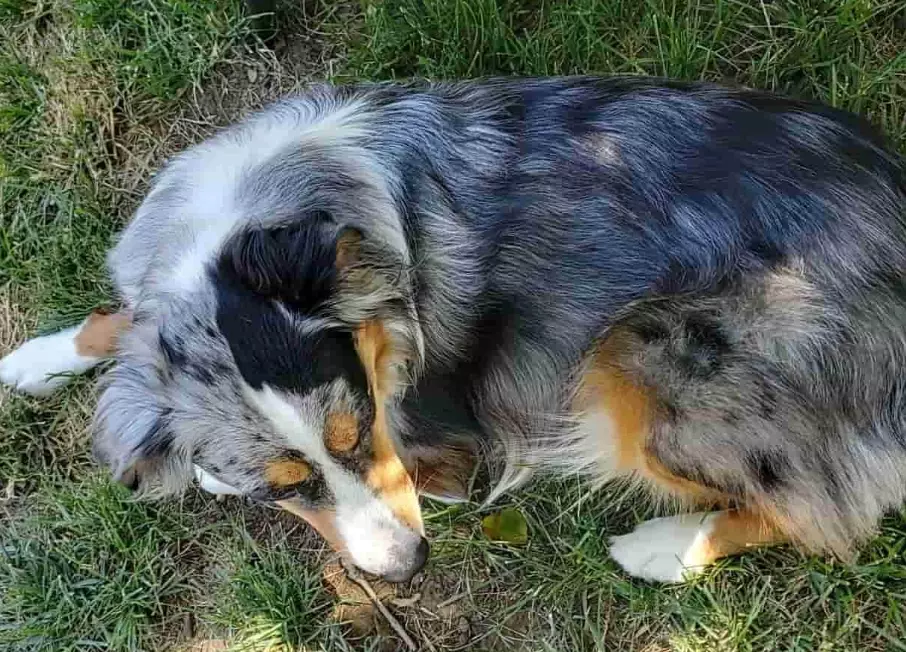
- Topcoat (Guard Hairs): Long, water-resistant, and coarse. This layer protects from sun, wind, rain, and brambles. It sheds minimally and slowly.
- Undercoat: Short, dense, and incredibly soft wool-like fur. This is the insulator. It traps air to keep them warm in winter. In summer, it's actually what keeps them cool by insulating against external heat. This is the stuff that comes out in handfuls.
Shedding is the process of renewing this system. Old, dead undercoat is pushed out to make way for a new layer suited to the upcoming season. It's a sign of a healthy coat. A lack of shedding can sometimes indicate health or dietary issues.
Common Misconception Alert: Many think a shorthaired dog sheds less. Often, the opposite is true. The undercoat of a double-coated breed like an Aussie tends to stick together in clumps, making it easier to gather with a brush. The short, single hairs of a Labrador Retriever or Doberman are needle-like and embed themselves into fabrics much more stubbornly.
Your Grooming Arsenal: Tools That Actually Work
Using the wrong brush is like trying to mow your lawn with scissors. Here’s the toolkit that will save your sanity, ranked by importance.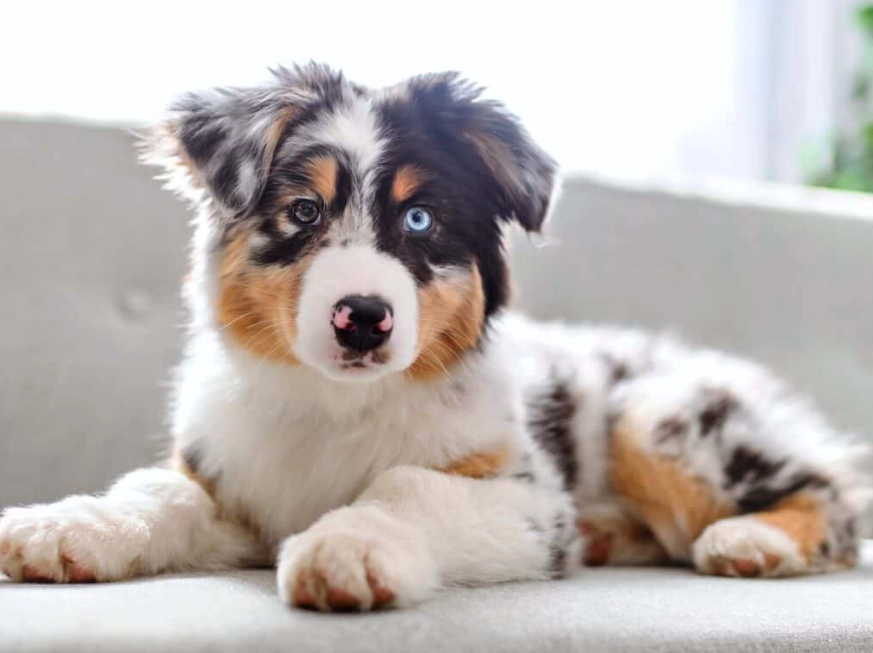
1. The Undercoat Rake (The MVP): This is not a optional tool. It has long, widely spaced teeth designed to glide through the topcoat and gently pull out the loose undercoat without damaging the guard hairs. During the blow-out season, this is your primary weapon. Get one with rotating teeth for extra comfort.
2. A High-Quality Slicker Brush: After the rake, the slicker brush picks up the remaining loose hair and helps prevent mats, especially in the feathering behind the legs and ears. Look for one with fine, bent wires and a protective tip.
3. A Sturdy Metal Comb: This is your diagnostic tool. After brushing, run the comb through, especially in high-friction areas (behind ears, armpits, under the collar). If it snags, you've found a mat that needs gentle detangling. A comb should glide through a properly brushed coat.
4. A Deshedding Tool (Like a Furminator): Use with extreme caution. These tools have a blade that cuts hair. Used too aggressively or too often, they can thin out the protective topcoat. I use one only for a final pass during peak shedding, maybe once a month, and never as my main brush.
What to Avoid: Cheap plastic brushes with sharp pins. They scratch the skin and don't penetrate the dense undercoat. They just tidy the surface, leaving all the problem hair underneath.
A Step-by-Step Grooming Routine Breakdown
Here’s exactly what I do, tailored to the shedding cycle.
During Normal Shedding (Weekly Session, 20-30 mins)
Start on a dry coat. Work in sections, starting from the neck and moving back. Use the undercoat rake with gentle, long strokes in the direction of hair growth. Don't press too hard. You're not scraping paint. Follow up with the slicker brush, then do the "comb test." Finish with a treat. This weekly habit prevents the undercoat from becoming compacted, which is a primary cause of heavy shedding and mats.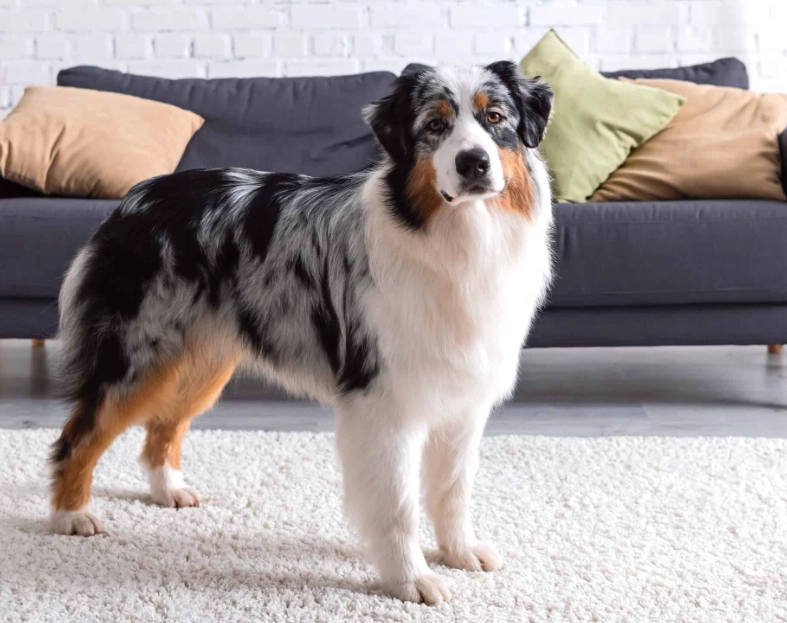
During the "Blow-Out" (Every Other Day, 30+ mins)
The game changes. You're in damage control. Do this outside if possible. Use the undercoat rake more thoroughly—you'll see clouds of undercoat coming loose. It's satisfying. After the rake and slicker, you can do a careful pass with the deshedding tool. Here's a pro tip: give them a bath mid-way through the blow-out cycle. Use a moisturizing shampoo and conditioner, and while the conditioner is in, use a rubber grooming glove or your hands to massage and pull out loose undercoat. Rinsing will wash away an astounding amount of hair before it hits your floor.
Can Diet Reduce Shedding? What the Science Says
Grooming addresses the symptom; diet addresses the cause. A poor diet leads to poor skin and coat health, which can exacerbate shedding.
The goal is a diet rich in high-quality animal protein and, most importantly, Omega-3 and Omega-6 fatty acids. These are the building blocks of healthy skin and a strong, resilient coat. Look for foods that list fish oil, salmon, flaxseed, or other specific fat sources.
I saw a noticeable difference when I switched my Aussie to a food higher in fish-based Omega-3s. The coat became softer and had more shine, and while he still shed, the individual hairs seemed stronger and less brittle. Anecdotal? Maybe. But the link between essential fatty acids and skin health is well-documented by sources like the Cummings School of Veterinary Medicine at Tufts University.
Consider a high-quality fish oil supplement if your dog's food is lacking. Always talk to your vet before adding supplements.
Living with an Aussie and Allergies: Practical Solutions
Aussies are not hypoallergenic. They shed dander (skin flakes), which is the most common allergen. If you or a family member has allergies, getting an Aussie is a calculated risk. But it's not impossible.
1. The Grooming Imperative: This is non-negotiable. More frequent brushing (2-3 times a week) captures dander and hair before it becomes airborne. You should do the brushing, not an allergic person. Do it outside or in a contained, easy-to-clean area like a bathroom.
2. Create Dog-Free Zones: The bedroom should be a sanctuary. Keeping the dog out of the sleeping area gives the allergic person 8 hours of reduced exposure, which can make all the difference.
3. Air Purification is Key: Invest in a true HEPA air purifier for the main living area and bedroom. It captures airborne dander and hair. Run it continuously on a low setting.
4. Strategic Cleaning: Use a vacuum with a HEPA filter. Damp-mop hard floors weekly. Choose furniture and bedding that is easy to wipe down or wash. Leather or vinyl couches are better than fabric.
It's about creating a system, not just hoping for the best. I have a friend with mild allergies who lives happily with her Aussie by sticking rigidly to these rules—especially the "no dogs on the bed" one.
Your Burning Aussie Shedding Questions Answered
 The bottom line on Australian Shepherd shedding is this: it's a commitment, not a deal-breaker. You're signing up for regular grooming sessions and a bit of extra housework. But in return, you get a loyal, brilliant, and active companion. The fur is just part of the package—a fluffy, sometimes overwhelming, but ultimately manageable part. With the right tools, routine, and mindset, you can enjoy life with your Aussie without being buried in hair.
Reader Comments