What You'll Learn in This Guide
Let's cut to the chase: Australian Shepherds can be cuddle dogs, but it's not a given. If you're picturing a lazy lapdog, you might be disappointed. These dogs are smart, energetic, and bred for herding, which shapes their affection style. I've owned Aussies for over a decade, and my current dog, Max, taught me that cuddling is a learned behavior for many of them. In this article, I'll break down why some Aussies snuggle up while others stay aloof, and share practical tips to foster that bond.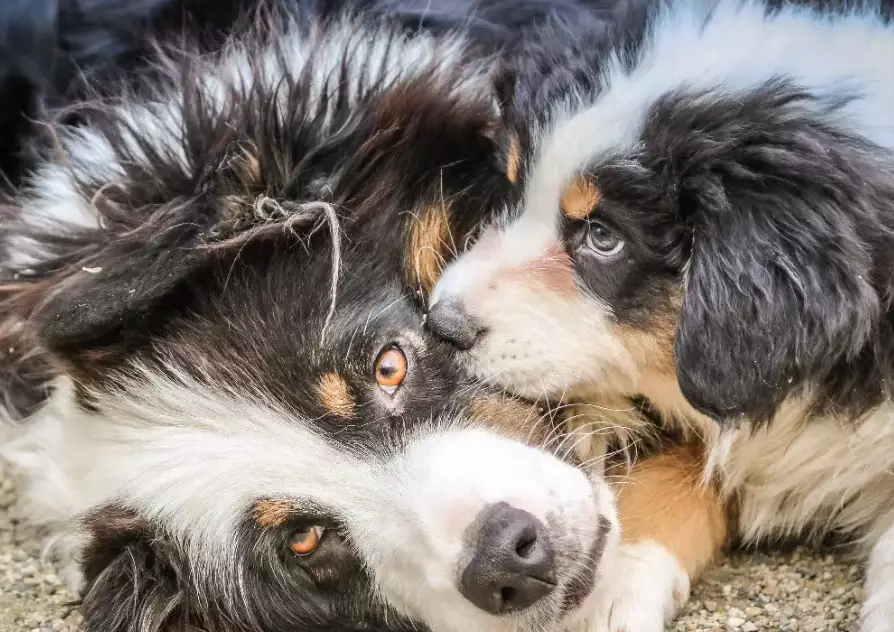
Understanding Australian Shepherd Temperament
Australian Shepherds, or Aussies, aren't your average couch potatoes. Originating as working dogs on ranches, they've got brains and brawn. The American Kennel Club notes their high intelligence and energy—traits that can make them both amazing companions and challenging cuddle buddies. Think of them as the overachievers of the dog world: always on, always thinking.
Intelligence and Energy Levels
Their smarts mean they get bored easily. A bored Aussie is a destructive Aussie, not a cuddly one. They need jobs, whether it's herding sheep, playing fetch, or learning tricks. I've seen dogs chew furniture out of sheer boredom when left alone too long. Energy-wise, they require at least 60-90 minutes of vigorous exercise daily. Without it, they're too wound up to relax into a hug.
Herding Instincts and Affection
Herding instinct drives them to nip and circle, which can interfere with cuddling. They might herd kids or other pets instead of settling down. But this same drive makes them loyal and attentive. They often show affection by staying close, watching you, or leaning against your leg—subtle signs that new owners miss. It's not always the full-body snuggle you see in movies.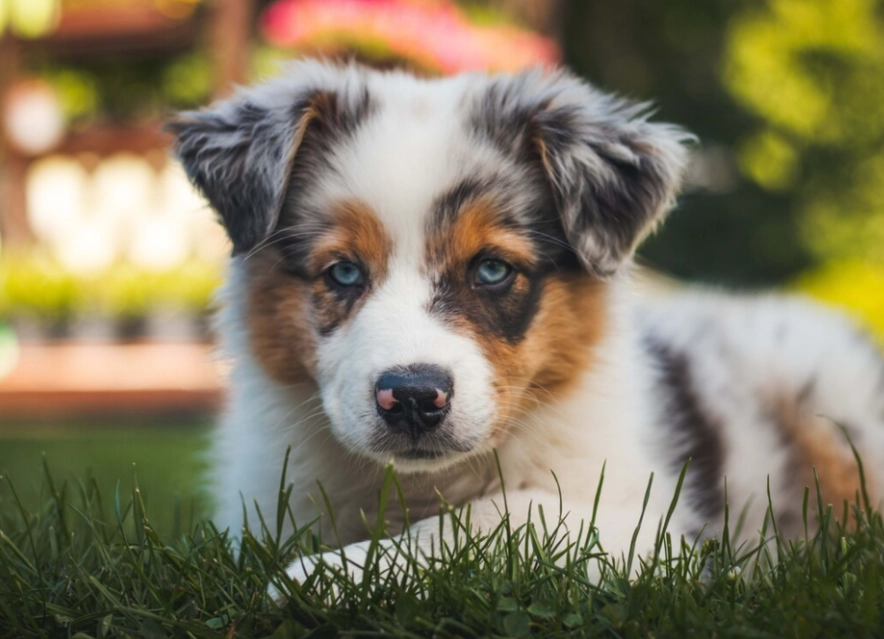
What Makes a Dog a Cuddle Dog?
Cuddling isn't just about breed; it's about individual personality and upbringing. Factors like socialization, training, and environment play huge roles. A study from the University of Bristol suggests that dogs' affectionate behaviors are linked to early experiences and owner interaction. For Aussies, here's what matters:
- Socialization: Puppies exposed to gentle handling and varied people tend to be more comfortable with touch later. Miss this window, and they might be skittish.
- Training: Dogs taught to settle on command are more likely to enjoy quiet time. Aussies respond well to positive reinforcement.
- Energy management: A tired dog is a cuddly dog. It's that simple. Without proper outlets, their restlessness overrides affection.
- Owner attitude: If you're anxious or forceful, your dog picks up on it. Calm, patient owners see better results.
I've met Aussies who adore cuddling after a long hike, and others who tolerate it only on their terms. It's a spectrum, not a yes-no answer.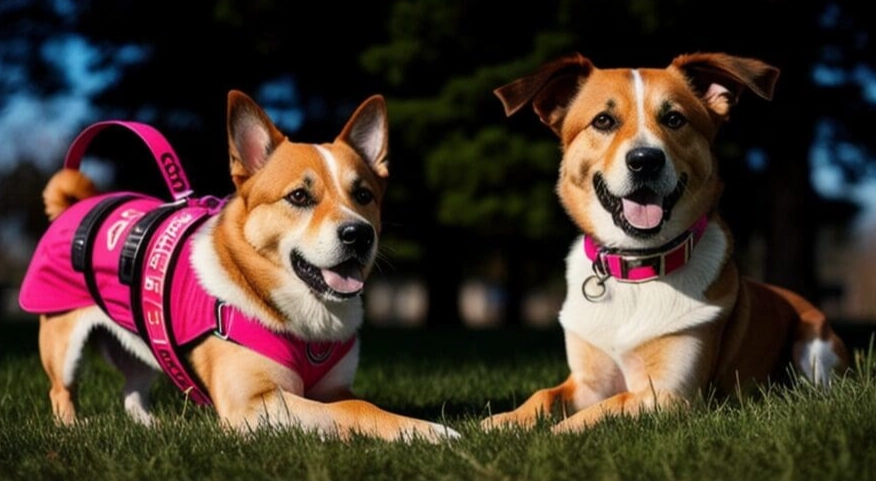
How to Encourage Your Australian Shepherd to Cuddle
Want more snuggles? It takes work. Here's a step-by-step approach based on my experience and advice from trainers like those at the Australian Shepherd Club of America.
Training Tips for More Snuggles
Start small. Use a cue like "settle" when your dog is calm, and reward with treats. Gradually increase the time. Never force them into your lap—that builds resistance. Instead, invite them up with a toy or treat, and keep sessions short, maybe 5 minutes at first. Consistency is key. I trained Max by doing this every evening after our run, and now he jumps on the couch voluntarily.
Creating a Calm Environment
Aussies are sensitive to chaos. A noisy home with kids running around might trigger their herding mode. Designate a quiet spot for cuddles, like a cozy corner with a blanket. Use calming scents like lavender (dog-safe ones) or play soft music. I've found that reducing stimuli helps them switch off from work mode to love mode.
Pro tip from a veteran owner: Many people mistake Aussies' aloofness for dislike. They often show affection through proximity—sitting at your feet, following you room to room. Recognize these signs as their version of cuddling, and you'll feel more connected without pushing for more.
My Aussie's Cuddle Journey: A Personal Take
When I got Max as a puppy, he was all energy, zero cuddle. He'd zoom around, ignore laps, and sleep alone. I thought I'd made a mistake choosing an Aussie for companionship. But after six months of consistent training and exercise, things changed. We started agility classes, which drained his energy, and I introduced "cuddle time" post-workout. At first, he'd last 30 seconds before squirming. Now, at age four, he'll curl up for an hour during movie nights. It wasn't instant, and there were days I felt frustrated—like when he'd rather herd squirrels than sit with me. But patience paid off. His cuddles feel earned, not automatic, which makes them sweeter.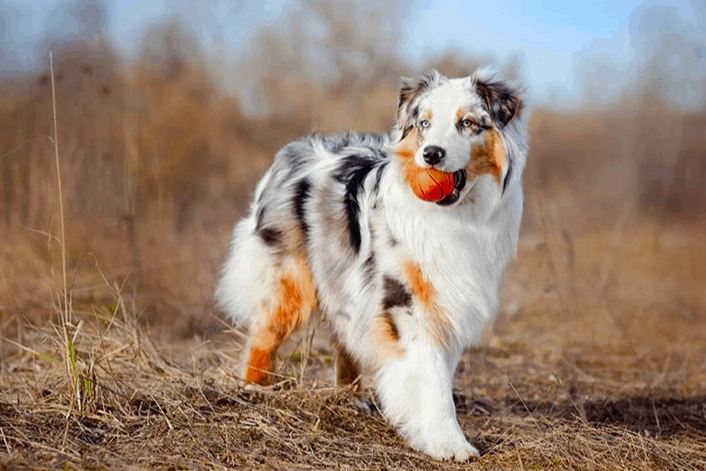
Not all Aussies will turn out like Max. I've friends whose dogs never took to cuddling, preferring independence. That's okay. It's about respecting their nature while gently guiding them.
Common Misconceptions About Aussies and Snuggles
Let's bust some myths. First, "all Aussies are cuddle bugs." False. Their herding background means they're often task-oriented, not lap-oriented. Second, "they'll cuddle if you just love them enough." Love helps, but without training and exercise, it's not enough. Third, "older Aussies are always more affectionate." While many mellow with age, some remain energetic into senior years—it depends on health and lifestyle.
Another pitfall: assuming a non-cuddly Aussie is unhappy. They express joy differently, through play or work. I've seen owners feel guilty because their dog doesn't snuggle, but that's projecting human expectations. Appreciate their unique ways.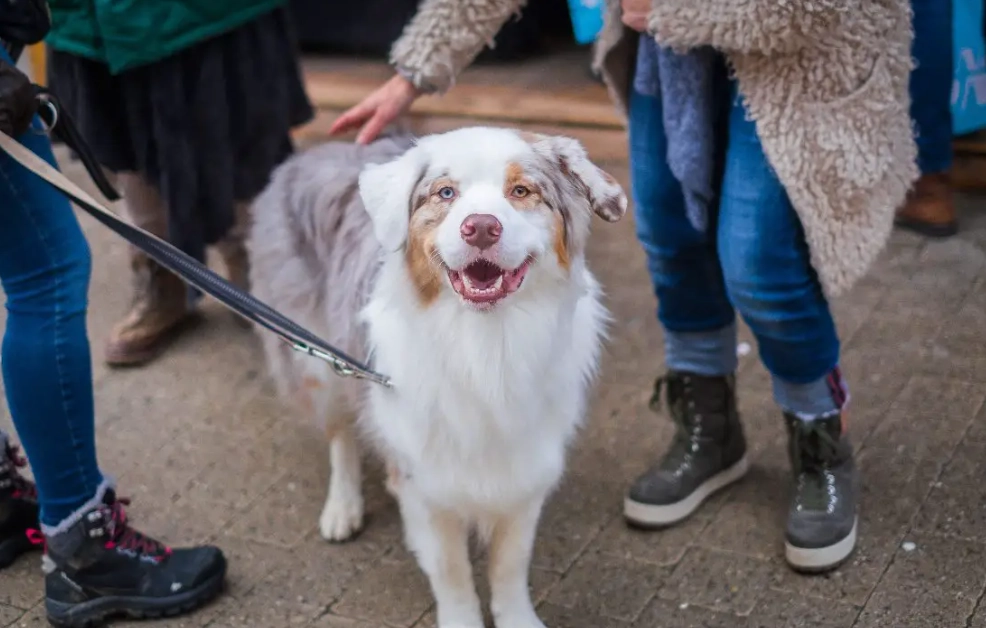
Frequently Asked Questions
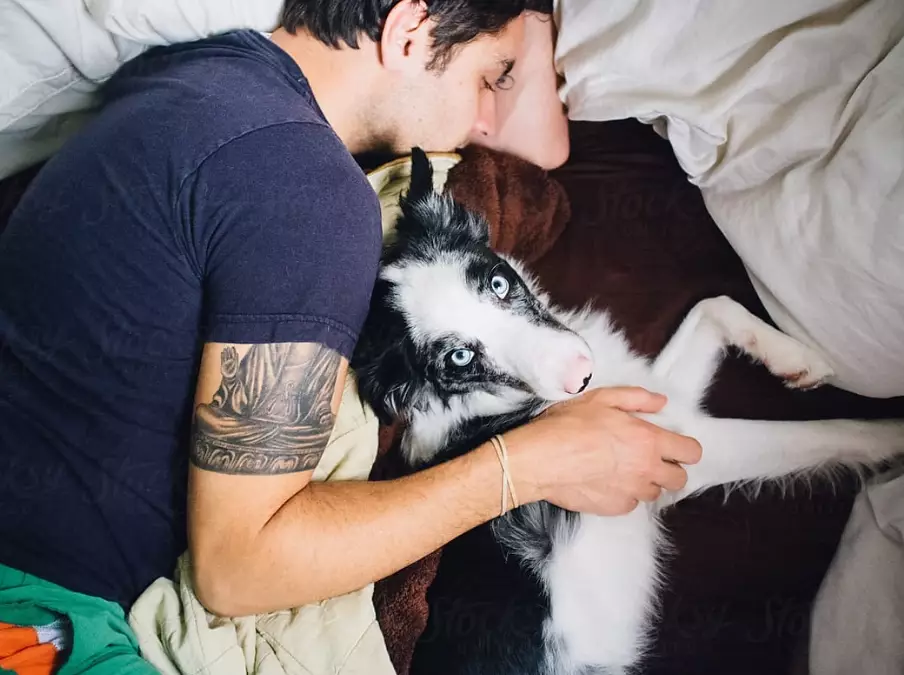 Wrapping up, Australian Shepherds aren't automatic cuddle dogs, but with the right approach, they can become loving snuggle partners. It boils down to understanding their breed traits, investing in training and exercise, and appreciating their individual quirks. If you're willing to put in the effort, the rewards—like Max's loyal hugs—are worth it. Remember, every Aussie is different; embrace the journey rather than forcing an ideal.
Reader Comments