You see a muscular, short-coated dog with a broad head. Is it an American Staffordshire Terrier or a Pitbull? Most people, even some vets, just shrug and say "it's a Pitbull." But if you're thinking about bringing one of these powerful, loyal dogs into your home, the difference matters. It's not just paperwork. It's about history, legal headaches, and finding the right fit for your life. I've worked with both breeds for over a decade, and the confusion isn't harmless—it leads to bad matches and fuels the stigma.
Let's cut through the noise. The core difference is one of registry and breeding goals. The American Staffordshire Terrier (AmStaff) is a breed recognized by the American Kennel Club (AKC), bred for conformation shows and a stable temperament. The "Pitbull" (more accurately the American Pit Bull Terrier or APBT) is primarily recognized by the United Kennel Club (UKC) and historically bred for performance and work. But on the street, they're often lumped together.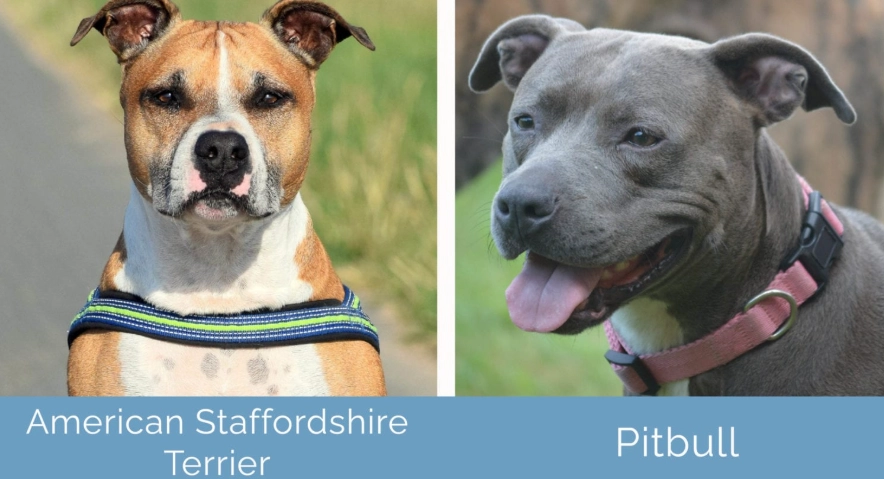
What You'll Discover
Where They Came From: A Shared but Diverging Past
Both dogs share ancestors from 19th-century England: bulldogs crossed with terriers to create a "bull-and-terrier" for bull-baiting and, later, dogfighting. When these sports were outlawed, immigrants brought these dogs to America where they became farm dogs, guardians, and family companions.
Here's where the paths split. In the early 1930s, a group of breeders wanted their dogs recognized by the prestigious American Kennel Club. The AKC, wanting distance from the "pit fighting" past, registered them as Staffordshire Terriers (the "American" was added in 1972). These breeders selectively bred for a slightly stockier, more uniform look suitable for the show ring.
The dogs that continued to be bred for working ability, gameness, and agility—often through the United Kennel Club, founded in 1898—kept the original name: American Pit Bull Terrier. The UKC, unlike the AKC, never shied away from the breed's history. This divergence in breeding focus—show vs. performance—is the root of all the physical and temperamental nuances we see today.
It's a classic case of form versus function, though both breeds retained a deep love for people.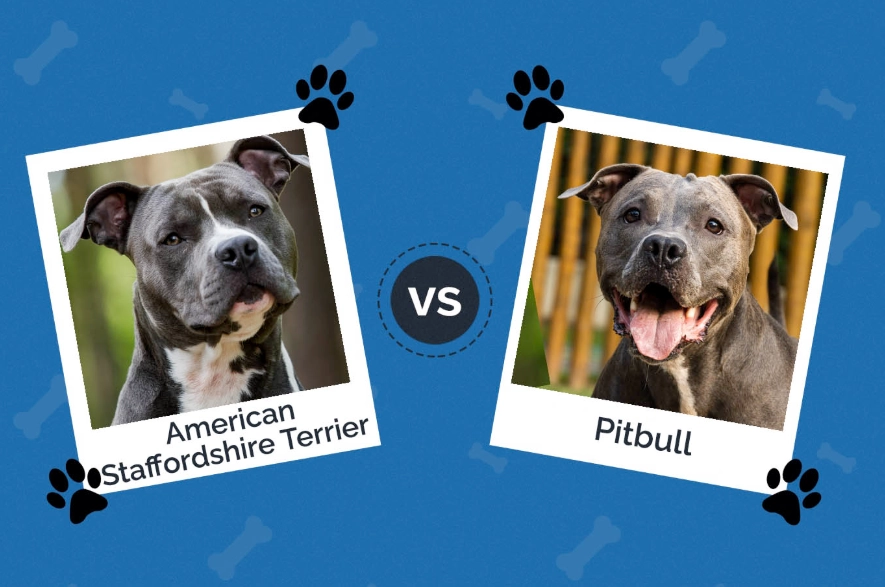
Looks & Build: Spotting the Subtle Clues
Put an AKC AmStaff champion next to a UKC APBT game-bred dog, and you'll see it. Put two random pet dogs from the shelter side by side, and it gets muddy. Breed lines have been mixed for decades.
Generally, the American Staffordshire Terrier adheres to a stricter breed standard. They tend to be heavier for their height, with a broader chest and more pronounced cheek muscles. The AKC standard calls for a height of 17-19 inches at the shoulder and weight proportional to height. In practice, males often push 70-80 pounds. Their head is blockier.
The American Pit Bull Terrier is often described as more athletic and streamlined. They're typically lighter-boned, with a more tapered waist and longer legs relative to their body. They look like they're built for running and jumping, not just power. The UKC standard emphasizes proportionality and agility, not a specific weight. Many are in the 30-60 pound range, making them surprisingly medium-sized.
| Feature | American Staffordshire Terrier (AKC) | American Pit Bull Terrier (UKC) |
|---|---|---|
| Primary Registry | American Kennel Club (AKC) | United Kennel Club (UKC) |
| Breeding Focus | Conformation (Show), Temperament | Performance, Working Ability, Temperament |
| General Build | Stockier, broader, more "powerlifter" | Leaner, more athletic, more "sprinter" |
| Weight Range (Common) | Often 50-80 lbs | Often 30-60 lbs |
| Head Shape | Broader skull, more pronounced stop | More wedge-shaped, slightly longer muzzle |
| Legal/Insurance View | Usually included in "Pitbull" bans | The archetype for "Pitbull" bans |
But here's the kicker: a poorly bred AmStaff can be scrawny, and a well-bred APBT can be bulky. You can't judge by looks alone, especially with mixed lineage. I've seen shelter dogs labeled "Pitbull mixes" that were dead ringers for the AKC standard, and vice-versa.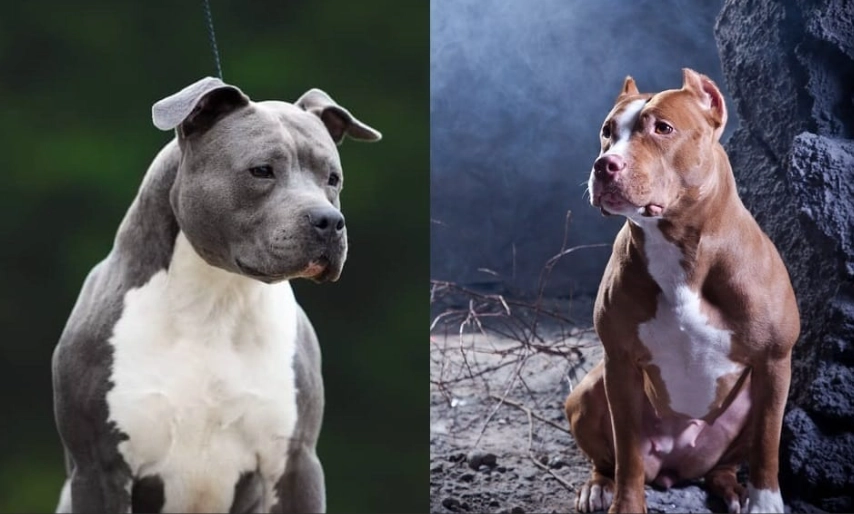
Personality & Temperament: More Than a Label
This is where everyone wants a simple answer. "Which one is nicer?" The frustrating, honest truth is that both breeds, when bred responsibly, share a core temperament: people-oriented, eager to please, intelligent, and energetic. The AKC describes the AmStaff as "keenly alive to its surroundings..." and the UKC says the APBT has "an eagerness to please and an exuberant joy for life."
The potential for difference lies in that historical breeding focus. Because AmStaffs were bred for the show ring and stable temperament around other dogs, some lines may exhibit slightly less dog-on-dog reactivity—emphasis on *may* and *some lines*. The APBT, with its working history, might have a higher prey drive or more intense focus.
But let me be blunt: this is a generalization on thin ice. I've met dog-selective AmStaffs and APBTs that were therapy dogs in cat shelters. The biggest factor is individual temperament, early socialization, and training.
The one non-negotiable for both? They are not "guard dogs" in the traditional aloof, suspicious sense. They are more likely to lick an intruder to death after bringing them a toy. Their weakness is their love for people, which makes poor breeding or abuse so tragic.
The Socialization Must-Do
From weeks 8 to 16, expose your puppy (AmStaff or APBT) to everything: different people, surfaces, sounds, and safe, vaccinated, well-adjusted dogs. This isn't optional. A poorly socialized bully breed is a scared dog in a powerful body, and that's a dangerous combo. Don't just go to the dog park; that's chaos. Arrange calm, controlled playdates.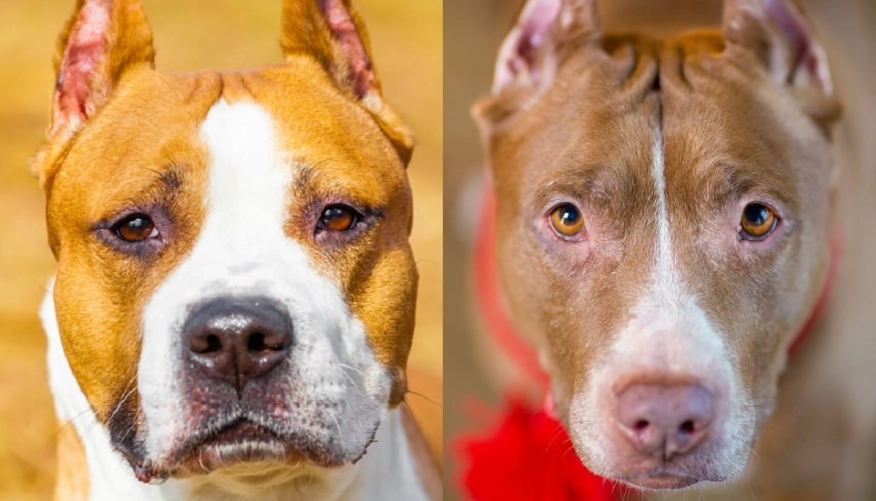
What It's Really Like to Live With One
Forget breed comparisons for a second. Living with any bully breed mix comes with unique realities that nobody talks about enough.
The Stare: You will get looks at the vet, on the street, from neighbors. Some are curious, many are fearful. You become an ambassador, whether you want to be or not. I keep my dog in a heel with a happy "Hello!" ready. It defuses tension.
The Legal Landscape: This is the heaviest burden. Breed-Specific Legislation (BSL) exists in many cities, counties, and even entire countries. It often defines "Pitbull" vaguely, encompassing AmStaffs, APBTs, Staffordshire Bull Terriers, and any mix resembling them. You must check your local laws. Homeowner's or renter's insurance is another hurdle. Many companies have breed restrictions. You need to call and ask, point-blank.
A Personal Note on Insurance: When I bought my house, I had to switch providers because my current one wouldn't cover my AmStaff mix. The new company asked for a photo and a letter from my trainer. It was a hassle, but doable. Don't assume you're covered. Get it in writing.
The Training Commitment: They are smart and strong. A bored bully breed is a destructive bully breed. Basic obedience is the floor, not the ceiling. Think mental stimulation: puzzle toys, nose work, advanced tricks, agility. They need a job. A 20-minute sniff walk is more tiring than an hour of forced marching.
Health Considerations: Both breeds are generally robust but prone to similar issues:
- Hip Dysplasia: Ask breeders for OFA or PennHIP clearance certificates. Don't accept "the parents are fine."
- Skin Allergies: Common. Be prepared for possible food trials or medication.
- Heart Disease: Especially aortic stenosis. A good breeder will have hearts checked.
- Cranial Cruciate Ligament (CCL) Tears: That athletic build puts stress on knees. Keep them at a lean weight.
Making the Choice: Which Dog is For You?
So, which one should you get? If you're looking for a show prospect or want the predictability (relatively) of an AKC breed standard, an AmStaff from a reputable breeder who prioritizes health and temperament is the path. Expect to pay $1,500 to $3,000+.
If you're interested in dog sports like weight pull, agility, or dock diving, and value that historical working drive, a well-bred APBT from UKC-focused lines might be your match.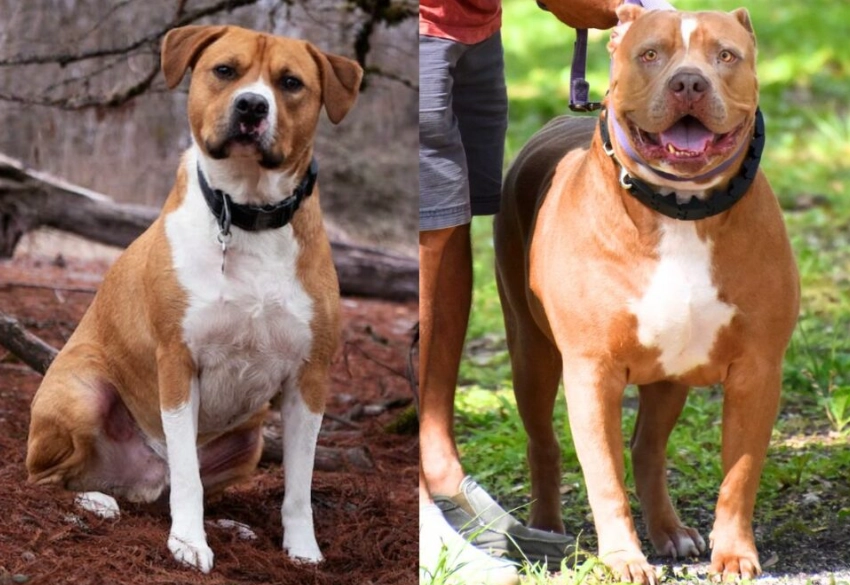
For 95% of families, the best choice is neither from a breeder. It's a mixed-breed dog from a shelter or rescue. Why? The individual dog's personality is known. Rescues often foster dogs in homes, so they can tell you if the dog is good with cats, kids, or other dogs. You're saving a life. And you avoid supporting the puppy mills and backyard breeders that fuel the overpopulation and temperament problems plaguing these types of dogs.
Visit a shelter. Don't ask for a breed. Ask for: "A dog-friendly, people-loving, medium-to-high energy dog that's good with kids." You might walk out with a Labrador mix, a shepherd mix, or the perfect bully mix that defies easy labeling.
Your Tough Questions Answered
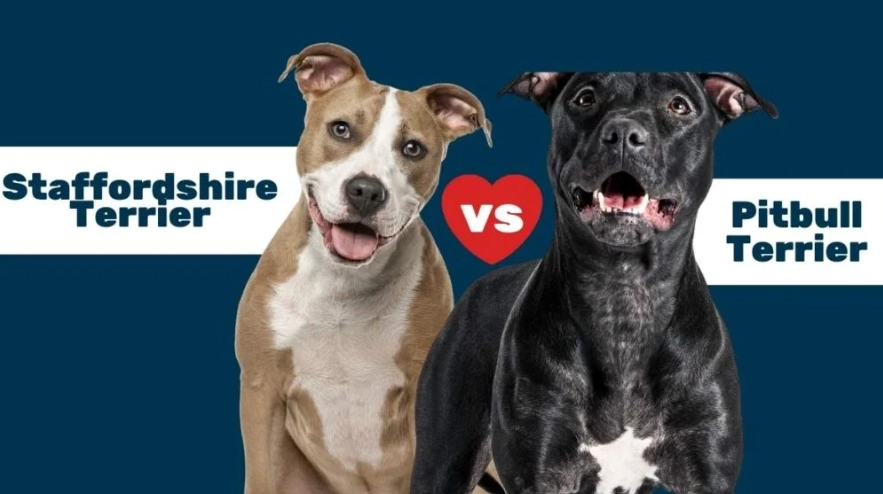 The American Staffordshire Terrier vs Pitbull debate is less about which is a "better" dog and more about understanding history, purpose, and the weight of responsibility that comes with owning a powerful, misunderstood type of dog. Your success hinges not on the breed name, but on your commitment to training, socialization, and advocacy. Choose the individual, not the stereotype. And always, always consider rescue.
Reader Comments