Let's talk about your American Staffordshire Terrier's weight. It's not just a number on a scale. For this powerful, muscular breed, weight is a direct window into their health, happiness, and longevity. I've seen too many AmStaffs carrying an extra 10 or 15 pounds, their owners brushing it off as "just solid." But that extra weight is a silent stressor on joints, a burden on the heart, and a thief of their energetic spirit.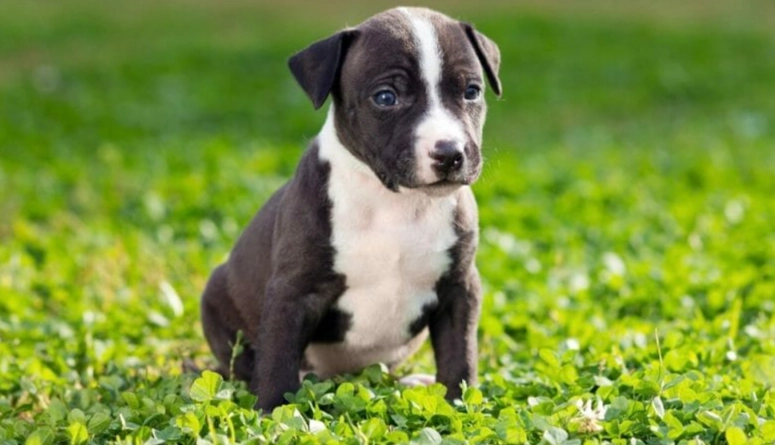
Getting it right matters.
Quick Navigation: What's in This Guide
- Why a Few Pounds Make a Huge Difference
- The American Staffordshire Terrier Weight Range: Beyond the Numbers
- Your Best Tool: The Body Condition Score (BCS)
- What Really Determines Your AmStaff's Weight?
- Feeding for a Fit Physique: A Practical Diet Plan
- Building Muscle, Not Fat: The AmStaff Exercise Routine
- Your Weight Management Questions Answered
Why a Few Pounds Make a Huge Difference
Think of it as engineering. The American Staffordshire Terrier is a precision-built athlete. Their broad chest, powerful shoulders, and sturdy frame are designed for strength and agility. Adding excess fat is like bolting lead weights to a race car. It changes the entire dynamics.
A study cited by the Association for Pet Obesity Prevention consistently finds over 50% of dogs are overweight. For AmStaffs, the risks are amplified. That extra weight presses down on already stress-prone joints (hips, elbows), dramatically increasing the risk and severity of arthritis. It forces the heart and lungs to work harder. It can contribute to breathing issues, especially in dogs with a broader head. It even increases surgical and anesthetic risks.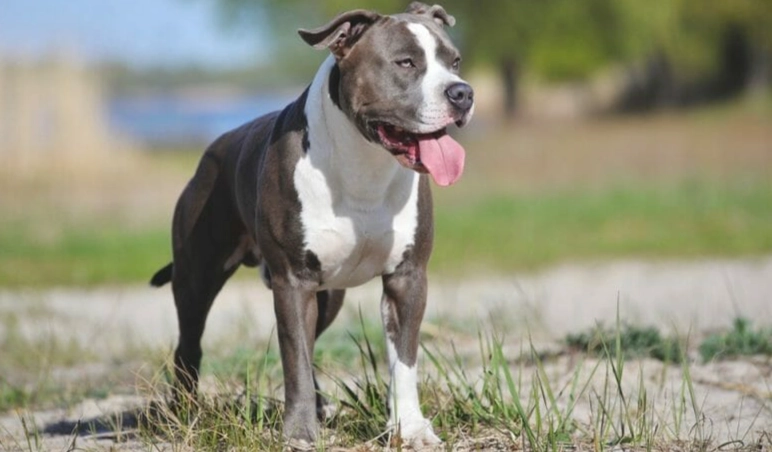
But here's the good news. Research, including work from the Purina PetCare Center, shows that maintaining a lean body condition can extend a dog's healthy lifespan by up to 1.8 years. For an AmStaff, that's potentially more years of hikes, games of fetch, and happy, pain-free living.
The American Staffordshire Terrier Weight Range: Beyond the Numbers
You'll see the standard figures everywhere: males 55-70 pounds, females 40-55 pounds. The American Kennel Club lists this. But these numbers are a starting point, not a gospel.
I've met 45-pound males that were pure, dense muscle and 60-pound females that were clearly overweight. Genetics play a massive role. Some bloodlines are simply stockier and heavier-boned than others. A dog from working or show lines might sit at different ends of the spectrum.
This table breaks it down with more context:
| Sex | Typical Height | Common Weight Range | What It Really Means |
|---|---|---|---|
| Male | 18-19 inches | 55 - 70 lbs | A 70lb male should look ripped, not round. Many fit males thrive at 60-65lbs. |
| Female | 17-18 inches | 40 - 55 lbs | A 55lb female is substantial. Most pet females are healthiest between 45-52lbs. |
The most common mistake I see? Owners aiming for the top of the range, thinking it means a stronger dog. They often overshoot it, landing their pet in the overweight zone. It's better to aim for the middle and let your dog's individual build tell the final story.
Your Best Tool: The Body Condition Score (BCS)
Forget the chart for a minute. The Body Condition Score is the gold standard used by veterinarians, and it's what you need to master. It's a 1-to-9 scale where 1 is emaciated, 9 is grossly obese, and 4-5 is ideal.
Here’s how to do it yourself:
Look from above. Your dog should have a visible waist—an inward curve behind the ribs. No waist? That's a "sausage dog" silhouette, a red flag.
Look from the side. The abdomen should tuck up from the bottom of the ribcage to the hips. A straight or sagging belly line suggests excess fat.
Use your hands. This is critical. Run your hands over your AmStaff's ribcage. You should be able to easily feel individual ribs under a thin layer of fat, like the back of your hand. If you have to press to find them, there's too much padding. Feel the base of the tail and the spine—there should be a smooth covering, not bony protrusions or a thick, doughy layer.
A Non-Consensus Tip: Many AmStaff owners confuse a thick neck and broad shoulders with being overweight. Focus on the waist and ribs. A fit AmStaff will have that powerful front end and a defined waist. If the waist is gone, the dog is carrying too much fat, even if the scale says it's within the "breed standard."
What Really Determines Your AmStaff's Weight?
It's not just food. Several factors are in play.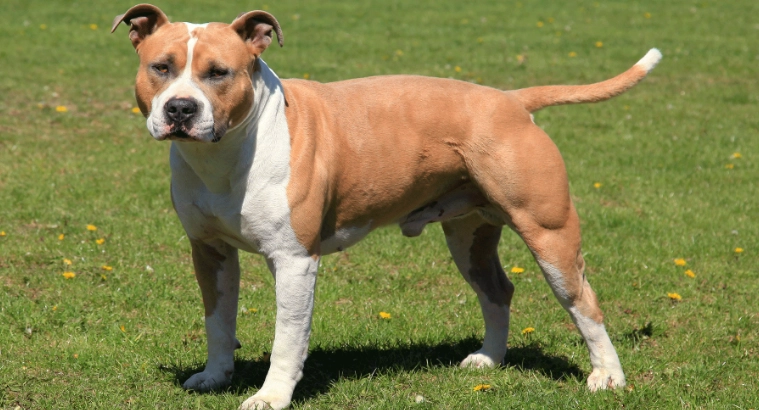
Genetics and Build
You can't fight DNA. Some dogs have a faster metabolism. Some have heavier bone density. Know your dog's lineage if possible—it sets expectations.
Age and Life Stage
Puppies need calories for growth but shouldn't be fat. Adults need maintenance. Seniors often need fewer calories as metabolism slows and activity decreases, but more high-quality protein to combat muscle loss.
Neutering/Spaying
This can reduce metabolic rate by up to 30%. You don't need to change food immediately after surgery, but be vigilant. Most dogs need 20-25% fewer calories post-neuter to maintain weight.
Activity Level
The couch potato AmStaff will have vastly different caloric needs than the agility star. This is the variable you have the most control over.
Feeding for a Fit Physique: A Practical Diet Plan
Feeding an AmStaff isn't about filling the bowl. It's strategic fueling.
Choose the Right Food: Look for a high-quality commercial diet with a named meat protein (chicken, beef, fish) as the first ingredient. For most adult AmStaffs, a protein content of 25-30% and fat around 12-16% is a good target. Be skeptical of "grain-free" unless prescribed by a vet—focus on ingredient quality instead.
Calculate the Amount: The bag's feeding guide is a starting point. It's usually calculated for an intact, active dog. For a neutered pet, start at the lower end of the range. Here's a rough formula to cross-check: Resting Energy Requirement (RER) = 70 x (body weight in kg)^0.75. For a 55lb (25kg) dog, RER is about 700 calories. An average adult needs 1.6 x RER, so ~1120 calories/day. Adjust up or down based on BCS!
Measure Religiously: Use a measuring cup or, better yet, a kitchen scale. "A couple of scoops" leads to creep.
Treats Count: Treats should be
Watch Out For This: Many owners fall into the "he's still hungry" trap. AmStaffs are famously food-motivated and will often act hungry even when full. Stick to your measured amount unless the BCS says you need to adjust. Begging is a behavior, not a dietary need.
Building Muscle, Not Fat: The AmStaff Exercise Routine
Exercise burns calories and, more importantly, builds metabolically active muscle tissue. More muscle means a higher resting metabolism.
- Daily Fundamentals: At least 60 minutes of purposeful activity. Two 30-minute walks don't cut it for most AmStaffs. Incorporate bursts of running, play, or training.
- Strength Work: This is key. Use incline walking (hills), weighted backpack walks (start with
- Mental Exercise: A tired dog is a lean dog. Nosework, puzzle feeders, and obedience training burn mental energy and slow down frantic eating.
- For Weight Loss: Increase exercise duration before drastically cutting food. Add an extra 15-minute walk. Swap one walk for a swim (excellent low-impact exercise).
If your dog is already overweight, start slow. Consult your vet. Sudden intense exercise can injure joints.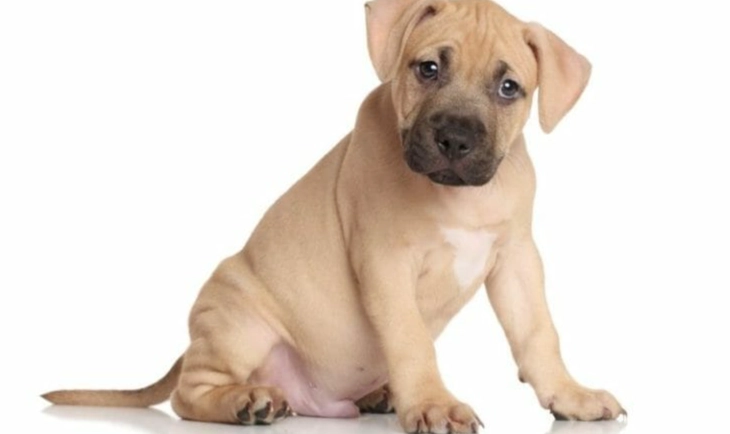
Your Weight Management Questions Answered
How can I tell if my American Staffordshire Terrier is overweight, not just muscular?
My AmStaff puppy seems skinny. How much should I feed him to reach a healthy adult weight?
My senior AmStaff is losing muscle mass but gaining fat. How do I adjust his diet?
Are weight charts based on height reliable for American Staffordshire Terriers?
 Managing your American Staffordshire Terrier's weight is an ongoing project, not a one-time fix. Weigh them monthly. Do a hands-on BCS check every two weeks. Adjust food with seasons and activity changes.
The payoff isn't just a number. It's a more energetic, playful, comfortable dog. It's fewer vet bills for joint issues down the line. It's more years together. Start today—feel for those ribs, check for that waist, and take control of your AmStaff's health from the inside out.
Reader Comments