Let's cut to the chase. You're looking at that solid, powerful Amstaff and wondering, "How big is this dog going to get?" Maybe you're picking out a crate, planning your living space, or just curious if your pup is on track. The official breed standard from the American Kennel Club (AKC) gives a range, but real life is messier. After living with this breed for over a decade and talking to countless owners, vets, and breeders, I've seen the same questions and mistakes pop up again and again. This isn't just a list of numbers. It's a practical guide to understanding Amstaff size, growth, and the common pitfalls everyone misses.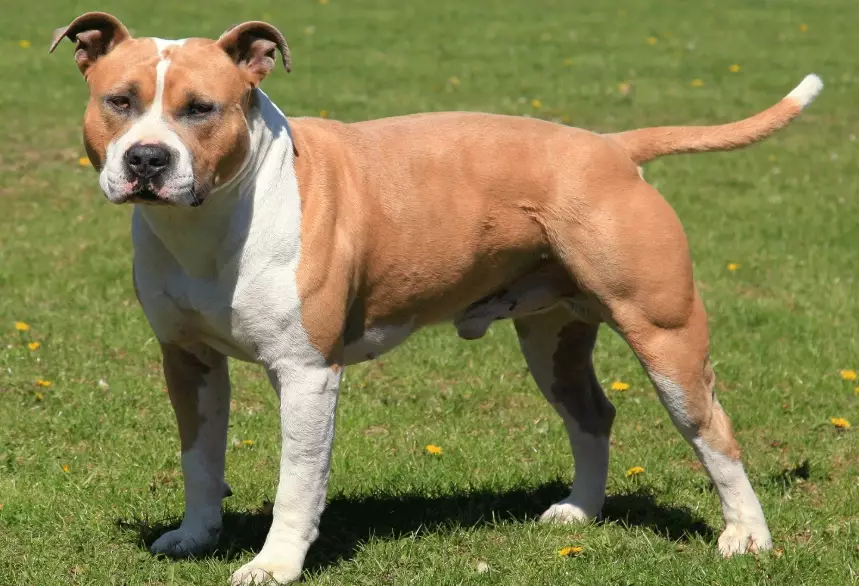
Quick Navigation: What You'll Find Here
The Official Numbers: What the AKC Breed Standard Says
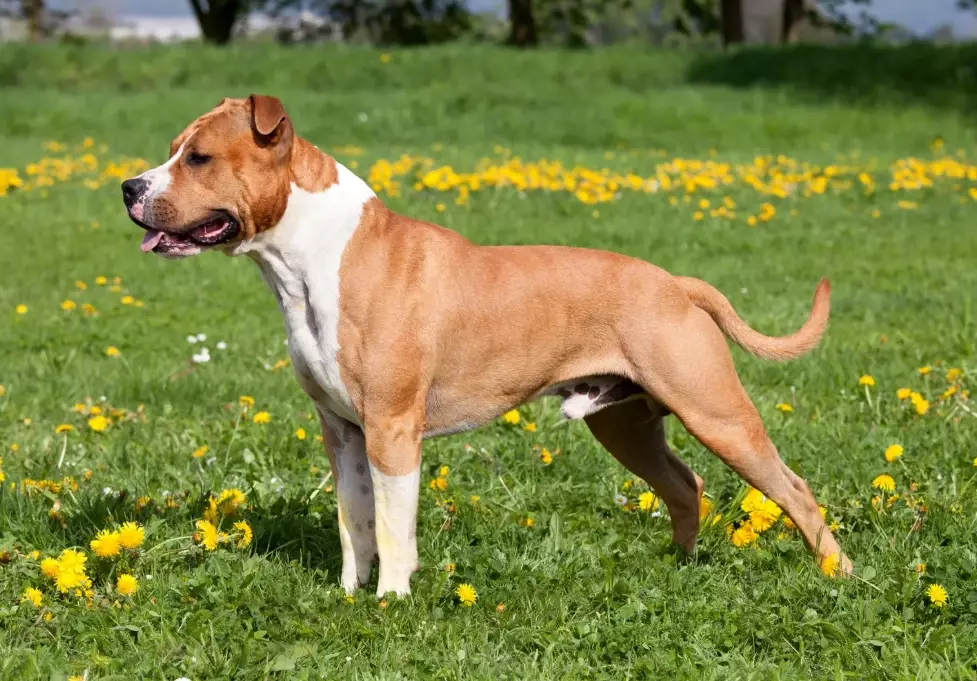
The AKC standard is the blueprint. For American Staffordshire Terriers, it prioritizes proportion and power over a specific weight. Here's the breakdown:
American Staffordshire Terrier Size at a Glance
| Gender | Height (at shoulder) | Weight | Key Characteristic |
|---|---|---|---|
| Male | 18 to 19 inches | 55 to 70 pounds | Stocky, powerfully built, but never clumsy. |
| Female | 17 to 18 inches | 40 to 55 pounds | Clearly feminine, with a slightly lighter frame. |
Notice the height range is tight—just an inch difference. This is crucial. An Amstaff standing 20 inches tall is disqualified in the show ring. The weight range, however, has more wiggle room, accounting for muscle mass and bone density. A well-built male at 19 inches can easily carry a lean 70 pounds of pure muscle and look balanced. The same dog at 70 pounds but with excess fat will look blocky and wrong.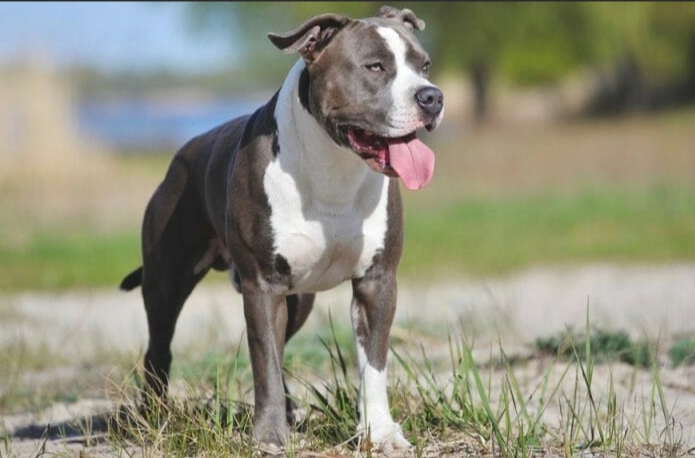
The phrase "powerfully built" does a lot of work here. It means a short back, a deep chest, and well-defined musculature. This isn't a lanky breed. When people ask about Amstaff size, they're often surprised they aren't taller. Their impression is width, strength, and substance.
The Real-World Growth Timeline: From Puppy to Adult
Forget those generic "large breed puppy" charts. Amstaffs have their own rhythm. They gain mass quickly but take their time to fully mature. Here’s what I’ve observed tracking my own dogs and puppies from my breeder friends.
0-6 Months: The Rapid Growth Phase
This is when they change weekly. They'll reach about 50-70% of their adult height by 6 months. Weight gain is significant but should be steady. A common worry point is around 4 months—they often go through a lanky, awkward stage where their legs seem too long. It's normal. Don't ramp up food trying to "bulk them up."
6-12 Months: Filling Out
Height growth slows dramatically. Most Amstaffs are close to their full height by 10-12 months. Now, the filling-out process begins. The chest deepens, the shoulders broaden, and muscle definition starts to appear—if they're getting proper nutrition and exercise. This is where you see the biggest difference between a dog fed a balanced diet and one overfed on cheap kibble.
12-24 Months: Maturing into Their Frame
They are adults at 1 year, but not finished adults. Muscle maturity and chest development continue until they are about two, sometimes even three years old. A two-year-old Amstaff will look more substantial, more "set," than the same dog at 18 months. This slow maturation is a blessing for their joints.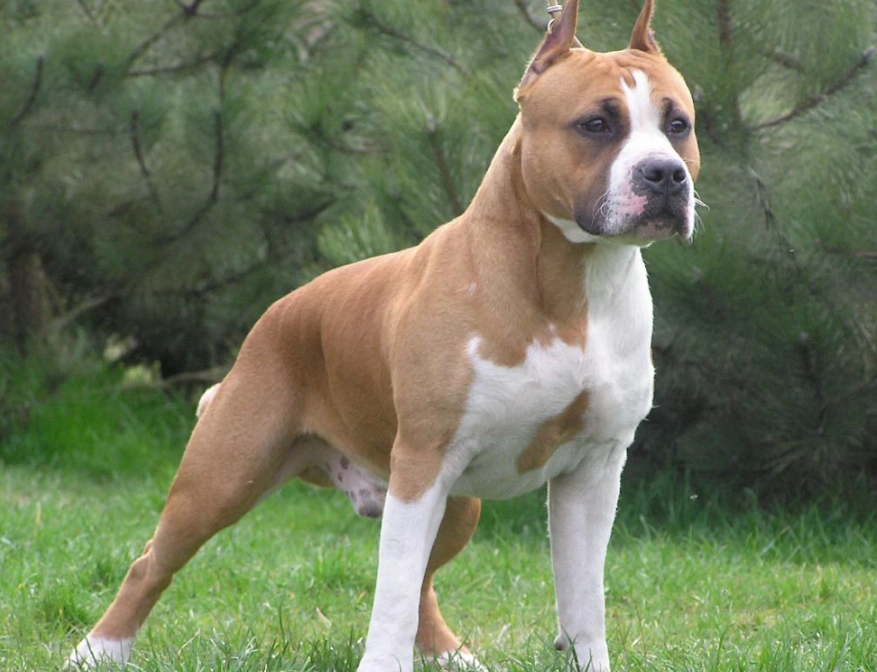
A Note from Experience: I made the mistake of comparing my first male, Duke, to online weight charts. At 9 months, he was 58 lbs and the chart said he should be 65. I panicked and increased his food. He just got a soft belly. He eventually settled at a lean 68 lbs as an adult. The charts are guides, not gospel. Body condition is everything.
How to Measure Your Amstaff Correctly (Most People Do It Wrong)
You need a tape measure and a level surface. For height (withers): Have your dog stand square on a flat floor. Place a ruler or book flat across their shoulders, where the neck meets the back. Measure from the floor to the bottom of the book. Don't measure over the curve of the back—that adds inches.
For weight: Use a scale. If you can't get your dog on a human scale, weigh yourself, then weigh yourself holding your dog. Subtract. Do this monthly during the first year. Guessing is useless. I've heard "He's about 60 pounds" for dogs that were actually 75.
The 3 Biggest Size-Related Mistakes Amstaff Owners Make
- Chasing Weight, Ignoring Condition: The most pervasive error. A 65-pound Amstaff with a body fat percentage of 18% is healthier and will live longer than a 70-pound one at 25% body fat. Muscle weighs more than fat. Aim for a visible waist and ribs you can easily feel under a thin layer.
- Over-Supplementing for "Bulk": Puppies don't need extra calcium or "bulking" supplements. A high-quality, large-breed puppy food is formulated to support controlled growth. Excess calcium can cause severe skeletal problems. More food just makes a fat puppy, which stresses developing joints.
- Misjudging Space Needs: Because they're not exceptionally tall, people think they need less space. Wrong. Their strength and energy level mean they need more usable space. A small apartment is fine if you provide 2+ hours of vigorous activity daily. A large yard is useless if they're left alone in it.
Health, Weight, and Lifespan: The Direct Connection
This is the non-negotiable part. Carrying extra weight is the single biggest modifiable risk factor for an Amstaff's health. Their compact, muscular build means their joints—hips, elbows, knees—are under constant stress. Every extra pound multiplies that load.
An overweight Amstaff is at a much higher risk for:
- Arthritis: Starts earlier, progresses faster.
- Cruciate Ligament Tears: A common, expensive, and painful injury. The repair surgery is brutal.
- Heart and Respiratory Strain: That deep chest needs efficiency.
- Reduced Lifespan: Studies across all breeds consistently show lean dogs live significantly longer, healthier lives.
Feeding for a lean body isn't being mean—it's an act of love that adds years to their life. Talk to your vet about the exact calorie count for your dog's age and activity level. Don't just fill the bowl.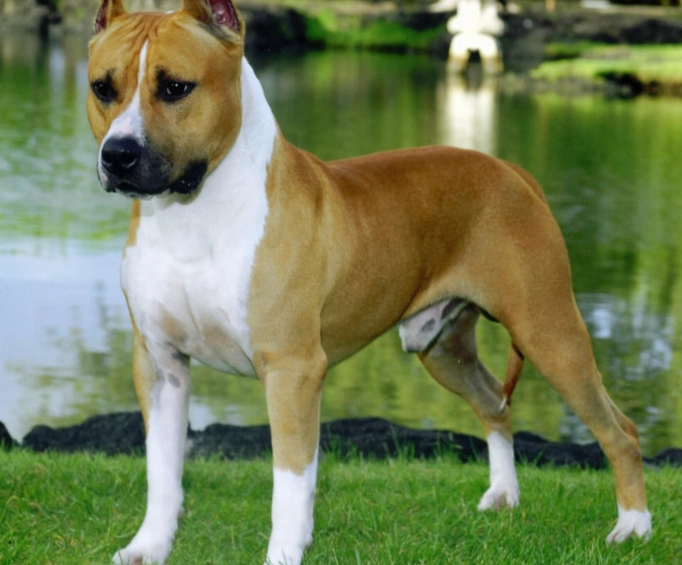
Your Questions Answered
 Understanding your American Staffordshire Terrier's size is more than just knowing numbers. It's about recognizing a healthy build, supporting proper growth, and avoiding the pitfalls that shorten their lives. They are a powerful package in a deceptively compact frame. Respect that design, keep them fit and lean, and you'll have a robust, athletic companion for many years to come.
Reader Comments