Let's be clear upfront: the Azawakh is not a Golden Retriever. If you're looking for a dog that wags its tail at every passerby, eagerly greets your guests, and lives to please you with obedient tricks, stop reading now. This isn't your breed. The Azawakh temperament is a study in elegant contradictions—profoundly loyal yet intensely aloof, serene indoors yet explosively fast outside, and deeply affectionate with their inner circle while treating outsiders with dignified indifference or outright suspicion. I've seen too many of these stunning sighthounds end up in rescues because someone fell for their sleek looks without understanding their ancient soul. Getting an Azawakh right isn't about training; it's about building a bond of mutual respect.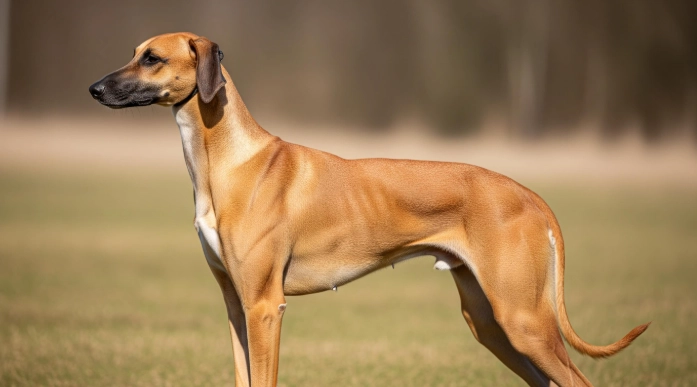
What You'll Learn About the Azawakh Mind
What is the Azawakh Temperament Really Like?
People throw around words like "aloof" and "independent." But what does "aloof" really mean in practice? I remember the first time I met a well-bred Azawakh. I entered the home, and the dog, perched on a couch, tracked me with its amber eyes. It didn't bark. It didn't come over. It just... assessed. After 20 minutes of being ignored, I made a slow, non-threatening movement. The head tilted. That was it. There was no hostility, just a complete lack of interest in engaging. This is typical. According to the American Kennel Club (AKC) breed standard, they are "aloof with strangers" and can be "reserved." This isn't a flaw; it's a centuries-old trait bred into them by the nomadic Tuareg people of the Sahara, where strangers could mean danger.
Their loyalty is the flip side of that coin. With their family—and I mean their one or two chosen people—they are deeply attached. They show affection through quiet proximity: leaning against you, resting a head on your lap. They are sensitive to your mood in a way that's almost unsettling. Yell, and they might shut down for days. The bond is fragile and must be nurtured with consistency and calm.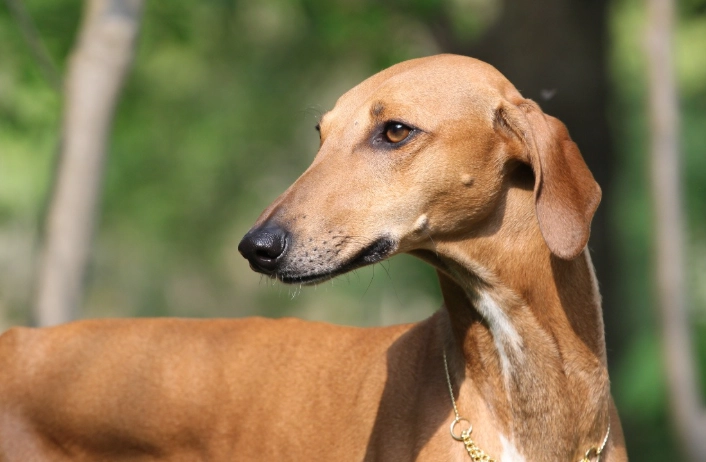
Here’s a quick breakdown of how the Azawakh temperament stacks up against the expectations for a typical "family dog":
| Trait | Typical Family Dog (e.g., Labrador) | Azawakh Temperament | What This Means for You |
|---|---|---|---|
| Response to Strangers | Friendly, welcoming, may seek attention. | Aloof, watchful, likely to ignore or observe from a distance. May be standoffish or wary. | Don't expect a greeter. Guests must be coached to ignore the dog. |
| Trainability | Eager to please, responsive to praise, food-driven. | Independent thinker. Responds to trust and mutual respect, not repetitive commands. Low food motivation is common. | Traditional obedience classes can be a disaster. Training is about partnership, not submission. |
| Affection Display | Overt: licking, bringing toys, full-body wags. | Subtle and on their terms: leaning, quiet closeness, soft eye contact. Personal space is valued. | You earn their cuddles. Forcing physical affection damages trust. |
| Prey Drive | Variable, often manageable. | Extremely high. A sprinting squirrel, cat, or small dog triggers a hardwired chase instinct. | A must have a secure, fenced area (6ft+). Never trust recall off-leash near distractions. |
| Energy Indoors | Can be boisterous. | Remarkably calm, quiet, and couch-loving. A true "sprint and sleep" breed. | Excellent apartment dog if daily sprint needs are met. |
How to Build Trust with an Azawakh (It's Not Obedience)
The biggest mistake I see is owners trying to dominate an Azawakh. You cannot bully this breed into submission. They will either become fearfully aggressive or completely shut down, becoming a ghost in your home. The foundation is trust, not obedience.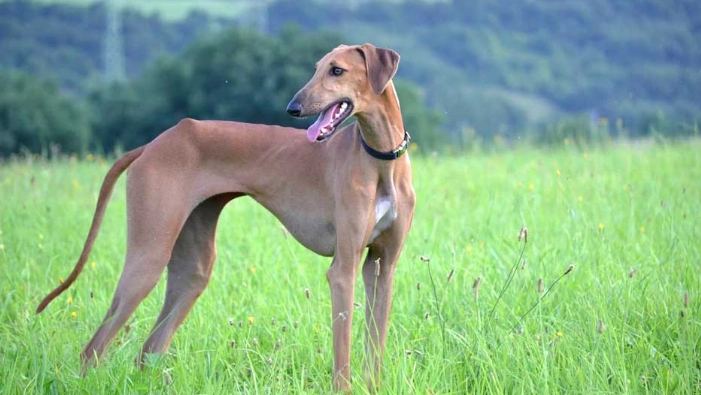
The Three Pillars of Azawakh Socialization
Socialization isn't about forcing them to meet 100 people and dogs. It's about controlled exposure that builds confidence.
- Exposure, Not Interaction: Take your puppy to a quiet park bench. Let them watch the world go by from the safety of your lap or a blanket. Reward calm observation. The goal is neutrality, not friendship.
- Respect Their "No": If they shrink from a pat from a stranger, that's okay. Advocate for them. Say, "He's shy, it's best not to pet him." Forcing interaction teaches them that you won't protect them.
- Positive Associations are Everything: Pair new, potentially scary things (vacuum cleaners, hats, umbrellas) with something amazing—like a bit of chicken or cheese. Create the link: strange thing = good stuff.
Training should focus on life skills, not party tricks. Reliable recall in a fenced area is a safety must. Loose-leash walking is crucial because they are strong. "Leave it" can save their life. Use positive reinforcement, but be prepared for their independent streak. Sessions must be short, fun, and end on a success.
Is an Azawakh Right for Your Family? A Reality Check
Let's run through a few scenarios.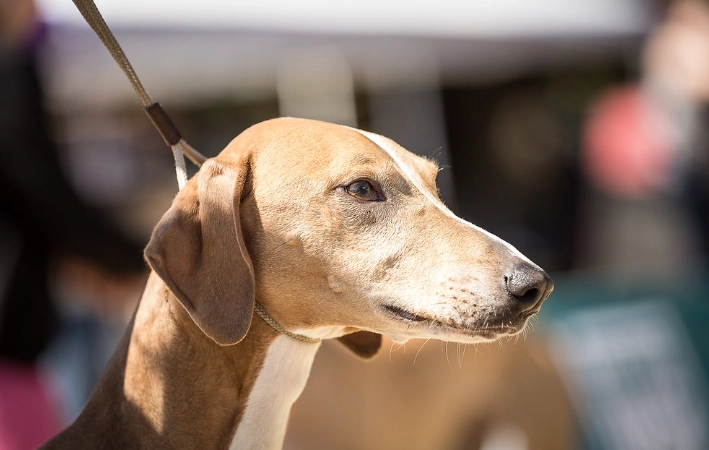
Scenario A: The Busy Family with Young Kids. You have toddlers and a bustling home with friends and family constantly visiting. An Azawakh is likely a poor fit. The erratic movements and loud noises of small children can stress a sensitive Azawakh. Their personal space will be constantly invaded. This is a setup for a nervous dog or a defensive nip. The Fédération Cynologique Internationale (FCI) standard notes they can be "reserved" and even "distant," traits that don't mesh with chaotic family life.
Scenario B: The Active Single or Couple in an Apartment. You're a runner or hiker, value quiet evenings, and have a structured life. You understand dog body language. This could work. You can provide the daily mental stimulation (scent work, lure coursing) and physical explosion (sprints in a secure field) they need. Their calm indoor nature makes them perfect condo dogs—as long as their needs are met outside.
Scenario C: The Multi-Pet Household. You have a cat and want to add an Azawakh. This is high-risk. Their prey drive is immense. Some can coexist with cats they are raised with from puppyhood, but it's never 100% guaranteed. Introducing an adult Azawakh to a home with small pets (rabbits, cats, small dogs) is asking for tragedy. Same-species compatibility (with other sighthounds, especially) is often better, but introductions must be meticulously slow.
Health, Pain, and the Azawakh Mind
This is a subtle point most breed guides miss. Azawakhs are not vocal about discomfort. A dog that suddenly becomes snappy or reclusive might be in pain, not being "dominant" or "spiteful." Common issues like bone spurs, minor sprains, or even digestive upset can manifest as behavioral changes. Before labeling a temperament shift as "aggression" or "anxiety," rule out pain with a thorough vet check, possibly including x-rays. Their sensitivity means they feel things deeply, both emotionally and physically.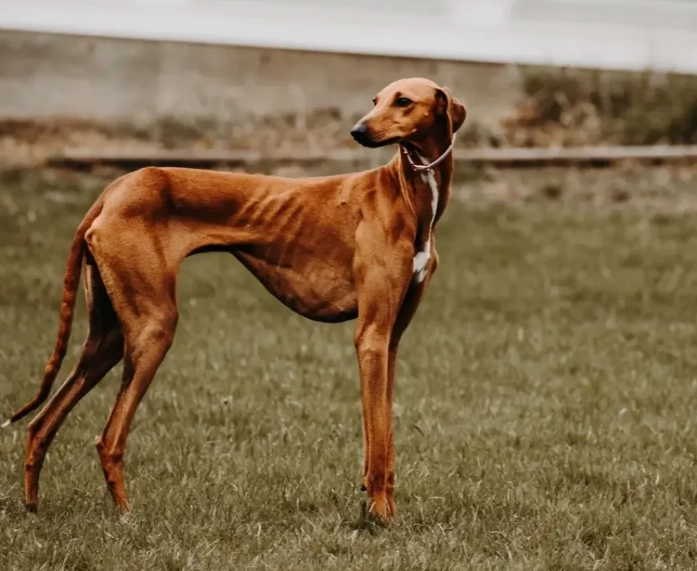
Your Azawakh Temperament Questions Answered
 Understanding the Azawakh temperament is the first and most critical step in sharing your life with one. It requires a paradigm shift from being a commander to being a trusted guardian and partner. They are not for everyone, but for the right person who values depth over exuberance, quiet loyalty over blind obedience, and breathtaking beauty paired with ancient wisdom, there is no breed quite like them. The relationship you build, once earned, is unlike any other.
Reader Comments