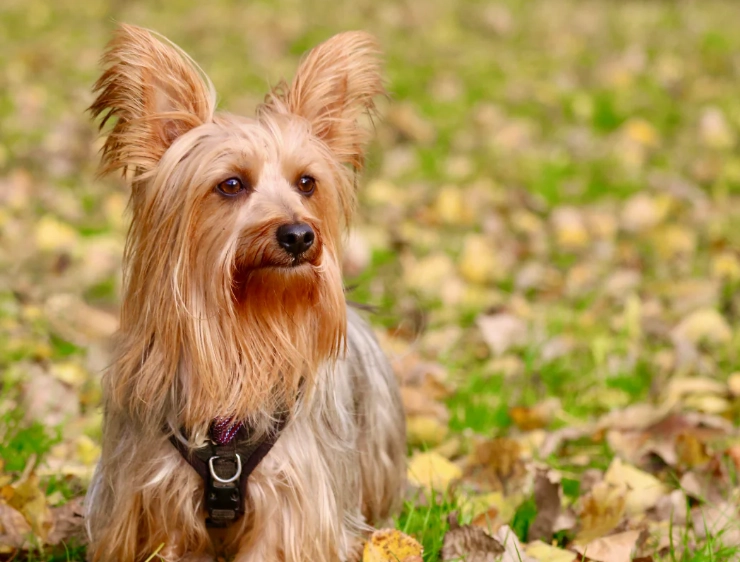
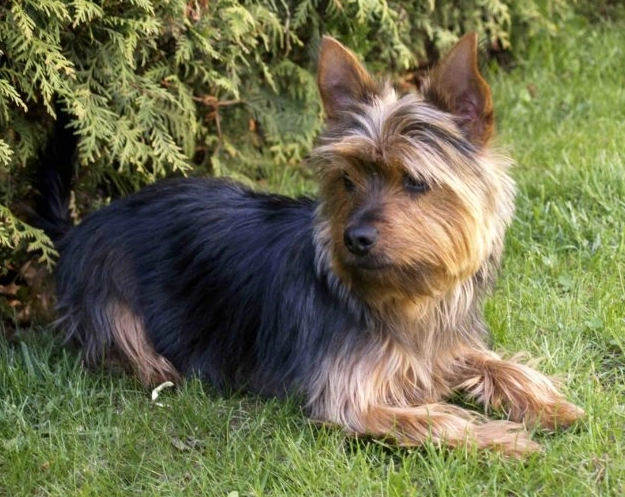
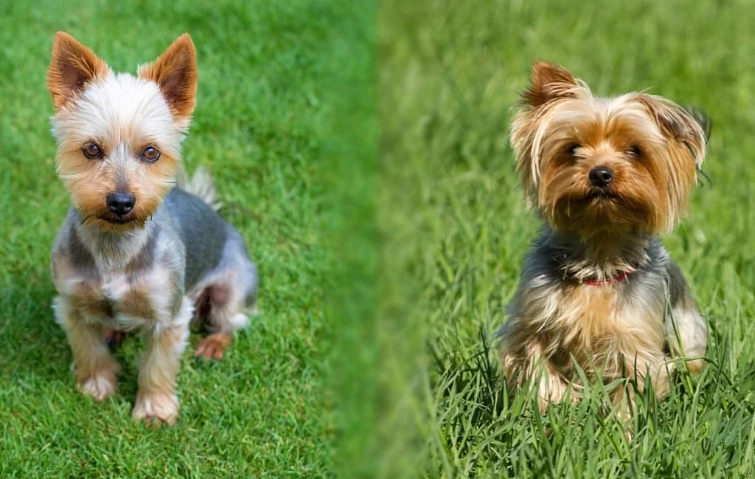
You're looking at two of the most charismatic small dog breeds out there: the Australian Terrier and the Yorkshire Terrier (Yorkie). Both are packed with personality, but they come from very different worlds. Choosing between them isn't just about looks; it's about matching a lifestyle. I've spent years around both breeds, and I've seen too many people get the Yorkie for its glamour only to be overwhelmed by its coat, or pick the Aussie for its toughness and underestimate its need for a job to do. Let's cut through the fluff and get real about what life with each of these terriers is actually like. This is where the story starts. The Yorkie is a Victorian-era creation from England, bred down from larger terriers to hunt rats in textile mills and mines. They became lapdog royalty. The Australian Terrier, as the name shouts, was developed Down Under. Its job was harsh: controlling snakes and rodents on farms, in gold mines, and around ports. It's a genuine working terrier. That history is stamped into their build. The Aussie is longer than it is tall, with a low center of gravity and a rugged, weather-resistant double coat. The Yorkie is finer-boned, carries itself proudly, and sports that famous, flowing, single-layer coat of hair. According to the American Kennel Club breed standards, the Aussie should have a "hard-bitten" appearance, while the Yorkie's expression should be "keen" and "intelligent." That's a fancy way of saying one looks like a tough little ranch hand, the other like a tiny, alert aristocrat. Let's put the key facts on the table. This isn't just data; it's the blueprint for your daily life. See the divergence? The Aussie is a sturdier, more independent worker. The Yorkie is a lighter, more companion-focused breed. That price difference often reflects demand—Yorkies are consistently more popular. This is the biggest practical difference, and where most people get it wrong. The Yorkie's Coat is high-maintenance glamour. It grows like human hair and tangles if you look at it sideways. To keep it in that classic long, show-stopping style, you're committing to: Most pet owners opt for a "puppy cut"—a short, even trim all over. This reduces brushing to a few times a week and baths to every 3-4 weeks. You'll still need a professional groomer every 6-8 weeks, costing $50-$80 per session. The Australian Terrier's Coat is low-maintenance utility. That harsh outer coat repels dirt. The routine is simpler but specific: My Take: New owners often think the Yorkie is the "fancy" one needing more grooming. In reality, the Aussie's hand-stripping requirement is a more specialized skill. If you don't strip, the coat gets woolly and loses its weatherproofing. It's a trade-off: daily Yorkie detangling vs. quarterly Aussie coat maintenance. Both breeds are terriers, which means they're clever, energetic, and bred to think for themselves. This isn't the eager-to-please temperament of a Golden Retriever. With Yorkies, the biggest issue is inconsistent rules because of their size. Letting them jump on guests or bark incessantly "because they're small" creates a monster. They need clear boundaries from day one. Housetraining can be trickier due to their tiny bladders and sometimes stubborn nature. Using a litter box or pee pads is common, but I always recommend aiming for outdoor training to avoid confusion. With Australian Terriers, the challenge is their independence. They'll obey if they see the point. Recall can be iffy if they catch a squirrel's scent. They excel at dog sports like earthdog or agility where they can use their brains and energy. Without an outlet, they'll invent their own jobs, like digging up your garden or "patrolling" the fence line. Apartment living? Both can adapt, but the Yorkie often does better purely on space requirements. The Aussie needs its exercise met, or the walls will feel close. With children? An Aussie from a good breeder, socialized early, can be a robust playmate for respectful kids. A Yorkie is fragile; a toddler's stumble can cause injury. Always supervise. With other pets? Both have strong prey drives. Introducing them to cats or small pets requires extreme care and management, often for life. They may be fine with a dog they grow up with, but the terrier urge to chase can kick in unexpectedly. Both are generally healthy, long-lived breeds, but each has its susceptibilities. Yorkie Health Watch: Their tiny size is their biggest vulnerability. Patellar luxation (slipping kneecaps) is very common. Tracheal collapse, a weakening of the windpipe, is a major concern—always use a harness, never a collar. They are also prone to dental issues due to crowded teeth, requiring regular brushing and vet cleanings. Hypoglycemia can affect puppies. Australian Terrier Health Watch: They are a tougher breed but not without issues. They have a higher-than-average incidence of diabetes mellitus and certain allergies. Like many small breeds, they can have patellar luxation. Responsible breeders test for these conditions. Their sturdier frame means fewer fragility issues than the Yorkie. Invest in pet insurance early, before any conditions are diagnosed. Don't just pick the cuter face. Ask yourself these questions: Choose an Australian Terrier if: You want a hardy, weather-ready companion. You enjoy an independent, slightly aloof dog who shows loyalty in quieter ways. You have time for more vigorous daily exercise and mental games. You prefer a wash-and-wear coat (with periodic professional upkeep). You don't mind a dog with a strong instinct to alert-bark and patrol. Choose a Yorkshire Terrier if: You desire a true lapdog who thrives on constant companionship. You live in a smaller space like an apartment. You are committed to a significant grooming routine (or the cost of a groomer). You can provide firm, gentle leadership to prevent small dog syndrome. You understand and can manage their physical fragility. Which breed is better for a first-time dog owner? This is tough, as both have terrier stubbornness. If forced to choose, the Yorkie's lower exercise needs and size might make apartment life easier for a novice, but only if they are absolutely committed to consistent training. The Aussie's independence can frustrate a new owner who expects eager compliance. A first-timer with either breed should seriously consider obedience classes. Australian Terrier vs Yorkie for a family with young, active kids? The Australian Terrier, hands down. It's simply more physically robust. A well-socialized Aussie can handle the rougher play and accidental bumps that come with kids. A Yorkie is too easily injured. Always teach children how to interact gently with any dog, but the margin for error is much wider with the sturdier Aussie. Can either breed be left alone during a full workday? Neither thrives with regular 8+ hour isolation. Both are companion breeds prone to separation anxiety and boredom barking. The Yorkie, being more velcro, might struggle more. The Aussie, if under-exercised, will channel its boredom into destructive digging or chewing. For full-time workers, a dog walker midday or doggy daycare a few times a week is a near-necessity for both. Is the Yorkie's barking really as bad as people say? It can be. They are alert barkers. Every passerby, mail carrier, or odd noise can trigger a volley. The Aussie barks too, often with a deeper, more purposeful "alert" tone. The difference is often management: a Yorkie barking from your lap is harder to ignore and correct than an Aussie barking from across the room. Early training to a "quiet" command is critical for both, but it's a lifelong management task, not a one-time fix. Where should I look for a responsible breeder for either breed? Avoid pet stores and online marketplaces. Start with the national breed club. For Yorkies, that's the Yorkshire Terrier Club of America. For Aussies, it's the Australian Terrier Club of America. These clubs have breeder referral lists. A good breeder will ask you as many questions as you ask them, show you health clearances for the parents (OFA patellas, etc.), and welcome you to meet their dogs. Expect to be on a waiting list. The bottom line? The Yorkshire Terrier is a devoted, glamorous companion that demands your attention and grooming commitment. The Australian Terrier is a loyal, self-possessed little worker that needs your respect and an active partnership. Choose the one whose needs align with the life you can actually provide, not just the image you have in your head. Both will reward you with over a decade of unforgettable terrier spirit.What You'll Discover
Breed Basics & Origins: More Than Just Size
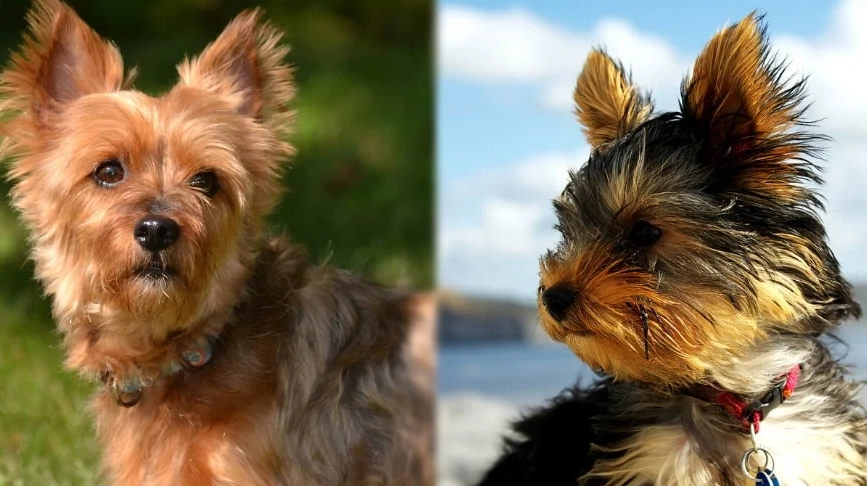
Side-by-Side Comparison: Temperament, Care & Cost
Feature
Australian Terrier
Yorkshire Terrier (Yorkie)
Average Size
10-11 inches tall, 15-20 lbs
7-8 inches tall, 4-7 lbs
Coat Type
Double coat: harsh, straight topcoat; soft undercoat. Colors: blue & tan, solid red.
Single coat of fine, silky, human-like hair. Colors: blue & tan.
Shedding Level
Low to moderate seasonal shedder.
Minimal to non-shedding (hair gets trapped in coat).
Core Temperament
Alert, confident, loyal, independent. A true terrier.
Affectionate, sprightly, bold, can be feisty. A big dog in a tiny package.
Energy & Exercise
Moderate to high. Needs 30-45 mins daily + mental work.
Moderate. Happy with short walks and indoor play.
Trainability
Intelligent but stubborn. Needs firm, consistent leadership.
Smart but can be willful. Prone to "small dog syndrome."
Good with Kids/Pets?
Better with older kids. High prey drive with small animals.
Fragile with toddlers. Can be jealous or scrappy with other pets.
Average Purchase Price
$1,200 - $2,000
$1,500 - $3,000+
Lifespan
12-15 years
13-16 years
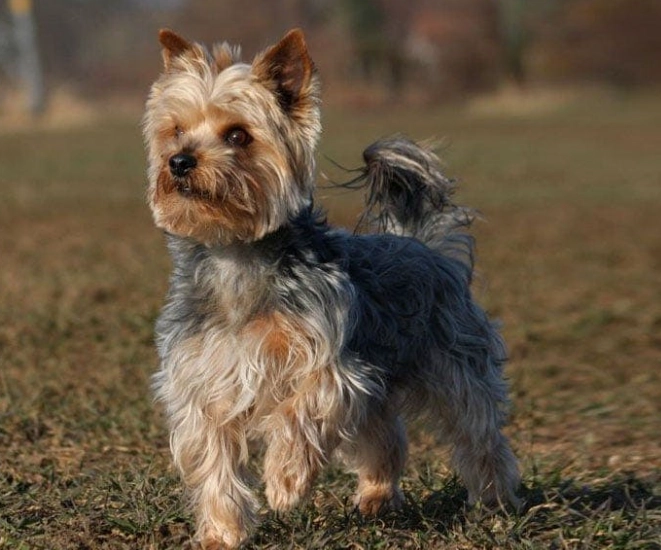
The Grooming Deep Dive: Yorkie Silk vs Aussie Wire
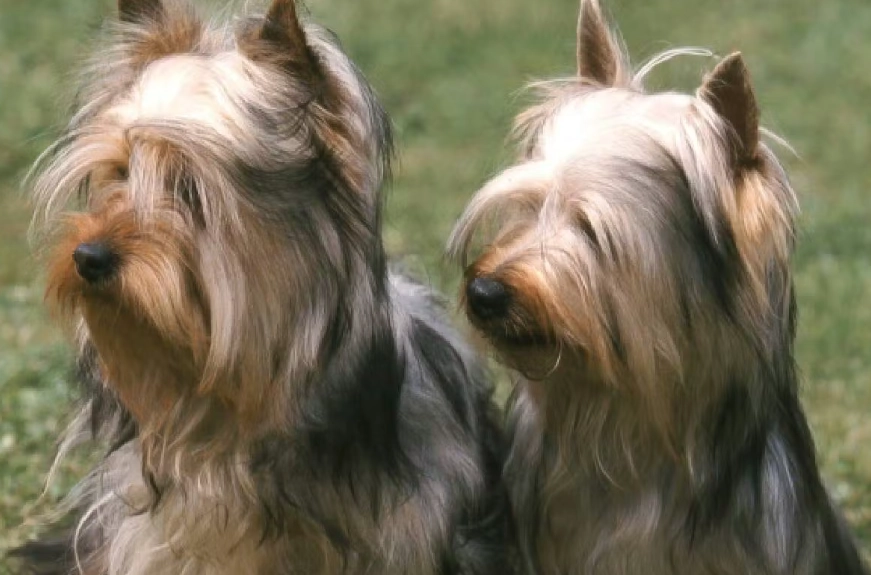
Training & Living Together: The Terrier Mindset
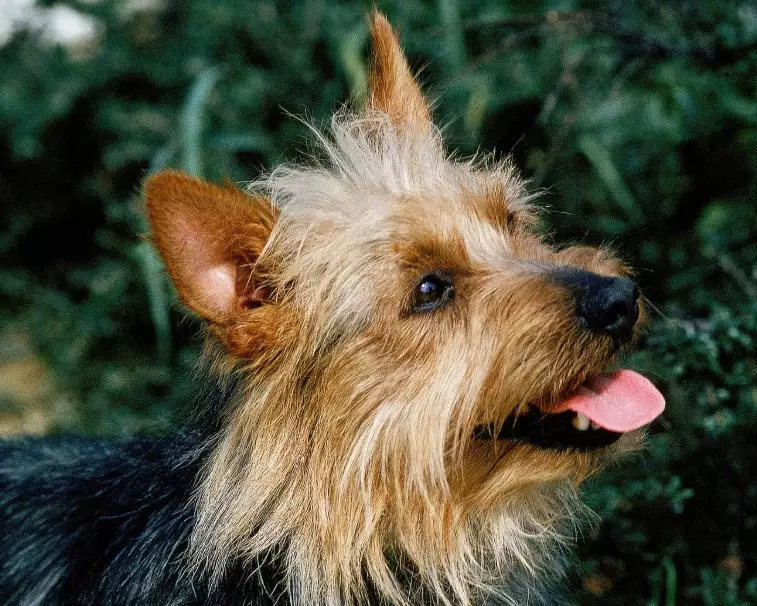
Common Training Pitfalls
Living Scenarios
Lifespan & Health: What to Watch For
How to Choose: A Decision Framework
Your Questions Answered
Australian Terrier vs Yorkie: A Detailed Breed Comparison Guide
Comment