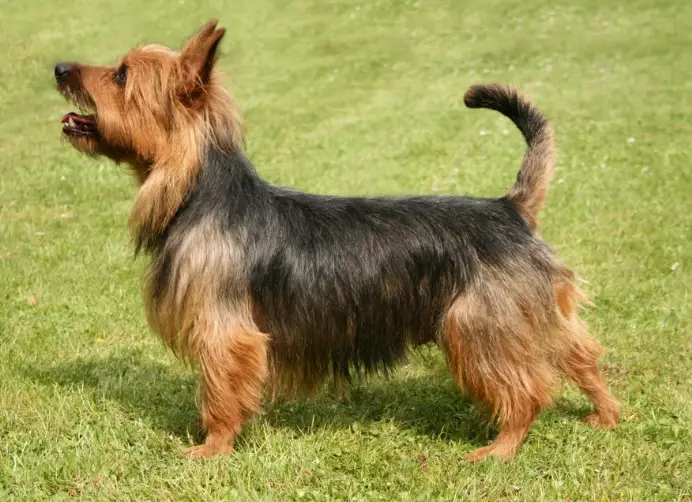
Let's cut to the chase. When you ask about Australian Terrier size, you're probably looking for a simple number. Around 10 to 11 inches tall at the shoulder. About 12 to 14 pounds for a fit male, slightly less for females. There, you have it. But if you stop there, you're missing the whole story. Those numbers are just the frame. What matters more is what you build on it—muscle, condition, and proportion—and how that compact package impacts everything from vet bills to your daily routine. I've seen too many people get the numbers right but misunderstand the dog. The Aussie isn't a delicate lapdog scaled up from a teacup. It's a working terrier, condensed. Every inch is packed with purpose. Getting a real handle on their size means looking beyond the breed standard paragraph from the American Kennel Club (AKC). It's about understanding the implications. The AKC breed standard is the official blueprint. For height, it specifies about 10 to 11 inches (25 to 28 cm) at the withers—that's the top of the shoulder blades. There's no disqualification for being slightly over or under, but breeders aiming for show dogs stick tightly to this range. Weight is where people get tripped up. The standard says approximately 12 to 14 pounds (5.5 to 6.5 kg) for males, with females slightly less. Key point a lot of owners miss: That "approximately" is crucial. I've met fit, muscular male Aussies from working lines who sit solidly at 16 pounds and are in peak condition—not an ounce of fat. Conversely, I've seen 13-pound Aussies that are soft and overweight. The scale is a guide, not a gospel. Body condition score is everything. Proportion is the third, often overlooked, part of the size equation. An Australian Terrier is longer than it is tall. The ratio of length of body (from point of shoulder to point of buttock) to height should be about 10 to 9. This long-backed, low-to-the-ground build is a hallmark of the breed, but it's also why weight management is non-negotiable. Extra pounds on that frame are a direct ticket to back problems. Putting the Aussie side-by-side with its cousins reveals why generic "small dog" advice fails. The takeaway? The Australian Terrier occupies a sweet spot. It's more substantial and rugged than the toy-like Yorkie, but not as heavy-set as a Scottie. It has more leg and length than a Cairn, giving it a distinctive, ground-covering gait. This comparison matters when you're buying gear. A Cairn harness might fit an Aussie's weight, but the straps will be too short for its longer body. This is where size stops being trivia and starts being critical. Their small, long-backed stature predisposes them to specific issues. It's not a guarantee, but it's a risk profile you must manage. Patellar Luxation: Common in small breeds. The kneecap slips out of place. A fit weight reduces strain on these joints dramatically. Legg-Calvé-Perthes Disease: A degeneration of the hip joint. While partly genetic, maintaining lean muscle mass through appropriate exercise supports joint health. The big one, though, is Intervertebral Disc Disease (IVDD). That long back is more vulnerable to disc herniation. Here's the expert nuance few talk about: it's not just about preventing jumping on/off furniture (though you should). It's about core strength. A weak core offers poor spinal support. Regular, controlled exercise that encourages a balanced gait (like leash walks on varied terrain) is better than sporadic frantic fetch sessions that involve sharp twists and turns. A report from the Orthopedic Foundation for Animals on patellar luxation prevalence underscores why buying from a breeder who screens for these issues is your first and best defense, regardless of how small and cute the puppy is. Every extra pound on an Australian Terrier is like 7-10 pounds on a human. It exponentially increases the load on those vulnerable joints and discs. An overweight Aussie isn't just chubby; it's a dog actively working against its own skeletal structure. The difference between a 14-pound and a 17-pound Aussie can be the difference between a dog that needs pain meds at age 8 and one that's still hiking at age 12. So, can an Australian Terrier live in an apartment? Absolutely. Their physical footprint is small. But their energy footprint is not. Their terrier brain needs engagement. A tiny yard won't cut it if you just open the door and expect them to exercise themselves. They'll just stand there and bark at a leaf. Their size makes them portable. They're great travel companions for road trips. But their bold, terrier temperament means they don't always know they're small. Leash walking is essential, not optional, because they might confidently challenge a German Shepherd. Think about daily logistics: Maintaining an ideal Australian Terrier size is 80% diet, 20% exercise. And I mean specific exercise. Feeding: Follow the guide on your quality kibble, but start at the lower end of the range for their weight. Aussies are efficient with calories. Treats must be counted—use bits of their regular kibble for training. I've seen more Aussies get fat from "just a little piece of my toast every morning" than from their main meals. Exercise for Structure: Don't just go for walks. Incorporate gentle inclines to build hindquarter strength. Let them sniff—it's mental work that tires them. Short, frequent play sessions are better than one long, exhausting one that risks injury. The Hands-On Test: Monthly, run your hands over their ribs. You should be able to feel them easily with light pressure, like the back of your hand. If you have to press, they're getting heavy. Look from above; there should be a visible waist behind the ribs. From the side, the belly should tuck up.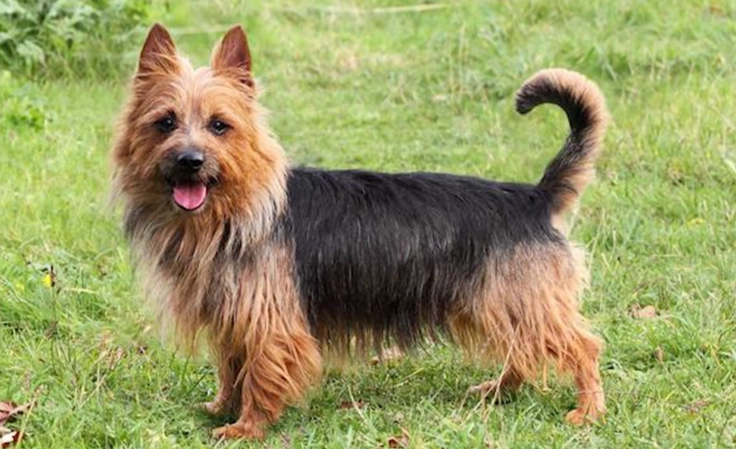
Quick Navigation
The Official Australian Terrier Size: Height and Weight
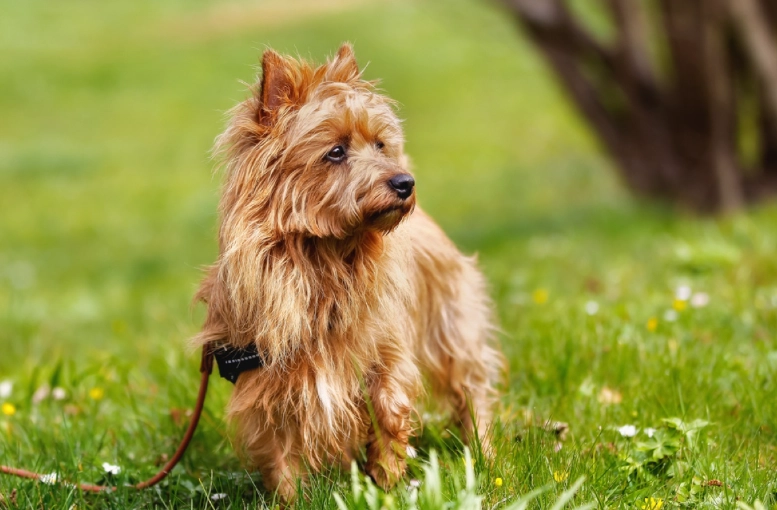
How Does Australian Terrier Size Compare to Other Terriers?
Breed
Average Height
Average Weight
Key Size Difference from Aussie
Australian Terrier
10-11 inches
12-14 lbs
Baseline for comparison.
Cairn Terrier
9-10 inches
13-14 lbs
Shorter, more compact/square build. Often feels stockier.
Norwich/Norfolk Terrier
9-10 inches
11-12 lbs
Shorter, more "cobby" (stocky). Lacks the Aussie's elongated body.
Scottish Terrier
10 inches
19-22 lbs
Similar height, but massively more solid and heavy-boned. A different weight class entirely.
Yorkshire Terrier
7-8 inches
7 lbs
Significantly smaller and finer-boned. A "toy" breed versus the Aussie's "small but sturdy" terrier classification.

The Hidden Impact of Size on Australian Terrier Health
Weight: The Amplifier of Risk
Australian Terrier Size in Real Life: Space, Exercise & Lifestyle

Keeping the Weight Off: A Size-Conscious Care Guide
Your Australian Terrier Size Questions, Answered
 Understanding Australian Terrier size is understanding the dog itself. It's the foundation for their health, their happiness, and how they fit into your world. It's not just about measuring tape and scales. It's about recognizing that within that small, 11-inch, 14-pound package is a tough, spirited companion whose needs are shaped by every inch of its build. Get the size right—in numbers, condition, and care—and you've got the key to a long, active life with your Aussie.
Is an Australian Terrier a good size for an apartment?
Their compact size is a major advantage for apartment living, but their terrier energy is the real deciding factor. They need dedicated daily activity to prevent boredom and destructive behavior. A short walk isn't enough; think mental games and play sessions. A tired Aussie is a good apartment Aussie.
My Australian Terrier is 16 pounds. Is he overweight?
It's very likely. The breed standard tops out at 14 pounds for males. At 16 pounds, you're looking at a 14% increase over the ideal maximum. You should be able to easily feel his ribs without pressing hard. If you can't, consult your vet about a safe weight loss plan, as even a few extra pounds stress their small joints.
How does the Australian Terrier's size compare to a Cairn or Norwich Terrier?
They're in the same small terrier club but with distinct builds. An Aussie is slightly longer in the body and a bit stockier than a Cairn. Compared to a Norwich, the Australian Terrier is generally taller and less cobby. The Aussie's head is also longer and stronger, giving it a more rugged, working-dog appearance despite similar height and weight ranges.
At what age is an Australian Terrier fully grown?
They reach their full height (around 10-11 inches) by 9-12 months. However, they continue to "fill out" and gain muscle mass until they are about 18-24 months old. This is when their weight stabilizes into adulthood. Don't mistake this later filling-out period for a need for more food; overfeeding during this phase is a common cause of lifelong weight issues.
Comment