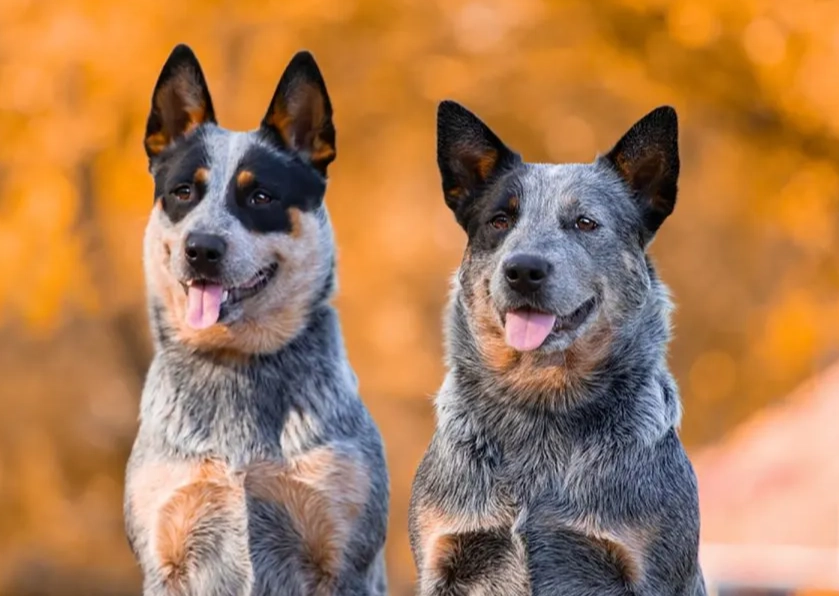
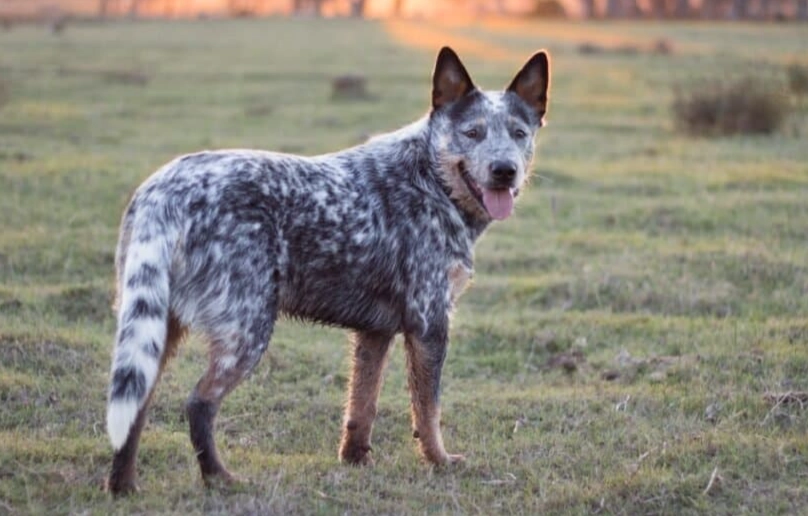
Let's cut straight to the chase, because this is where most of the confusion lies. If you're searching for the difference between an Australian Cattle Dog and a Blue Heeler, you might be surprised by the answer. There isn't one. Not in terms of breed, anyway. "Australian Cattle Dog" is the official breed name, recognized by kennel clubs worldwide like the American Kennel Club (AKC) and the Australian National Kennel Council. "Blue Heeler" (or "Red Heeler") is a color-based nickname for the same exact dog. It's like the difference between calling someone a "human" versus a "brunette." One defines the species, the other describes a common trait. The nickname comes from their historical work—nipping at the heels of cattle to move them—and their blue-speckled or red coat. So why does this distinction matter? Because understanding that you're dealing with one incredibly specific type of dog, not two similar ones, is crucial before you even think about bringing one home. The real question isn't "Which one should I get?" It's "Is the Australian Cattle Dog (aka the Heeler) the right tornado of energy and intelligence for my life?" The story of the Australian Cattle Dog is a gritty tale of necessity. In the early 1800s, Australian settlers needed a dog that could handle the brutal, vast outback—terrain that broke the European herding dogs they brought with them. The heat, the distance, the stubborn cattle... it was too much. So, they started experimenting. The mix is legendary among breed historians: native Dingoes for their toughness, silence, and heat tolerance; smooth-coated Collies for herding instinct; Dalmatians to instill a loyalty to the horse and rider (and that unique spotted coat); and later, a dash of Black and Tan Kelpie for extra drive. The result wasn't just a new dog. It was a four-legged survival tool. This history is baked into every ACD's DNA. That independence from the Dingo? You'll see it when they question your commands. The Dalmatian's loyalty? It makes them fiercely devoted to their "family unit," often wary of strangers. The Collie's herding brain? It means they need a job, always. I once met a rancher in Queensland who put it perfectly: "Other dogs work for you. A Heeler works with you, but only if it respects you." Since the name debate is all about color, let's break down what that actually looks like. Forget solid coats. The hallmark of this breed is speckling or mottling. A quick note on genetics: The "blue" or "red" refers to the underlying color of the hairs. The speckles are actually black or white hairs mixed in. Puppies are born white (a Dingo trait) and develop their color over a few weeks. Beyond color, they're a sturdy, compact dog. They have an alert, intense expression and a build that screams endurance, not speed. That medium size (35-50 pounds) fools a lot of people into thinking they're apartment-friendly. The energy level tells a different story. Calling an Australian Cattle Dog intelligent is like calling the ocean damp—it's true but misses the scale and power of the thing. Their intelligence is practical, problem-solving, and persistent. I've seen one figure out how to open a complicated latch on a gate because it wanted to follow its owner to the barn. It didn't chew or break it; it studied it, nudged it with its nose and paw, and popped it open. This is typical. Loyalty: They form a profound bond with their person or family. You are their herd. This makes them incredible companions but can lead to separation anxiety if not managed. Energy: This isn't a dog that enjoys a lazy Sunday. Their energy is a constant, low hum that needs daily discharge. A bored Heeler is a destructive Heeler. It's not malice; it's a working brain with no outlet. Herding Drive: It's innate. They may herd children, other pets, or even your ankles. This involves nipping. Early training to redirect this instinct to appropriate toys or activities is non-negotiable. Wariness of Strangers: That deep loyalty often means they aren't immediately welcoming to newcomers. They're not typically aggressive without cause, but they are reserved and alert. Socialization from puppyhood is critical. A friend of mine, a first-time ACD owner, learned this the hard way. "I thought 'high energy' meant he'd need long runs," she told me. "I didn't realize it also meant he'd need daily puzzle games, obedience drills, and a 'job' like carrying his own backpack on hikes. The runs just warmed him up." Owning an Australian Cattle Dog is a lifestyle choice, not a pet choice. Here’s what that lifestyle demands: Exercise: Think 60-90 minutes of vigorous activity daily. Not just a walk. Running, hiking, biking, advanced fetch, agility, or herding trials. They are athletes. Mental Stimulation: This is where many owners fail. Training sessions, nose work, food puzzles, learning new tricks. Their brain needs to be tired as much as their body. Training: Start the day you bring them home. They need firm, consistent, and positive leadership. They respect confidence and can spot uncertainty. Enroll in puppy and obedience classes—it's as much for you as for the dog. Space: An active home with a securely fenced yard is ideal. They can adapt to apartments, but only if the owner is a true commitment superstar (see the FAQ below). Family Fit: They can be wonderful with respectful older children. Their herding nipping can be too much for toddlers. They often do best as the only pet or with pets they are raised with, due to their strong drive and possessiveness. Bred tough, they are generally a healthy breed with a lifespan of 12-16 years. However, being a purebred, they have some predispositions that responsible breeders screen for: Progressive Retinal Atrophy (PRA): A degenerative eye disease that can lead to blindness. Reputable breeders will have their dogs' eyes certified by a veterinary ophthalmologist. Hip Dysplasia: A malformation of the hip joint. Ask for Orthopedic Foundation for Animals (OFA) or PennHIP clearance from the puppy's parents. Deafness: Congenital deafness, often associated with excessive white on the head, can occur. Breeders can test puppies with a BAER (Brainstem Auditory Evoked Response) test. The tough part? Their pain tolerance is sky-high. You might not notice a limp or discomfort until a problem is advanced. Regular vet check-ups are key. Here are the questions I get asked most often, not by people reading a generic breed list, but by those seriously considering sharing their life with this incredible, demanding dog.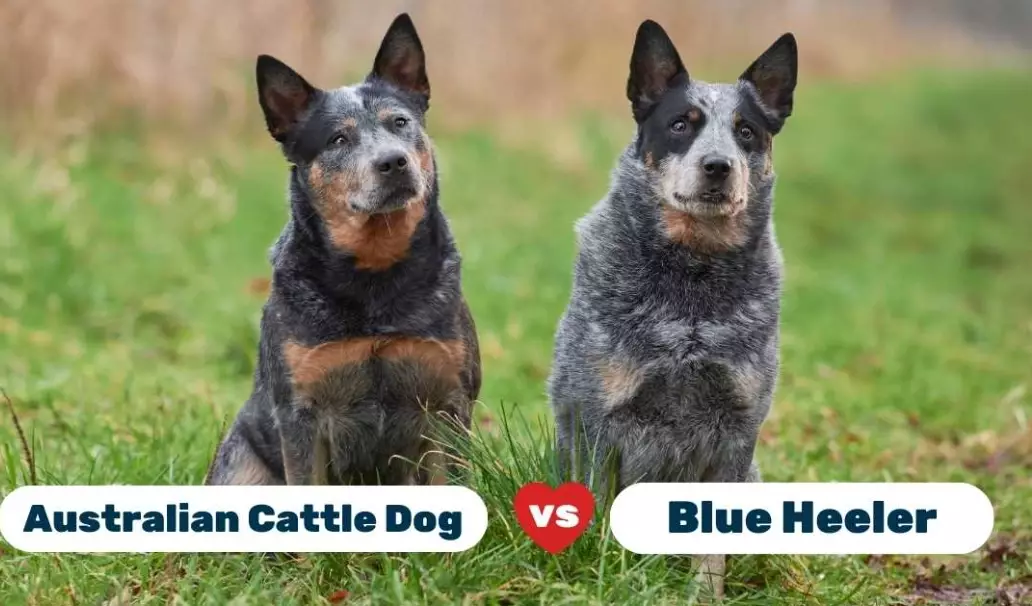
Your Quick Guide to Understanding This Breed
Where Did This Dog Even Come From?
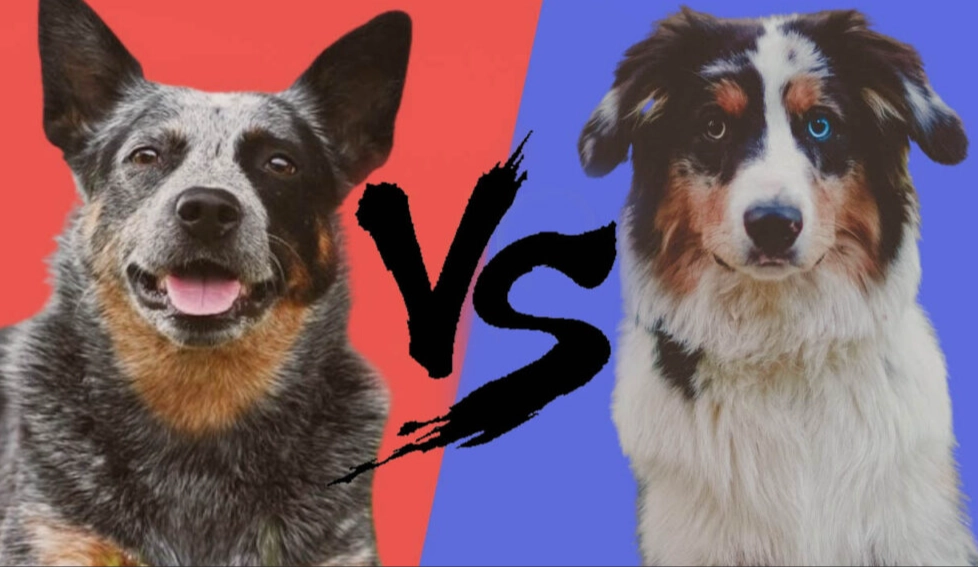
Blue, Red, and Everything In Between
Common Coat Type
What It Looks Like
Nickname
Blue Speckled/Mottled
Black and white hairs mixed evenly, creating a blue-gray appearance. May have black, blue, or tan markings on the head.
Blue Heeler
Blue Speckled with Black Markings
Same blue-speckled body, but with distinct black patches on the head and body.
Blue Heeler
Red Speckled/Mottled
Even mix of red and white hairs, giving an overall red appearance.
Red Heeler
Red Speckled with Dark Red Markings
Red-speckled body with darker red patches.
Red Heeler
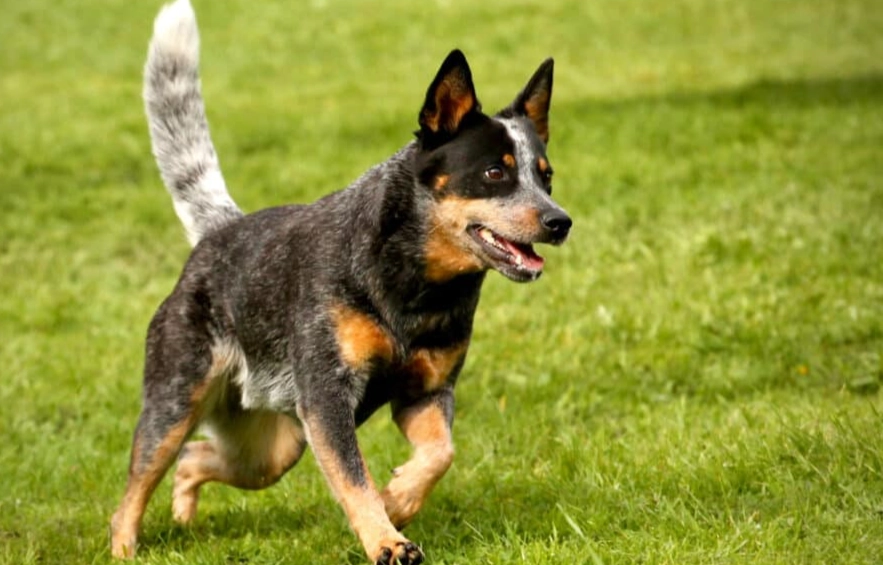
The ACD Mind: More Than Just "Smart"
The Good, The Challenging, and The Noisy
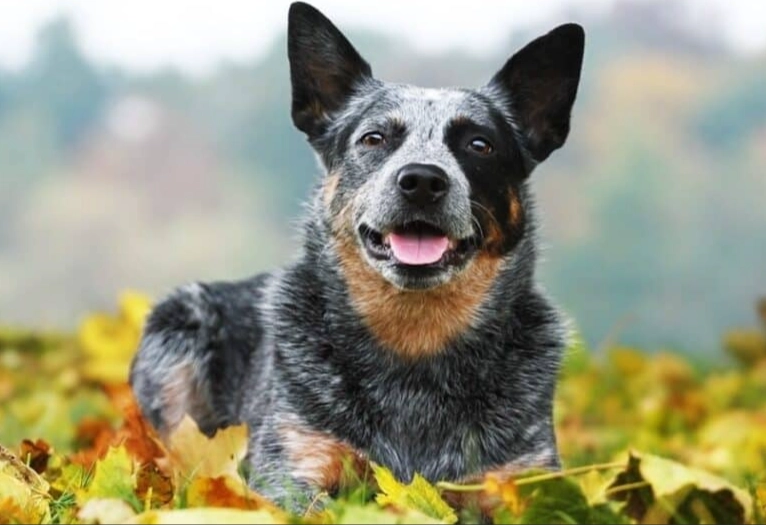
What It Really Takes to Live With One
Health and Lifespan Considerations
Answers From the Front Lines
 So, Australian Cattle Dog or Blue Heeler? It's the same remarkable, challenging, and rewarding animal. The name you choose just depends on whether you're describing the breed or the color. The real work begins when you decide to welcome one into your life. Do your homework, be brutally honest about your own activity level and patience, and if you're the right match, you'll gain a loyal, fearless, and endlessly fascinating partner.
What is the biggest mistake new owners make with an Australian Cattle Dog?
The single biggest mistake is underestimating their mental and physical needs. People see a medium-sized dog and think a couple of walks will suffice. This breed needs a job. Without structured, engaging activity, they will invent their own jobs, like redecorating your house by chewing the couch or herding your children. It's not a behavioral problem; it's a breed trait being expressed in a destructive way. You must be prepared to provide an outlet for their drive every single day, rain or shine.
Can a Blue Heeler live happily in an apartment?
It's an uphill battle, but possible with extreme commitment. The space isn't the primary issue; it's the lifestyle. An apartment-dwelling ACD owner must be a master scheduler: rigorous morning exercise (45+ minutes of running/biking), multiple short training sessions throughout the day, and a dedicated evening activity like advanced obedience or a dog sport. Without this, the dog's frustration in a confined space will lead to problems. A house with a yard is simply easier, but the yard alone is never enough. This dog will not exercise itself.
How does the Australian Cattle Dog's intelligence compare to a Border Collie?
Both are brilliantly intelligent, but they apply it differently. A Border Collie is often described as a "biddable" genius—eager to follow complex commands and please. The ACD is more of an independent problem-solver. They were bred to make decisions without constant instruction while moving cattle over vast distances. This makes them incredibly clever but also stubborn. They'll learn a command in three repetitions, but on the fourth, they might look at you as if to ask, "Why should I? What's in it for me?" Their intelligence requires a partnership based on respect, not just obedience.
Comment