That flash of red streaking across the field isn't just a dog; it's a four-legged laser beam focused on a task. The Australian Cattle Dog, particularly the stunning red variety often called the Red Heeler or Queensland Heeler, is arguably one of the most intelligent, resilient, and demanding pure working breeds on the planet. I've shared my life with working-line Reds for over a decade, and the first thing I tell curious admirers is this: you don't own a Red Heeler, you negotiate a partnership with one. Forget everything you think you know about pet dogs. Their history is etched in toughness. Developed in the 19th century Australian outback to handle herds of wild cattle, they were bred from a specific mix of native Dingoes, smooth-coated Collies, and Dalmatians. The goal wasn't companionship; it was creating an ultra-durable, independent-minded drover that could work in brutal conditions. That legacy is in every cell of a modern Red Heeler. The rich, rust-red coat (sometimes with blue or tan markings) isn't for show—it's camouflage against the red dust of the outback. This isn't a breed for the faint of heart or the sedentary. If you're looking for a couch cuddle buddy who's content with a 30-minute walk, stop reading now and look at a different breed. But if your idea of paradise involves an intense, brain-racking, and utterly rewarding canine collaboration, you're in the right place. Every breed description says "high energy." For the Red Heeler, that's like calling the ocean "damp." It's a profound understatement. Their energy is directional, purposeful, and often single-minded. I remember my first Red, Baxter. I thought I was prepared. I had a large yard. I ran him for two hours a day. He was still a whirlwind of destruction. The breakthrough came when I realized his exhaustion threshold was mental, not physical. I could run him for four hours and he'd still find the mental focus to "herd" the sprinkler heads in my garden, relentlessly nudging them with his nose until they broke. Boredom is their kryptonite, and a bored Heeler is a creative, destructive problem-solver. Their loyalty is legendary but isn't freely given. It's earned through respect and consistent leadership. They form a deep bond with their primary handler, often viewing the rest of the family as part of the "herd" to be managed. This isn't aloofness; it's a functional worldview. They are suspicious of strangers, protective of their territory, and possess a work ethic that puts most humans to shame. Let's dismantle the biggest myth: that a tired dog is a good dog. With this breed, a physically tired dog is simply a temporarily recharging dog. Their exercise needs are non-negotiable and specific. We're not talking about leash walks. We're talking about: I structure my dog's day around 90-minute work blocks. One block might be a hike with a 10% bodyweight pack. Another might be a training session focused on impulse control around livestock (on a friend's farm, with explicit permission and supervision). The cost of entry for this breed isn't just money for the puppy; it's the time and creativity to provide a legitimate job. If you work a 9-to-5 office job without a solid plan for their daytime activity, you are setting everyone up for failure. Training a Red Heeler is less about teaching commands and more about managing an ongoing strategic dialogue. They learn faster than you can teach. The challenge isn't getting them to understand; it's getting them to comply when their own problem-solving instinct kicks in. Positive reinforcement is essential, but it must be paired with unwavering consistency. They test boundaries relentlessly. One lenient day on a rule (like allowing jumping when excited) teaches them that the rule is flexible, and they will exploit that flexibility. The heel-nipping. It's the classic puppy behavior that breaks most owners. You yell "no," offer a toy, but the puppy returns to the moving heel. Why? Because the movement is the reward. The instinct is hardwired. The solution isn't distraction; it's channeling. I teach a specific, incompatible behavior for the sensation of something moving against their leg. That might be a "go to your mat" command that is more rewarding than the heel-nipping itself. It's tedious, precise work. Socialization is critical but must be heavily managed. A bad experience with another dog or a person can cement a lifelong suspicion. I don't take my puppies to chaotic dog parks. I orchestrate controlled, positive meetings with stable, known dogs. This is where many online guides fail. Beyond the standard concerns for active breeds (like hip dysplasia, which any breeder should test for), there is one critical, breed-specific issue that first-time owners are rarely warned about. A reputable breeder will not just show you a healthy puppy. They will provide you with official documentation from the Orthopedic Foundation for Animals (OFA) or a similar registry proving that both parent dogs are genetically clear (tested as "N/N") for the prcd-PRA mutation. Do not accept verbal assurances. Demand the certificates. This single document is more important than the puppy's color, price, or cute factor. Other issues to discuss with your vet include deafness (associated with excessive white in the coat, though less common in reds), and Osteochondritis Dissecans (OCD) in fast-growing, active puppies. Their diet and exercise during growth phases need careful, professional planning. The search for a Red Heeler puppy is a minefield. "Backyard breeders" and puppy mills capitalize on their striking looks. A good breeder's primary goal is the improvement and preservation of the breed's working ability and temperament, not profit. Red flags include: Green flags: Be prepared to wait over a year and pay a significant price. This is not a casual purchase; it's an investment in a decades-long partnership with a living legacy of the Australian outback.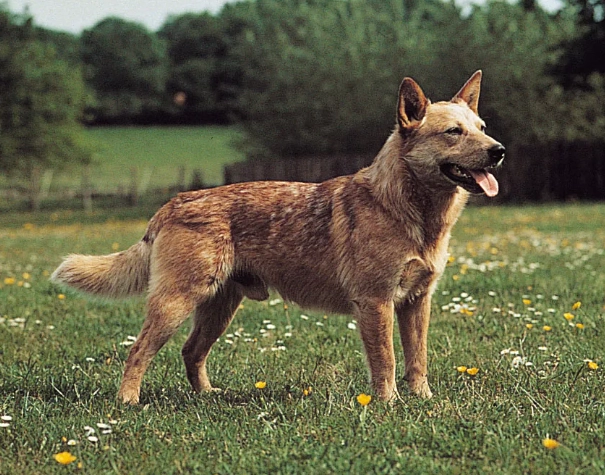
What You're Really Signing Up For
Personality: Beyond "High Energy"
Reality Check: More physical exercise without mental engagement just creates a fitter, more capable destroyer. The key is structured work. A 20-minute session of complex scent work or advanced obedience drills will drain them more than a two-hour mindless run.The Exercise Myth You Must Understand
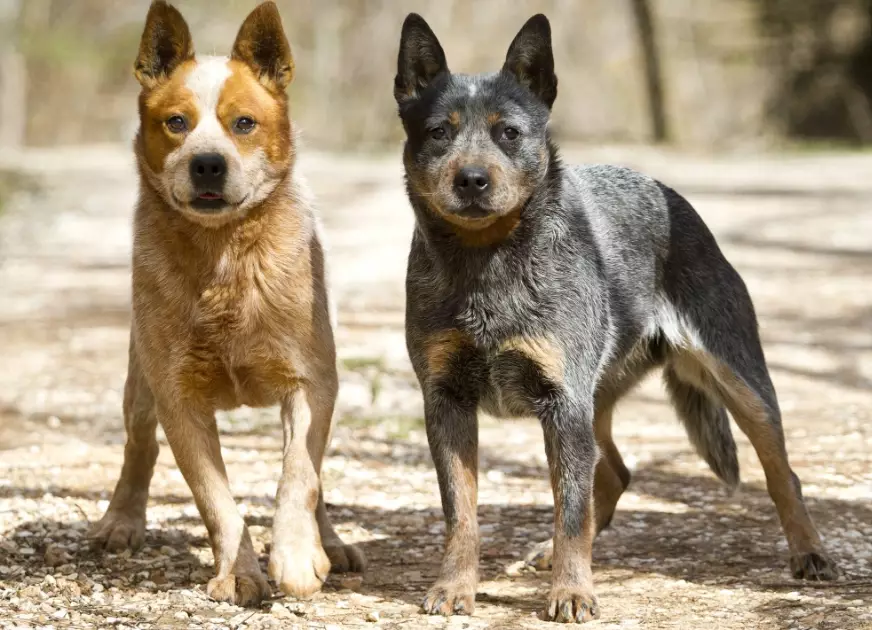
Training a Mind That Never Stops
Health: It's Not Generic Dog Care
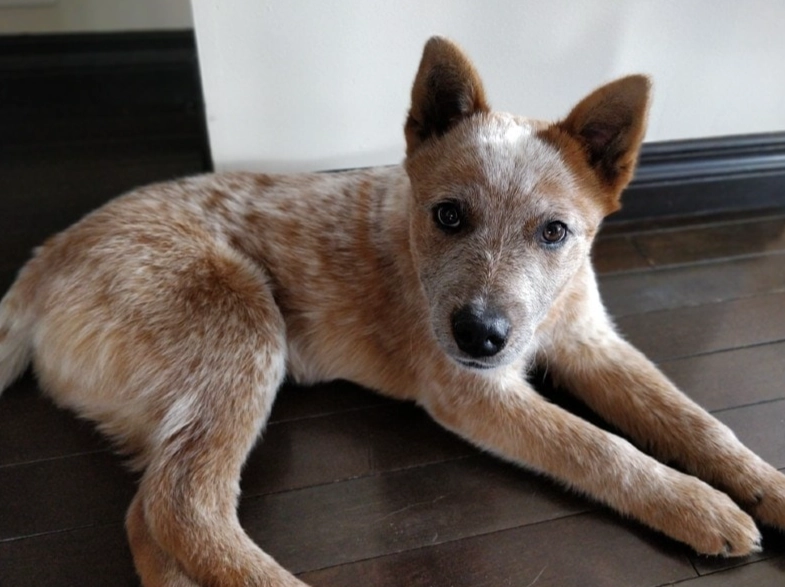
Finding a Breeder, Not a Seller
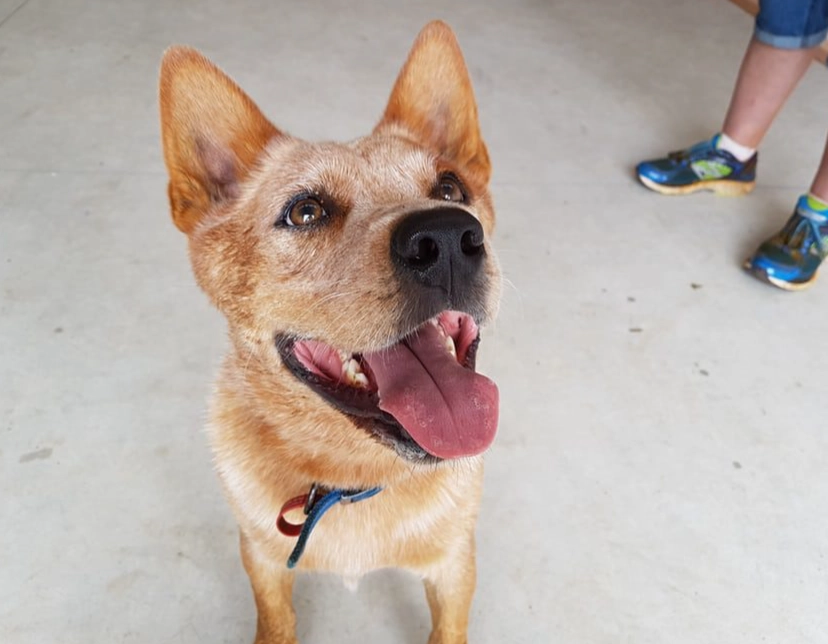
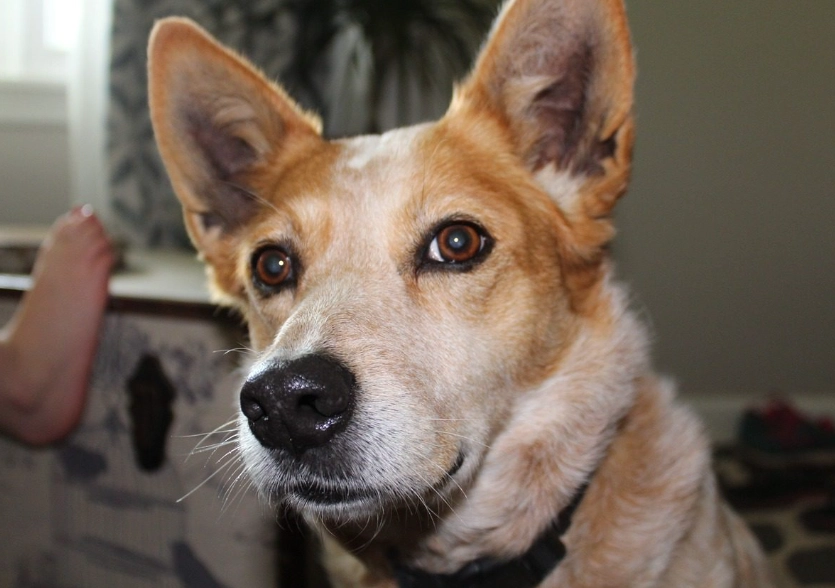 In the end, a Red Australian Cattle Dog isn't a pet. It's a commitment that reshapes your life. It demands space, time, creativity, and a level of engagement few other breeds require. The reward? An unparalleled bond with a creature of stunning intelligence and resilience, a true partner in every sense of the word. But you must ask yourself: are you prepared to work as hard as the dog does?
Common Misconception: "They're just hyper, they need more exercise!"
Progressive Retinal Atrophy (PRA): This is a degenerative eye disease that leads to blindness. The Australian Cattle Dog has a known predisposition to a specific type called prcd-PRA. It is a genetic, autosomal recessive disorder. This isn't a maybe; it's a must-test situation.
Is a Red Australian Cattle Dog a good fit for apartment living?
Frankly, no. This is the most common mistake hopeful owners make. The Red Heeler's intense energy and herding drive, honed over generations for cattle work, translate poorly to confined spaces. Without a literal job (like advanced agility, herding trials, or a farm to patrol), they invent their own, often destructive. Success requires a minimum of two hours of vigorous, mentally engaging exercise daily, not just walks.
Why does my Red Heeler puppy nip at heels and how can I stop it?
You're not training a 'bad' dog; you're managing an instinct wired so deeply it's essentially hardware. Heel-nipping is modified herding behavior. The standard advice of redirecting to a toy often fails because the instinct's reward is the movement itself, not a toy. A more effective method is to interrupt the behavior the instant it starts with a sharp sound (like a clicker or 'ah-ah'), then immediately engage the pup in a structured alternative task, like moving a ball from one mat to another. You're channeling the drive, not suppressing it.
Are Red Australian Cattle Dogs more aggressive than the blue variety?
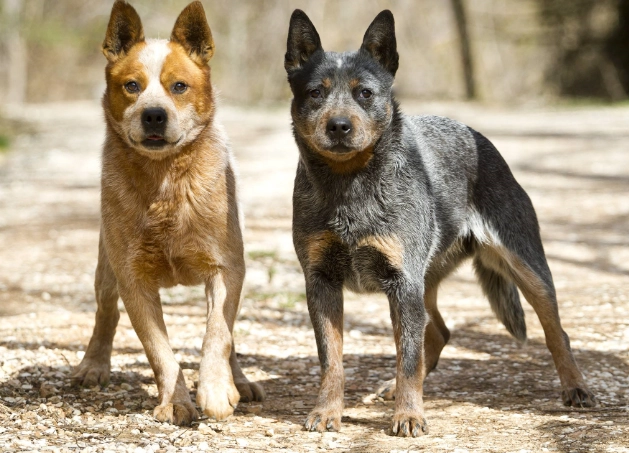
This is a persistent myth with no basis in breed standards or reputable breeder data. Temperament is linked to lineage and upbringing, not coat color. Both red and blue Australian Cattle Dogs share the same genetic foundation. You might find more reds in working lines simply due to regional breeding preferences, but aggression is an individual or training issue, not a color trait. Focus on the breeder's reputation and the puppy's socialization, not the hue of its fur.
What's the biggest health surprise for first-time Red Heeler owners?
Progressive Retinal Atrophy (PRA). It's a blindspot (pun intended) in many generic care guides. This breed has a known genetic predisposition to PRA, a degenerative eye disease. A reputable breeder will have tested the parents for the prcd-PRA gene mutation. Never take a 'clean bill of health' from a vet at face value for a puppy; demand to see the official DNA test certificates from the Orthopedic Foundation for Animals (OFA) or a similar registry. It's the single most important document when buying this breed.
Comment