If you've found yourself searching "Are Blue Heelers and Australian Cattle Dogs the same?", let's cut to the chase: Yes, they are the exact same breed. The short, confusing answer ends right there. But the real story—the one that matters if you're thinking about sharing your life with one of these incredible dogs—is why the confusion exists and what this breed is truly about. I've seen too many people get hung up on the name, only to be completely unprepared for the reality of living with an Australian Cattle Dog (ACD), whether you call it a Blue Heeler, a Red Heeler, or a Queensland Heeler. This isn't a case of a breeder marketing the same dog under different labels. The names stem from the breed's history and function in Australia. In the 19th century, settlers needed a tough, resilient dog capable of herding wild cattle across vast, rugged terrains. Through crossbreeding native Dingoes with imported herding dogs like the Scottish Highland Collie, a distinctive type emerged. These dogs worked by nipping at the heels of cattle to move them, a behavior known as "heeling." The "Blue" and "Red" parts refer simply to the dog's coat color. A blue-speckled or blue-mottled dog was a "Blue Heeler." A red-speckled dog was a "Red Heeler." These were working terms, used by stockmen and farmers. The official name "Australian Cattle Dog" was adopted when the breed was formally recognized by kennel clubs (like the Australian National Kennel Council in 1903 and the American Kennel Club in 1980). "Blue Heeler" and "Red Heeler" remain affectionate, accurate, and widely used nicknames that directly reference the breed's heritage and appearance. Whether called an ACD or a Heeler, the breed standard is consistent. Knowing this standard is crucial—it explains not just how they look, but why they behave the way they do. This is a compact, powerful, and symmetrical dog. They are longer than they are tall, with strong bones and muscular legs designed for agility and sudden bursts of speed. Their expression is alert, intelligent, and wary—a direct inheritance from the Dingo. All Australian Cattle Dogs are born white (a Dingo trait), and their true color develops over several weeks. The two acceptable color varieties are: There is no functional difference between the colors. The idea that one color is more energetic or smarter is pure myth. This is where the rubber meets the road. The ACD temperament is legendary and non-negotiable. They are: Owning an ACD is a lifestyle, not a casual commitment. Here’s what you need to know beyond the basics. A tired Cattle Dog is a happy Cattle Dog, but it takes a lot to tire them out. We're talking 1-2 hours of vigorous, structured exercise daily. This isn't just a leash walk. Think running, hiking, advanced obedience, agility, herding trials, or fetch with a Chuckit until your arm gives out. Without this outlet, expect anxiety, boredom, and destructive behaviors. Their intelligence demands consistent, positive training. They excel at dog sports but can be stubborn. Early and ongoing socialization is critical to prevent wariness of strangers and other animals. Their herding instinct is strong, so teaching a solid "leave it" for chasing bikes, kids, or squirrels is non-negotiable. The double coat is weather-resistant and sheds moderately year-round, with two major "blows" per year where it comes out in clumps. A weekly brush is usually sufficient, but daily during shedding season. Common health concerns to screen for with a responsible breeder include: Let's be brutally honest. This breed is not for everyone. They are a fantastic fit for: Think twice if you: Are Blue Heelers good with children and other pets? They can be wonderful with respectful children they are raised with, viewing them as part of their "herd." However, their herding instinct can manifest as nipping at heels, which needs to be carefully managed from day one. They often do best as the only pet or with other high-energy dogs. Their intense play style can overwhelm calmer dogs, and potential for same-sex dog aggression, especially in un-neutered males, requires careful, supervised introductions. What is the most common mistake new Australian Cattle Dog owners make? Underestimating their need for mental work. I've seen owners provide ample physical exercise but leave the dog's brain idle. The solution is integrating their drives into daily life. Instead of just a bowl of food, use a snuffle mat or food puzzle. Turn training into short, fun games. Play hide-and-seek with toys or treats. Give them a "job" like carrying a backpack on walks or finding your keys. Mental fatigue is as important as physical fatigue. Is the Red Heeler a separate breed from the Blue Heeler? Absolutely not. Red Heelers and Blue Heelers are the same breed—the Australian Cattle Dog. The difference is purely coat color. "Blue" refers to dogs with a black-based coat, while "Red" refers to dogs with a red/brown base. Both are equally Australian Cattle Dog. There is no difference in personality or trainability. How much does an Australian Cattle Dog puppy cost? From a reputable breeder who health tests their breeding stock for hip dysplasia, prices vary. The wide range depends on location, breeder reputation, and other factors.What You’ll Discover in This Guide
The Origin of the Names: Why Two Names for One Dog?
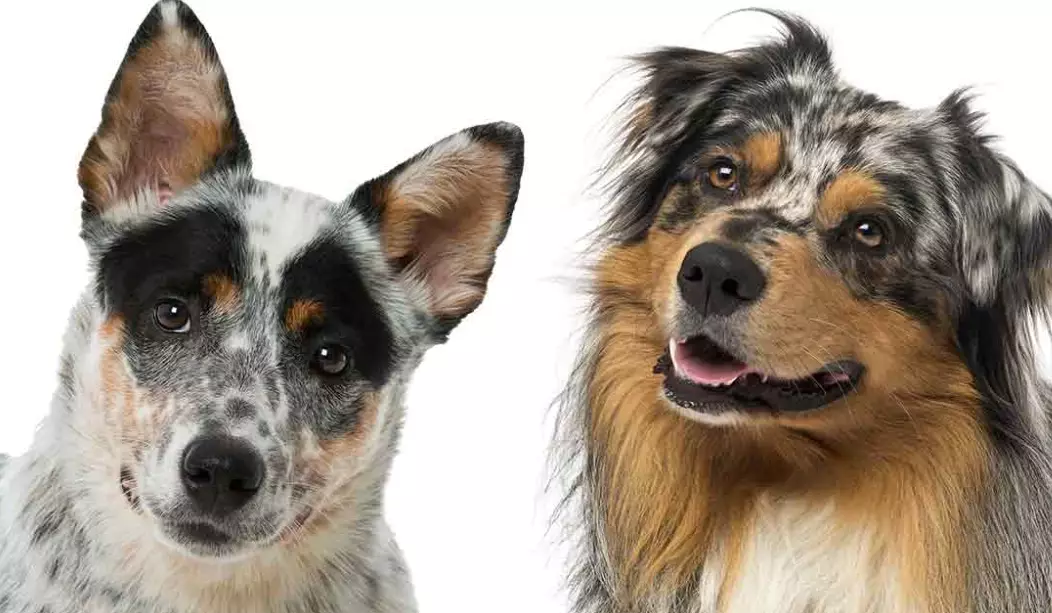
Understanding the Australian Cattle Dog Breed Standard
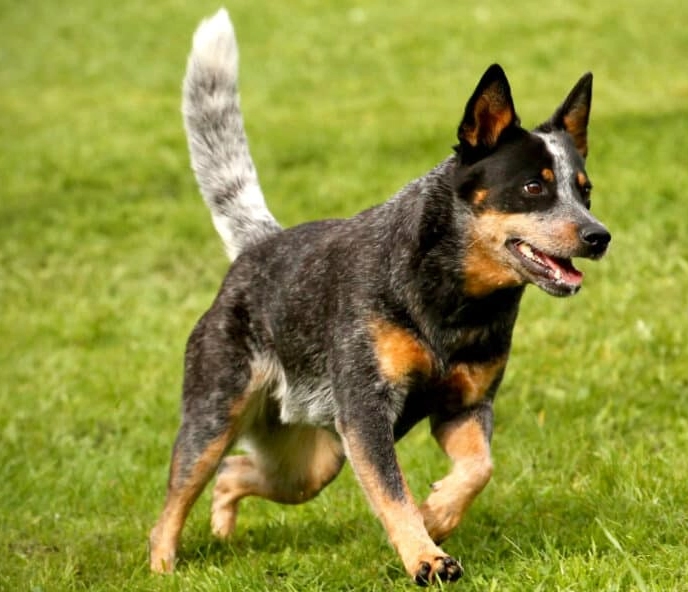
Appearance and Build: Built for Endurance
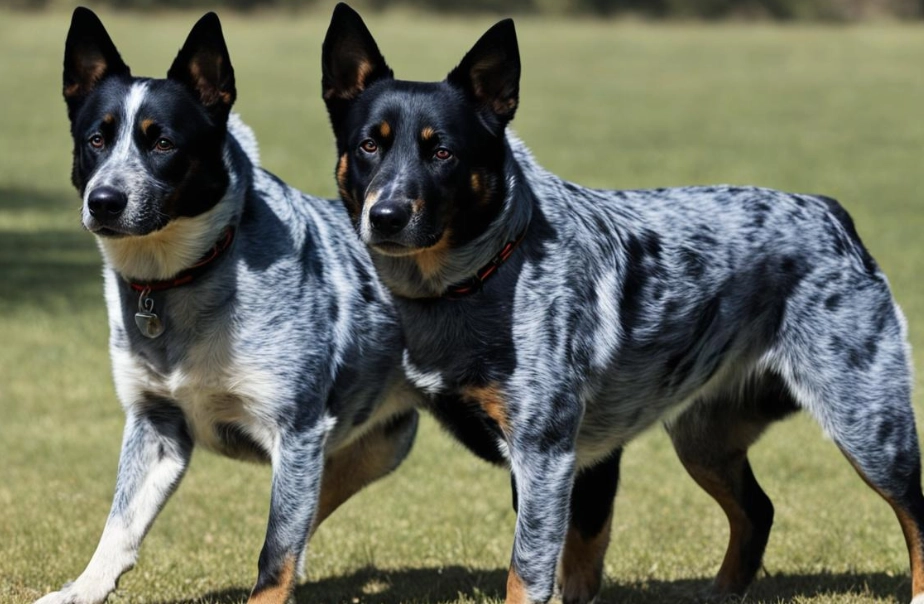
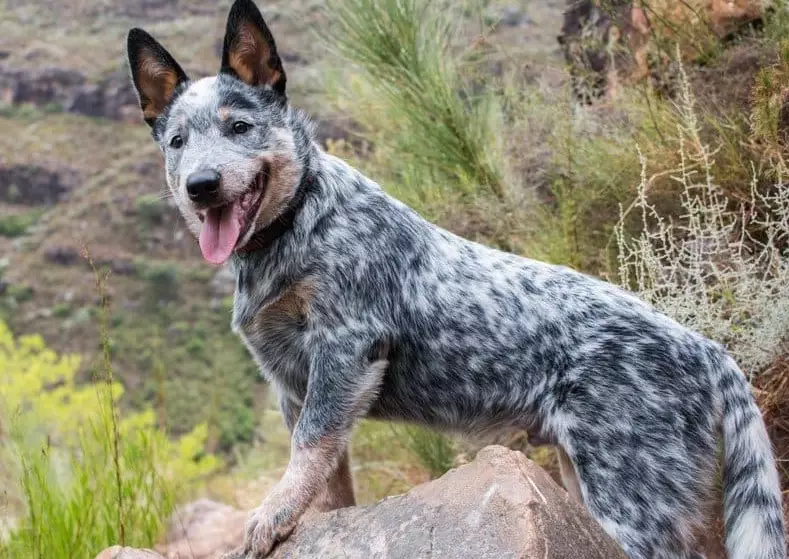
Coat Colors and Patterns
Color Variety
Base Color
Markings
Nickname
Blue
Black
Blue or blue-mottled speckling all over, with possible black, blue, or tan markings on the head.
Blue Heeler
Red
Solid red (liver)
Even red speckling all over, with possible darker red markings on the head.
Red Heeler
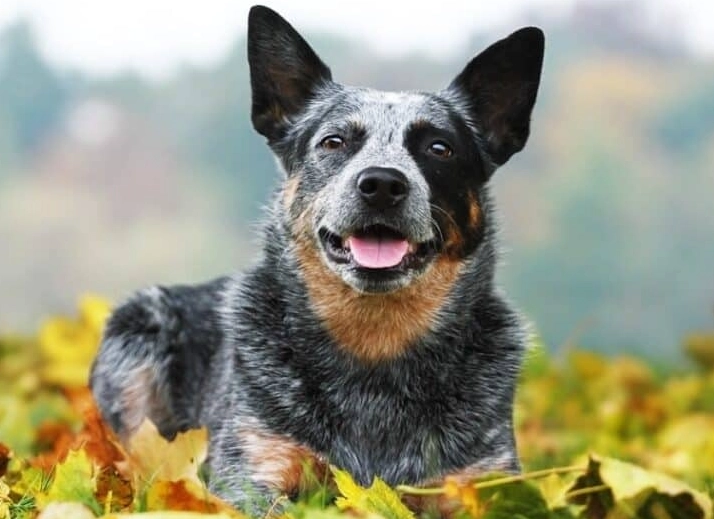
Temperament: The Heart of a Worker
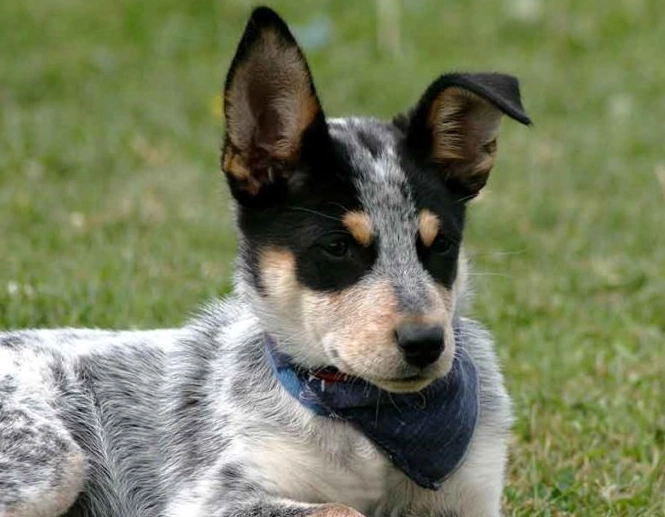
The Ultimate Australian Cattle Dog Care Guide
Exercise: Non-Negotiable and Intensive
Training and Socialization: Start Yesterday
Grooming and Health
Is an Australian Cattle Dog the Right Fit for You?
Your Australian Cattle Dog Questions Answered (FAQ)
Expert Insight: Many new owners mistake the ACD's need for mental work as just a need for physical exercise. A two-hour run might tire their body, but a bored Cattle Dog brain will find destructive "work" like precision-chewing your drywall or systematically unbuckling crate latches. The key is combining physical exertion with tasks that engage their problem-solving intelligence.
Comment