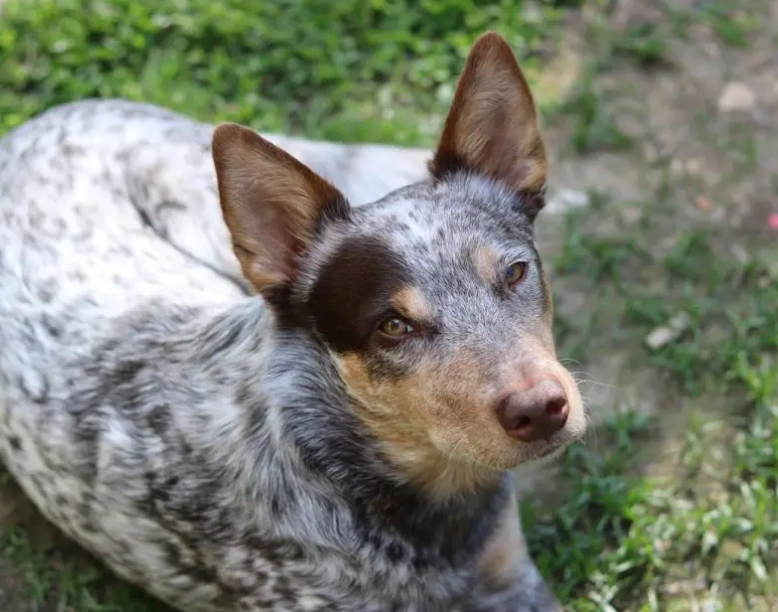
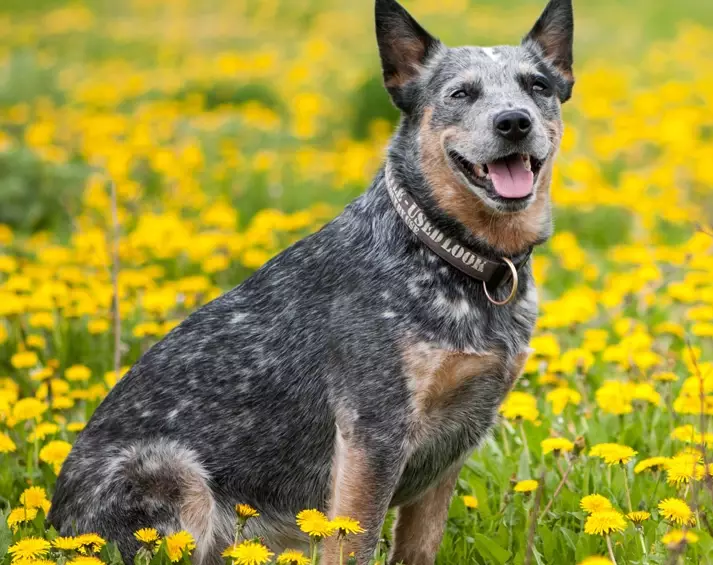
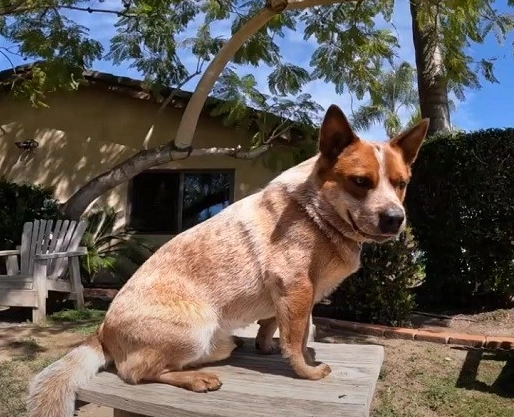
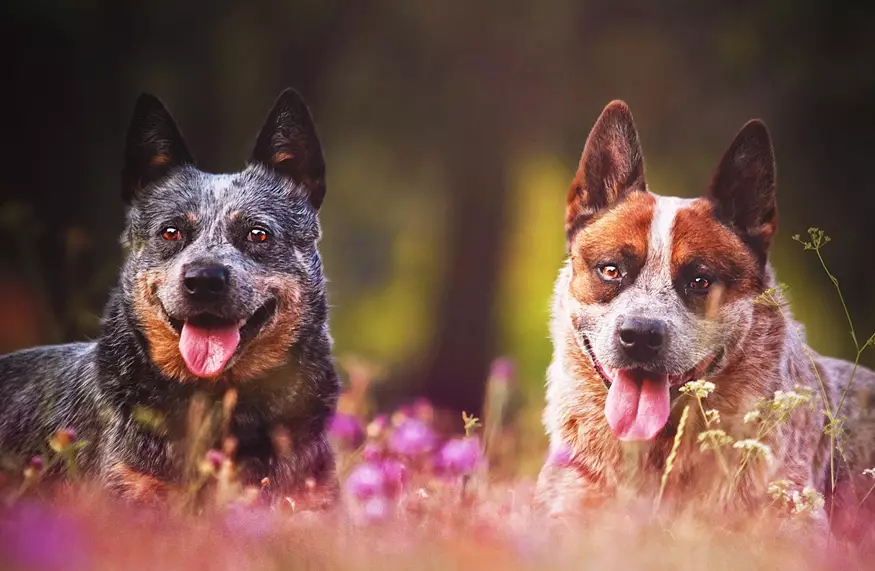
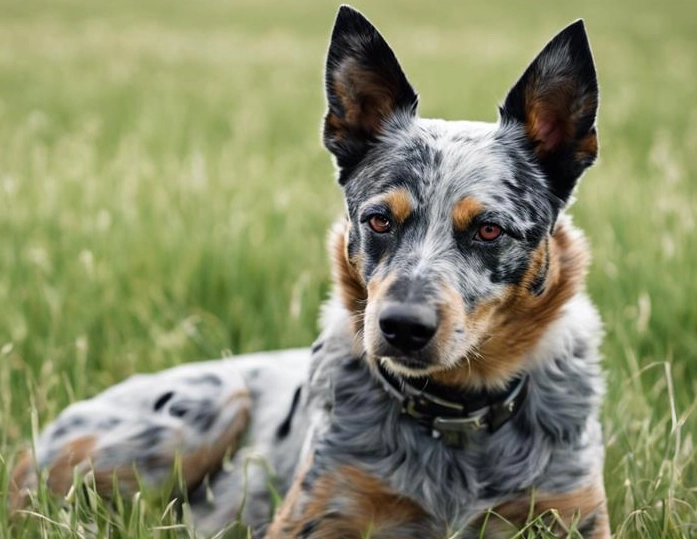
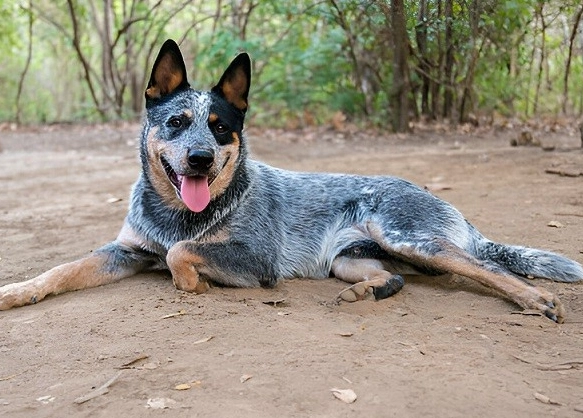
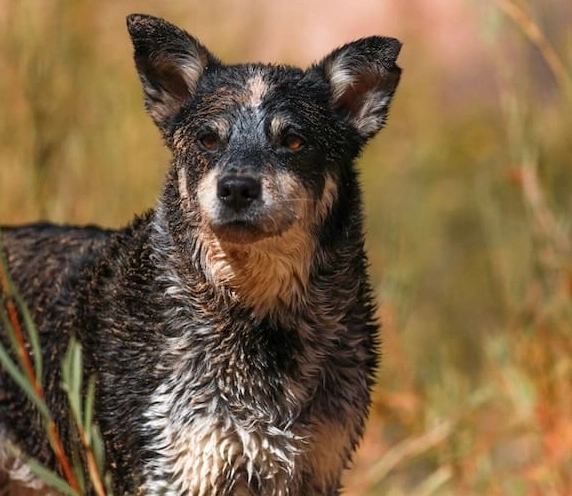
Let's cut to the chase. If you're looking at an Australian Cattle Dog (or Blue Heeler, or Queensland Heeler – they're the same dog) and wondering about the hair situation, the short answer is yes. They shed. A lot. But it's not a simple "yes" or "no." It's a "yes, and here's what you're really signing up for." Having lived with one of these brilliant, energetic dogs for over a decade, I can tell you the shedding is a defining feature of cohabitation. It's not a deal-breaker for the right owner, but going in blind will leave you buried in a sea of short, prickly hairs. You can't manage what you don't understand. The Australian Cattle Dog's coat is a masterpiece of functional design, built for the harsh Australian outback. It's a double coat, which is the key to the whole shedding equation. The undercoat is short, dense, and woolly. Its job is insulation – trapping air to keep the dog cool in blistering heat and warm in cold nights. This undercoat is the primary source of the infamous shedding. It's like a layer of thermal underwear that they need to put on and take off with the seasons. The outer coat (or guard hairs) is straight, hard, and water-resistant. These hairs are longer and lie close to the body, protecting the skin from sun, rain, and brush. They shed too, but much less frequently than the undercoat. Coat Color & Shedding: A common myth is that blue heelers shed less than red heelers, or that speckled coats hide hair better. It's nonsense. The color or pattern has zero effect on the amount or type of hair shed. My blue mottled boy left just as much (if not more) hair on my black pants as any red dog would. This is where people get caught off guard. Australian Cattle Dogs don't just shed a little bit every day. They operate on a schedule of steady maintenance shedding with dramatic seasonal peaks. Year-Round Shedding: Expect a moderate, consistent trickle of hair. You'll find it on your clothes, your sofa, and mysteriously in your kitchen cabinets. Regular brushing manages this baseline level. Seasonal "Coat Blow": Twice a year, typically in spring and fall, your Heeler will decide to redecorate your entire home in their own image. This is the undercoat coming out in massive clumps. The spring blow sheds the thick winter undercoat to prepare for summer. The fall blow sheds the summer coat to make way for a new winter layer. Each episode can last 2 to 4 weeks. During a coat blow, brushing isn't a chore; it's a necessity. You can pull out handfuls of soft, greyish undercoat with your fingers. It's oddly satisfying but also a clear signal that your vacuum cleaner is about to become your most used appliance. Grooming isn't optional with this breed. It's the primary weapon in your war against hair. Doing it right makes all the difference. Here’s the toolkit and routine I've settled on after years of trial and error. Using the wrong tool is the biggest mistake you can make. A regular bristle brush is useless against that dense undercoat. 1. Start with the Undercoat Rake. Work in sections, following the direction of hair growth. You'll see the loose undercoat gathering in the teeth. Clean the rake frequently. The goal isn't to get every single hair, but to remove the major clumps. 2. Follow with the Slicker Brush. This catches what the rake missed and polishes the topcoat. It makes their coat look neat and distributes natural skin oils. 3. Finish with the Rubber Mitt. A final pass with the mitt picks up any stragglers and gives them a nice rubdown. My dog would always lean into this part. Bathing: Bathing too often can dry out their skin and potentially worsen shedding. Every 6-8 weeks is plenty. Use a high-quality oatmeal or de-shedding shampoo. The bath helps loosen dead coat – do your major brushing session *after* they are completely dry, not while wet. Wet hair is more prone to breakage. Brushing is reactive. To proactively manage shedding, you need to look at other factors. Diet is HUGE. This is the insider tip most new owners miss. A cheap diet full of fillers like corn and wheat does nothing for skin and coat health. A poor coat sheds more. Invest in a high-quality food with real meat as the first ingredient and plenty of Omega-3 and Omega-6 fatty acids. I saw a noticeable difference in the texture and sheen of my dog's coat (and a reduction in loose hair) within a month of switching to a better food. Adding a spoonful of sardines in water or a fish oil supplement to their meals can work wonders. Stress and Health. Excessive shedding outside of normal cycles can be a red flag. Allergies, skin infections, hormonal imbalances, or even stress (like a move or a new pet) can trigger a shed. If your dog is losing hair in patches, has red skin, or seems itchier than usual, it's vet time. Allergy Alert: If you or a family member has dog allergies, think very carefully. Australian Cattle Dogs are not hypoallergenic. The shedding spreads dander (dried skin flakes) everywhere, which is a primary allergen. Their hair itself is also quite prickly and can get embedded in fabrics, making it hard to fully eradicate. I made most of these myself early on. Shaving the Dog. Never, ever shave an Australian Cattle Dog. Their double coat is a temperature regulation system. Shaving it ruins their ability to stay cool in summer and warm in winter. It can also cause the coat to grow back patchy, discolored, and without its proper texture. You're solving a temporary problem by creating a permanent one. Brushing Too Hard or Too Fast. This isn't a race. Hard, fast brushing can irritate the skin (causing more shedding) and isn't effective. Slow, firm, deliberate strokes are better. Pay attention to your dog's body language. If they're flinching, you're being too rough. Neglecting the "Underneath." We focus on the back and sides, but don't forget the belly, chest, behind the ears, and the legs. These areas have undercoat too and can become matted if ignored. Using Human Hair Products. Dog skin has a different pH balance. Human shampoo is too harsh and will dry out their skin, leading to – you guessed it – more shedding and potential irritation. They do both. You get a steady, moderate baseline of shedding every single day. It's enough to require weekly brushing and regular vacuuming. Then, on top of that, you get two major seasonal explosions – the "coat blows" in spring and fall. During those 2-4 week periods, the shedding intensifies dramatically. So you're managing a constant low-level situation with periodic high-alert phases. For basic maintenance, 2-3 thorough brushing sessions per week is the sweet spot. This keeps the loose hair from overwhelming your house. When you see tufts of undercoat coming out easily (the start of a coat blow), switch to daily brushing. Sometimes, during the peak week, I'd do a quick 5-minute brush in the morning and a longer session at night. It's a time investment, but it's far better than finding hair in your coffee. It's one of the most significant factors outside of genetics. A dog fed a low-quality, grain-heavy diet will often have a dry, lackluster coat that sheds more profusely. The hair is weaker. Switching to a food with high-quality animal protein and healthy fats strengthens the hair follicle at the root. The coat becomes more resilient and holds on longer. It's not a magic bullet that stops shedding, but it reduces the "excessive" part significantly. Think of it as building a stronger house so the bricks don't fall out as easily. Frankly, they are one of the worst choices. The combination of constant shedding and the short, prickly nature of the hair is a nightmare for allergy sufferers. The hair gets everywhere – carpets, upholstery, clothes – and carries dander with it. It's incredibly difficult to fully clean out of a home. If allergies are a serious concern in your household, I would strongly recommend looking at non-shedding or low-shedding breeds instead. Loving the breed isn't worth chronic sneezing and itchy eyes. So, do Australian Cattle Dogs shed a lot? The unequivocal answer is yes. It's a substantial part of owning one. But with the right tools, a consistent routine, and attention to their overall health, it's a completely manageable part of life with these loyal, intelligent, and endlessly entertaining dogs. You just have to decide if you're ready to embrace a little (or a lot of) extra fur as part of the package deal.Quick Navigation
Understanding the Australian Cattle Dog Coat
The Shedding Cycle: When the Fur Really Flies
How to Groom Your Australian Cattle Dog
The Essential Tool Kit
Tool
Primary Use
Frequency
Pro Tip
Undercoat Rake
To reach deep and pull out loose undercoat without cutting the topcoat.
2-3 times/week (Daily during coat blow)
Look for one with long, rounded teeth. Go gently over bony areas like the spine and hips.
Slicker Brush
To remove surface loose hair, detangle, and smooth the topcoat.
2-3 times/week
Use a soft-pin slicker. Brush in the direction of hair growth, don't scrub harshly.
De-shedding Tool
For heavy-duty undercoat removal during seasonal sheds.
During coat blow periods only
Tools like the Furminator work but be careful. Overuse can damage the topcoat. Limit to 10-15 minutes per session.
Rubber Grooming Mitt
Great for a quick once-over, massaging the skin, and removing loose hair after brushing.
Anytime
Perfect for a bonding session on the couch. It feels like a petting massage to them.
The Step-by-Step Grooming Session
Beyond Brushing: Factors That Affect Shedding
Common Grooming Mistakes to Avoid
Your Shedding Questions Answered
Do Australian Cattle Dogs shed all year round, or is it seasonal?
How often should I groom my Australian Cattle Dog to control shedding?
Can diet really affect how much my Australian Cattle Dog sheds?
Is an Australian Cattle Dog a good choice for someone with allergies?
Comment